
I have been asked this question more times than I can count. And honestly, it is not a simple yes or no answer.
Freight shipping time depends on how your goods move, where they are going, and what happens along the way.
Some shipments wrap up in a day. Others take weeks. Knowing the difference can save you money, stress, and a lot of back-and-forth with carriers.
So let me break it all down for you in plain, simple terms.
What Does “Freight Shipping Time” Mean?

Freight shipping time is the total time it takes for your goods to move from the pickup point to the final destination. It covers everything, from the moment the carrier collects your shipment to the moment it arrives at the door.
But the clock does not always tick the same way. Transit time estimates change based on the route, carrier, shipment size, and shipping method. Delays at terminals or customs can add extra days. So the number you see upfront is always an estimate, not a guarantee.
Average Freight Shipping Times by Mode

Shipping time depends a lot on how your freight moves. Here is a quick look at what to expect from each mode.
Air Freight Shipping Time
Air freight is the fastest option available. Standard air takes 3 to 10 days, while expedited air cuts it down to 1 to 3 days. Domestic shipments usually arrive in 1 to 2 days. International routes take longer due to customs and connecting flights.
Ocean Freight Shipping Time
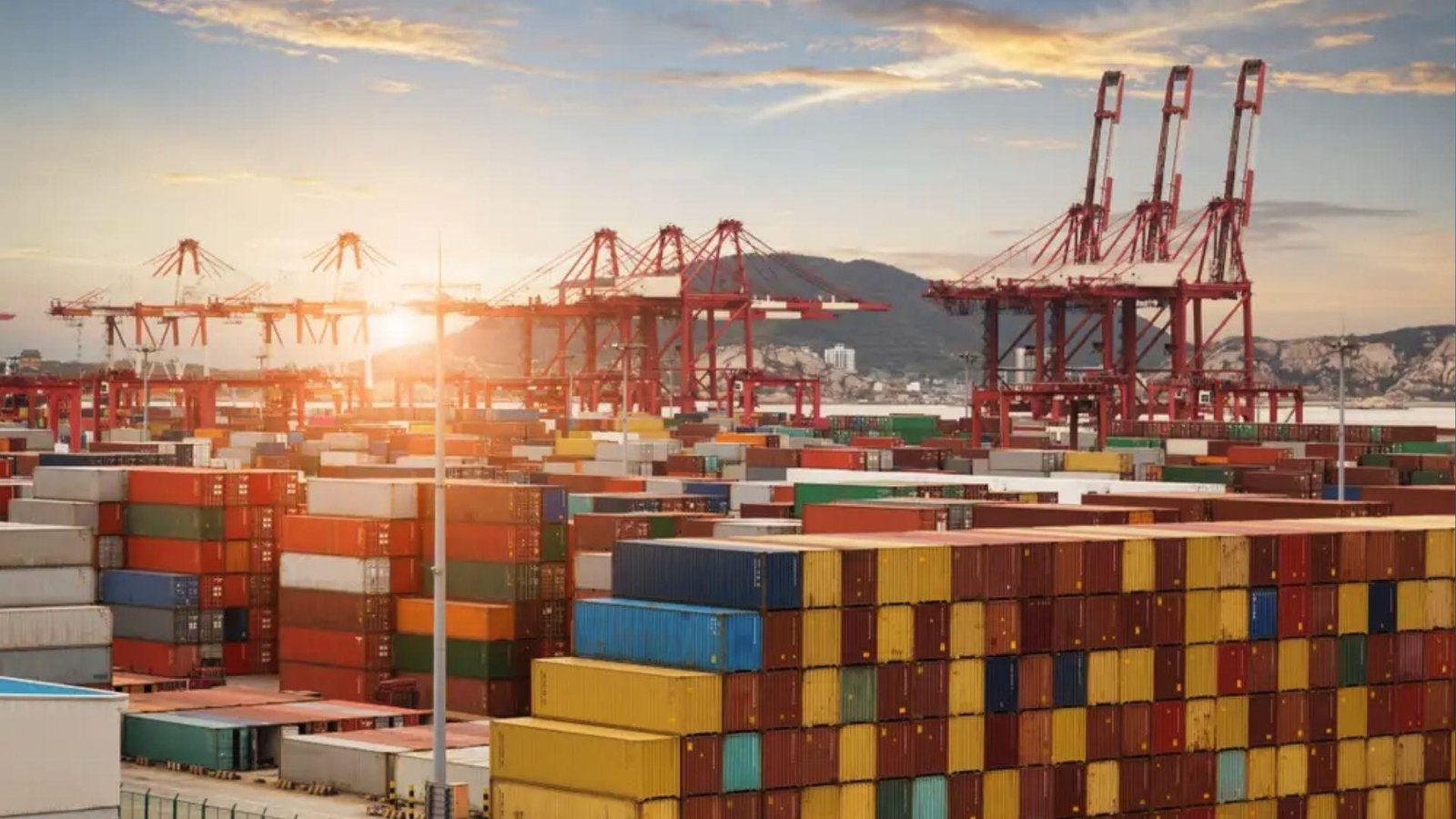
Ocean freight works best for large, heavy shipments where cost matters more than speed. FCL is faster since your container moves without waiting for other cargo. LCL takes longer due to cargo consolidation. Port-to-port runs 20 to 45 days, and door-to-door can stretch up to 60 days.
Truck Freight Shipping Time (Ground Shipping)
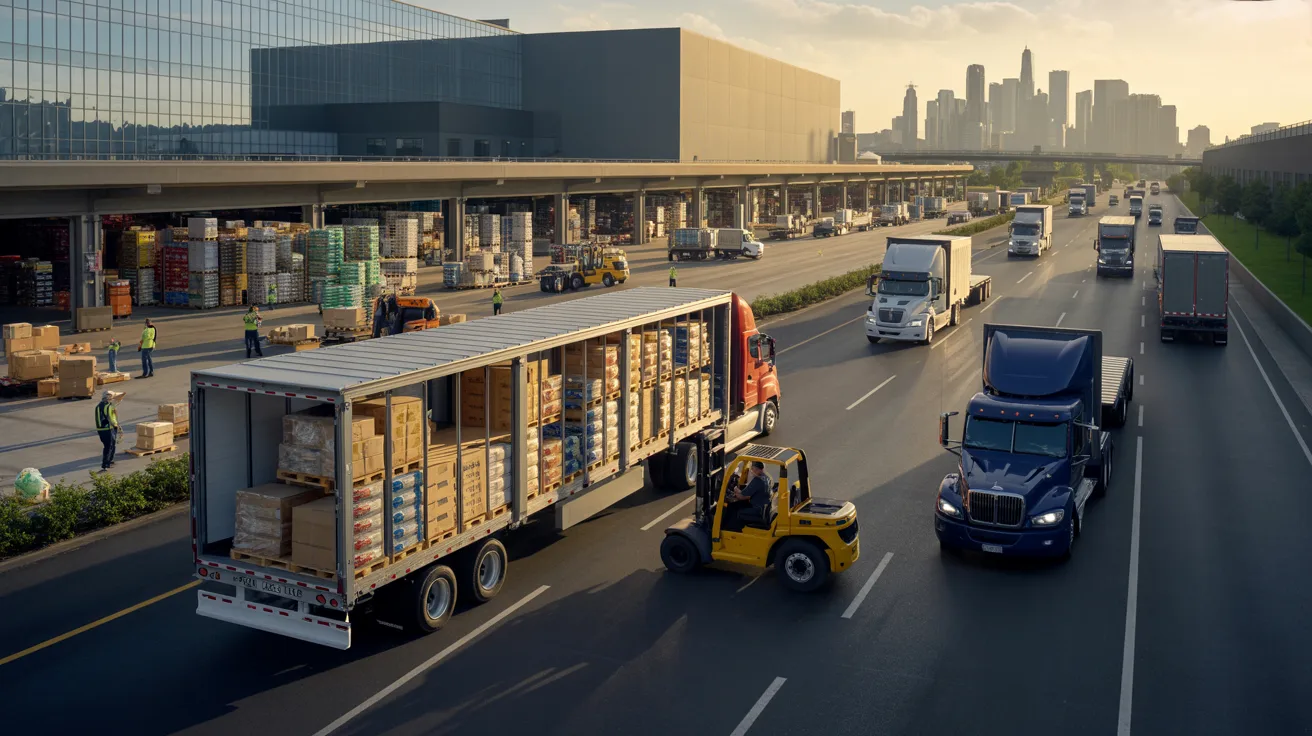
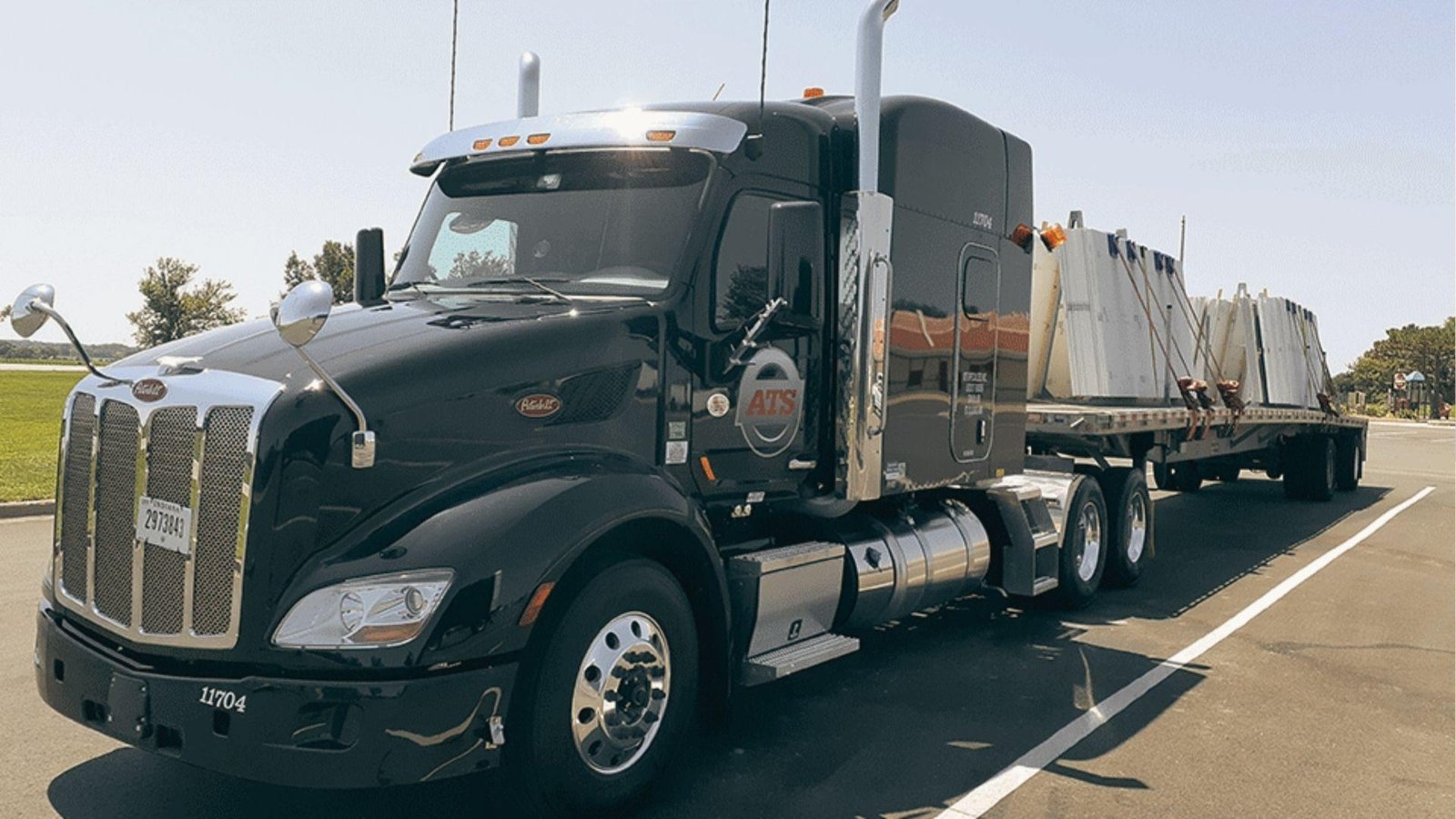
Trucking is the go-to choice for domestic freight. FTL moves directly from pickup to delivery with no stops, making it quicker. LTL makes multiple stops along the route, which adds time. Regional deliveries take 1 to 3 days, and cross-country runs average 5 to 7 days.
Intermodal (Rail + Truck) Shipping Time
Intermodal shipping uses both rail and truck to cover long distances. It is slower than FTL but costs less for cross-country loads. Domestic intermodal typically takes 5 to 8 days. It is a solid pick when saving on cost is the priority over delivery speed.
Freight Shipping Time Comparison (Quick Overview)
Here is a side-by-side look at all four shipping modes so you can pick what works best for your shipment.
| Mode | Average Time | Cost Level | Best Use Case |
| Air Freight | 1 to 10 days | High | Urgent or time-sensitive shipments |
| Ocean Freight | 20 to 60 days | Low | Large, heavy, or bulk cargo |
| Truck (FTL/LTL) | 1 to 7 days | Medium | Domestic freight of all sizes |
| Intermodal (Rail + Truck) | 5 to 8 days | Medium-Low | Long-distance, cost-focused loads |
Key Factors That Affect Freight Shipping Time

Several things can push your delivery earlier or later than expected. Knowing these factors helps you plan shipments with more confidence.
Distance and Route
The farther your freight has to travel, the more time it takes. Longer routes also increase the chances of stops, transfers, and delays. Direct routes are always faster than ones with multiple legs.
Shipping Mode and Service Level
The mode you choose sets the baseline for how long delivery will take. Within each mode, the service level matters too. Expedited options cost more but move faster. Standard services take longer but are easier on the budget.
Customs Clearance (International Shipping)
International shipments go through customs at the border. This process can add anywhere from a few hours to several days. Incomplete paperwork or restricted goods can slow things down further. Getting your documents right the first time saves a lot of waiting.
Weather and External Disruptions
Bad weather is one of the most common causes of shipping delays. Storms, heavy snow, and floods can shut down roads, ports, and airports. Strikes, political unrest, and pandemics can also disrupt freight movement in ways that are hard to predict.
Port Congestion and Handling Delays
Busy ports can hold your shipment for days before it gets processed. High cargo volumes, labor shortages, and equipment issues all cause congestion. Ocean freight is the most affected, but air cargo terminals face the same problem during peak seasons.
Carrier Capacity and Driver Availability
When carrier capacity is tight, your freight may sit and wait for an available truck or vessel. Driver shortages in trucking are a common issue, especially during busy periods. Booking early gives you a better shot at securing space and staying on schedule.
Number of Stops and Transfers (LTL Impact)
LTL shipments share space with other cargo and make multiple stops along the route. Each stop adds time. More transfers also mean more chances for delays or handling damage. If speed is your priority, FTL is the better option since it goes straight from pickup to delivery.
Why Freight Shipping Can Be Delayed
Delays happen for many reasons, and most of them are outside your control. Bad weather can shut down roads, ports, and airports without warning.
Labor shortages leave fewer drivers and handlers to move freight on time. Equipment breakdowns stall shipments mid-route.
Global issues like geopolitical tensions, trade restrictions, or port closures can disrupt entire supply chains. Knowing these risks ahead of time helps you build buffer days into your shipping plan.
How to Reduce Freight Shipping Time

Picking the right shipping mode from the start saves you days. For urgent loads, go with expedited or time-definite services that guarantee delivery windows.
Pack your freight correctly and keep all documents ready before pickup, since missing paperwork is one of the biggest causes of delays.
Working with a reliable logistics partner also makes a real difference. They know the routes, the carriers, and how to keep your shipment moving without unnecessary stops.
Conclusion
After working with freight shipments across different modes, I can tell you one thing for sure. There is no one-size-fits-all answer.
It always comes down to balancing speed, cost, and reliability based on what your shipment actually needs. Plan ahead, choose the right mode, and work with partners you can trust.
Have questions about your next shipment? Drop them in the comments or get in touch. I am happy to help you figure it out.
Frequently Asked Questions
How long does standard freight shipping take?
It depends on the mode you choose. Air freight takes 1 to 10 days, trucking takes 1 to 7 days, and ocean freight can run anywhere from 20 to 60 days.
What is the fastest freight shipping option?
Air freight is the quickest option available. Expedited air services can get your shipment delivered in as little as 1 to 3 days.
Why is my freight shipment taking longer than expected?
Delays are usually caused by weather, port congestion, customs clearance, or carrier capacity issues. These are common and can add anywhere from a few hours to several days.
Is ocean freight always slower than truck shipping?
Yes, ocean freight takes much longer than trucking. It is best used when cost is the priority and the shipment does not have a tight deadline.
How can I speed up my freight delivery?
Book early, keep your documents ready, and pick the right shipping mode for your timeline. Working with a trusted logistics partner also helps keep things on track.