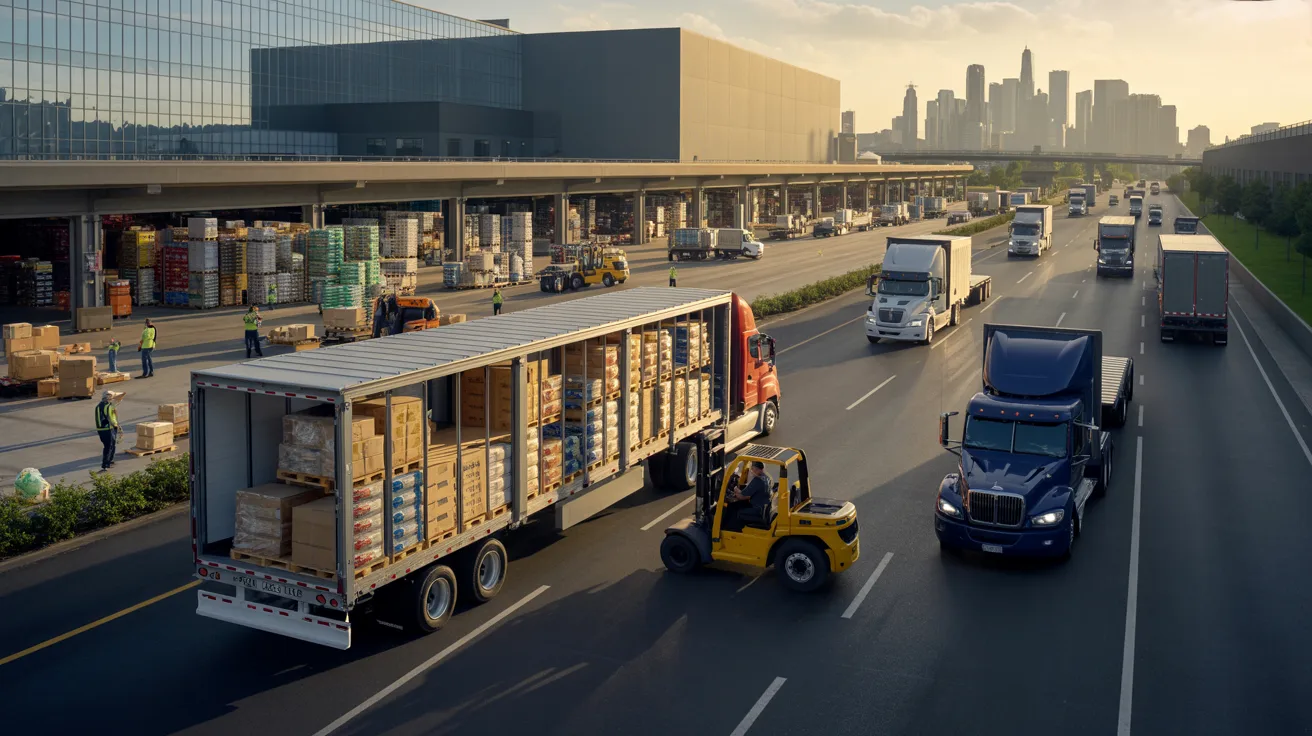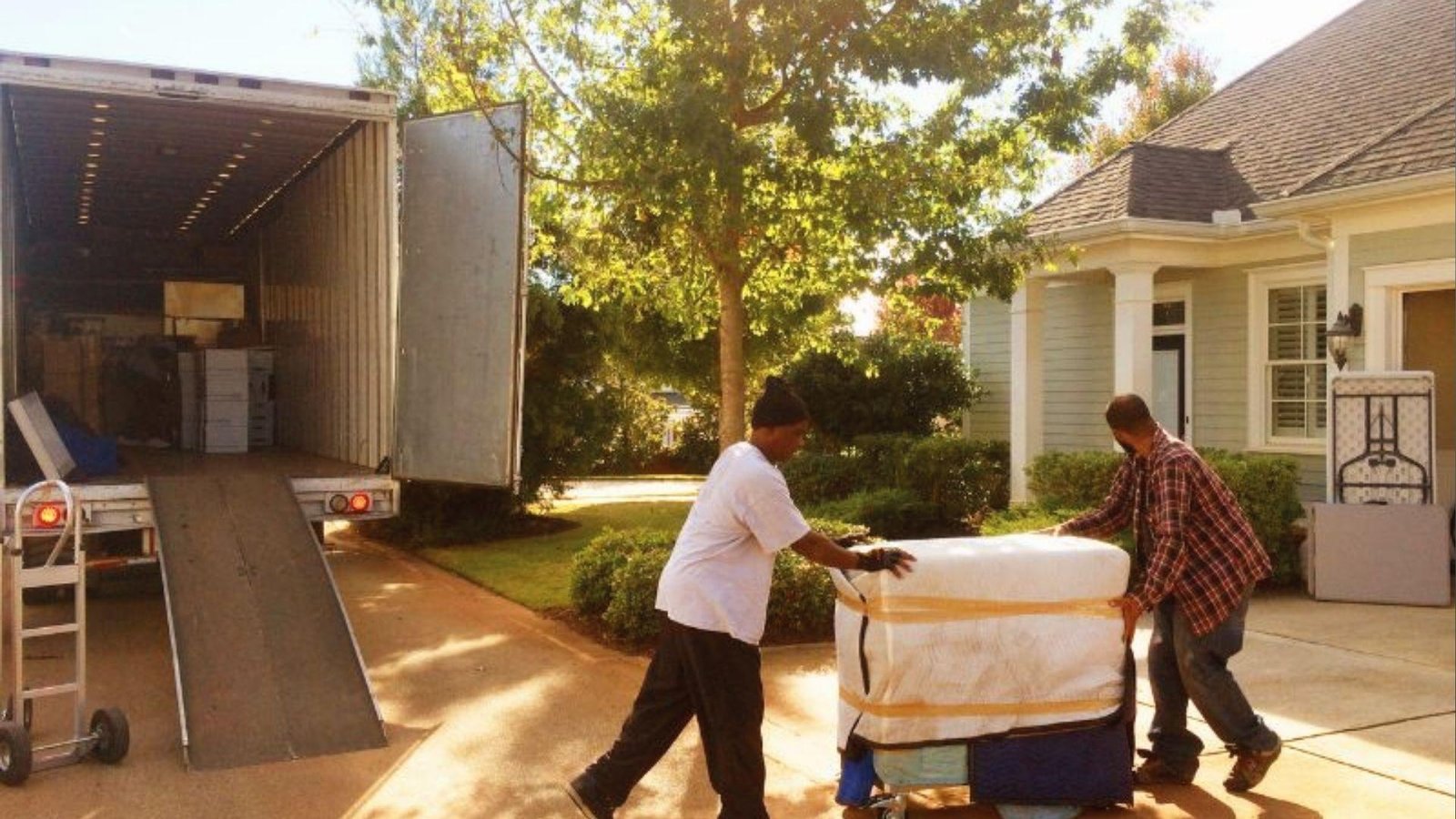
When a shipment needs to arrive fast, standard shipping simply will not cut it. That is where expedited freight comes in.
In this article, you will learn what expedited freight is and how it works, when to use it, its key benefits and challenges, and what affects its cost.
We have helped many shippers understand freight options, and we know the confusion around this topic is real.
This guide will give you clear, honest answers so you can make the right shipping decision without second-guessing yourself.
What Is Expedited Freight?

Expedited freight means moving shipments faster than standard shipping. It skips the usual delays and gets your goods where they need to be, quickly and with care.
It is a shipping service that prioritizes speed and direct delivery over cost savings. Standard shipping often involves multiple stops, shared truck space, and longer transit times.
Expedited freight cuts through all of that. Your shipment moves as a priority, not as one of many packages in a long queue.
In standard freight, your goods may sit at a terminal for days. With expedited, your shipment keeps moving.
Here is what makes it different:
- Direct Routing gets your shipment from Point A to Point B without unnecessary stops.
- Priority Handling means your freight is loaded and moved before standard shipments.
- Faster Transit Times cut what normally takes 5 to 7 days down to just 1 to 2 days.
- Fewer touchpoints mean less risk of damage or loss.
On cost, expedited freight does cost more. You are paying for speed, priority access, and dedicated capacity. Standard shipping spreads those costs across many shipments.
Use standard freight for non-urgent, bulk loads where timing is flexible. Use expedited when deadlines are tight or delays would cause serious problems.
How Expedited Freight Works

Expedited freight uses faster routes, dedicated vehicles, and priority handling to move your shipment without delays.
Direct Routing and Faster Transit
One of the biggest reasons expedited freight is faster is direct routing. Instead of stopping at multiple hubs or warehouses, your shipment goes straight from the pickup point to the destination.
This point-to-point approach removes the waiting time that slows down standard freight. No sorting. No sitting at a terminal. Your goods are always in motion.
Common Transportation Modes
Expedited freight can move in several ways depending on distance and urgency:
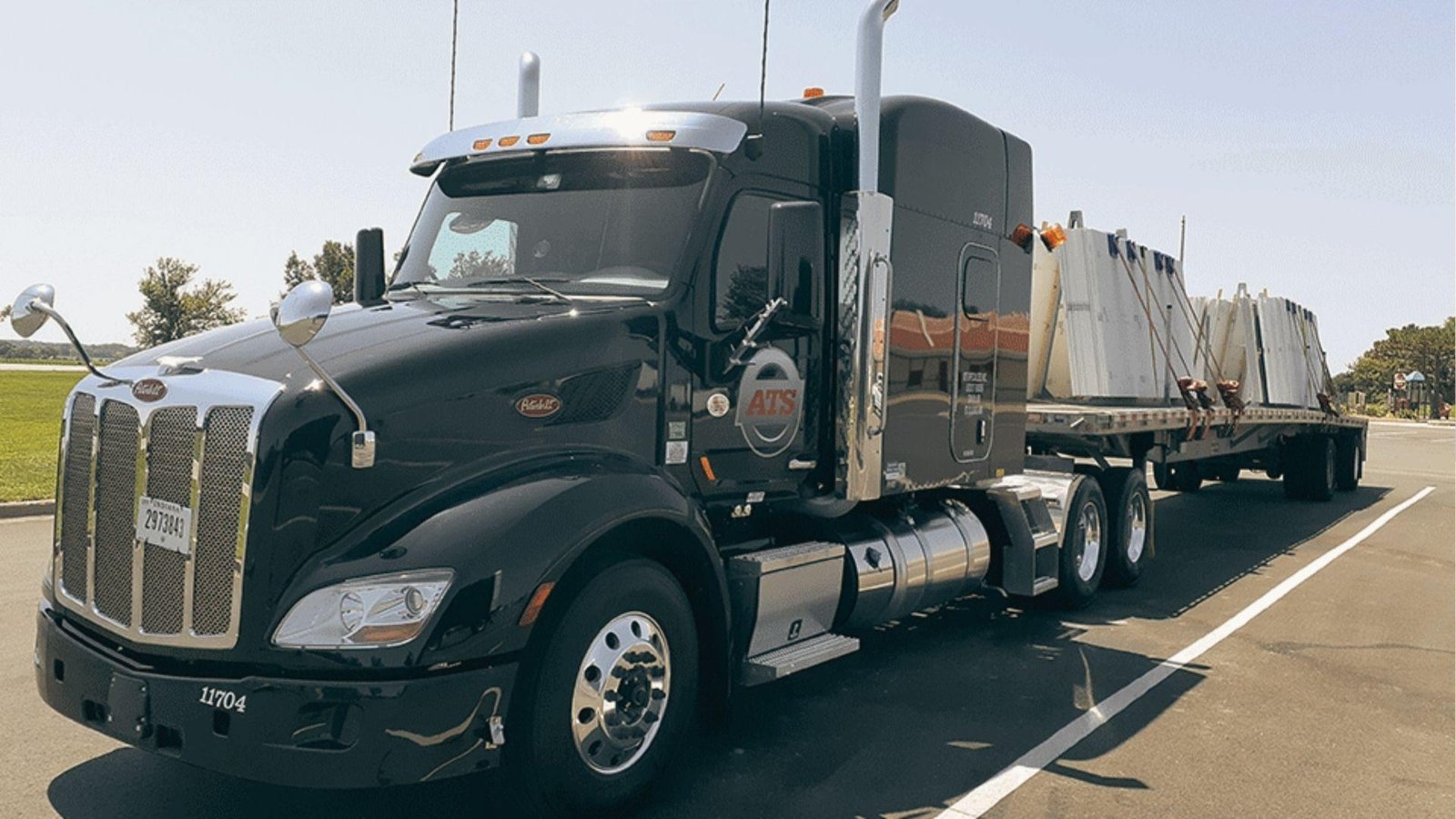
Ground Shipping: Sprinter vans and straight trucks are common for shorter distances. They move fast, carry smaller loads, and can reach areas airports cannot. Larger trucks are used when the shipment is bigger but still needs to move quickly.
Air Freight: For long distances, air freight is the fastest option. If you need goods moved across the country or internationally within a day or two, air is the way to go.
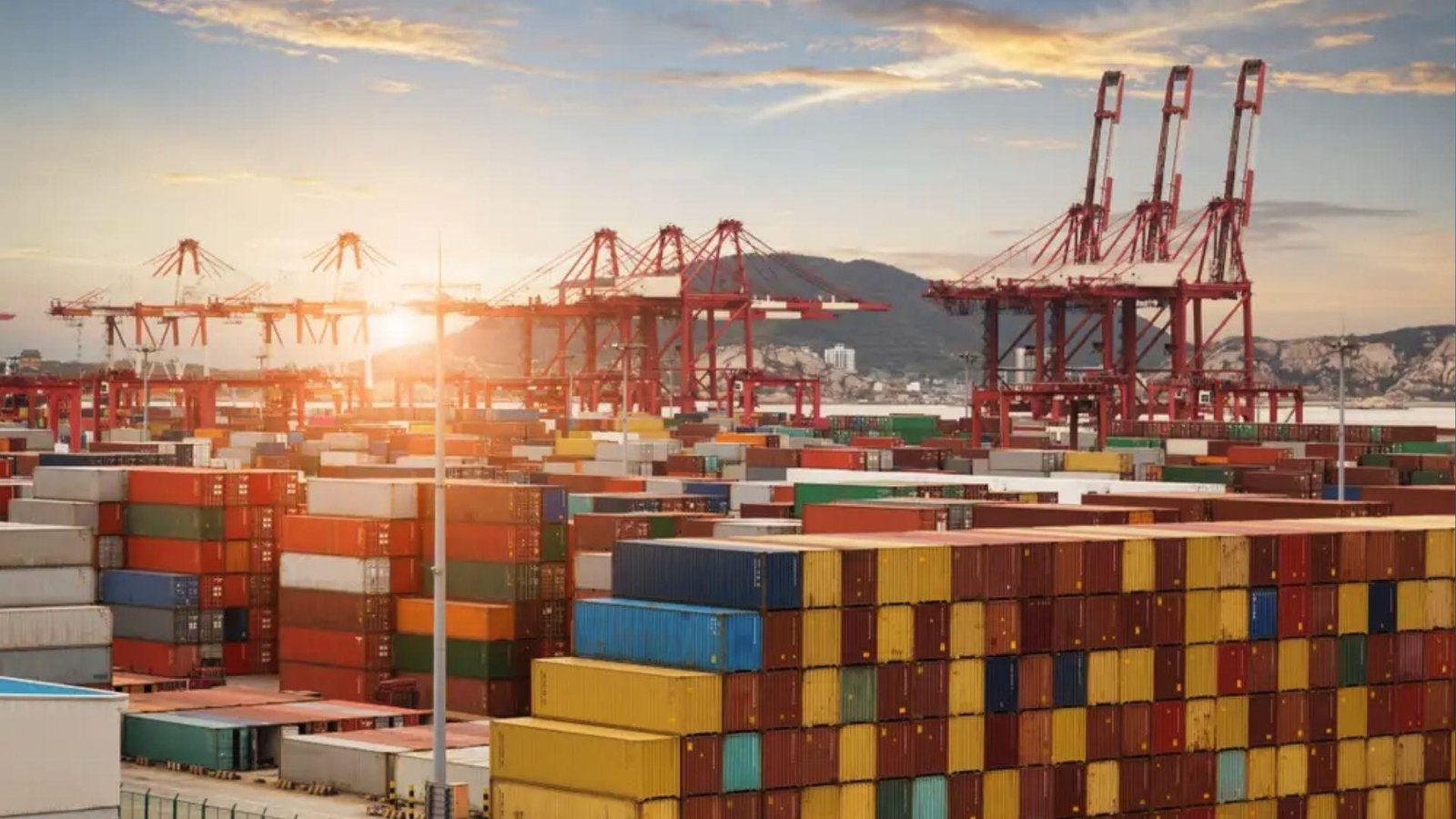
Ocean Freight: For large international shipments, expedited ocean freight exists. It costs less than air but is faster than standard ocean shipping. This works well for oversized cargo that cannot go by air.
Priority Handling and Dedicated Capacity
Expedited freight often means your shipment gets its own space.
This could be:
- An exclusive truck that only carries your goods
- Team drivers who take turns so the truck never stops moving
- Priority placement on the next available flight or vessel
This dedicated capacity means faster processing at every stage. Your shipment is not competing with hundreds of others for space or attention.
When Do Shippers Use Expedited Freight?

There are specific situations where expedited freight is the smart choice over standard shipping.
Urgent and Time-Sensitive Deliveries
Sometimes a shipment simply cannot be late. Tight deadlines happen in many industries. A retailer might need stock before a big sale. A manufacturer might need parts before production stops.
Last-minute shipments are also common. Even with good planning, things go wrong. Expedited freight is often the rescue solution when time runs out.
High-Value or Critical Shipments
Some goods are too important to risk with slow shipping. Electronics, medical equipment, and critical machine parts often move via expedited freight. The cost of delay outweighs the cost of faster shipping.
If your shipment has high monetary value or operational importance, paying for speed is a smart investment.
Perishable or Sensitive Goods
Food, pharmaceuticals, and temperature-sensitive items need to arrive quickly and in perfect condition. Sitting in a warehouse or on a slow truck can ruin these goods.
Expedited freight reduces the time in transit, which protects the product. Many carriers also offer temperature-controlled options for these types of shipments.
Supply Chain Disruptions
Production delays, port backlogs, and unexpected demand spikes can throw off the best-planned supply chains. When your regular shipping schedule falls apart, expedited freight helps you recover fast.
It is often used as a short-term fix to keep operations running while the larger issue gets resolved.
Benefits of Expedited Freight

Expedited freight offers more than just speed. It brings reliability, safety, and efficiency to your shipping process.
Faster Delivery Times
The most obvious benefit is speed. Reduced transit time means your goods arrive sooner. For businesses, this translates to faster turnaround and fewer production delays.
When every hour counts, expedited freight gives you time back.
Reliable and Predictable Shipping
With expedited freight, you get more accurate delivery windows. Because there are fewer stops and no shared scheduling conflicts, carriers can give you tighter delivery estimates.
This predictability helps you plan better. You know when your goods will arrive, and you can prepare accordingly.
Reduced Handling and Damage Risk
Every time a shipment is transferred from one truck or terminal to another, there is a risk of damage or loss. Expedited freight reduces those touchpoints.
Fewer transfers mean your goods are handled less. This lowers the chance of damage, mislabeling, or items going missing.
Improved Customer Satisfaction
When you meet your delivery deadlines, customers are happy. Expedited freight helps you keep your promises, even under pressure.
In today's world, fast and reliable delivery is not just nice to have. It is expected. Using expedited freight when needed helps you meet those expectations.
Better Supply Chain Efficiency
Expedited freight supports lean inventory practices. Instead of holding large amounts of stock, businesses can order smaller quantities more frequently and rely on fast shipping to replenish as needed.
This reduces storage costs and keeps your supply chain agile. When demand spikes, you can respond quickly without overstocking.
Challenges of Expedited Freight

Expedited freight is not perfect for every situation. It comes with some real trade-offs worth knowing.
Higher Costs
The biggest drawback is price. Expedited freight costs significantly more than standard shipping. You are paying for priority access, dedicated space, and faster service.
For businesses with tight margins, this premium can add up quickly. It is important to weigh whether the speed is truly worth the extra cost in each situation.
Limited Availability
During peak shipping periods like holidays or end-of-quarter rushes, capacity can be tight. Even with expedited freight, finding available trucks or flight space may be difficult.
Booking early, even for expedited shipments, helps. Waiting until the last minute during busy periods can leave you without options.
External Risks
Even with the best planning, some things are out of your control:
- Weather disruptions can ground flights or close roads.
- Customs delays can slow international shipments.
- Unforeseen issues at origin or destination can add time.
Expedited freight reduces some risks, but it cannot eliminate all of them. Having backup plans is always smart.
Basic Factors That Affect Expedited Freight Costs

Several factors determine how much you pay for expedited freight. Knowing them helps you plan and budget better.
Shipment Size and Weight
Larger and heavier shipments cost more to move quickly. Carriers charge based on space used and the weight carried. Oversized items may require special equipment, which adds to the price.
Distance and Delivery Route
The farther the shipment needs to travel, the more it costs. Routes that go through remote areas or require multiple legs also tend to cost more than direct, well-traveled corridors.
Mode of Transportation
Air freight is the fastest but also the most expensive. Ground shipping costs less but takes longer. Ocean freight falls somewhere in between for international loads. The mode you choose directly impacts the final cost.
Urgency and Timing of Booking
The more urgent your request, the more you will pay. Booking at the last minute almost always comes with a premium. If you know a shipment needs expedited service, booking as early as possible can help control the cost.
Conclusion
If you have been stressed about a late shipment or a tight deadline, I get it. It is not fun. Expedited freight exists exactly for those moments when standard shipping just will not do.
From time-sensitive deliveries to protecting high-value goods, it offers real solutions. Yes, it costs more, but sometimes that speed saves far more than it spends.
I hope this guide gave you the clarity you needed. If you found it helpful, share it with someone who deals with freight too. Got questions? Drop them in the comments below.
Frequently Asked Questions
What is the main difference between expedited and standard freight?
Expedited freight moves faster using direct routes and priority handling. Standard freight uses shared space with multiple stops, making it slower but more affordable.
How quickly can expedited freight deliver a shipment?
Delivery times vary by distance, but many expedited shipments arrive within one to two days. Same-day and next-day options are available in many cases.
Is expedited freight only for emergencies?
Not at all. Many businesses use it regularly for high-value goods, perishable items, or situations where reliable timing is critical to their operations.
What types of goods are best suited for expedited freight?
Medical equipment, electronics, fresh food, pharmaceuticals, and critical machine parts are common examples. Any time-sensitive or high-value item benefits from expedited shipping.
Can small businesses afford expedited freight?
Yes, though it costs more than standard shipping. Small businesses can use it selectively for urgent needs. Comparing carrier rates and booking early helps keep the cost manageable.