Shopping for a storage container feels overwhelming at first. Sizes, types, prices it's a lot to take in. I've been there, and I know how confusing it gets. This storage container guide breaks it all down in simple terms.
You'll learn about standard sizes, the main container types, and how to pick the right one for your needs.
I'll also cover portable vs. traditional storage and what features actually matter.
No fluff, just what helps. By the end, you'll know exactly what to look for and feel confident making the right call.
Storage Container Guide Sizes, Types, and Uses Overview

Before picking a container, you need to understand the basics. A storage container is a large, enclosed unit used to hold goods, equipment, or personal items.
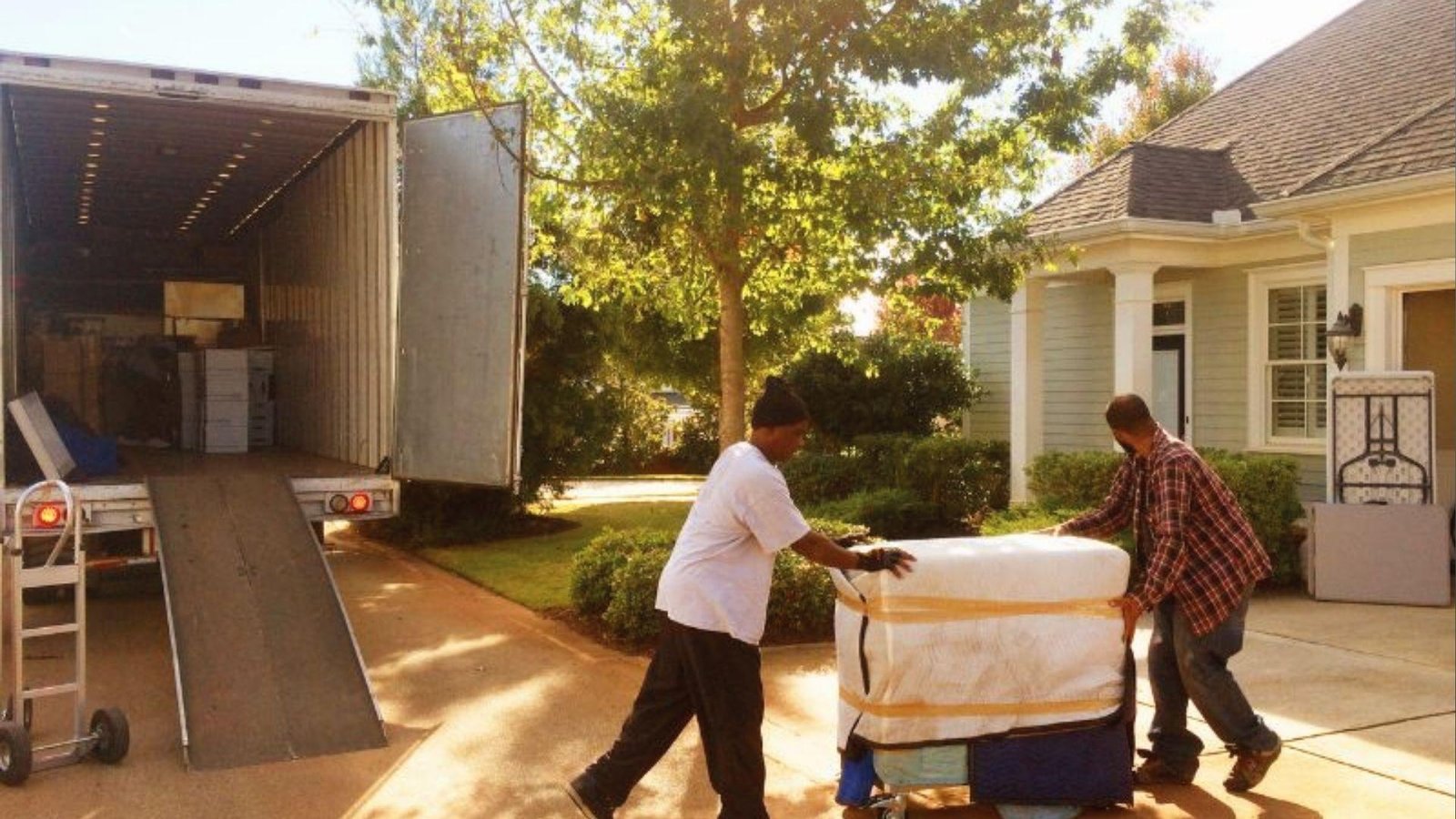
It can be rented or bought, and it can sit on your property or move with you.
Three things always work together:size, type, and purpose. Miss one, and you end up paying more or running out of space. A 10-foot unit fits a small garage. A 40-foot unit fits an entire house.
Getting all three factors right from the start saves you time, money, and a second trip to the rental company.
Understanding Standard Storage Container Sizes

Size is the first thing to figure out the wrong size costs you space or money.
10-Foot Containers
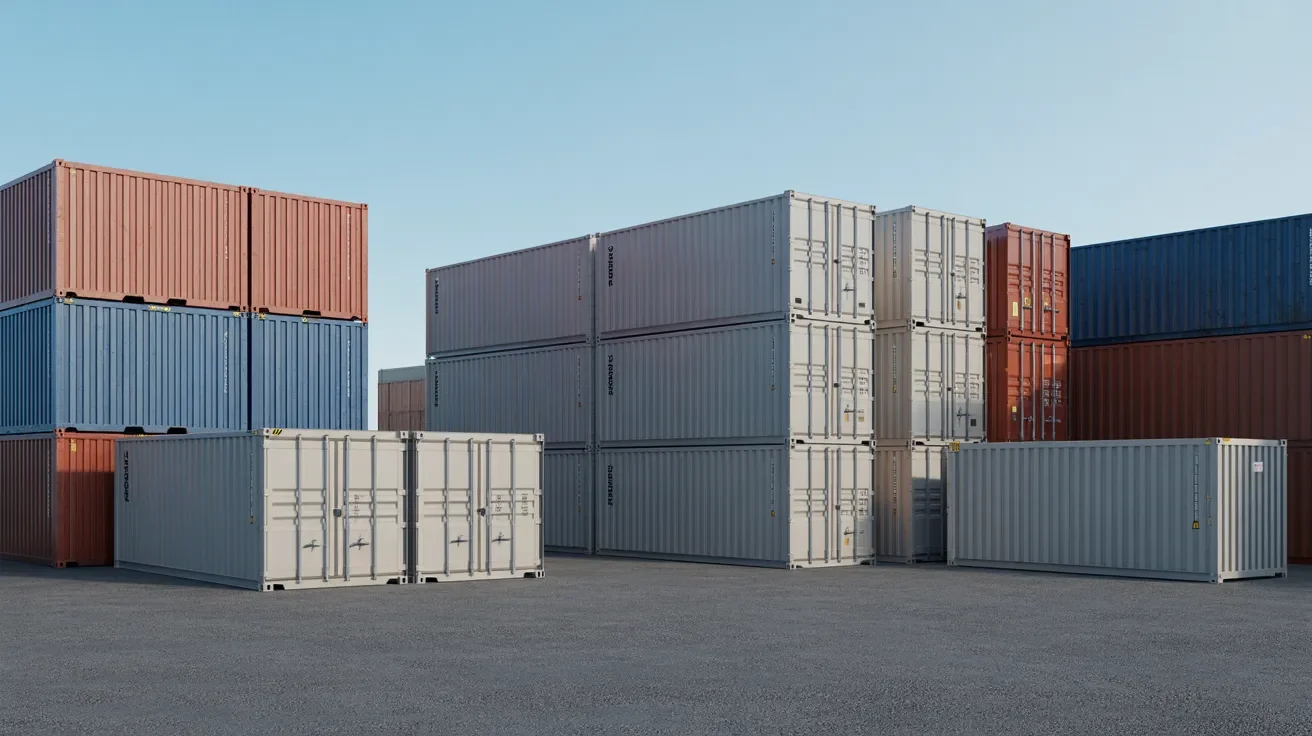
These are the smallest standard options. Good for storing tools, seasonal items, or a small amount of furniture. They fit in tight spaces, like a narrow driveway or small backyard.
20-Foot Containers
This is the most common size. It holds the contents of a two-to-three bedroom home. It's also the go-to for small businesses storing inventory or equipment. Most people start here.
40-Foot Containers
These are for large-scale needs. Moving a full house, running a construction site, or storing commercial stock. They need more placement space, so plan ahead.
High Cube Containers
Same footprint as a standard container but one foot taller. That extra height matters more than you'd think. Great for tall equipment, stacked boxes, or items that can't lie flat.
Types of Storage Containers Explained
Not all containers are built the same picking the right type protects your stuff.
Standard Dry Storage Containers
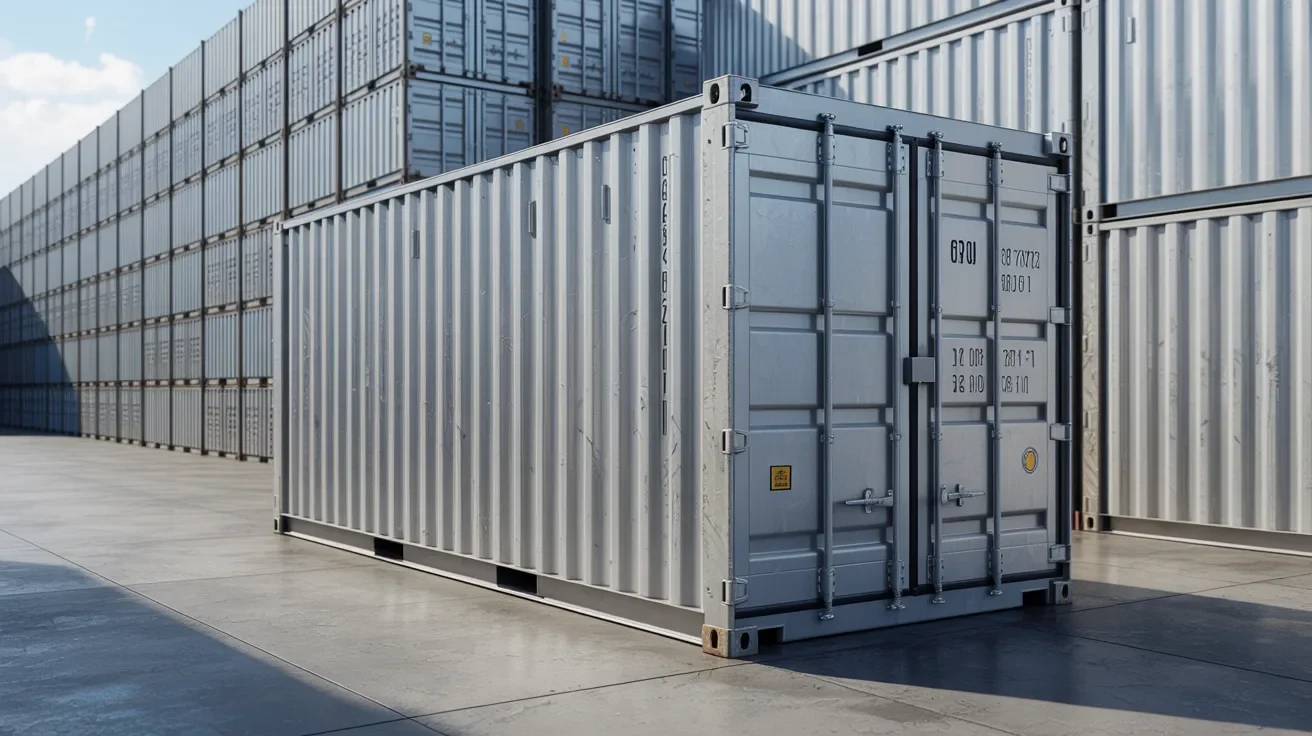
The most widely used type. Steel walls, a sealed interior, and double doors at one end. These protect against rain, wind, and basic weather. Good for most everyday storage needs.
Refrigerated (Reefer) Containers
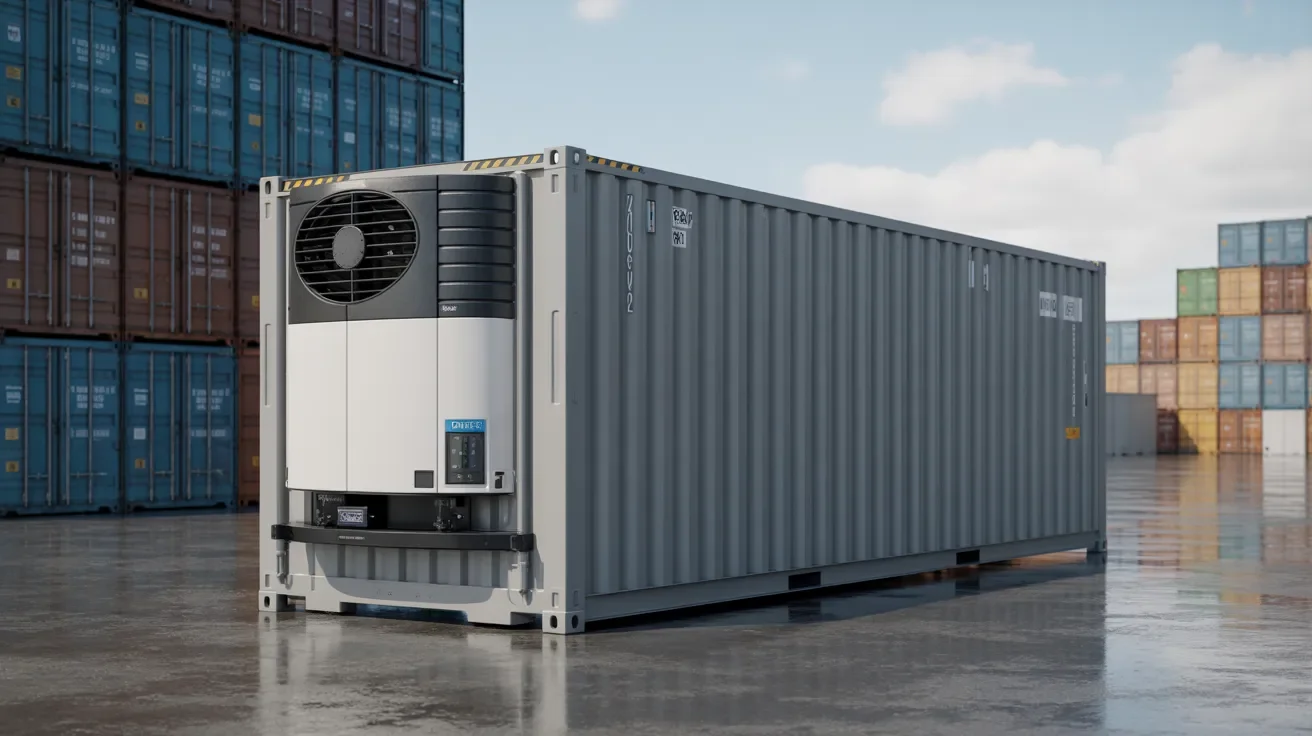
These have built-in cooling systems. Used for food, medicine, or anything that needs temperature control. They cost more to run but are the only real option for perishables.
Open-Top and Flat-Rack Containers

Open-top containers have no roof or a removable one. Useful when loading tall items by crane. Flat-rack containers have no sides or roof. These are for oversized cargo like machinery or lumber.
Specialty and Modified Containers

Some containers are cut, welded, or fitted with shelving, windows, or extra doors. These are common for pop-up shops, offices, or custom storage setups.
How to Choose the Right Storage Container for Your Needs
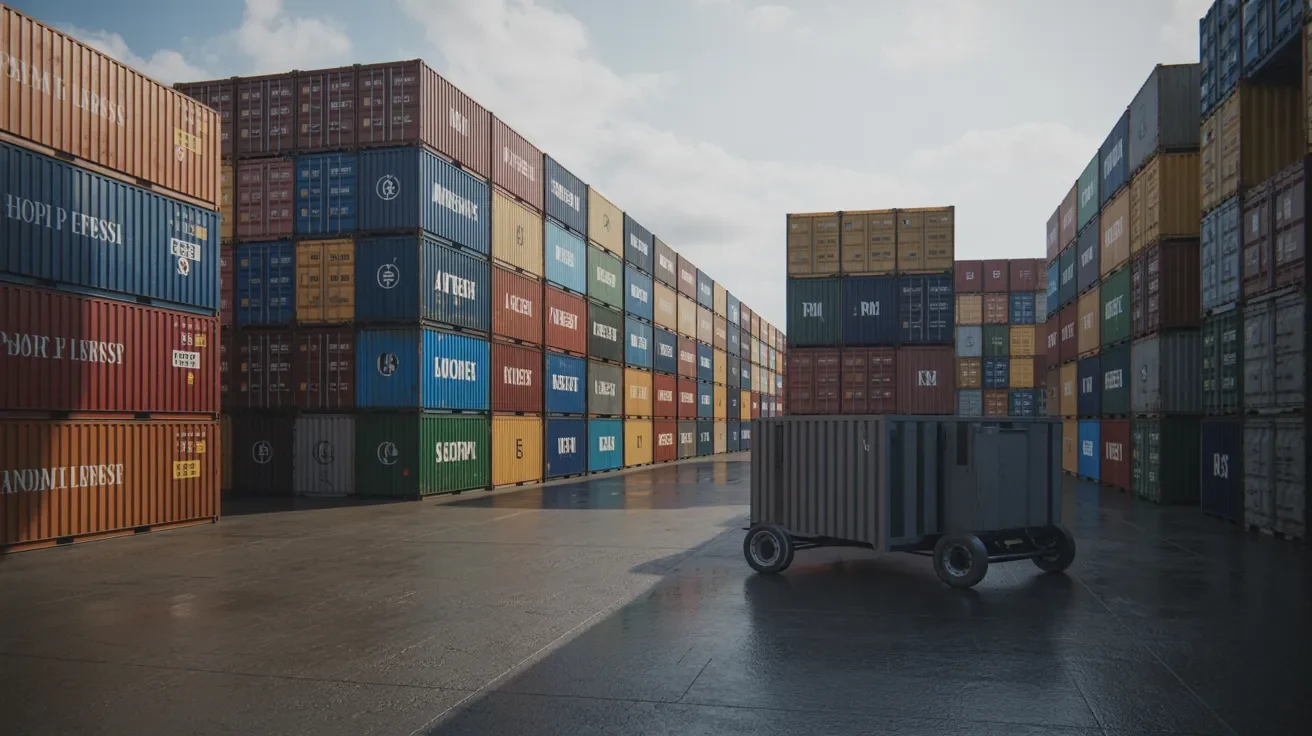
Matching your container to your actual needs saves you from renting twice.
Evaluate What You're Storing
Start with a list. Heavy tools need a strong steel floor. Sensitive items need a dry, sealed space. Perishables need refrigeration. Don't guess list it out first.
Measure Your Available Space
Know where the container will sit before you order. Measure the length, width, and overhead clearance. Delivery trucks need room to maneuver too.
Think About Access Frequency
Will you get in daily or just once in a while? If you access it often, door placement and interior layout matter a lot. A container you can walk into easily saves frustration.
Go Slightly Bigger Than You Think
Almost every person who rents a container wishes they'd gone one size up. Things take more space when packed in real life than on paper. A little extra room is always worth it.
Portable Storage vs Traditional Storage Options

Each option works well in specific situations knowing the difference helps you spend smarter.
| Feature | Portable Storage | Traditional Storage |
| How it works | Container is delivered to your location; pack at your own pace; picked up later | You transport items to a storage facility yourself |
| Convenience | High no travel needed, flexible scheduling | Moderate – requires trips to and from facility |
| Best for | Moving, renovations, on-site storage | Long-term storage with minimal access |
| Access frequency | Easy access when kept on-site | Limited by facility hours and travel |
| Cost efficiency | Often cheaper for moving and short-term use | Better for long-term storage needs |
| Flexibility | Can be moved to a new location | Fixed location only |
| Climate control | Limited options | Widely available and consistent |
| Use case summary | Ideal for moves and temporary storage | Ideal for stable, long-term storage |
Key Features to Look for Before Choosing a Container

A few smart checks before signing a contract can save you from big problems later.
Material and Durability
Most containers are made from Corten steel, a weathering steel that resists rust. Plastic containers exist but don't hold up as well for heavy outdoor use.
Steel is almost always the better pick for long-term storage.
Weatherproofing
Check the seals around doors. Look for any visible rust, holes, or gaps. A good container keeps water out completely. Even a small gap can ruin stored items over time.
Security Features
Look for a lockbox or shrouded lock bar. This covers the padlock and makes it much harder to cut. Some containers also support alarm systems or GPS tracking.
Door Design
Most containers have two swing doors at one end. Some have side doors or roll-up doors. Pick based on how you plan to load and access your items.
Practical Tips to Choose the Right Storage Container
Small decisions made early can make a big difference in how well your container works for you.
- Make a full storage inventory before anything else lists every item, group by size and fragility.
- Use that list to figure out the right container size and type without guessing.
- Measure your placement space twice and confirm the delivery truck can fit.
- Check that your driveway, yard, or lot can handle both the truck and the container.
- Compare rental and purchase costs renting suits short-term needs, buying saves money after a year or two.
- Match your plan to your timeline, a three-month move and a five-year storage need are very different decisions.
Conclusion
Picking the right storage container doesn't have to be hard. I hope this guide made it feel a lot simpler. Start with your list, match your size and type to what you're actually storing, and don't forget to think ahead.
From my own experience, going slightly bigger always pays off. You've got everything you need to make a smart choice now.
Got questions or a storage situation that's stumping you? Drop a comment below. I'd love to help. Share this post if it helped you too.
Frequently Asked Questions
What size storage container is right for a home move?
A 20-foot container works for most two-to-three bedroom homes. For larger homes, a 40-foot container is a safer pick.
Can I keep a storage container on my property long-term?
Yes, but check local zoning laws first. Some areas have rules about container placement, especially in residential neighborhoods.
Is it better to rent or buy a storage container?
Renting makes sense for short-term use. If you need one for more than a year, buying often costs less in the long run.
How do I keep moisture out of a storage container?
Use desiccant packs inside, make sure door seals are tight, and avoid storing wet items. Good airflow also helps reduce moisture buildup.
Are storage containers safe from theft?
Steel containers are hard to break into, especially with a quality padlock and lockbox. Adding an alarm or camera makes them even more secure.