

I've been through a move where the new place wasn't ready on time. Boxes everywhere, no clear plan. That's when I realized how important storage options really are.
In this article, I'll walk you through exactly how long moving companies store your stuff, what affects the timeline, and what to expect with costs and access.
You'll get clear, honest answers without any fluff. We have helped many people understand their storage options, and this guide will help you too.
How Long Will Moving Companies Store Your Stuff? (Quick Answer)

Most moving companies offer flexible storage that fits both short and long-term needs. By default, most store your belongings for 30 to 90 days.
Short-term storage runs from a few days to a few weeks, while long-term storage can stretch to over 12 months.
A few key factors decide the timeline. The type of move you are making, company policies, warehouse availability, and your own move-in schedule all play a role in how long your stuff stays in storage.
Short-Term Storage Options (Days to Weeks)

Short-term storage works well when you need a quick gap covered between moves.
When Short-Term Storage Is Used
Short-term storage comes in handy in many common situations.
You may need it when there is a gap between your move-out and move-in dates.
Lease delays or home closing pushbacks are very common reasons.
Some people also use it for temporary relocations when they are between places.
Typical Duration for Short-Term Storage
Short-term storage usually lasts between 1 and 30 days.
This window gives you enough time to sort out delays without rushing.
Features of Short-Term Storage
Short-term options often come bundled with moving packages, so there may be no extra cost upfront.
Access to your items during this time may be limited.
It is a cost-effective solution for transitions that don't last long.
Long-Term Storage Options (Months to Years)
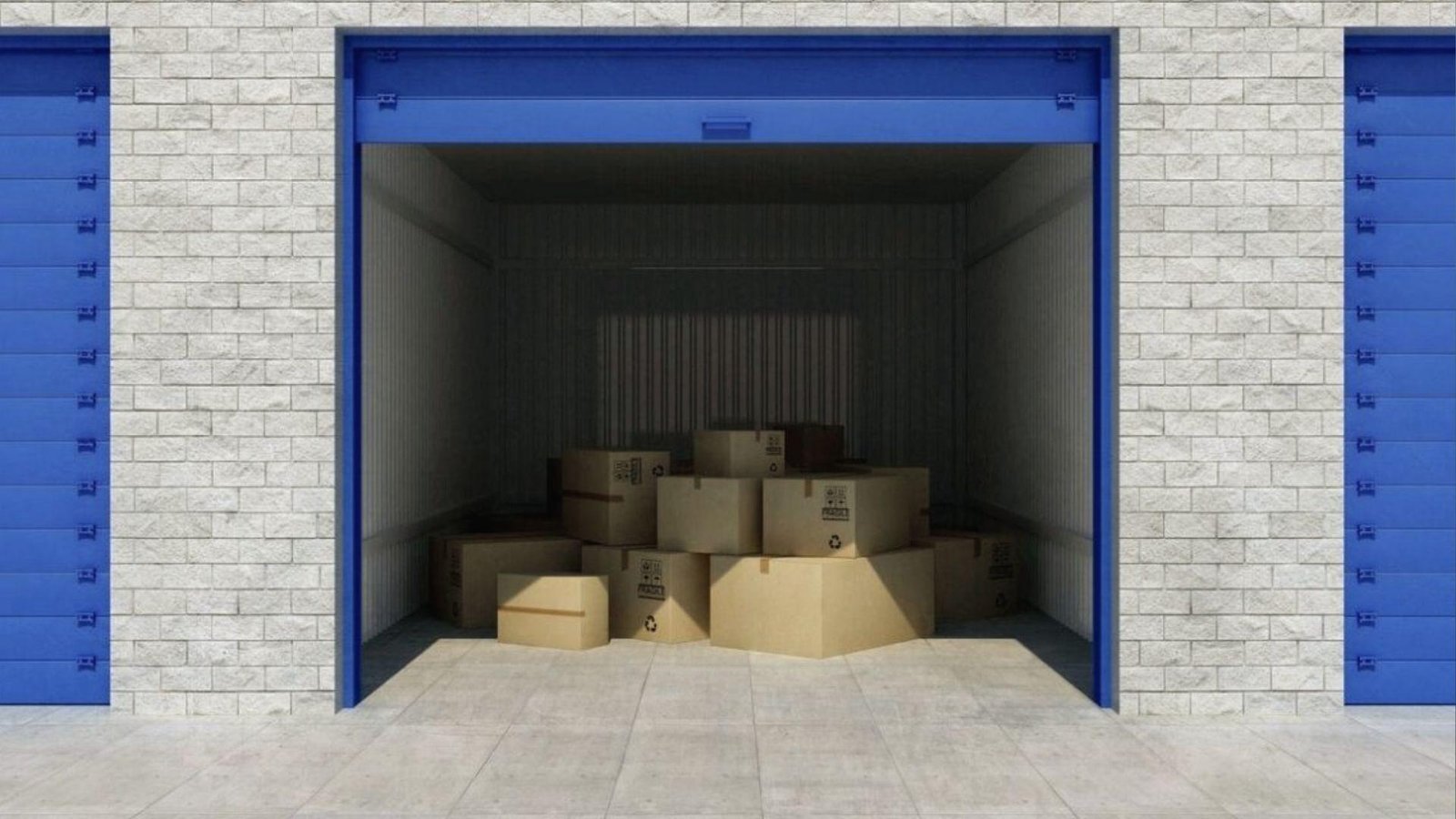
Long-term storage gives you more time and flexibility when life doesn't go as planned.
How Long Will Moving Companies Store Your Stuff Long-Term?
Long-term storage through a moving company typically runs from 3 to 12 months.
Some companies offer extended contracts that go well beyond one year.
You can often renew your agreement month by month if needed.
When Long-Term Storage Is Needed
Long-term storage is a good fit in several situations.
Downsizing takes time, and you may need a place to keep items while you figure things out.
International or cross-country moves often come with longer waiting periods.
Home renovations or extended travel can also push your timeline further out.
Features of Long-Term Storage
Most long-term plans use a monthly billing structure, so you only pay for the time you need.
Many facilities offer climate-controlled storage to protect sensitive items like wood furniture or electronics.
High-security warehouse facilities are standard, with cameras and controlled access at most locations.
What Affects How Long Moving Companies Can Store Your Stuff?

Several practical factors control how long your belongings can stay in storage.
Type of Move (Local vs Long-Distance)
Local moves tend to need shorter storage windows since everything stays close by.
Long-distance moves often include storage-in-transit, which can add days or weeks to the timeline.
Company Storage Policies
Most companies set a standard limit of 30 to 90 days.
After that, you can usually request an extension or renewal, though policies vary by company.
Always read the fine print before signing anything.
Storage Space and Seasonal Demand
Summer is the peak moving season, and warehouse space fills up fast.
During busy periods, companies may have limited availability for longer storage commitments.
Customer Flexibility and Delays
Life doesn't always go according to plan. Delayed move-in dates or last-minute schedule changes can affect how long you need storage.
Most companies can work with you, but it helps to communicate early.
Storage Options Offered by Moving Companies

Moving companies offer more than one type of storage, so you can pick what suits you best.
Warehouse Storage Services
This is the most common option. Your belongings are stored in a professionally managed, secure facility.
The moving company handles everything, and you don't have to deal with the storage unit yourself.
Self-Storage Options
Some moving companies can connect you with self-storage units where you rent your own space.
You get more control and independent access, but you manage the rental agreement separately.
Portable Storage Containers
Portable containers are dropped off at your home for you to load at your own pace.
Once packed, they can be stored at a facility or transported directly to your new address.
How Much Does Moving Company Storage Cost?

Storage costs vary based on time, space, and the type of facility you choose.
Key Pricing Factors
How long you store your items is the biggest cost factor.
The volume of your belongings also matters since larger loads take up more space.
Climate-controlled units cost more than standard ones due to the added equipment involved.
Additional Fees to Expect
Watch out for extra charges that can catch you off guard:
Pickup and delivery fees may apply at the start and end of storage.
Monthly fees add up if storage runs longer than planned.
Some facilities charge access or handling fees if you need to retrieve items mid-storage.
Can You Access Your Belongings While in Storage?

Knowing your access rights before storage begins can save you a lot of stress later.
Access Rules and Scheduling
Most moving company storage facilities require you to book an appointment to access your items.
Facility hours are often limited, so don't expect 24/7 access like a typical self-storage unit.
Restrictions You Should Know
Some items may require advance notice before retrieval, especially in stacked or containerized storage.
There may also be a small fee for access or handling, so ask about this upfront.
Moving Company Storage vs Self-Storage

Both options have real value, but they work differently depending on your needs.
Key Differences
Moving company storage is managed for you. You drop off, they handle the rest.
Self-storage gives you full control. You load, access, and manage everything yourself.
One is about convenience, the other is about flexibility.
Which Option Is Better?
Moving company storage works best when you want easier logistics with less hands-on work.
Self-storage is better if you need frequent access or want full control over your space.
Think about how often you'll need your items before choosing.
Tips for Choosing the Right Storage Duration
A few smart steps can help you avoid overpaying or running out of time.
- Match your storage period with your actual moving schedule, not your ideal one
- Compare at least two or three moving companies before committing
- Check that the facility has proper security, climate control, and insurance coverage
- Confirm access policies before signing so there are no surprises later
- Ask about extension options in case your timeline changes
Conclusion
When I first looked into storage during a move, I had no idea how many options were out there.
Most moving companies store your stuff for 30 to 90 days by default, but short-term and long-term options give you real flexibility.
Your final choice depends on your move type, timeline, and budget. Take time to compare companies and ask the right questions.
If this helped you, leave a comment below or share it with someone who is planning a move. You've got this.
Frequently Asked Questions
How long will moving companies store your stuff on average?
Most moving companies store belongings for 30 to 90 days as a standard option. Long-term plans can go up to 12 months or more depending on the company and your needs.
Can movers store belongings for more than a year?
Yes, some moving companies offer extended contracts that go beyond 12 months. These are usually set up as monthly agreements that you can renew as needed.
Is storage included in moving services?
Short-term storage is sometimes included in full-service moving packages. Long-term storage is almost always a separate cost, so ask your mover for a clear breakdown before you book.
What happens if storage time exceeds the limit?
If you go over the agreed period, most companies will charge extra fees or ask you to sign a new contract. Some may move your belongings to a different area of the facility.
Is my stuff safe in moving company storage?
Yes, most professional movers use secure, monitored warehouse facilities. Look for features like CCTV, climate control, and liability insurance to make sure your items are well protected.