
If you've ever dealt with shipping and felt confused by the word "commodity," you're not alone.
I remember my first time looking at a freight document and wondering what exactly this term meant and why it kept showing up everywhere.
Commodity meaning in shipping is something every shipper, buyer, or logistics professional needs to understand.
In this blog, I'll walk you through what a commodity is, how it differs from cargo, how commodities move, and what affects shipping costs.
With years of experience in freight and logistics, I'll keep it simple and practical.
What Does Commodity Mean in Shipping?
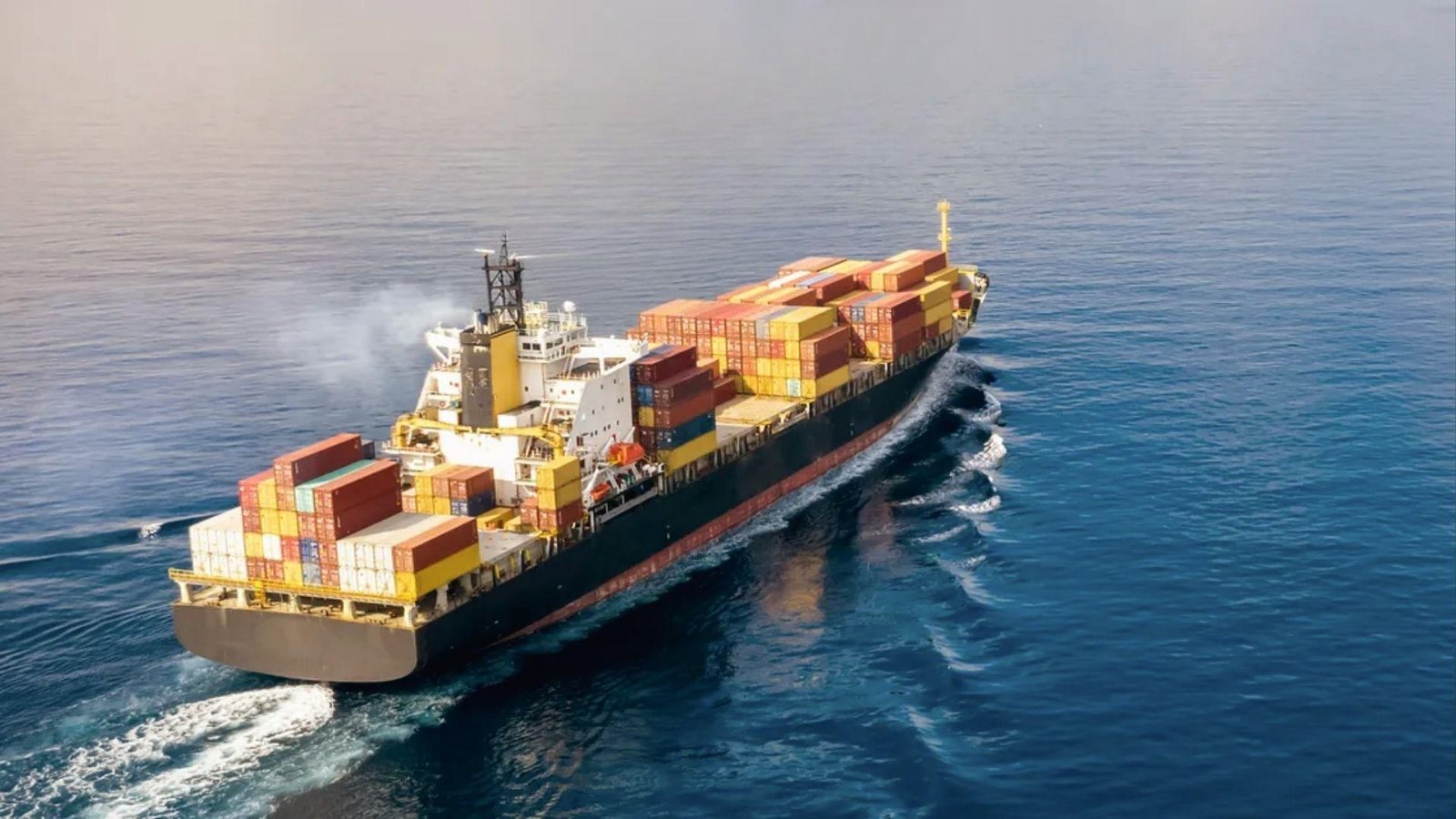
Some of the most commonly shipped commodities include crude oil and petroleum products, iron ore and steel, grain and soybeans, coal and natural gas, lumber and timber, and cotton and textiles.
Each of these has specific handling, storage, and transport requirements. The way you move grain is very different from how you ship crude oil or steel.
Knowing what commodity you are dealing with helps you plan the right method, avoid damage, and meet all regulatory requirements from the point of origin to the final destination.
Types of Commodities in Shipping
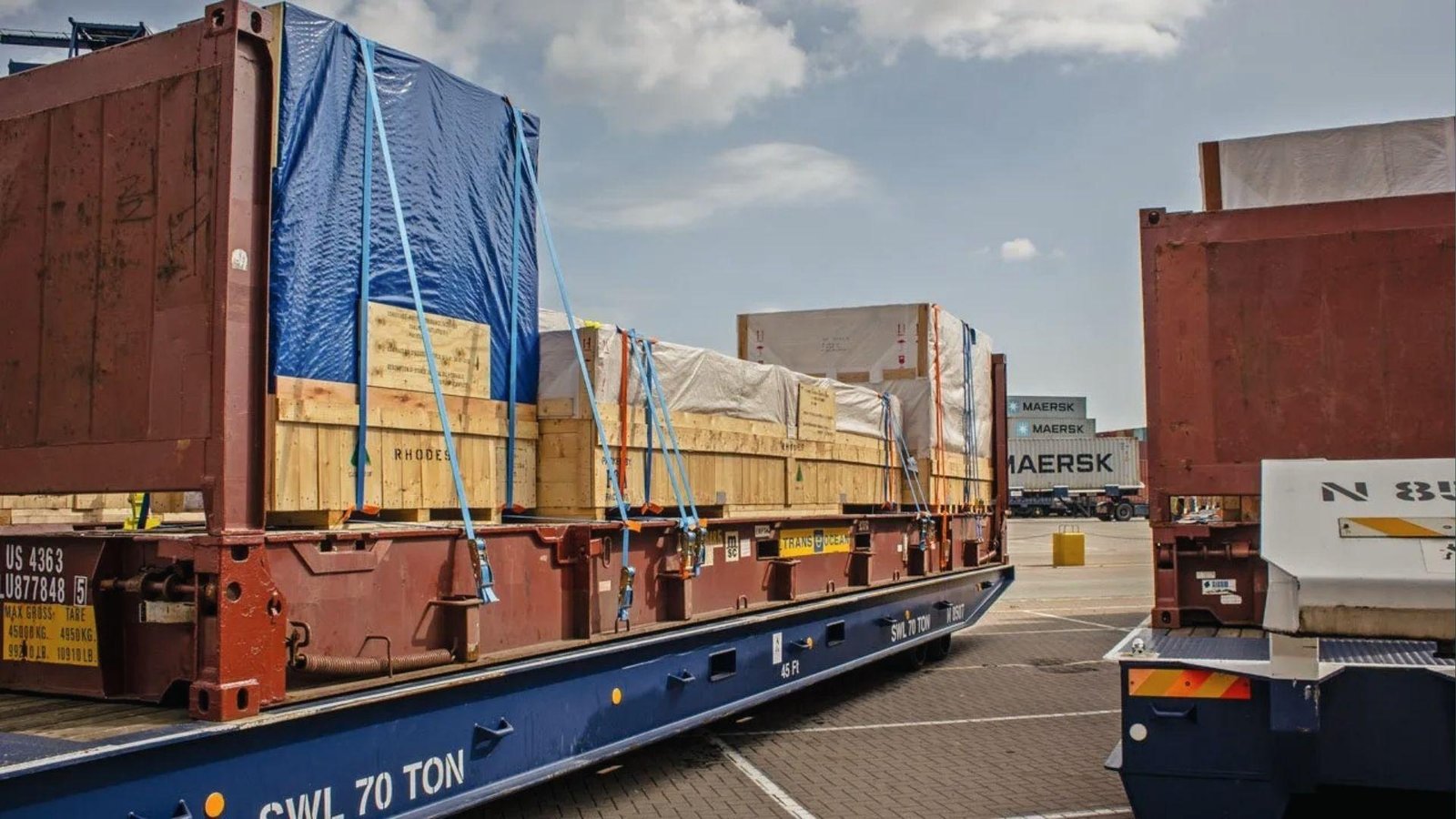
Not all commodities are the same. Each type requires different handling, equipment, and documentation.
Agricultural Commodities
Agricultural commodities include crops, grains, seeds, and food products. These are time-sensitive and often require temperature control. Corn, rice, sugar, and coffee are common examples.
These goods are often shipped in bulk carriers or refrigerated containers to preserve quality.
Energy and Fuel Commodities
Energy commodities include crude oil, natural gas, coal, and refined petroleum. These require specialized tankers or pipelines. Strict safety regulations apply during transport.
These are some of the highest-volume commodities in global shipping.
Metal and Industrial Commodities
This category includes iron ore, copper, aluminum, and steel. These are heavy goods that often move in bulk carriers or flatbed trucks.
Industrial commodities support construction, manufacturing, and infrastructure development worldwide.
Hazardous and Specialized Commodities
Some commodities are classified as dangerous goods. Chemicals, explosives, and radioactive materials fall into this group.
Shipping these requires special permits, packaging, and trained handlers. Regulations from bodies like IATA and IMO must be followed strictly.
How Commodities Move Through the Shipping Process
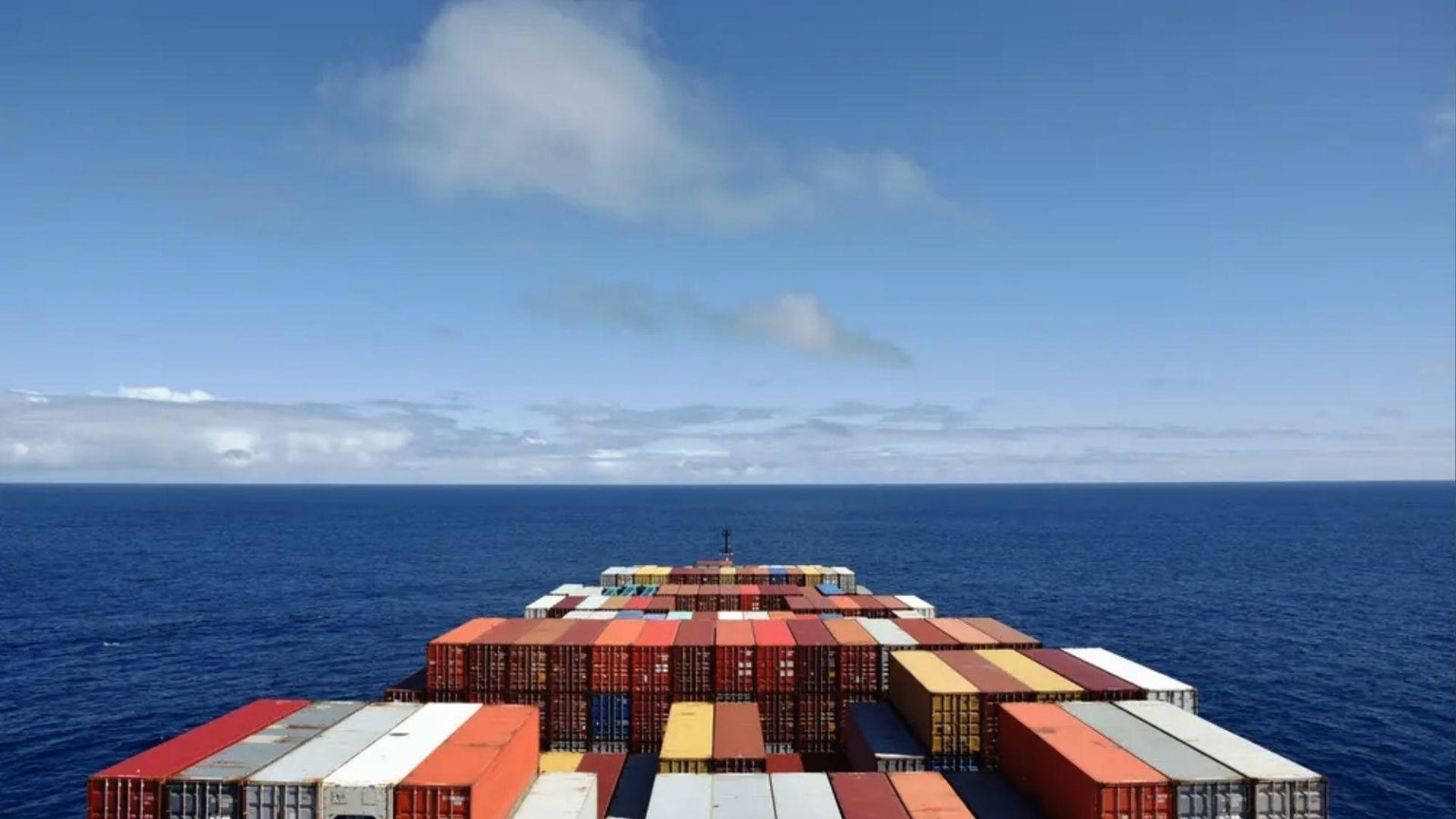
The path a commodity takes from origin to destination involves multiple steps and methods.
Bulk Commodity Transportation
Bulk commodities like grain, coal, or ore are loaded directly into the hold of a vessel without packaging. This method is cost-effective for large volumes.
Bulk carriers are the most common vessel type for this kind of freight.
Containerized Commodity Shipping
Some commodities are packed into standard shipping containers. This adds protection and allows for easier handling at ports.
Coffee, cotton bales, and processed foods often move this way.
Multimodal Freight Movement
Many commodity shipments use more than one mode of transport. A shipment may travel by ship, then rail, then truck before reaching its destination.
This approach is called multimodal logistics and is widely used in international trade.
Storage and Handling Requirements
Different commodities need different storage. Grains need dry silos. Chemicals need sealed tanks. Perishables need cold storage.
Choosing the wrong storage can damage the commodity and result in financial loss.
Common Shipping Methods for Commodities
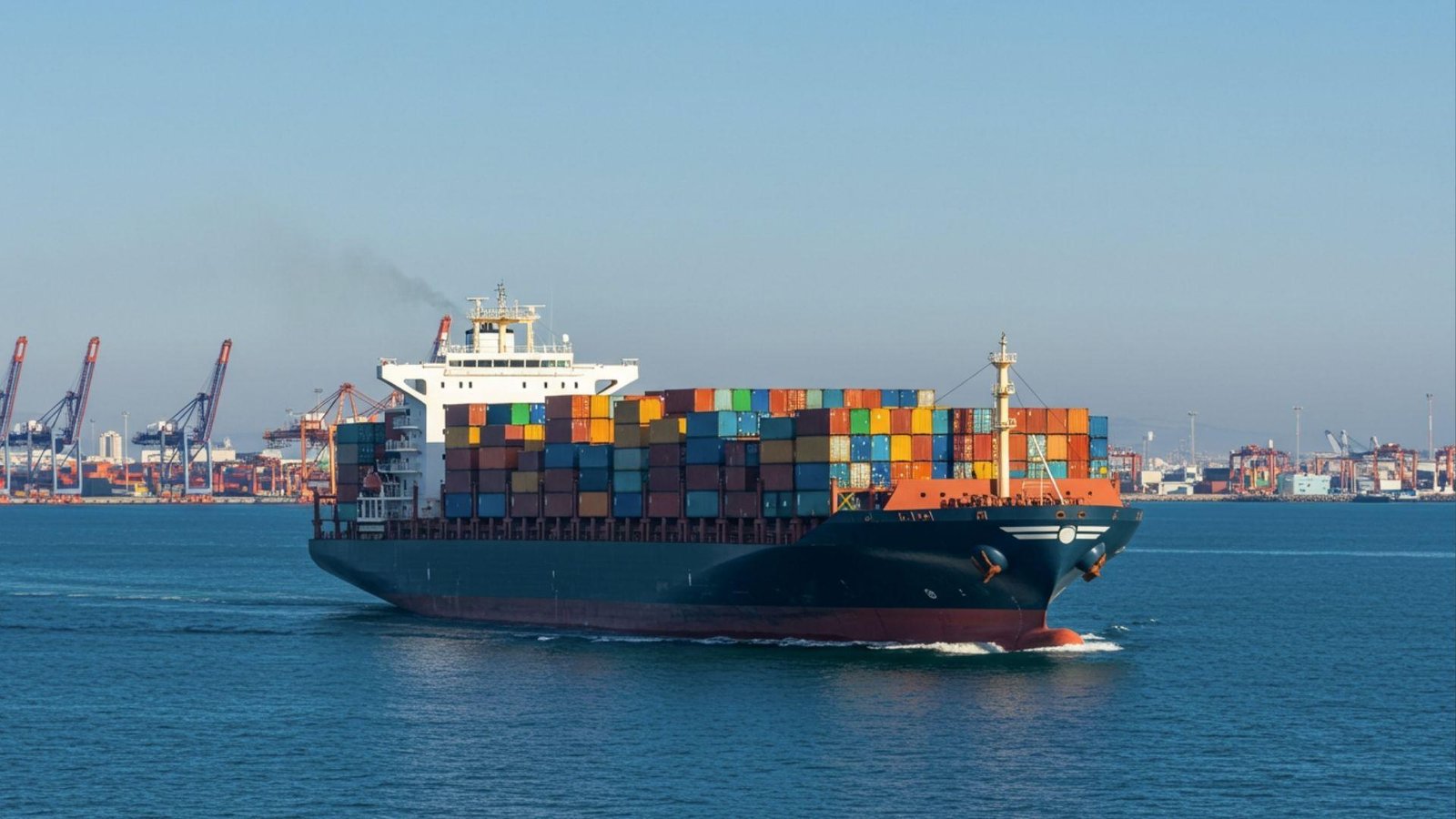
Choosing the right shipping method depends on the commodity type, volume, and destination.
Ocean Freight for Bulk Commodities
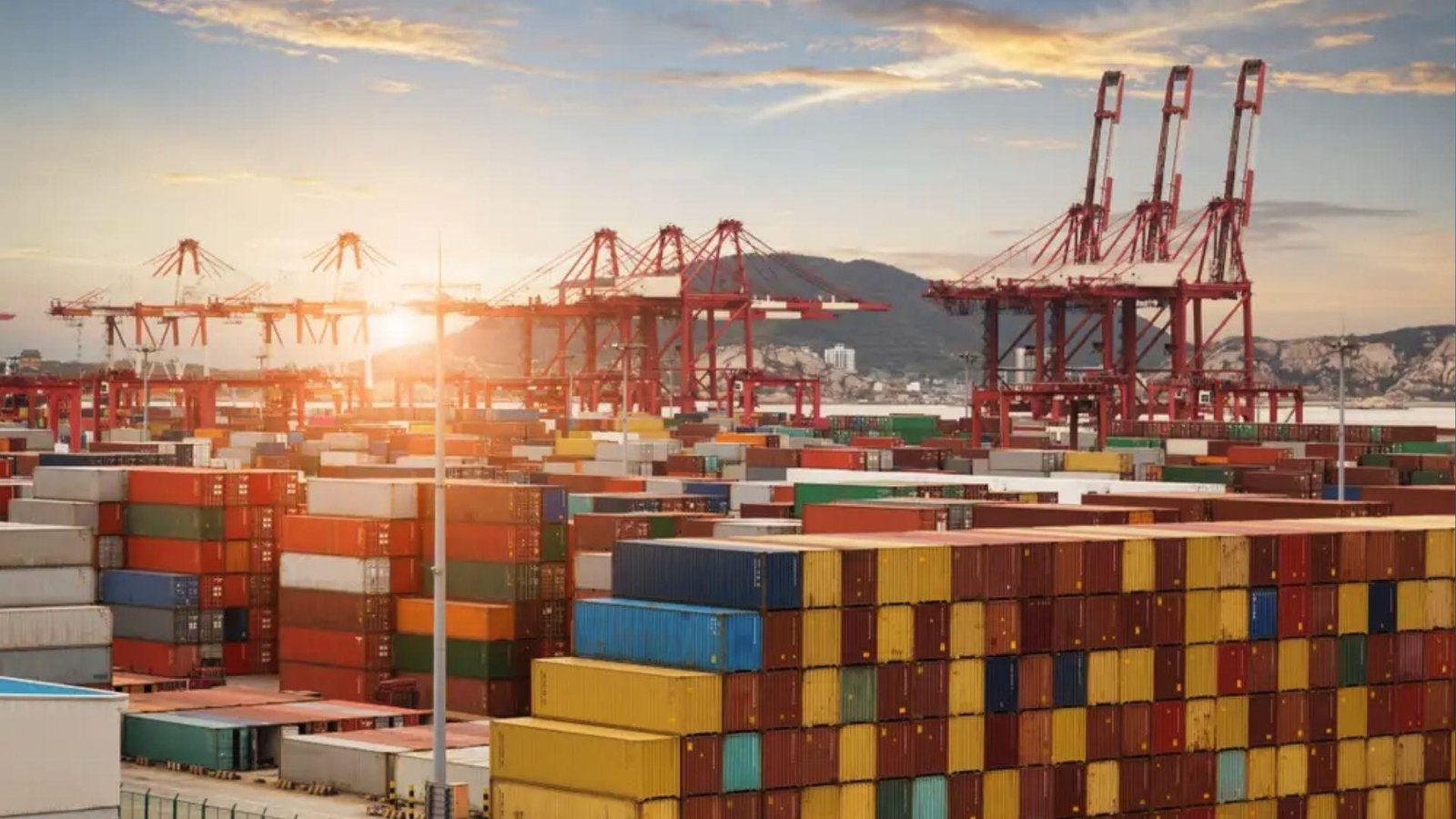
Ocean freight is the most cost-effective method for large commodity volumes. Bulk carriers, tankers, and container ships are used based on the type of commodity.
Most agricultural and energy commodities travel by sea.
Rail Transportation for Commodities
Rail is ideal for heavy or bulk goods moving over long inland distances. Coal, grain, and steel often use rail as a primary or secondary mode.
Rail freight is reliable and less affected by traffic or road conditions.
Truck Freight and Local Delivery
Trucks handle the last mile of many commodity shipments. They are flexible and can reach locations that ships and trains cannot.
For smaller volumes or domestic delivery, truck freight is the go-to option.
Barge Transportation for Bulk Goods
Barges move large quantities of commodities along rivers and inland waterways. This is a slow but very cost-effective option for goods like grains and coal.
Countries with strong river networks rely heavily on barge transportation.
Factors That Affect Commodity Shipping Costs
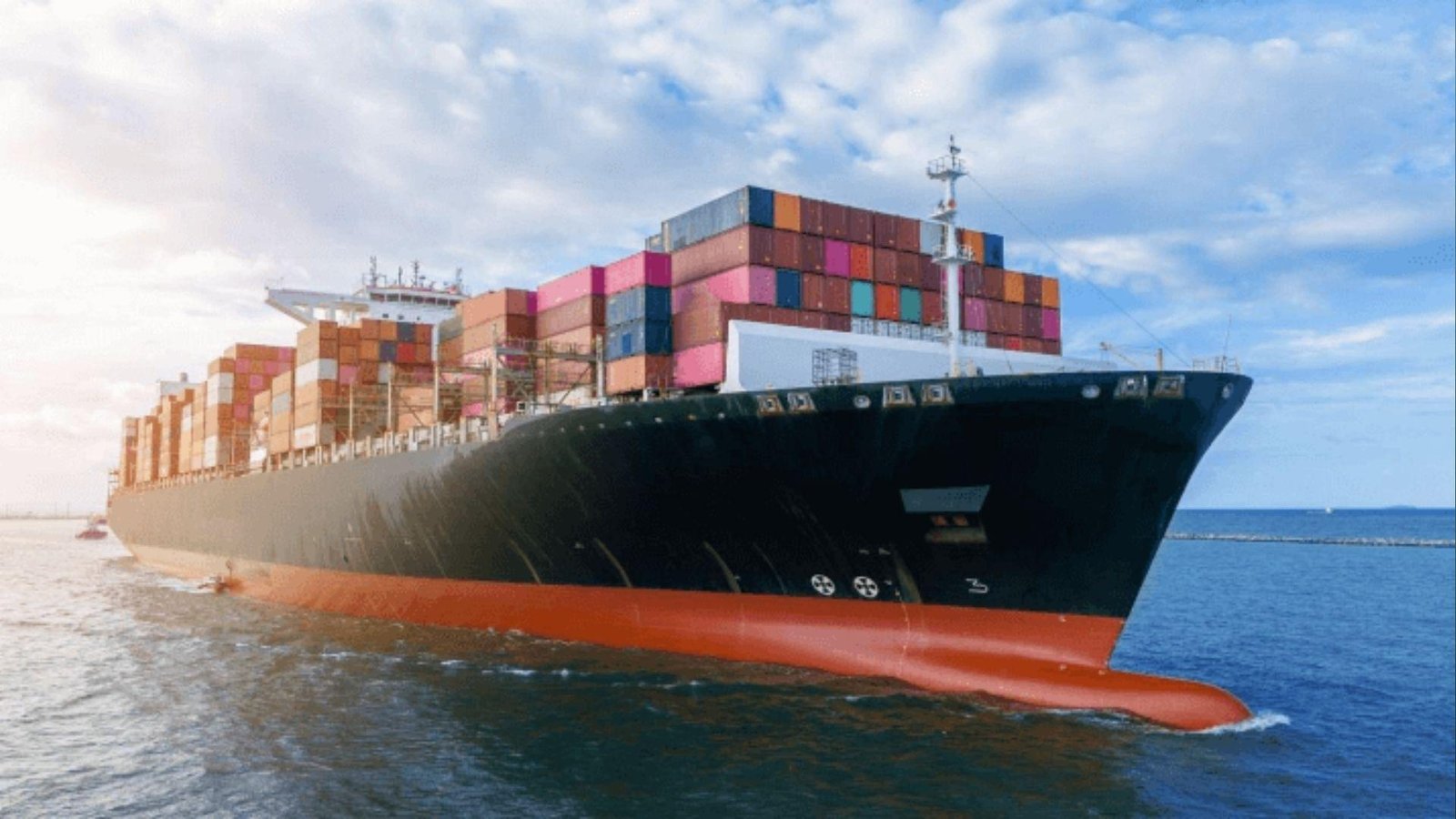
Several variables influence how much it costs to ship a commodity.
Weight, Volume, and Freight Class
Heavier and bulkier shipments cost more. Freight class is assigned based on density, stowability, and handling requirements.
Knowing your freight class helps you get accurate shipping quotes.
Packaging and Handling Requirements
Some commodities need special packaging like lined bags, sealed drums, or crates. This adds to the overall shipping cost.
Improper packaging can also lead to damage claims.
Insurance and Risk Factors
High-value or hazardous commodities carry higher insurance premiums. The risk of theft, spoilage, or damage is factored into the cost.
Always insure commodities appropriately for their value and nature.
Fuel Prices and Market Conditions
Fuel surcharges directly affect shipping rates. When oil prices rise, freight costs go up too.
Market demand for certain commodities can also affect how quickly and cheaply they can be shipped.
How Incoterms Affect Commodity Shipping
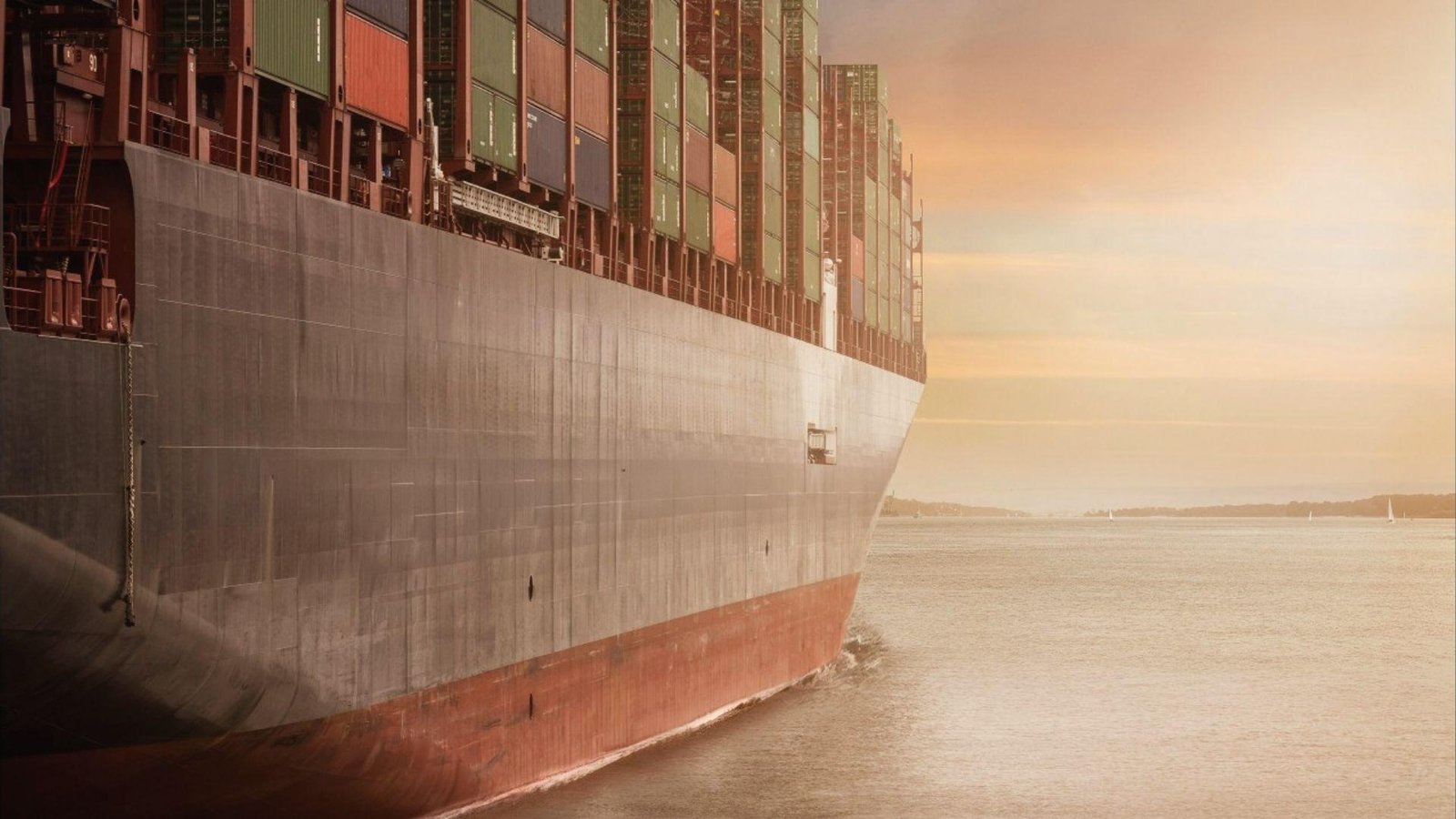
Incoterms define who is responsible for shipping costs, risks, and documentation.
What Are Incoterms in Shipping?
Incoterms are internationally recognized trade terms set by the International Chamber of Commerce. They clarify the responsibilities of buyers and sellers during a shipment.
FOB vs CIF in Commodity Shipping
FOB (Free On Board) means the seller is responsible until the goods are loaded on the vessel. After that, the buyer takes over.
CIF (Cost, Insurance, and Freight) means the seller covers the cost of freight and insurance until the goods reach the destination port.
Buyer and Seller Responsibilities
The chosen Incoterm determines who arranges transport, who pays for insurance, and who handles customs clearance.
Misunderstanding these responsibilities can cause disputes and added costs.
How Incoterms Impact Shipping Costs and Risk
The right Incoterm can protect you from unexpected costs. It sets a clear boundary for risk transfer between the buyer and seller.
Choosing the wrong term can expose you to liabilities you did not anticipate.
Challenges in Commodity Shipping
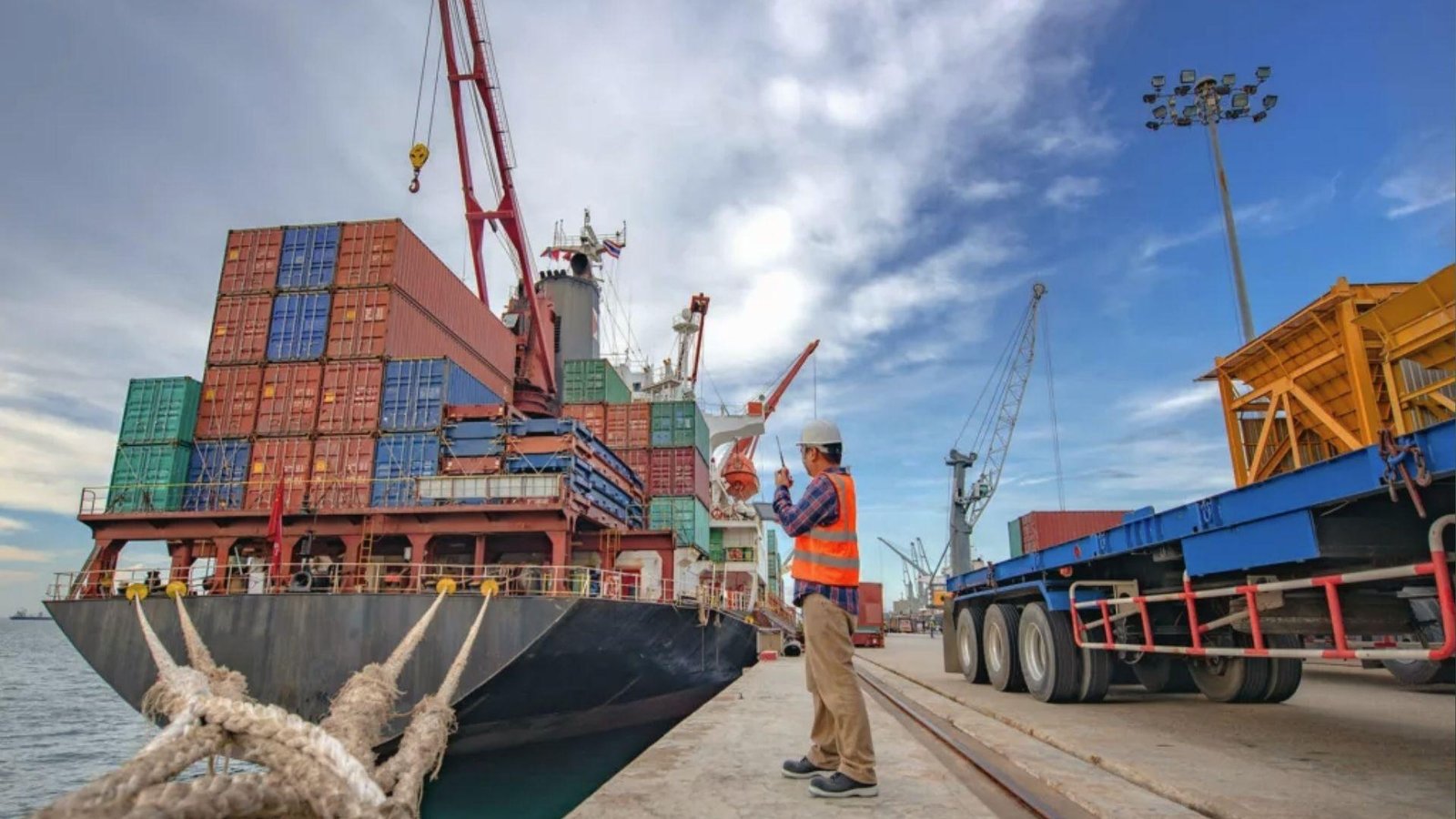
Shipping commodities is not always smooth. Knowing the common problems helps you prepare better.
Quality Control and Contamination Risks
Bulk commodities like grain or chemicals can get contaminated during loading or transit. This can make entire shipments unusable.
Regular inspections and proper handling procedures reduce this risk.
Regulatory Compliance Requirements
Every country has import and export rules. Some commodities face tariffs, bans, or strict documentation requirements.
Staying updated on regulations avoids costly delays.
Port Delays and Supply Chain Disruptions
Port congestion, labor strikes, and weather events can delay commodity shipments. These delays ripple through the entire supply chain.
Having backup plans and flexible logistics partners helps manage disruptions.
Managing Temperature-Sensitive Commodities
Perishable commodities need cold chain logistics. Breakdowns in temperature control can lead to spoilage and financial loss.
Reliable refrigeration equipment and monitoring technology are critical for these shipments.
Tips for Shipping Commodities Efficiently
Smart planning can save you time, money, and stress when shipping commodities.
- Choose the right shipping method based on volume, distance, and commodity type
- Use accurate and complete documentation to avoid customs delays
- Work with freight providers who have experience in your commodity category
- Track commodity market trends to book shipments at favorable rates
- Compare storage and transport costs to find the most cost-effective route
Conclusion
Understanding commodity meaning in shipping has made a real difference in how I approach freight decisions. From knowing the right classification to picking the best transport method, it all connects.
When you know how commodities work in shipping, you avoid costly mistakes, plan smarter, and build stronger supply chains.
If you found this guide helpful, drop a comment below and share your experience with someone figuring out freight for the first time.
The more we understand how commodities move, the better decisions we make. Start applying what you have learned today.
Frequently Asked Questions
What Is the Meaning of Commodity in Shipping?
A commodity in shipping is a raw or primary commodity transported in bulk for commercial purposes. Examples include oil, grain, steel, and cotton.
Are Commodity and Cargo the Same Thing?
No. Cargo includes all types of goods being shipped. A commodity is a specific type of cargo, usually a raw or basic material traded in large volumes.
Can Commodities Be Shipped in Containers?
Yes. Many commodities like coffee, cotton, and processed food are shipped in standard containers. Others, like coal or crude oil, require specialized vessels.
What Are the Most Common Shipping Commodities?
The most commonly shipped commodities include crude oil, iron ore, coal, grain, natural gas, and lumber. These support key industries worldwide.
How Are Commodity Shipping Rates Calculated?
Rates depend on weight, volume, freight class, distance, fuel costs, and handling requirements. Insurance and market conditions also play a role in final pricing.