
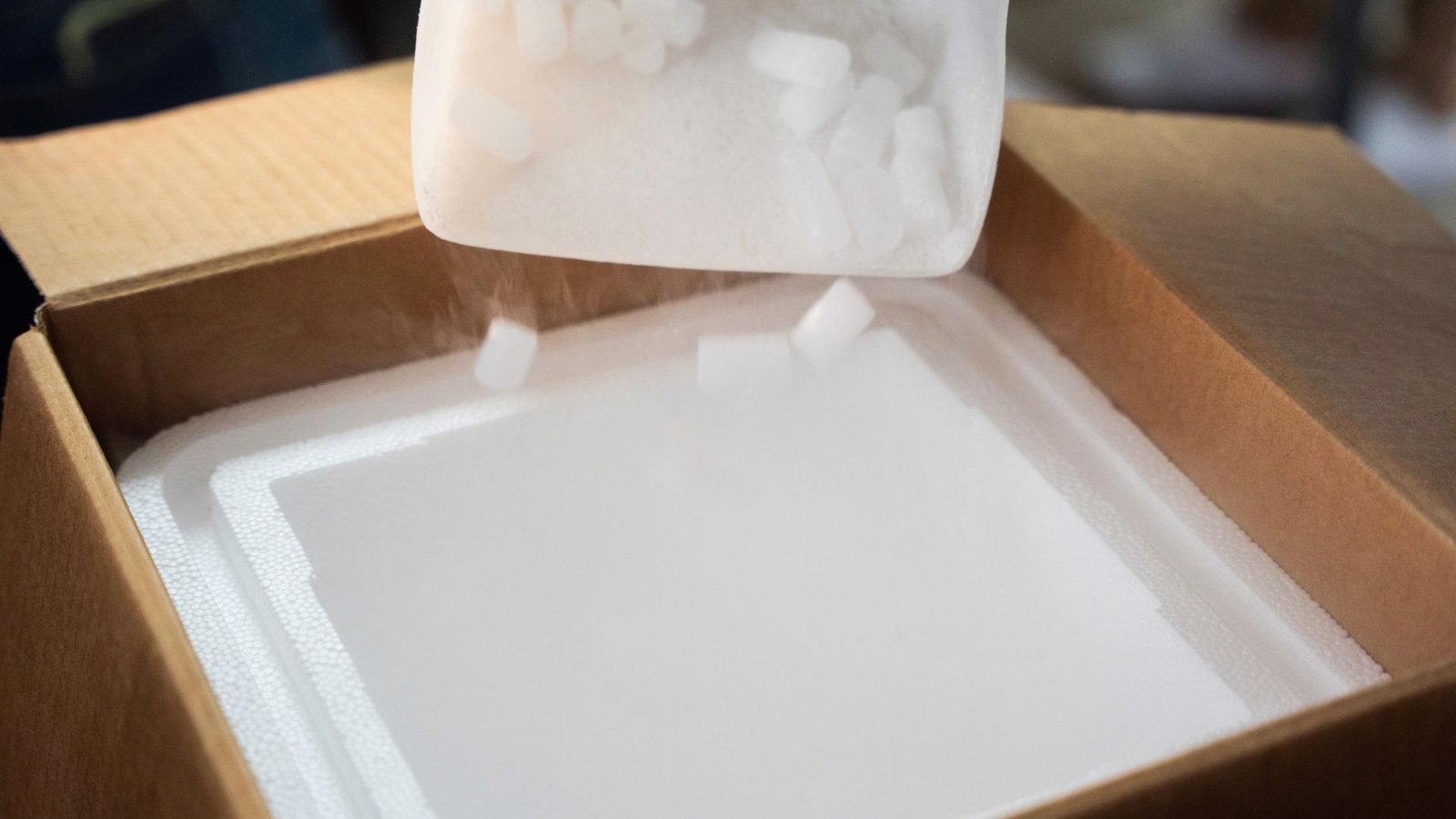
Shipping something frozen is stressful. You pack it carefully, but then you wonder: will the dry ice hold? Will it last long enough? I have asked myself the same questions.
This article covers how long dry ice lasts when shipping, how much you need, and the best ways to make it last longer. Whether you are shipping food, meat, or medical items, you will find clear answers here.
We have helped countless shippers get this right. Let this guide do the same for you.
What Is Dry Ice and Why Is It Used for Shipping?
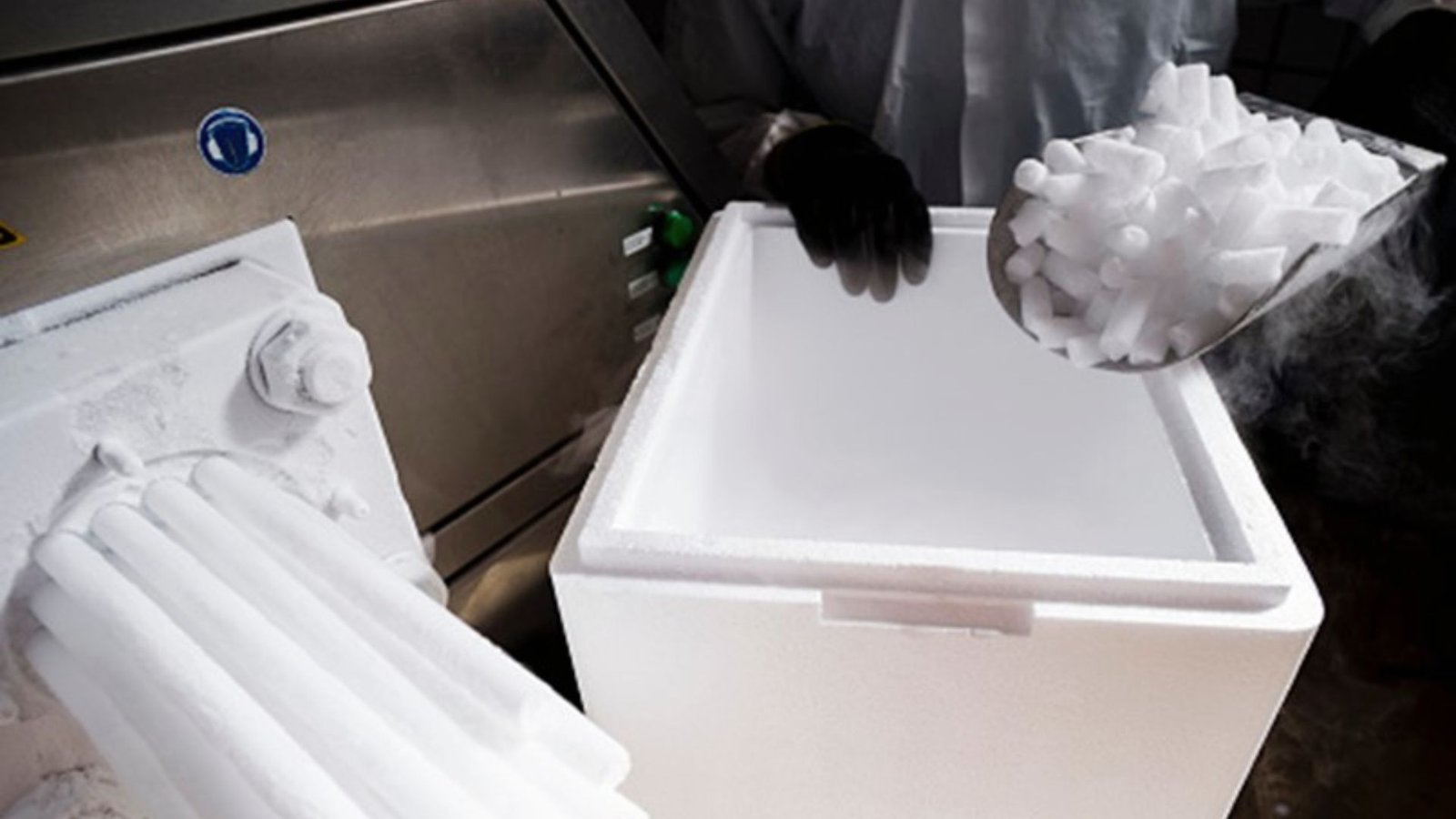
Dry ice is frozen carbon dioxide with a surface temperature of around -109.3 degrees Fahrenheit.
Unlike regular ice, it does not melt into water. Instead, it turns directly into gas through a process called sublimation.
This makes it perfect for shipping because there is no liquid mess and the cold stays consistent throughout transit.
It is widely used for frozen food, seafood, meat, medical supplies, and pharmaceutical products. When regular ice simply cannot keep things cold enough, dry ice is the reliable option shippers trust.
How Long Does Dry Ice Last When Shipping?

It depends on quantity, packaging, and transit time. Here is a clear breakdown to help you plan.
Average Dry Ice Lifespan During Shipping
On average, dry ice lasts between 18 to 36 hours in a standard insulated shipping box. A well-insulated box with the right amount can stretch that to 48 to 72 hours.
A poorly packed box may lose all its dry ice in under 12 hours.
How Long 5, 10, 20, and 40 Pounds of Dry Ice Last
Here is a simple breakdown for a standard insulated box. 5 pounds lasts around 12 to 18 hours. 10 pounds lasts 18 to 24 hours. 20 pounds lasts 24 to 36 hours.
40 pounds can last 48 to 60 hours. These are estimates and can vary based on packaging and temperature.
Expected Dry Ice Duration for 24, 48, and 72 Hour Shipments
For 24 hours, use 5 to 10 pounds. For 48 hours, plan for 10 to 20 pounds. For 72 hours, use 20 to 30 pounds or more. Always pack a little extra to cover unexpected delays.
Factors That Affect How Long Dry Ice Lasts During Shipping

Not all shipments are the same. These are the key factors that decide how long your dry ice will hold up.
Type and Quality of Packaging
Thick foam coolers and insulated boxes slow down sublimation significantly. Thin cardboard with no lining causes dry ice to disappear much faster. Always use packaging built for cold shipping.
Outside Temperature and Weather Conditions
Hot weather speeds up how fast dry ice sublimates during transit. A package sitting in summer heat will lose dry ice much quicker than one in cooler conditions.
Add extra dry ice when shipping in warm months.
Package Size and Empty Space Inside the Box
Large boxes with too much empty air space make dry ice work harder than it needs to. Fill any gaps with packing paper, foam, or crumpled newsprint.
Less air inside means longer-lasting cold.
Shipping Distance and Transit Time
Longer transit times mean more dry ice is needed to keep things frozen. A cross-country shipment is very different from a local delivery.
Always calculate transit time carefully and add extra for potential delays.
How Much Dry Ice Do You Need for Shipping?

Too little dry ice and your shipment is at risk. Use these simple guidelines to get the amount just right.
Dry Ice Recommendations by Box Size
Small boxes up to 12 x 12 x 12 inches need 5 to 10 pounds. Medium boxes up to 18 x 18 x 18 inches need 10 to 20 pounds. Large boxes over that size need 20 to 40 pounds.
Bigger boxes hold more air, so they always need more dry ice.
Dry Ice Amounts for Overnight Shipping
For overnight delivery under 24 hours, 5 to 10 pounds in an insulated box is usually enough. In hot weather, bump that up to 10 to 15 pounds to be safe.
Always choose an insulated box over plain cardboard for overnight shipments.
Dry Ice Amounts for Long-Distance Shipping
For 48-hour shipments, plan for 20 to 30 pounds. For 72-hour deliveries, use 30 to 40 pounds. When transit time is uncertain, always choose more dry ice rather than less.
Best Ways to Make Dry Ice Last Longer During Shipping

Small packing choices make a big difference. Here are the most effective ways to extend your dry ice life.
Use Thick Insulated Shipping Boxes
Insulated boxes and foam coolers slow down heat from getting in and keep sublimation at bay. Plain cardboard boxes simply cannot hold the cold long enough.
Always invest in proper insulated containers for cold shipments.
Fill Empty Space to Reduce Heat Exposure
Warm air inside the box is one of the biggest reasons dry ice runs out too fast. Fill all gaps with crumpled packing paper, foam peanuts, or bubble wrap.
The less empty space, the longer the cold holds.
Keep the Package Closed as Much as Possible
Opening the box lets warm air in and speeds up sublimation right away. Seal it well before it leaves your hands and avoid unnecessary checks.
Every opening shortens how long your dry ice will last.
Store Packages in a Cool Area Before Transit
Do not leave packed boxes sitting in the sun, a hot car, or a warm garage. Store them in a cool or air-conditioned space until pickup.
A cooler starting environment means more dry ice left when transit begins.
Use Mylar Bags for Extra Insulation
Mylar bags reflect heat and add another layer of protection around your items. Wrapping the dry ice or your products in Mylar slows down sublimation noticeably.
This works especially well for long-distance or warm-weather shipments.
Safety Tips for Shipping With Dry Ice
Dry ice is safe when handled correctly. Follow these key tips to protect yourself, your package, and your carrier.
- Never store dry ice in an airtight container. It needs room to vent carbon dioxide gas.
- Always wear insulated gloves. Direct skin contact can cause frostbite fast.
- Label the package with a dry ice hazard sticker and list the weight on the box.
- Check carrier rules before shipping. UPS, FedEx, and USPS all have their own guidelines.
- Never leave a dry ice package in a sealed space without ventilation. Carbon dioxide can build up quickly.
Conclusion
Shipping with dry ice does not have to be stressful. Use the right amount, pack it well, and choose proper insulated boxes.
I have shipped plenty of frozen items myself, and the one thing I learned early is that preparation saves you every time.
A little extra dry ice and a good insulated box go a long way. Have questions or tips of your own? Drop a comment below. And if this helped, share it with someone who ships frozen goods too.
Frequently Asked Questions
Can dry ice last 3 days during shipping?
Yes, dry ice can last up to 72 hours if you use 30 to 40 pounds in a thick insulated container. Good packaging and cooler transit conditions make a big difference.
Does dry ice last longer in a Styrofoam cooler?
Yes, Styrofoam coolers provide better insulation than plain cardboard and can help dry ice last 24 to 36 hours. The thicker the cooler walls, the longer the cold holds.
How much dry ice is needed for overnight shipping?
For overnight shipping under 24 hours, 5 to 10 pounds in a well-insulated box is usually enough. Add a few extra pounds if the weather is hot or delays are possible.
Can you ship dry ice through USPS, UPS, or FedEx?
Yes, but each carrier has specific rules. The package must be labeled correctly with a dry ice hazard sticker and the weight of the dry ice listed on the outside.
Is dry ice better than regular ice for shipping frozen items?
Yes, dry ice is far colder than regular ice and does not melt into water. It keeps items fully frozen during transit, making it the better choice for shipping perishables.