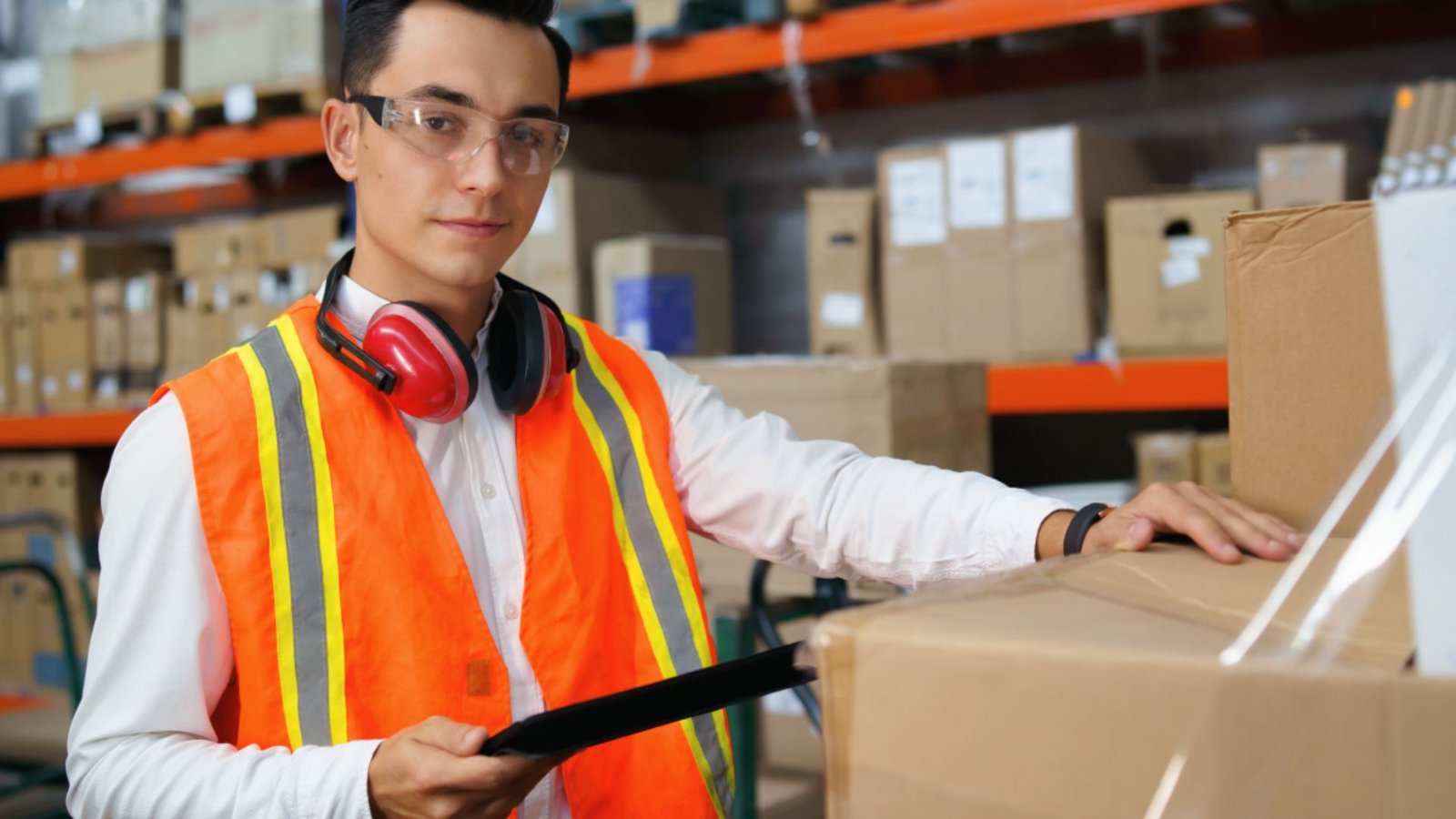
Shipping goods across borders is not always straightforward. Behind every successful import is a legally responsible party making sure everything is in order.
That party is called the Importer of Record, or IOR. In this blog, you will learn what IOR means in shipping, who qualifies for the role, what responsibilities it carries, and how the entire process works.
I have worked closely with international shipping operations, and I can tell you that understanding IOR early saves a lot of trouble later.
Who Can Be an Importer of Record?
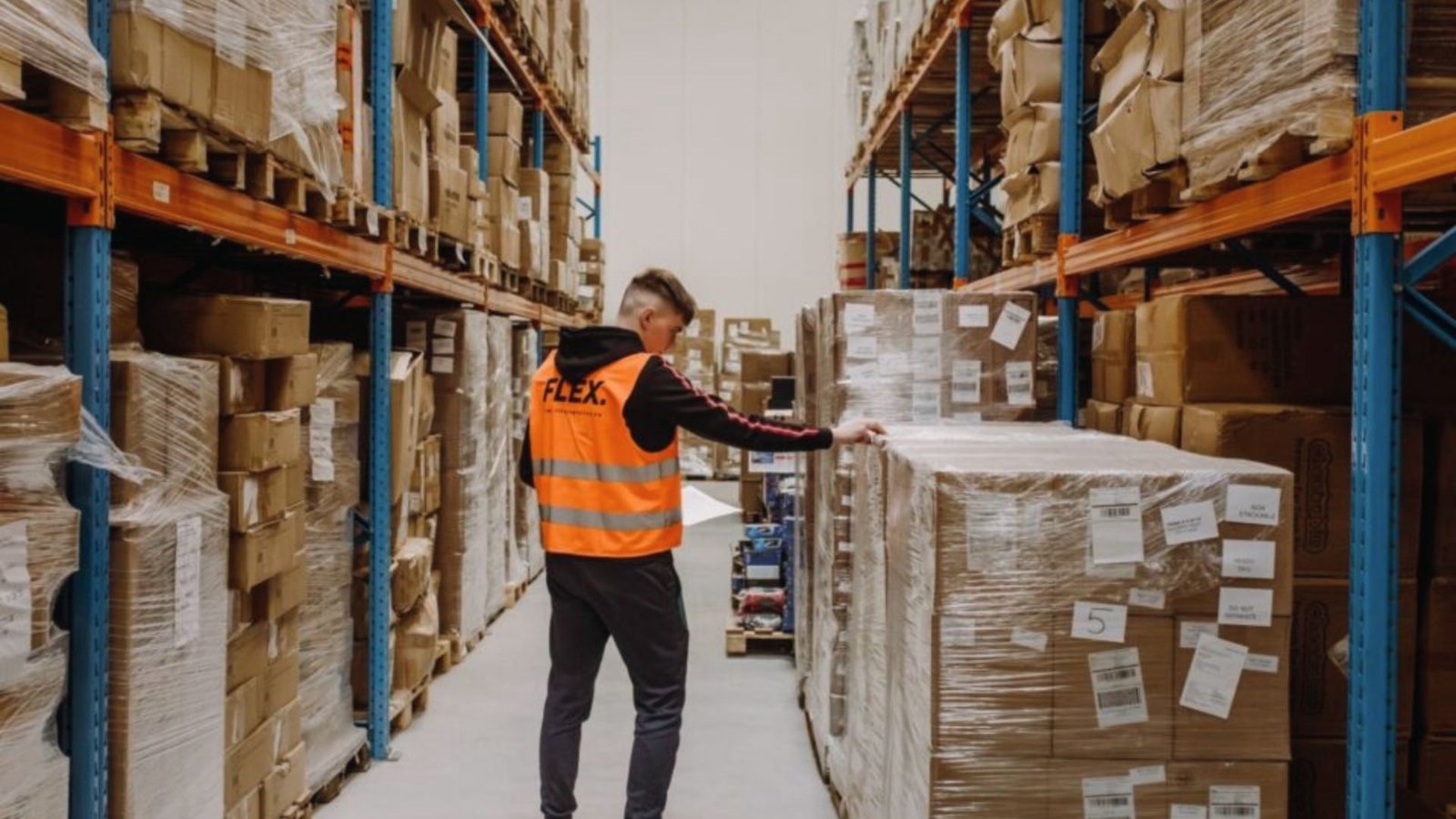
Not everyone can take on the role of Importer of Record. The party must be legally recognized in the destination country and capable of taking full responsibility for the shipment.
An individual with a valid tax ID, a registered business, or a third-party IOR service provider can all qualify.
The key requirement is that whoever takes on this role must be able to manage customs documentation, pay duties, and ensure full compliance with local import laws. Choosing the right IOR for your shipment type matters significantly.
Main Responsibilities of an Importer of Record
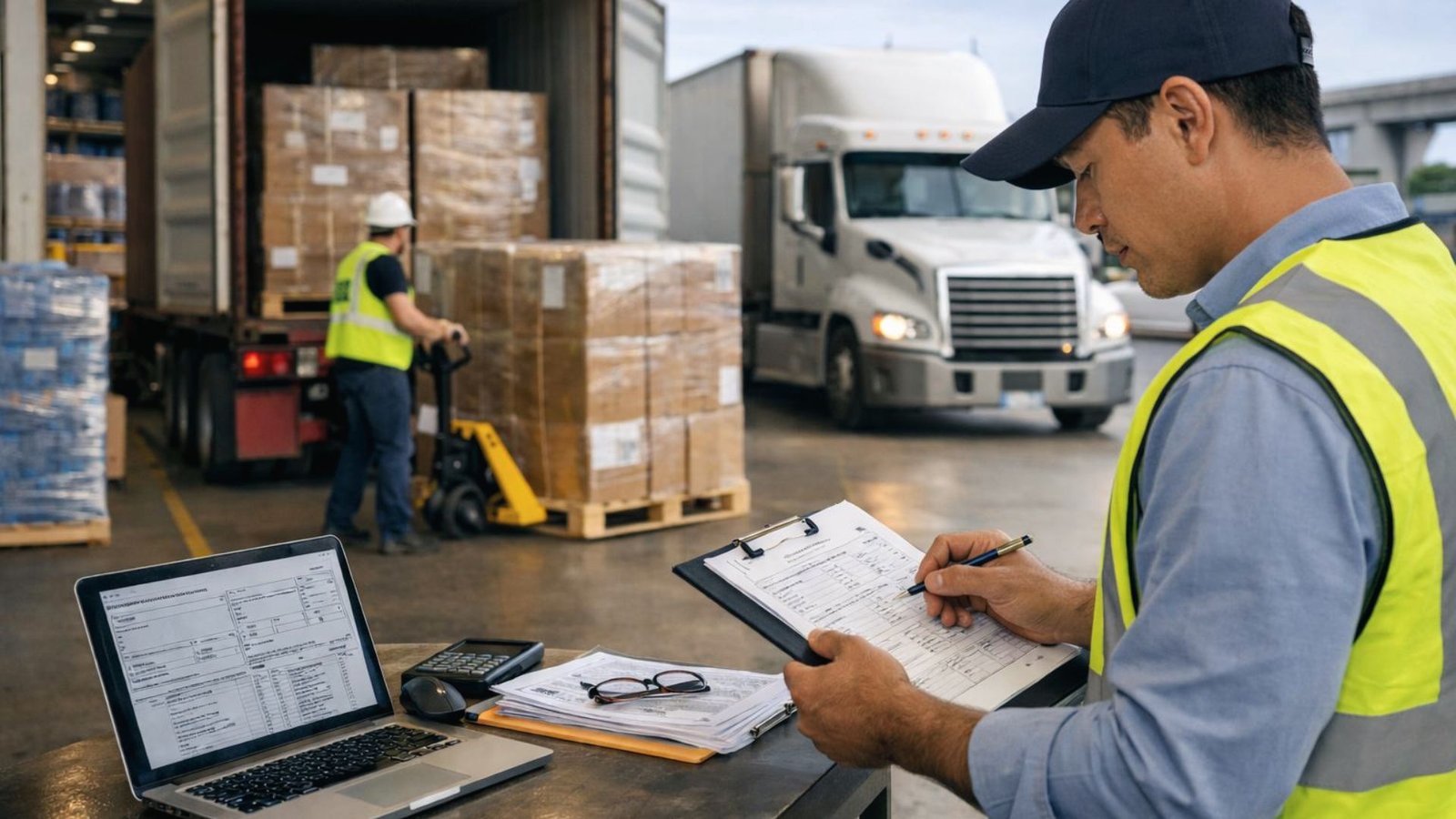
The IOR carries serious legal duties that go beyond simply receiving a package.
Managing Import Documentation
The IOR must prepare and submit all required import documents accurately. This includes the commercial invoice, packing list, and necessary permits.
Any mismatch between documents and the actual shipment can lead to customs holds or fines.
Paying Duties, Taxes, and Fees
The IOR is responsible for calculating and paying all import duties, taxes, and customs fees on time. These charges vary by country and product type.
Late or incorrect payments can result in penalties or shipment delays.
Following Customs Laws and Regulations
Every country has its own import regulations, and the IOR must stay updated on all of them. This includes checking for restricted goods or permits required before shipping.
The IOR is legally held responsible if a shipment violates any rule.
Maintaining Accurate Shipping Records
The IOR must keep detailed records of all imports, including invoices, duty receipts, and customs documents. Most countries require these records to be stored for several years.
In case of an audit, having organized records protects the IOR from legal and financial risk.
Documents Required for an IOR Shipment
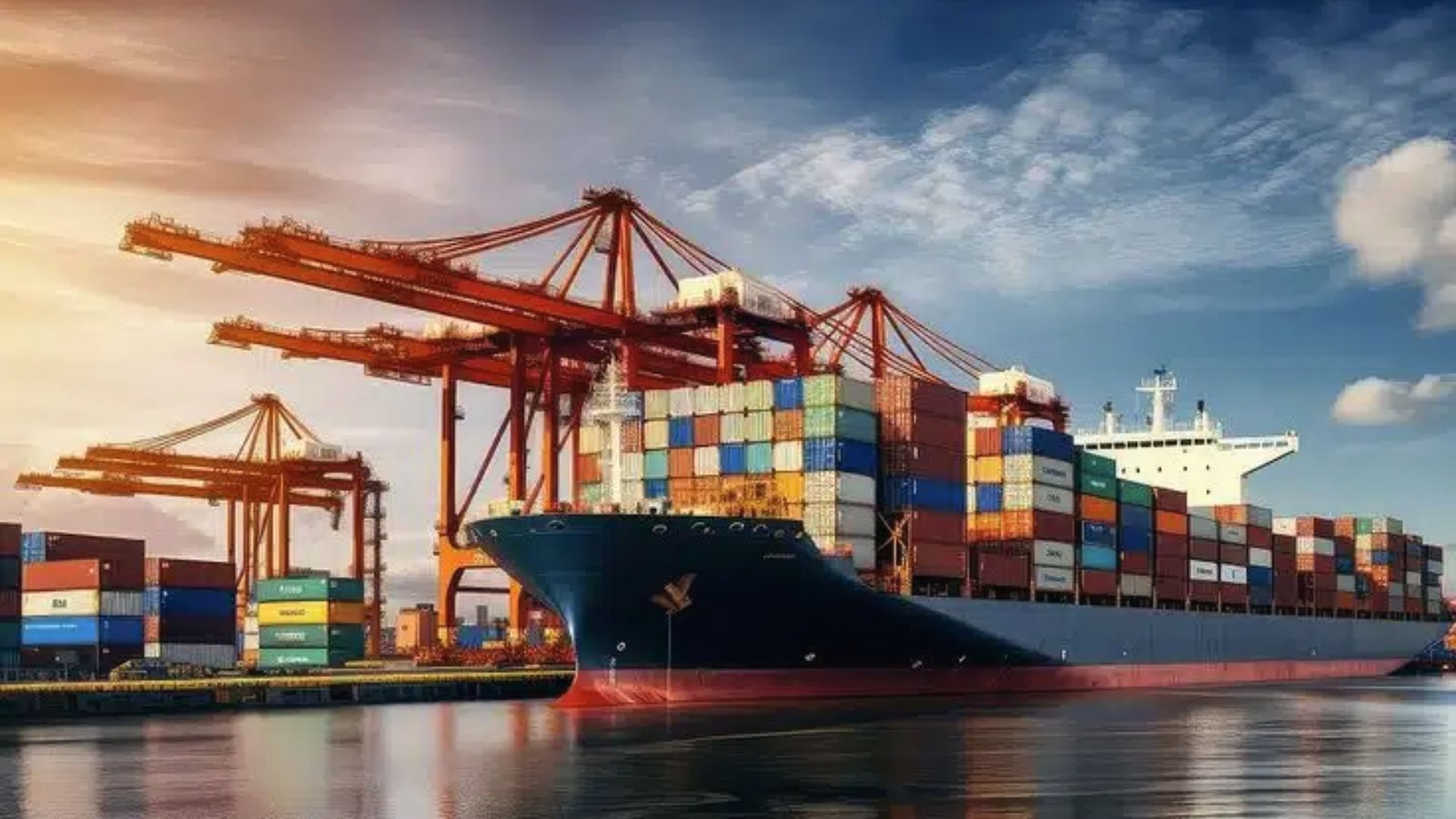
Having the right documents in place is what keeps customs clearance moving without delays.
Commercial Invoice
The commercial invoice shows the value, description, and buyer and seller details of the goods being shipped. Customs officials use it to assess duties and taxes.
Any mismatch with other shipping documents can trigger an inspection or delay.
Bill of Lading or Air Waybill
The Bill of Lading covers sea shipments, while the Air Waybill is used for air cargo. Both serve as contracts between the shipper and carrier, confirming the goods have been received.
The IOR needs this document to claim the shipment at the destination.
Import Licenses and Permits
Certain products like medical equipment, electronics, and chemicals require special import permits. The IOR must confirm what is needed before the shipment departs.
Importing without the right permits can result in goods being held or returned at the border.
Customs Entry Documents
These documents are filed with the customs authority and include details on the goods, their value, origin, and tariff codes. They officially start the customs clearance process.
The IOR is responsible for ensuring these are accurate and submitted on time.
How the IOR Process Works in Shipping
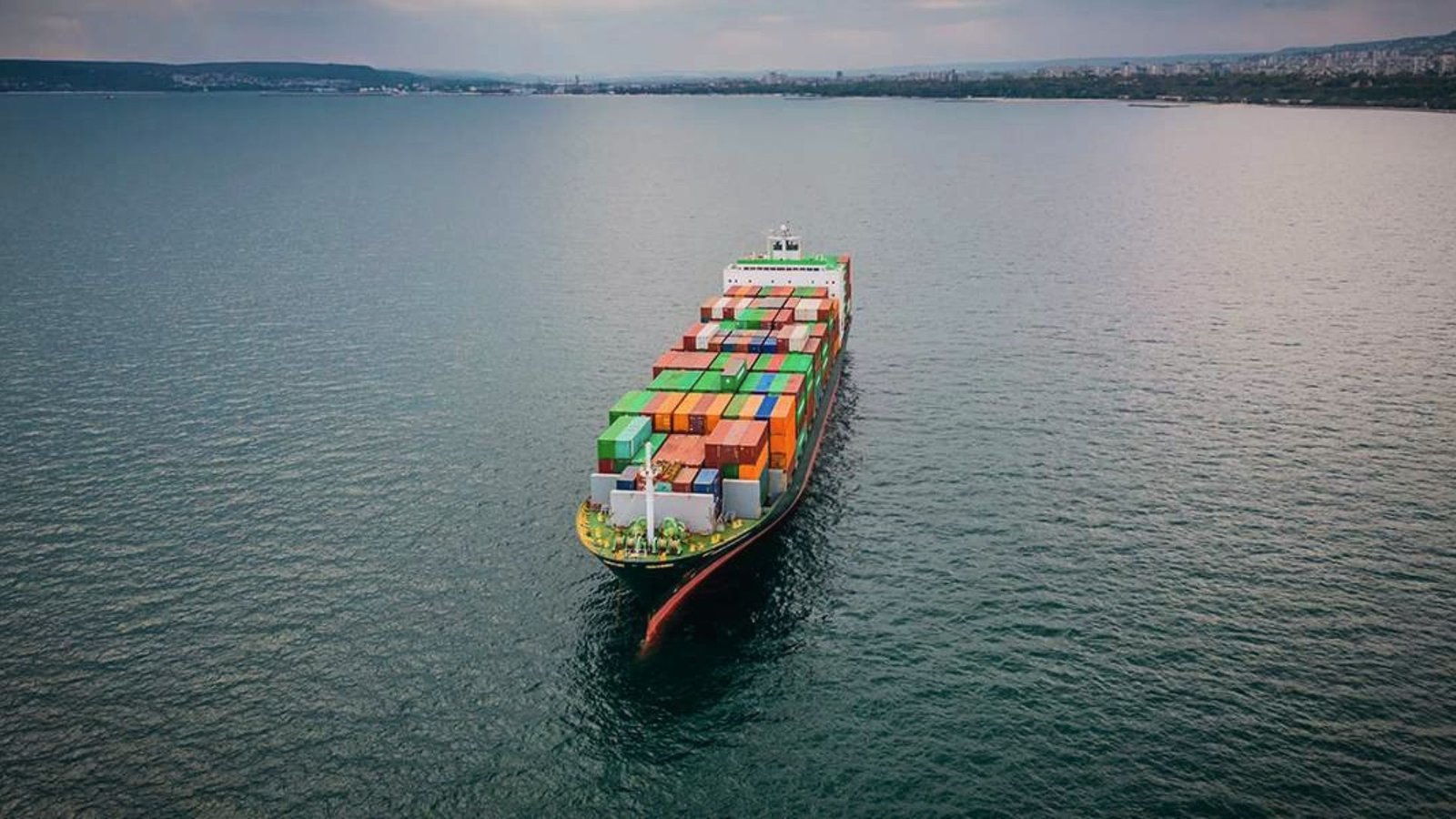
Understanding each step of the IOR process helps avoid costly mistakes during international shipping.
Preparing Shipment and Customs Documents
Before goods leave the origin country, the IOR must prepare all customs documents including the invoice, packing list, and permits.
Every detail must match the actual shipment. Getting documents ready early reduces the risk of delays at customs.
Customs Review and Clearance
Once the shipment arrives, customs officials review all submitted documents for accuracy. They check the goods description, value, and origin.
The IOR must be available to respond to queries or provide additional documents if needed.
Payment of Duties and Taxes
After document approval, the IOR must pay all duties and taxes before the goods are released. The amount is based on the product value and applicable tariff rate.
The IOR remains fully responsible for the total amount owed regardless of payment timing options.
Shipment Release and Delivery
Once payment is confirmed and all documents are verified, customs releases the shipment for delivery. The IOR receives clearance confirmation at this stage.
Legal responsibility for customs compliance is considered complete for that shipment.
Why Importer of Record Is Important in Global Shipping
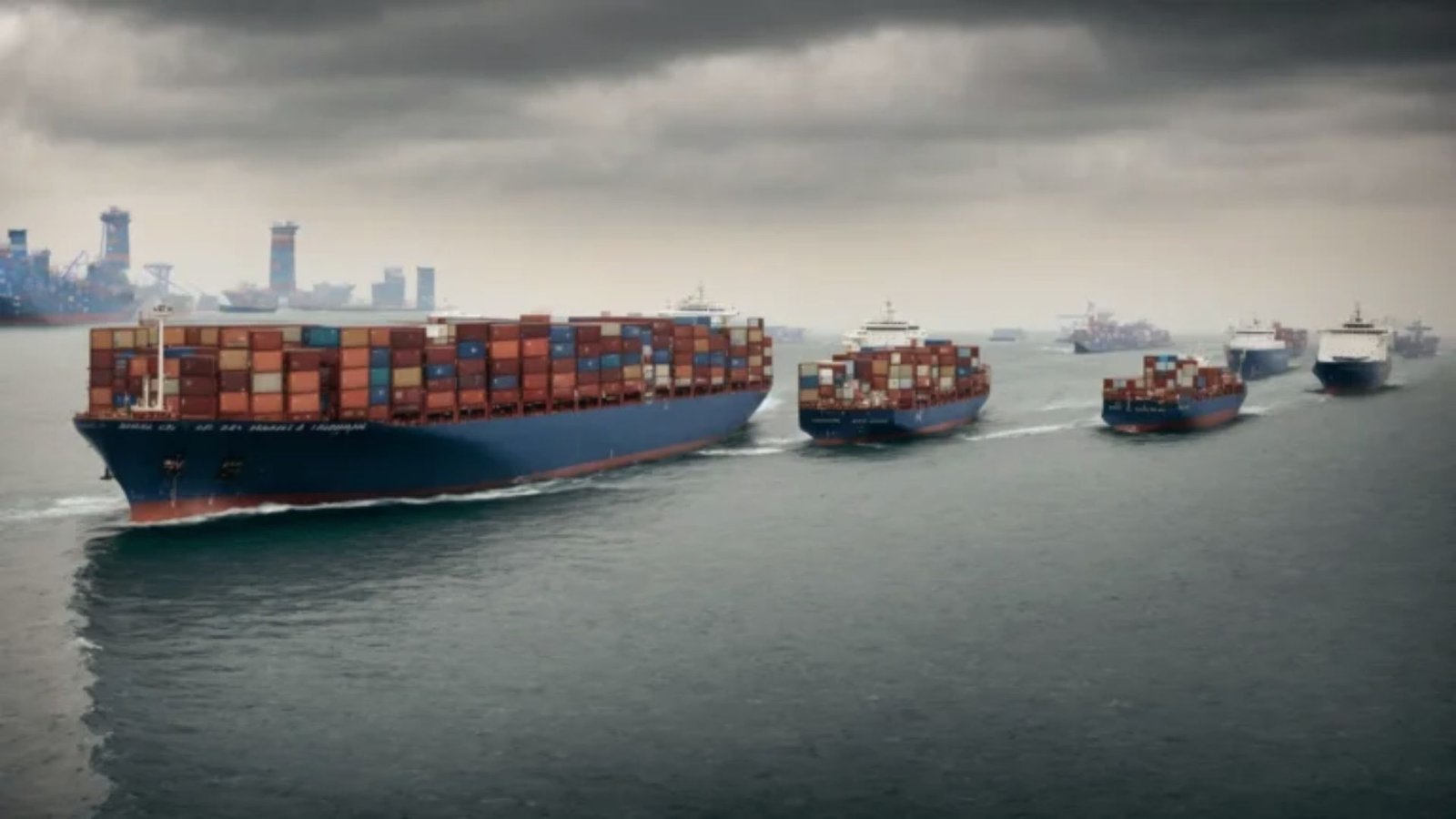
The IOR plays a key role in keeping international trade legal, organized, and on schedule.
Prevents Customs Delays
A qualified IOR ensures all paperwork is accurate and submitted on time, reducing the chances of shipments being held at the border.
This is especially important for businesses that depend on timely deliveries. Proper IOR management keeps supply chains moving without unnecessary interruptions.
Ensures Legal Compliance
The IOR is legally responsible for making sure every shipment follows the import laws of the destination country. This includes paying correct duties and having the required permits in place.
Without compliance, businesses risk fines, seizures, or being restricted from importing altogether.
Reduces Shipping Risks
Having a clearly assigned IOR means legal and financial liability is properly managed for each shipment. Other parties in the supply chain carry less risk as a result.
This is especially valuable for foreign companies entering new markets with unfamiliar customs rules.
Supports Smooth International Trade
The IOR creates accountability in the import process, helping customs authorities process shipments faster.
This reduces friction across international logistics and supports stronger trade relationships between countries. When every shipment has a responsible party, the entire system works more efficiently.
Benefits of Using an IOR Service Provider
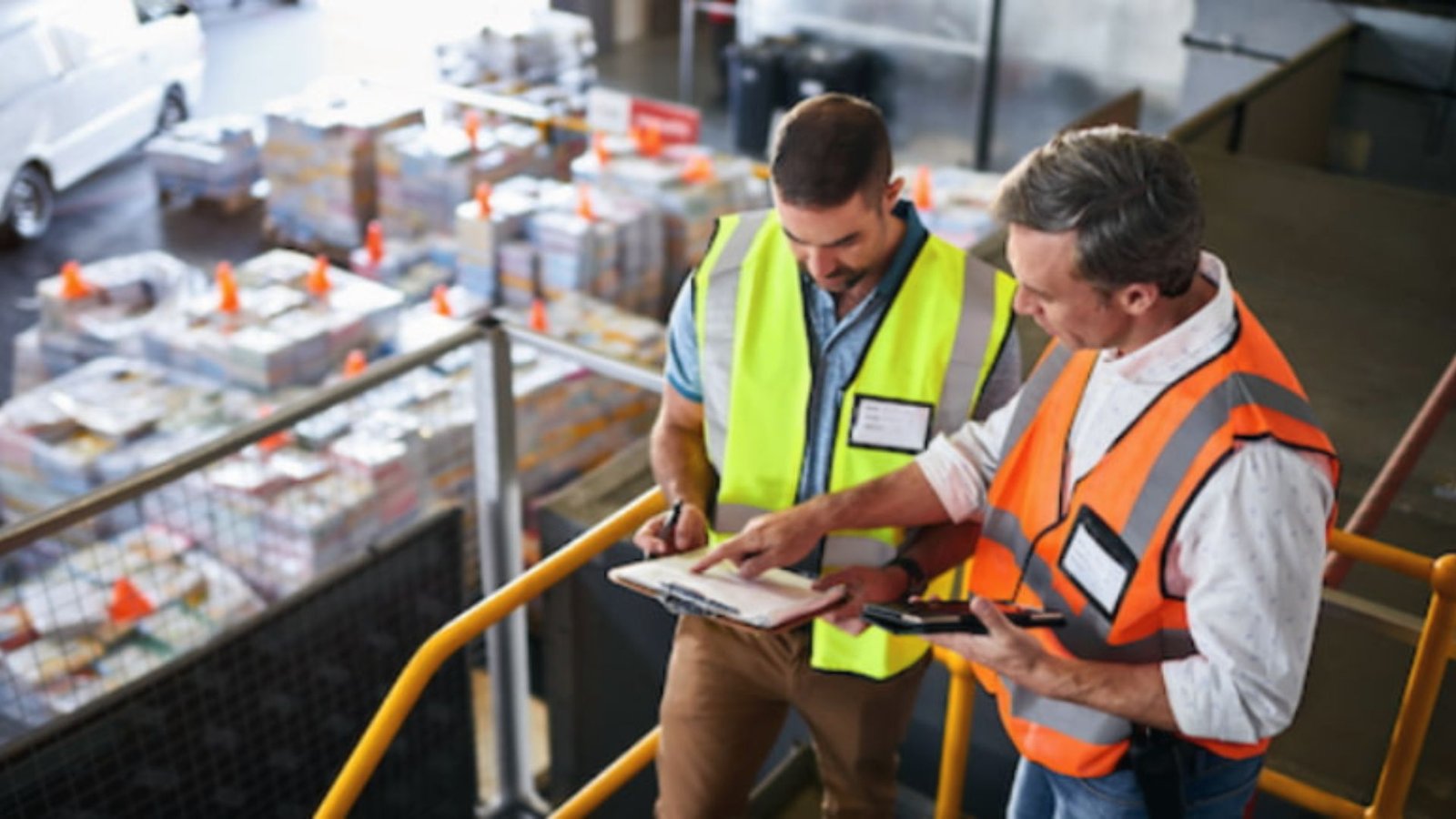
Hiring a professional IOR service can save businesses time, money, and serious compliance headaches.
Faster Customs Processing
IOR service providers know exactly what documents are needed and how to handle customs authorities in multiple countries. Their experience speeds up the clearance process significantly.
Shipments move faster when paperwork is managed by someone who understands the system.
Better Compliance Management
IOR providers monitor regulatory changes across countries as part of their core work. This means every shipment they handle stays aligned with current import requirements.
Businesses face far less risk of compliance failures when working with a knowledgeable IOR partner.
Tips for Managing IOR Responsibilities Successfully
A few good habits can make a big difference in how smoothly your import operations run.
- Store all import documents in one organized system for easy access during audits.
- Verify the correct HS code for every product before shipping to avoid duty errors.
- Research destination country import rules before dispatching any goods.
- Work with a reliable customs broker who knows your product category well.
- Use a document checklist for every shipment so nothing is missed at customs.
- Review your compliance process regularly to stay current with import regulations.
Conclusion
I have personally seen how one missing permit or a wrong HS code can hold up a shipment for days and cause real business losses.
Understanding the IOR meaning in shipping is not just useful, it is necessary for anyone dealing with cross-border trade.
When the right person is in charge and the right documents are in place, everything moves much more smoothly.
If this guide helped you, leave a comment below, share it with your team, or check out our other posts on international shipping and logistics.
Frequently Asked Questions
What Is IOR Meaning in Shipping?
IOR stands for Importer of Record. It refers to the individual or company legally responsible for ensuring imported goods meet all customs requirements in the destination country.
Who Is Responsible for Duties and Taxes?
The Importer of Record is fully responsible for paying all import duties, taxes, and customs fees. This applies whether the IOR is the buyer, seller, or a third-party service provider.
Can a Customs Broker Act as an IOR?
Yes, a licensed customs broker can act as an IOR in certain countries. However, taking on this role means accepting significant legal responsibility, so not all brokers offer this service.
Is an IOR Required for Every International Shipment?
Most commercial international shipments require a designated IOR to be named. Personal or low-value shipments may follow simplified processes, but any commercial import typically needs a legally responsible party assigned.
What Happens if There Is No Importer of Record?
If no IOR is assigned, customs may hold the goods at the port of entry indefinitely. The shipment could be returned to the sender or seized if no responsible party comes forward within the required time frame.