Getting a box measurement wrong cost me $14 in extra shipping fees once.
Just because I mixed up the length and width. That's it. Such a small mistake, such an annoying result.
If you've ever had a package rejected, delayed, or overcharged, the dimensions were likely the problem.
This guide covers how to measure a box for shipping the right way, from reading L × W × H correctly to avoiding the mistakes most people don't even know they're making.
No confusion, no extra fees.
Understanding Box Dimensions (L × W × H)
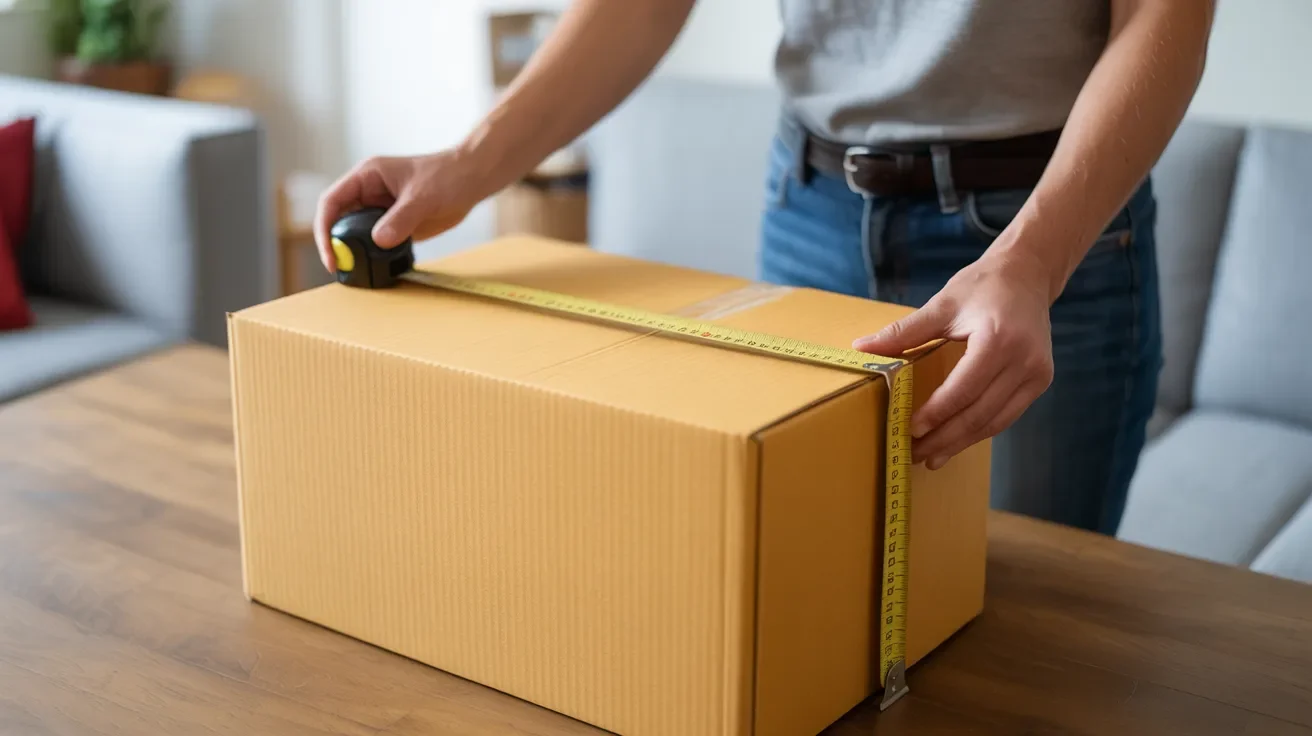
Every shipping carrier uses the same format: Length × Width × Height. UPS, FedEx, USPS, all of them.
So when you see something like 16 × 12 × 8 inches, length comes first, width second, height last.
The order is not random. Mix it up and you might grab the wrong box size or get hit with a higher shipping rate.
I always write it down before I do anything else. One small step, but it keeps the whole process accurate and stress-free from the start.
What Is the Correct Way to Measure a Box?
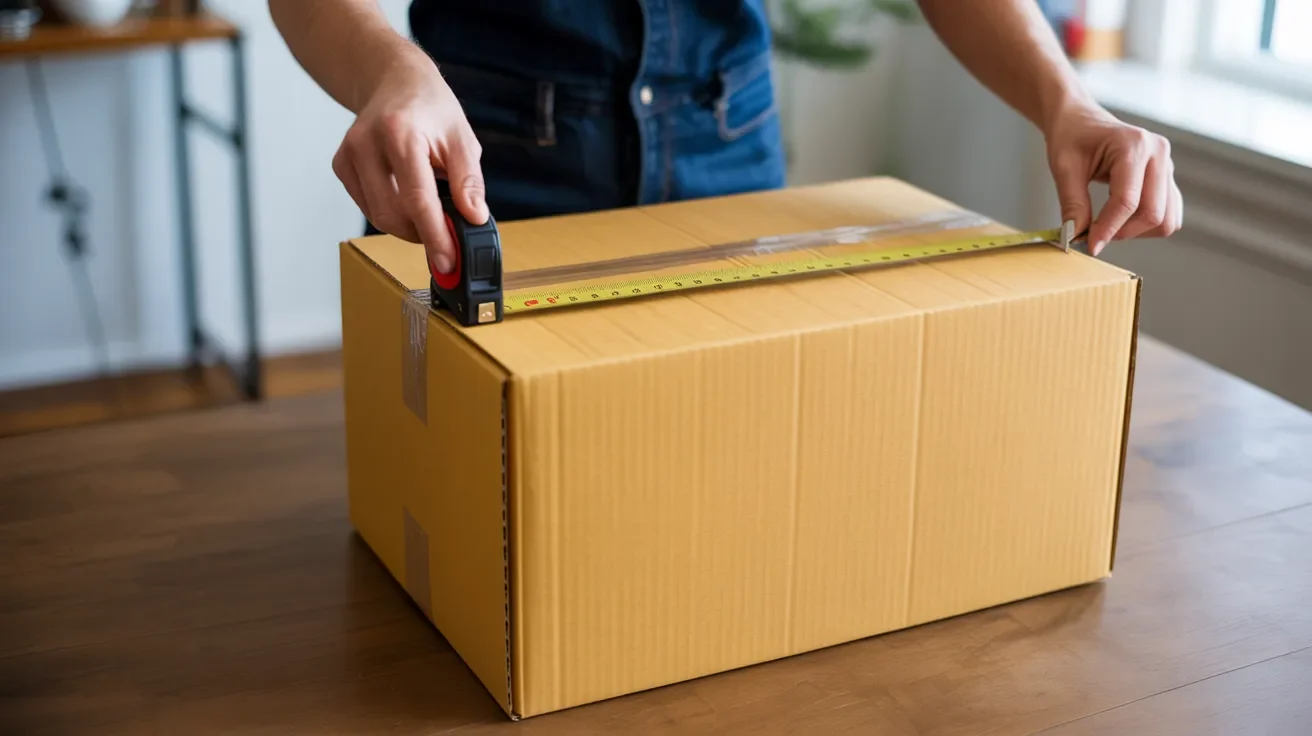
It's simpler than most people think. Start with the longest side, that's your length.
Then measure the shorter side going across, that's your width. Finally, go from the bottom to the top, that's your height.
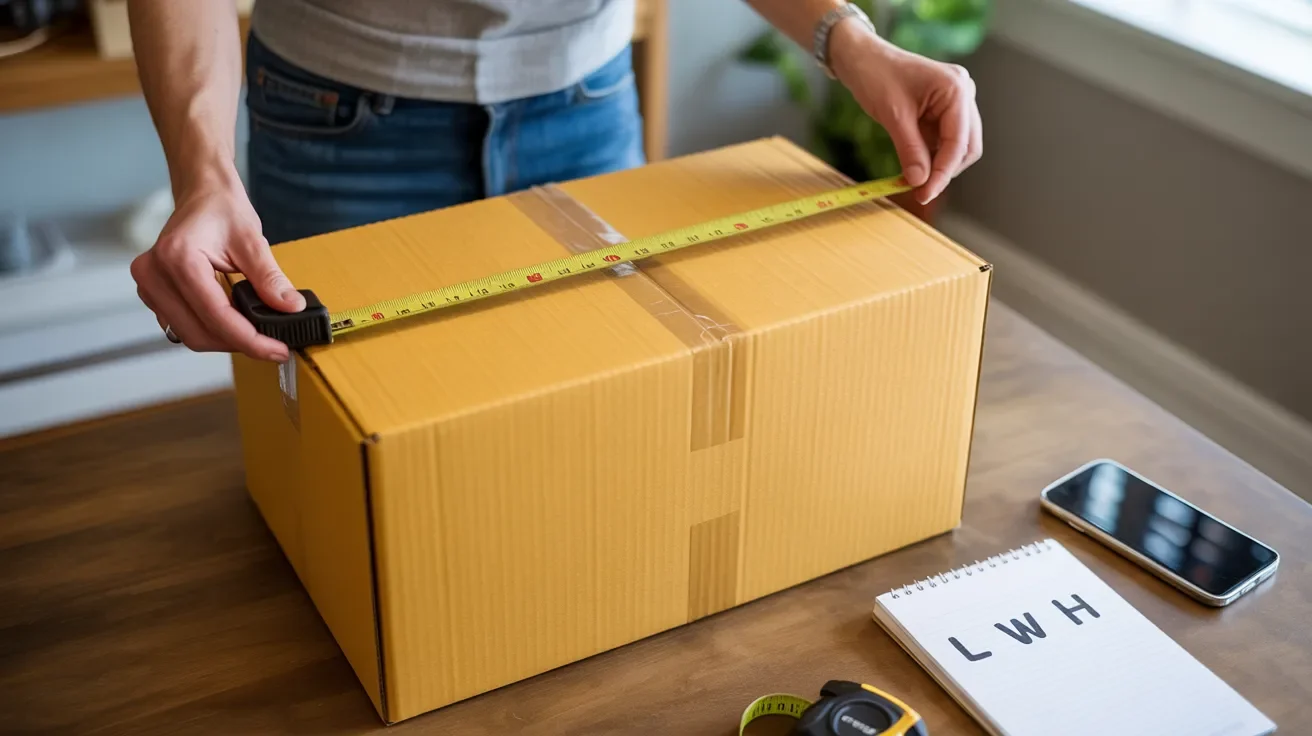
Write it as L × W × H, always in that order. Use a tape measure, not a ruler, and round up to the nearest inch.
One thing I always remind myself: do not count the flaps. Flaps are not part of the box. Leave them out completely.
Step-by-Step Guide on How to Measure a Box for Shipping
Follow these three steps and you'll never get your box dimensions wrong again.
Step 1: Measure the Length (Longest Side)
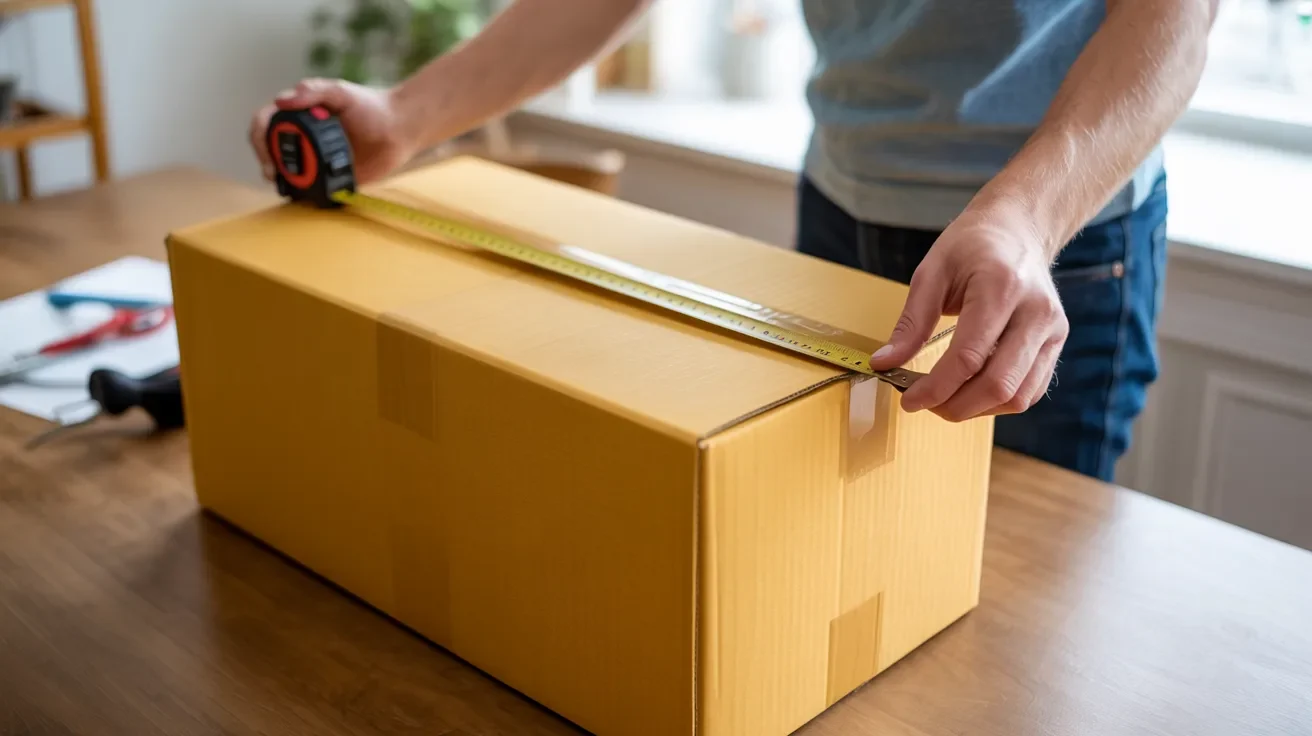
Start with the longest side of the box. Place your tape measure flat against the edge and measure from one end to the other.
This number goes first in your dimension record. It's the biggest number in most cases. Round up to the nearest whole inch if needed.
Getting this right sets the foundation for accurate shipping dimensions. Always double-check before writing it down.
Step 2: Measure the Width (Shorter Side)

Next, measure the shorter side. This runs perpendicular to the length, meaning it goes across the other direction.
Place your tape measure the same way and record from edge to edge. This is your second number.
Some boxes have very close length and width measurements, so pay attention. Label them clearly so you don't mix them up later. Accuracy here keeps your shipping label correct.
Step 3: Measure the Height (Standing Side)
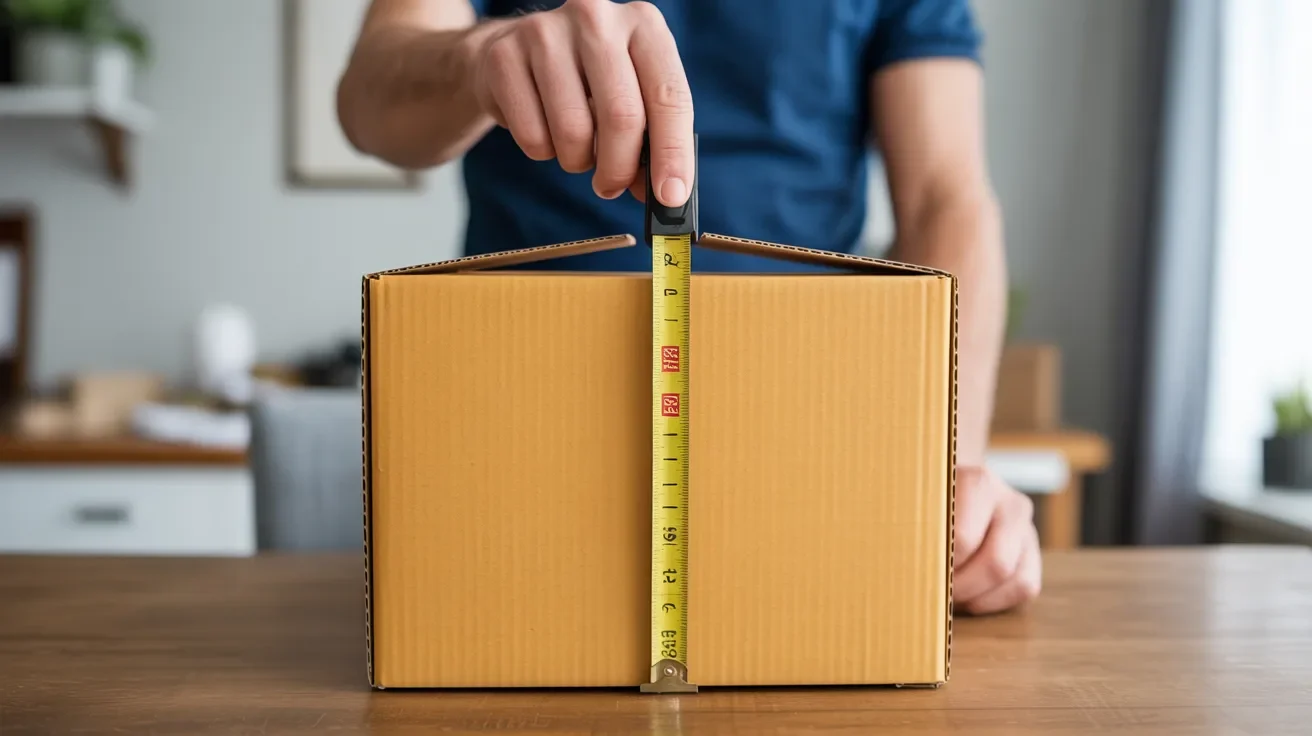
Now measure the height. This is the vertical side, from the bottom of the box to the top. Do not include the flaps in this measurement.
Flaps fold over and are not part of the box's actual height. This number goes last in your record.
Once you have all three numbers, you have your full dimension: L × W × H. Write it down and you're ready to ship.
Key Considerations When Measuring a Box for Shipping
A few extra details can make your shipping process smoother and more cost-effective.
Measure Inside vs Outside Dimensions
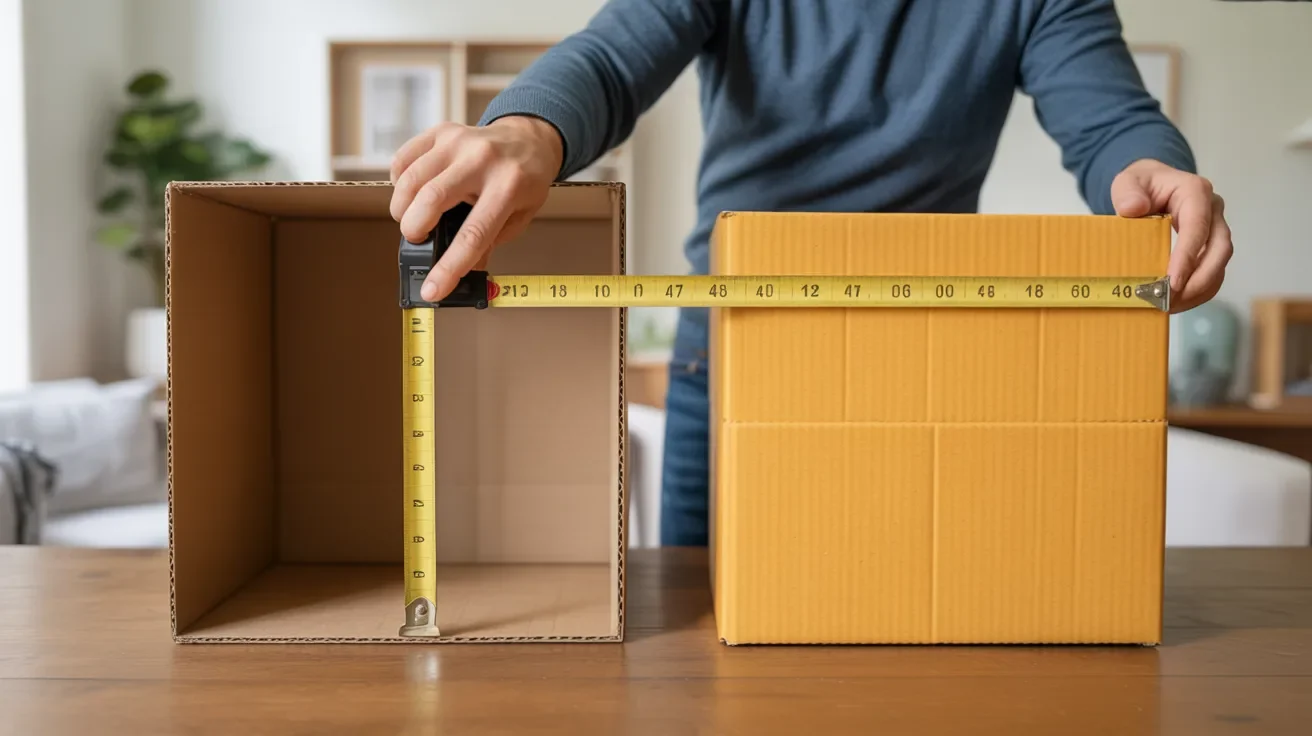
Inside dimensions tell you how much space your product has. Outside dimensions tell carriers what they're charging you for.
Use inside measurements to check if your item fits. Use outside measurements to calculate shipping costs.
Most boxes have a small difference between the two, usually about 3 to 5mm. Knowing which one to use in each case keeps you from overpaying or under-packing.
Measure After Packing
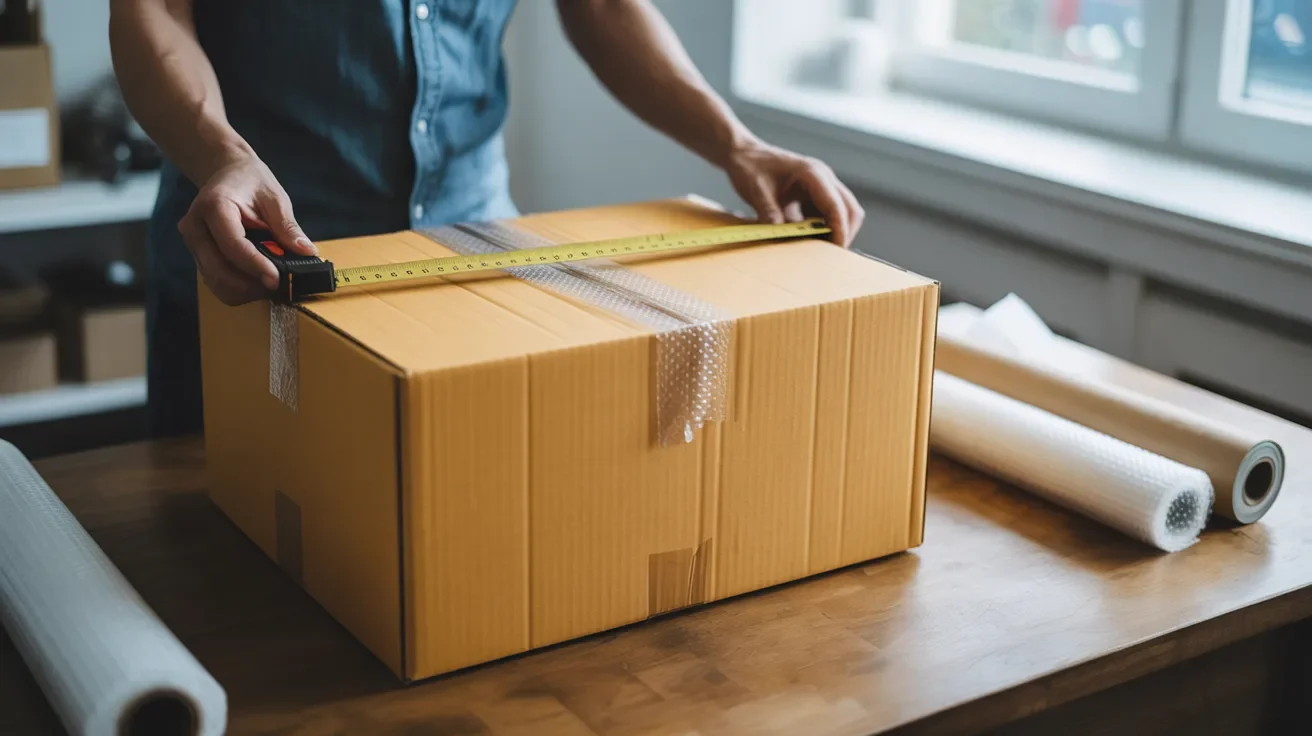
Always measure your box after everything is packed inside. Bubble wrap, foam, and padding can push the sides out slightly.
A box that measured 12 inches before packing might measure 12.5 inches after. Measuring at the end gives you the final, accurate size.
This also helps you avoid surprise fees at the shipping counter. Pack first, then measure, in that order.
Round Up Measurements
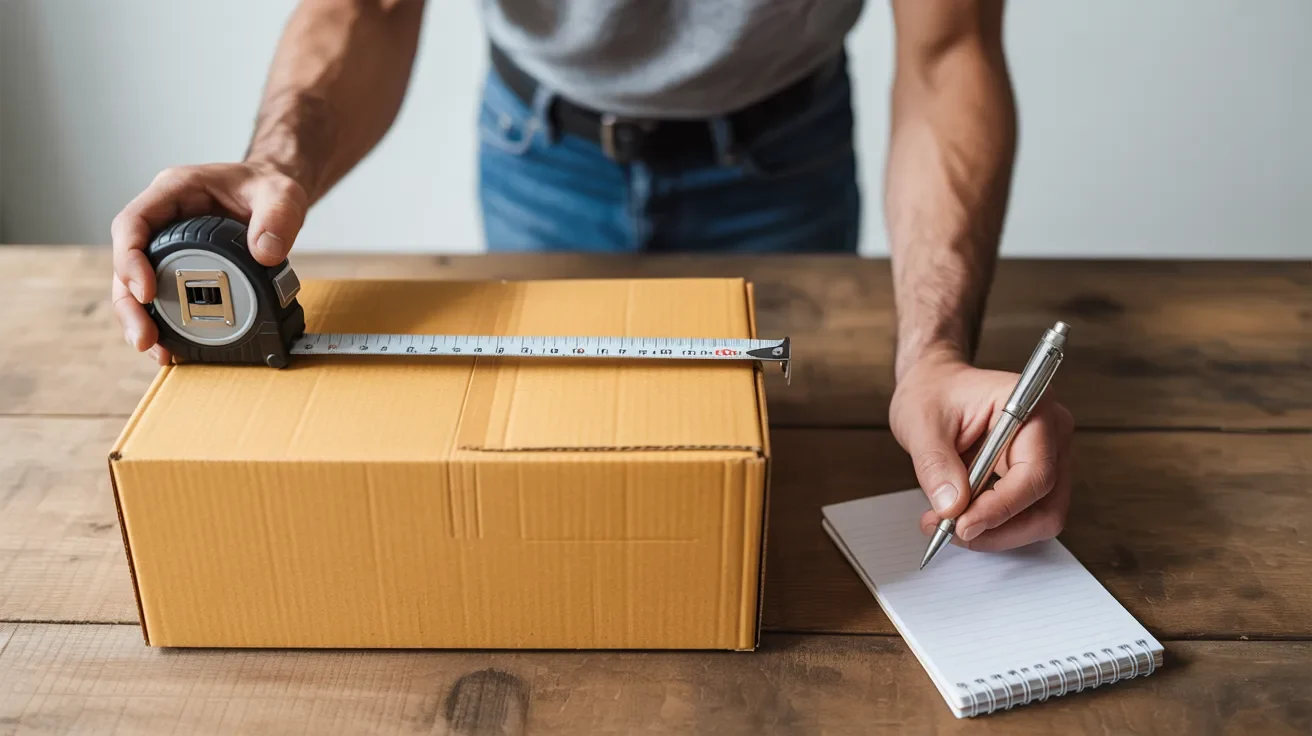
Never round down. If your box measures 11.6 inches, write it as 12 inches. Carriers calculate shipping costs based on the dimensions you provide.
If you round down and the carrier re-measures, you could face extra charges.
Rounding up takes two seconds and saves you from billing issues later. Always go with the higher number to stay safe.
Use Proper Tools
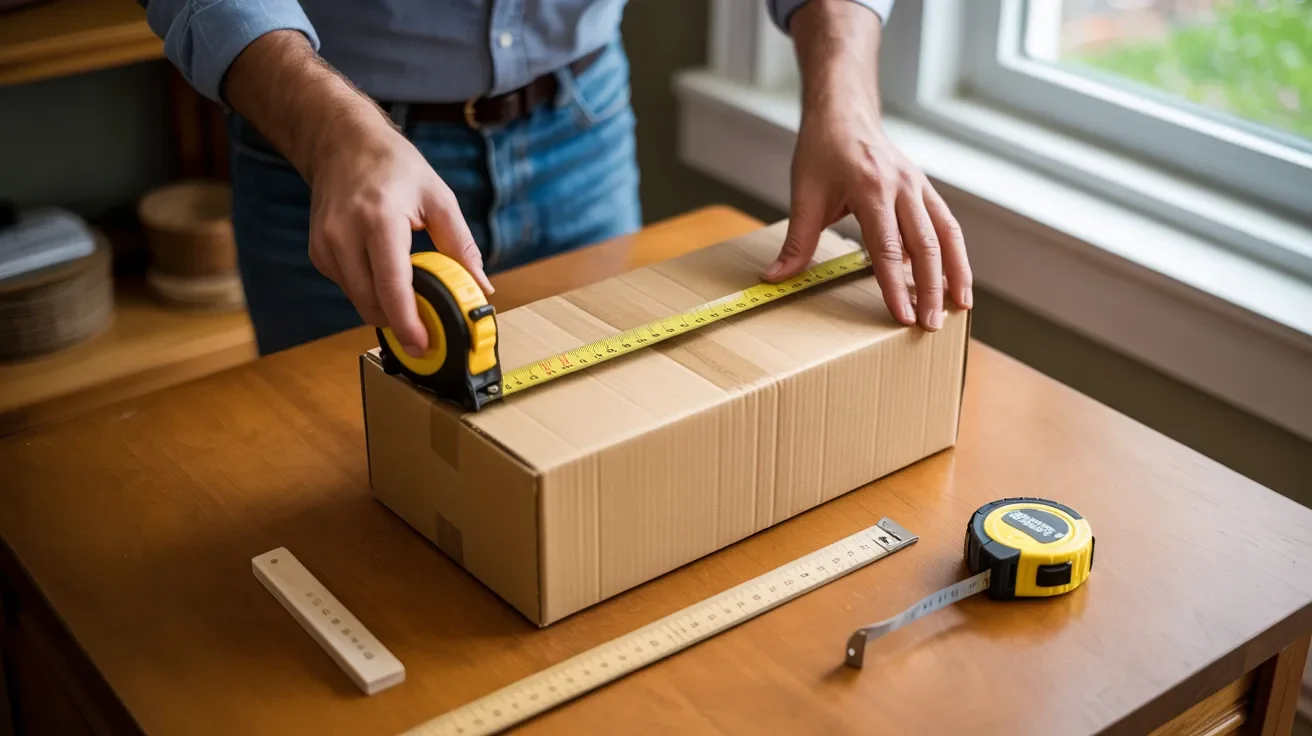
A standard tape measure is all you need. Avoid using a ruler for large boxes, it's too short and increases the chance of error.
For odd-shaped boxes, measure at the widest points. Keep the tape measure flat and straight for accurate results.
A flexible tape works better than a rigid one for curved or irregular boxes. The right tool gives you reliable numbers every time.
Choose the Right Box Size
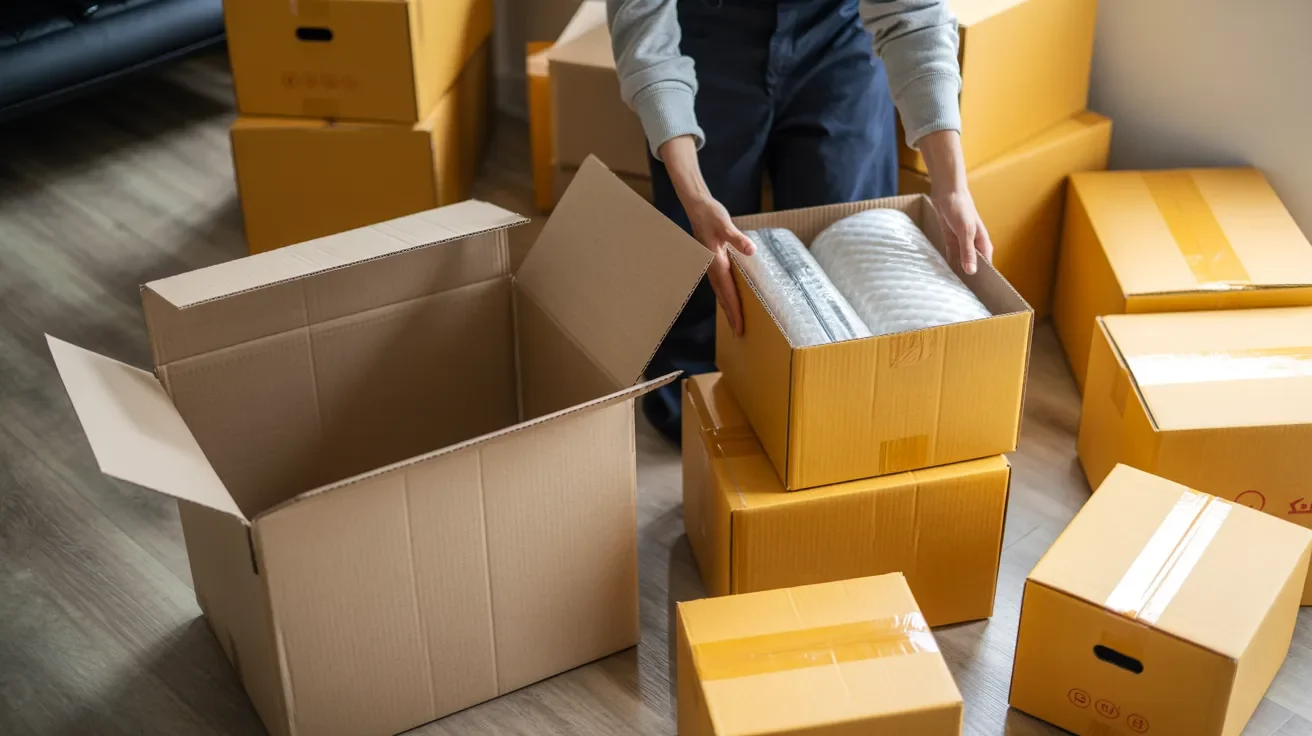
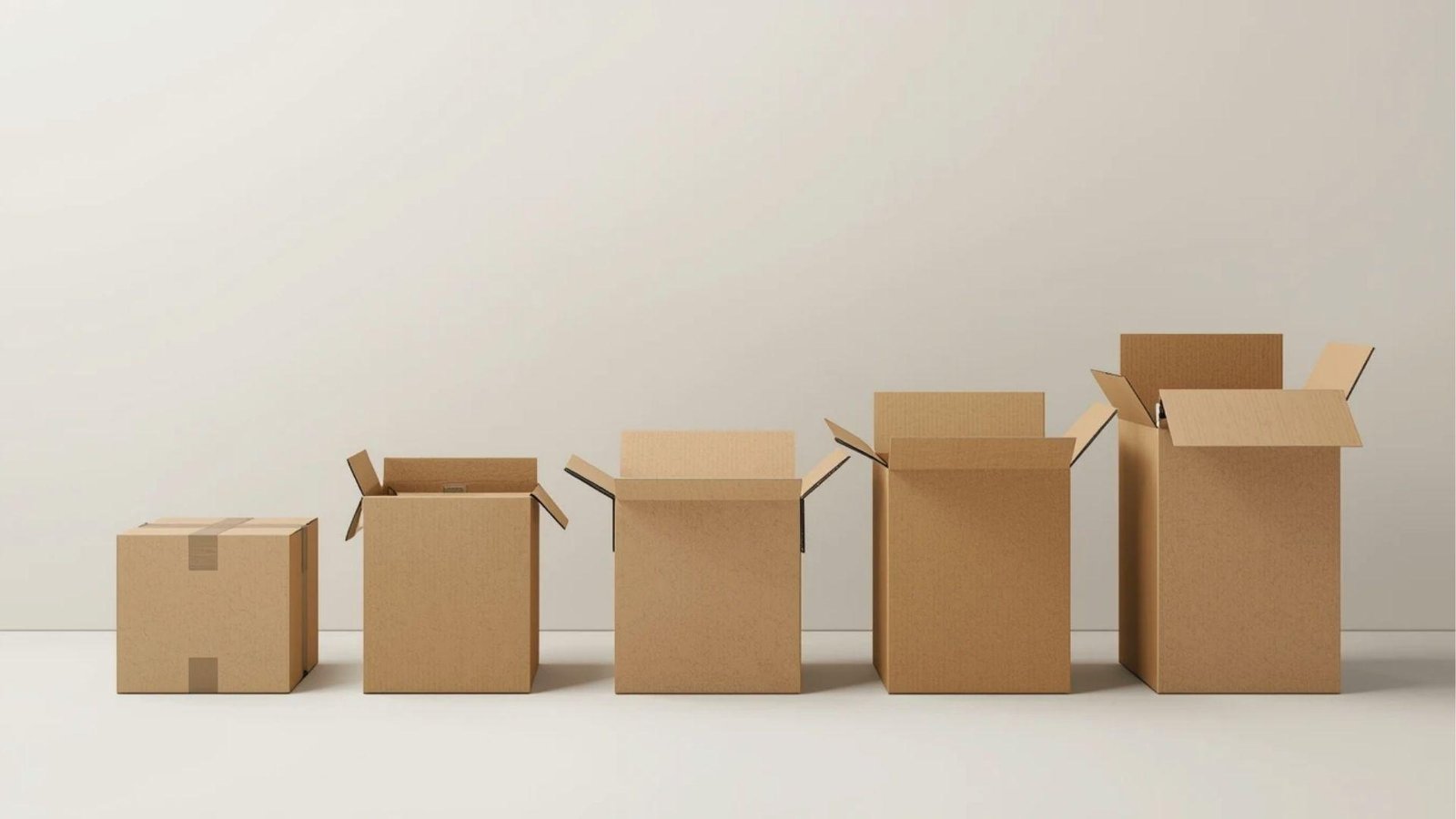
Bigger is not always better. Oversized boxes cost more to ship, and that extra space often gets wasted.
Choose a box that fits your item snugly with just enough padding room. Most carriers also calculate dimensional weight, which factors in the box size.
A large, light package can cost as much as a heavy one. Right-sizing your box keeps shipping costs low.
Common Mistakes to Avoid
Getting box measurements wrong happens more often than you'd think. Here's what to watch out for:
- Mixing up length and width:Always measure the longest side first. That's your length. The shorter side is your width. Swapping them can cause carrier billing issues.
- Including flaps in the height: Flaps fold over the top and are not part of the box. Measure height without them.
- Measuring before packing: Packing materials change the box's final size. Always measure after everything is inside.
- Ignoring girth: For some carriers, girth (2 × width + 2 × height) matters for oversized pricing. Don't skip this step if you're shipping large items.
- Using the wrong tool:A short ruler or eyeballing it leads to errors. Use a proper tape measure every time.
Conclusion
Measuring a box for shipping is not complicated, but small mistakes cost real money.
I learned that the hard way. Now I always measure after packing, round up, and double-check every number.
It takes less than two minutes. That's it. Try it on your next shipment and see the difference.
Have questions or your own tips? Drop them in the comments below. And if this helped, share it with someone who ships regularly.
They'll thank you later.
Frequently Asked Questions
What is the correct order to write box dimensions?
Always write dimensions as Length × Width × Height (L × W × H).
Should I measure a box before or after packing?
Measure after packing to get the accurate final size of your box.
Do I include the flaps when measuring box height?
No. Flaps are not part of the box height, always measured without them.
What tool should I use to measure a box?
A standard tape measure gives the most accurate results for box dimensions.
Why do carriers ask for box dimensions?
Carriers use dimensions to calculate dimensional weight, which affects your shipping cost.