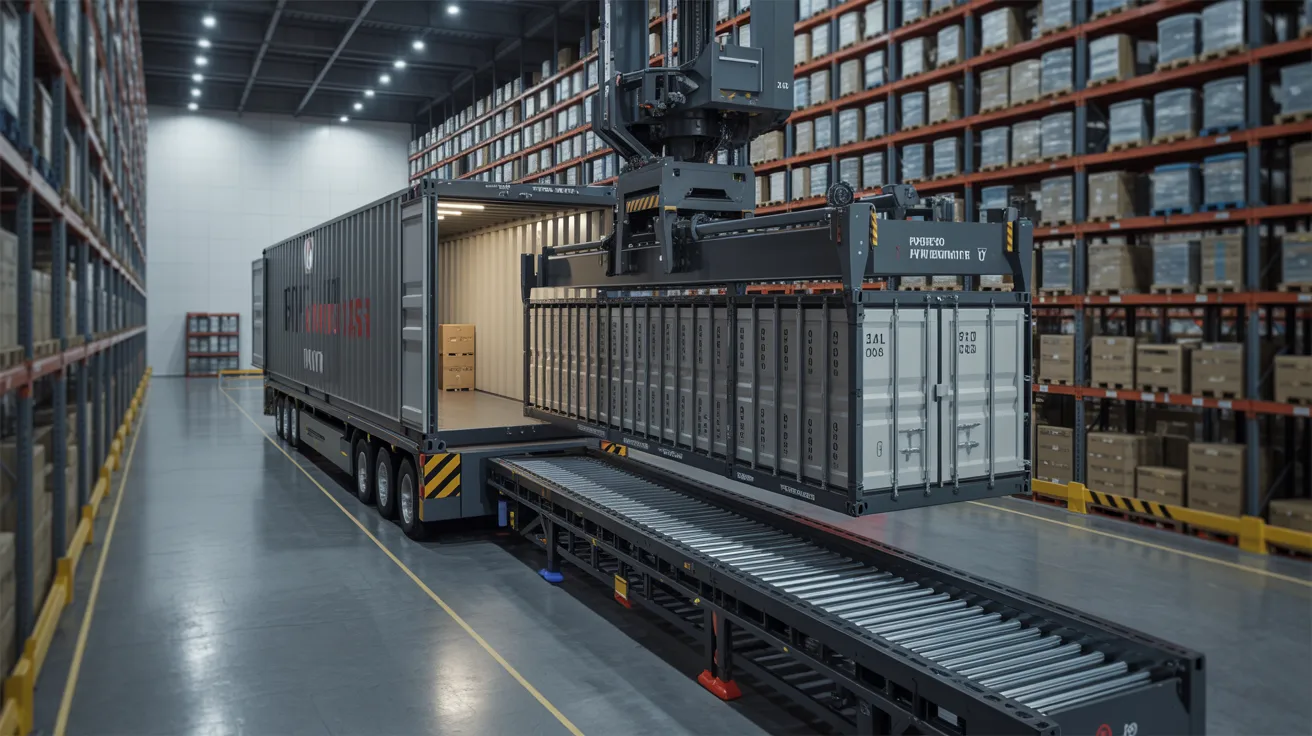


If you've come across ESD meaning in shipping and felt confused, you're not alone. This term shows up in two very different situations, and mixing them up can cause real problems.
In this article, I'll break down both meanings clearly: Emergency Shutdown Systems and Electrostatic Discharge. You'll know exactly what applies to your situation.
I've worked around shipping documentation long enough to see how much this confusion costs people. By the end, you'll have the full picture and a clear path forward.
Understanding ESD Meaning in Shipping
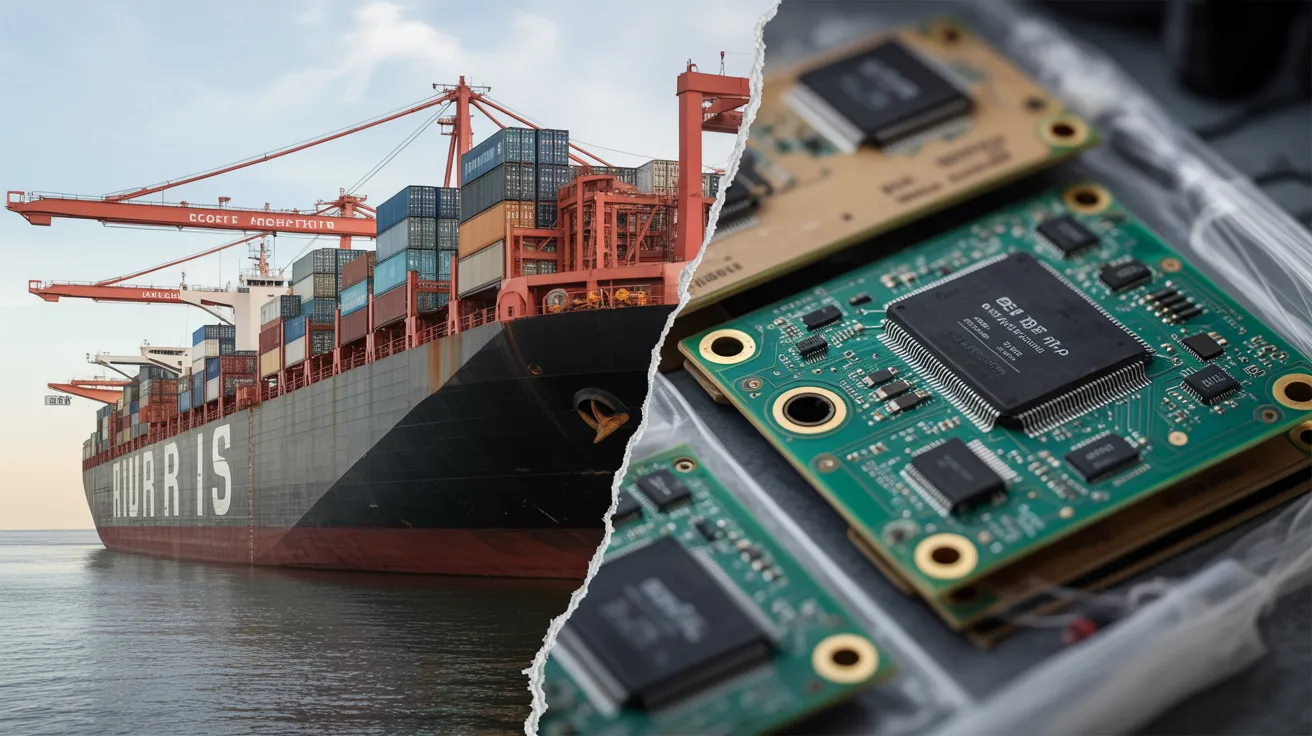
ESD is a term used in two distinct ways in the shipping world, and knowing the difference matters. It most commonly stands for Emergency Shutdown System, which is the primary meaning in maritime operations.
It can also refer to Electrostatic Discharge, which becomes relevant when shipping electronics or sensitive components.
Shipping covers many industries, so the same word can mean something completely different depending on the context.
A term used in oil tanker operations may have no connection to what it means in electronics logistics. Without the right context, ESD is easy to misread. Understanding the setting first is always the smart move.
What Is an Emergency Shutdown System (ESD)?
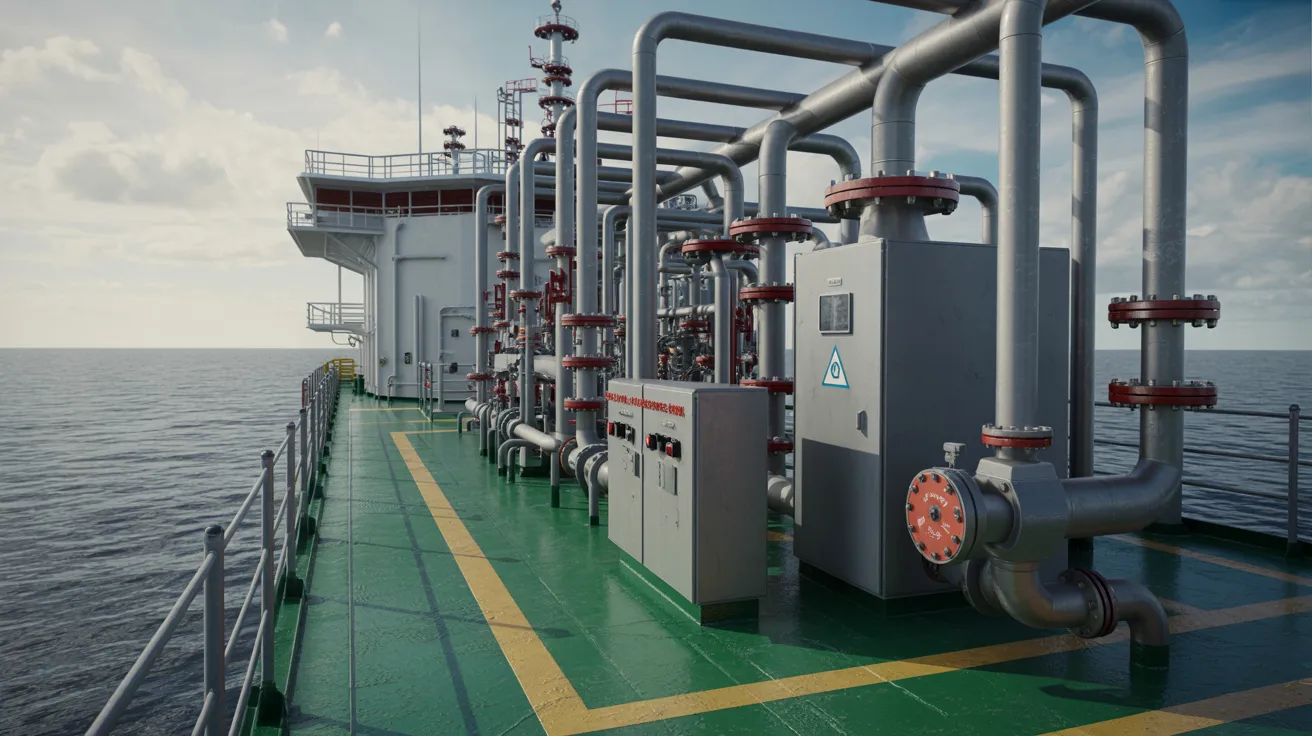
A safety system built to stop operations instantly when something goes wrong on a vessel.
Definition and Purpose
An Emergency Shutdown System (ESD) is a safety mechanism built into ships and maritime facilities. Its main job is to stop equipment or operations the moment a hazard is detected.
It does not wait for human input. The system reacts on its own, fast enough to prevent a small problem from turning into a large one.
How ESD Systems Work in Shipping
The process starts when a sensor picks up something dangerous, like a gas leak or a fire. That signal goes straight to the control system.
From there, the system triggers an automatic shutdown of the affected equipment. The whole sequence takes seconds, and in emergencies at sea, those seconds matter more than anything.
Where ESD Systems Are Used
ESD systems are standard on cargo ships, oil tankers, and LNG vessels that carry high-risk materials. Offshore drilling platforms also depend on them heavily due to constant exposure to flammable gases.
Chemical transport ships use them to contain spills before they spread. Anywhere the cargo or environment carries serious risk, an ESD system is part of the safety setup.
Key Components of an ESD System

Every ESD system is made up of specific parts that work together to keep operations safe.
Sensors and Detection Units
Sensors are the first line of defense in any ESD system. Gas detectors, fire sensors, and pressure monitors keep a constant watch over the ship.
The moment any reading goes out of the safe range, they send an immediate alert to the control system.
Control and Monitoring Systems
A central control panel collects all incoming signals from sensors across the vessel. Operators can check the ship's safety status in real time from one location.
In many modern ships, this entire process runs automatically without needing manual input.
Shutdown Devices
These are the parts that actually stop the operation. They include
- Isolation valves that cut off fuel or gas flow
- Circuit breakers that shut down electrical systems
- Emergency stops tied to key machinery
Why ESD Systems Are Critical in Shipping Safety

Without ESD systems, the risks aboard ships carrying fuel or chemicals would be far greater.
Preventing Fires and Explosions
Ships that carry fuel, gas, or chemicals are at high risk. A small leak, if not caught fast, can lead to fire or explosion. ESD systems react in real time.
They shut things down before a spark becomes a disaster.
Protecting Crew and Equipment
Human safety is always the first priority. When a system shuts down automatically, crew members don't have to put themselves in danger.
Equipment damage is also reduced significantly when shutdowns happen early.
Ensuring Regulatory Compliance
Shipping is a regulated industry. Bodies like the International Maritime Organization (IMO) set strict safety rules. Having a working ESD system is often a legal requirement, not just a best practice.
ESD as Electrostatic Discharge in Shipping
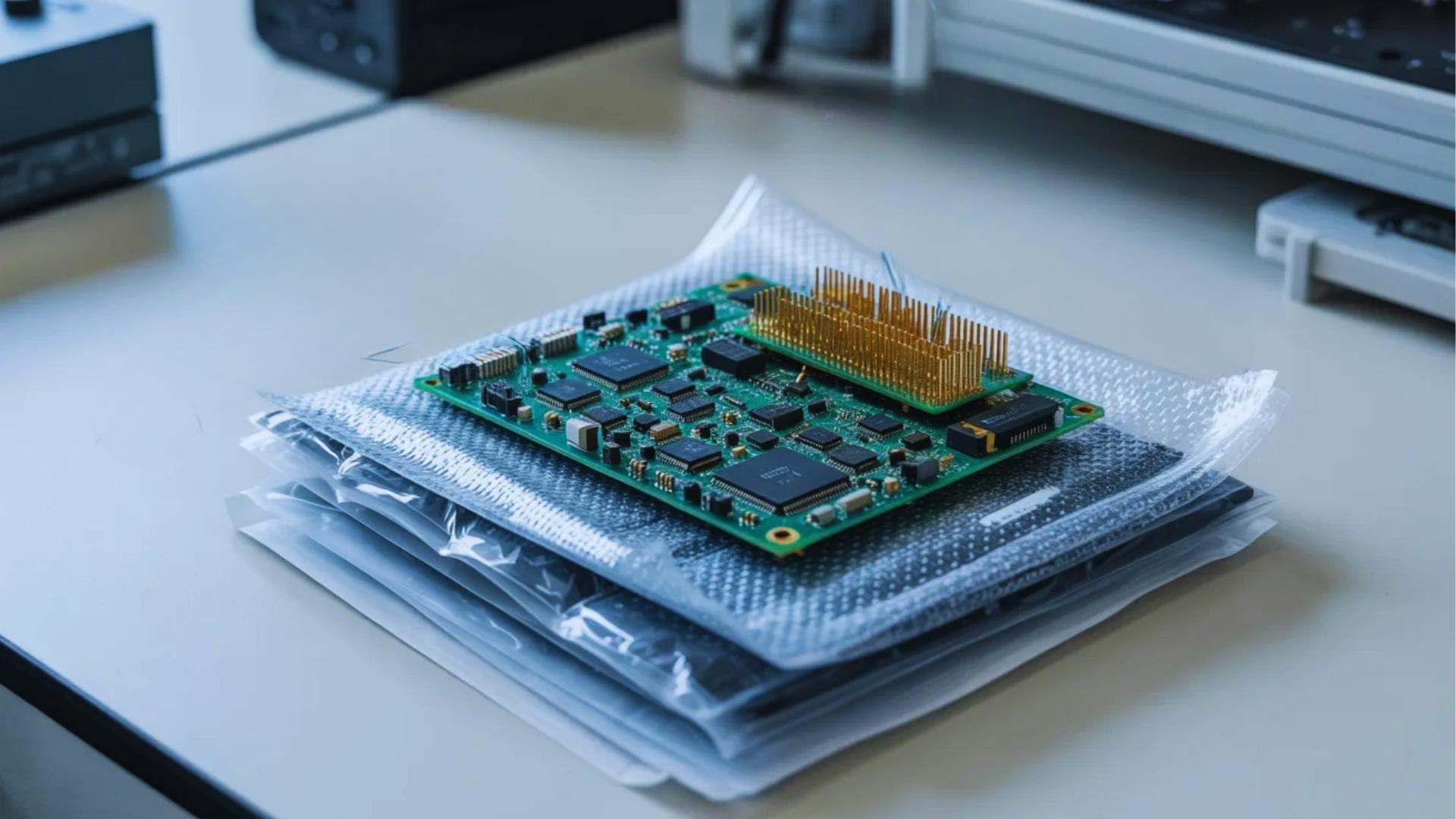
In electronics shipping, ESD takes on a completely different meaning that's just as important.
What Is Electrostatic Discharge?
Electrostatic Discharge (ESD) is the sudden release of static electricity between two objects. It happens when static builds up on a surface and then jumps to another surface.
It's the same thing as getting a small shock when you touch a doorknob.
Risks to Electronic Shipments
For electronics, even a tiny static shock can cause serious damage. Items like
- Microchips
- Circuit boards
- Sensors and processors
are all extremely sensitive. A single ESD event can destroy a component that looks perfectly fine on the outside.
When This Meaning Applies in Shipping
If you are packaging or transporting electronics, ESD refers to static protection. Proper anti-static packaging is used to prevent damage during transit.
This meaning is common in e-commerce, electronics manufacturing, and defense logistics.
Practical Tips to Manage ESD in Shipping
Simple, consistent practices can prevent both safety failures and product damage.
- Test your ESD shutdown systems on a set schedule to make sure they work when it matters most.
- Keep anti-static measures up to date for any shipments involving electronics or sensitive components.
- Run regular drills so crew members and warehouse staff know exactly how to respond during an emergency.
- Use only certified components and equipment for maritime ESD system maintenance.
- Pack electronics in anti-static bags and foam, and use grounded workstations during handling.
- Follow IMO guidelines for vessel safety and IPC/JEDEC standards for electronics ESD protection.
Conclusion
Understanding ESD meaning in shipping is more useful than it might seem at first. Whether it's a safety shutdown system on a tanker or static protection for a circuit board, both meanings carry real weight.
I've seen firsthand how a simple misunderstanding around this term can slow down decisions or lead to costly mistakes. My advice is to always check the context first.
If this helped you, share it with someone in your field or leave a comment below. I'd love to hear how you're applying this in your work.
Frequently Asked Questions
What does ESD mean in shipping?
ESD in shipping usually refers to an Emergency Shutdown System. It can also mean Electrostatic Discharge when the context involves electronics or sensitive cargo.
Is an ESD system required by law on ships?
Yes, many vessels are required to have ESD systems under international maritime regulations. The IMO sets guidelines that shipping companies must follow for safety compliance.
How does an ESD system activate on a ship?
Sensors detect a hazard like a gas leak or fire. The signal goes to the control system, which then triggers an automatic shutdown of the affected equipment.
What type of ships need ESD systems most?
Tankers carrying oil, gas, or chemicals are the most common vessels that rely heavily on ESD systems due to the high-risk nature of their cargo.
How do I protect electronics from ESD damage during shipping?
Use anti-static bags and foam padding. Make sure packaging is grounded where needed. Follow standard ESD packaging guidelines to keep sensitive components safe in transit.