
If you work in logistics, you know how slow and costly manual unloading can be. I've seen warehouses lose hours every day just moving cargo out of containers.
This article covers everything about container unloading systems from traditional vs. modern methods and key benefits of smart systems to real-world automation in action and safety tips you can use today.
With years of industry research behind this guide, you'll walk away with clear answers and practical solutions. You're in the right place.
General Overview of Container Unloading Automation
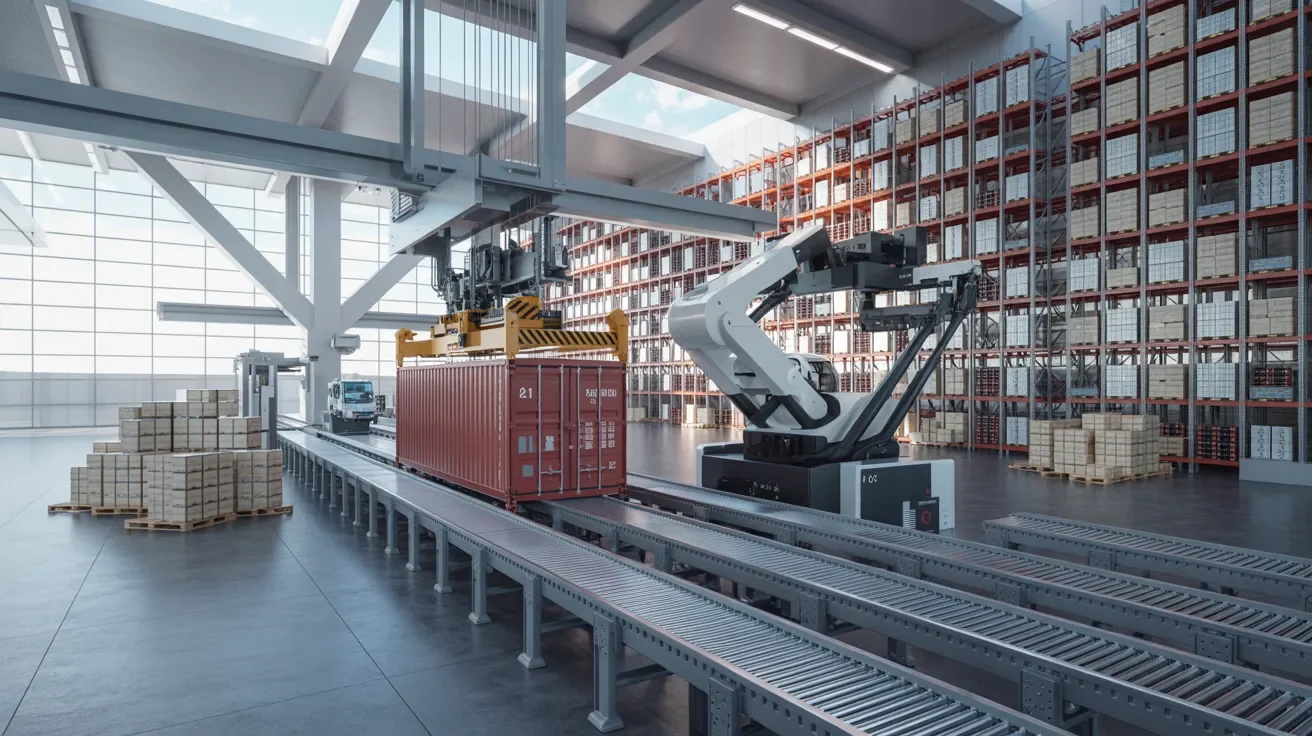
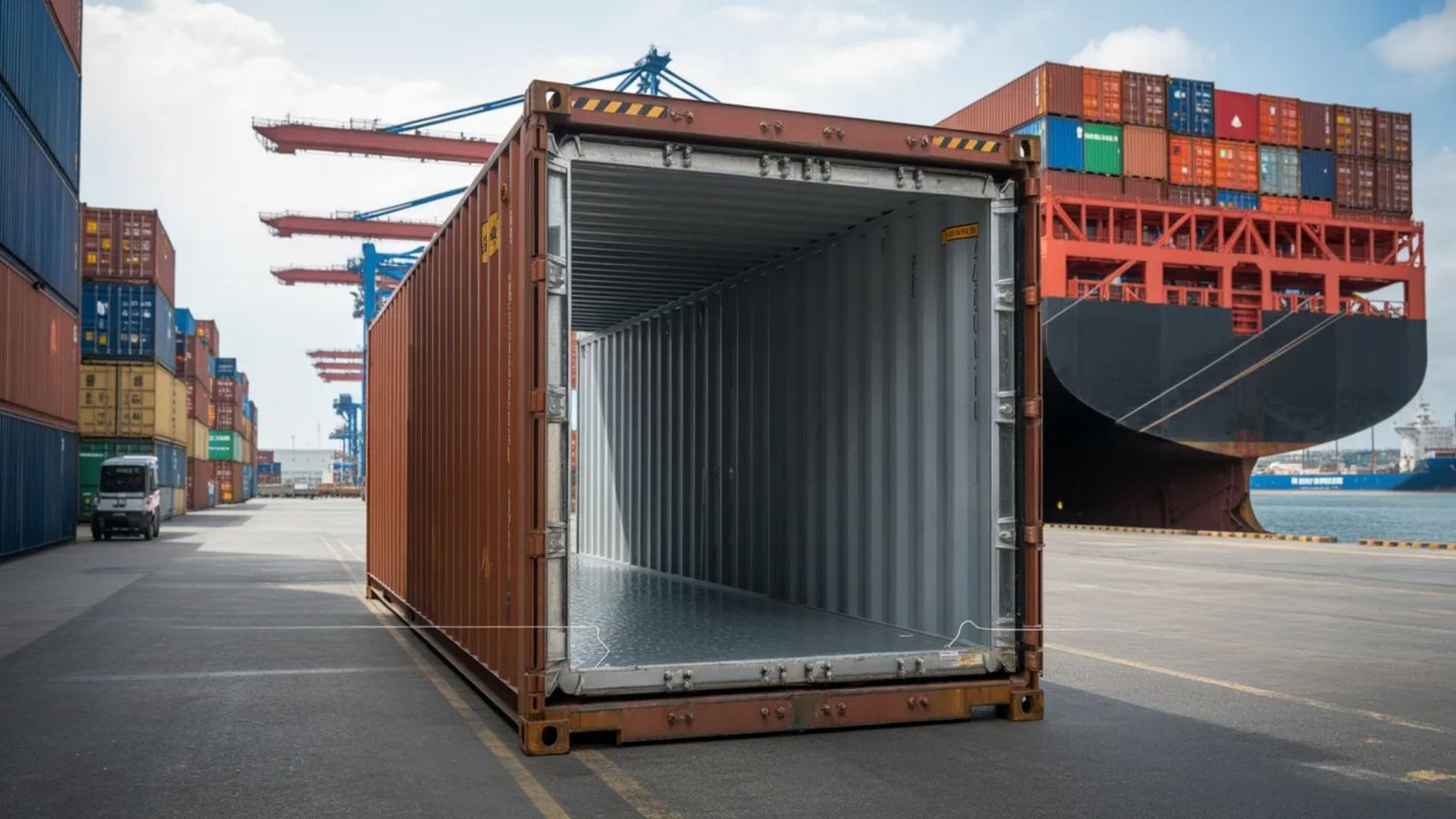
Logistics is changing fast, and container unloading is at the center of that shift. A container unloading system includes the tools, machines, or automated equipment used to move goods out of shipping containers.
These systems range from basic manual setups to fully automated solutions using conveyors, robotic arms, and sliding platforms.
Automation is cutting unloading times from hours to minutes, allowing warehouses to process more containers per shift without hiring extra staff.
It also keeps workers safer by reducing heavy manual lifting. For any business that moves goods at scale, understanding these systems is the first step toward smarter, faster operations.
How Traditional Container Unloading Works
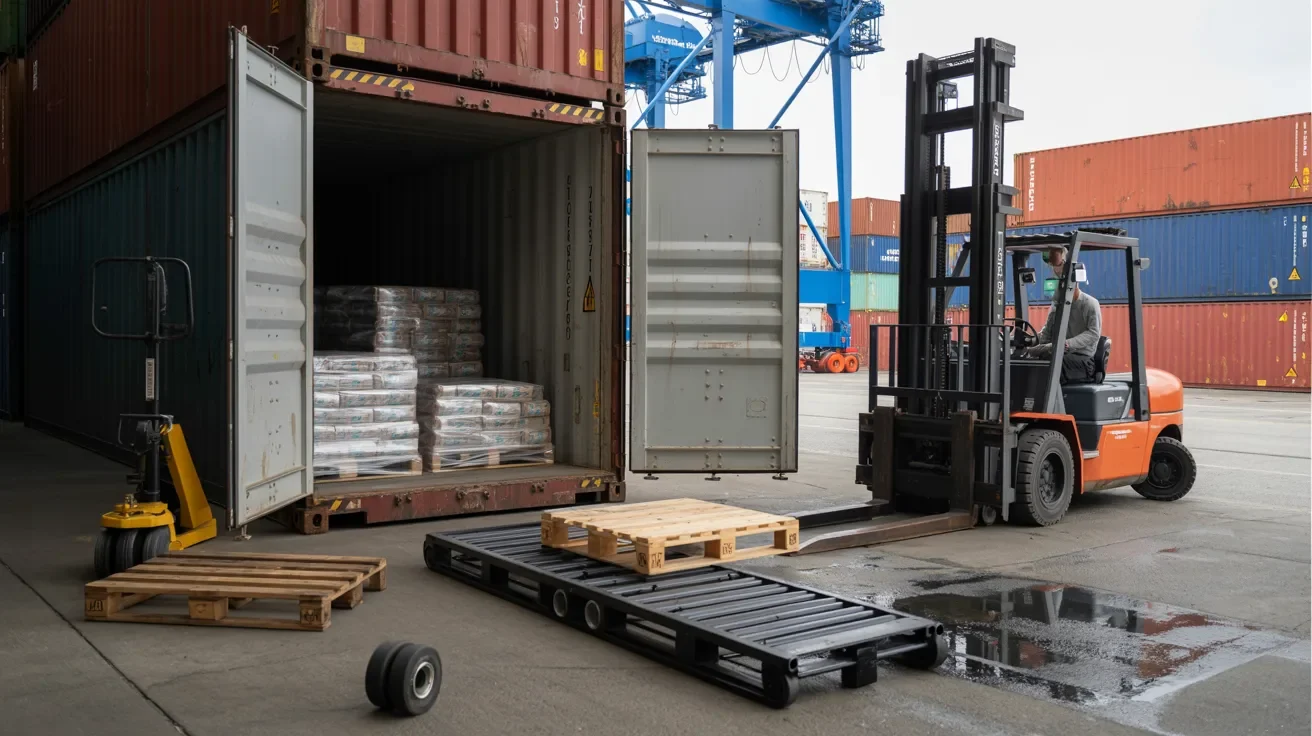
A look at the old way of unloading and why it creates so many problems.
Manual Unloading Process Using Labor and Basic Tools
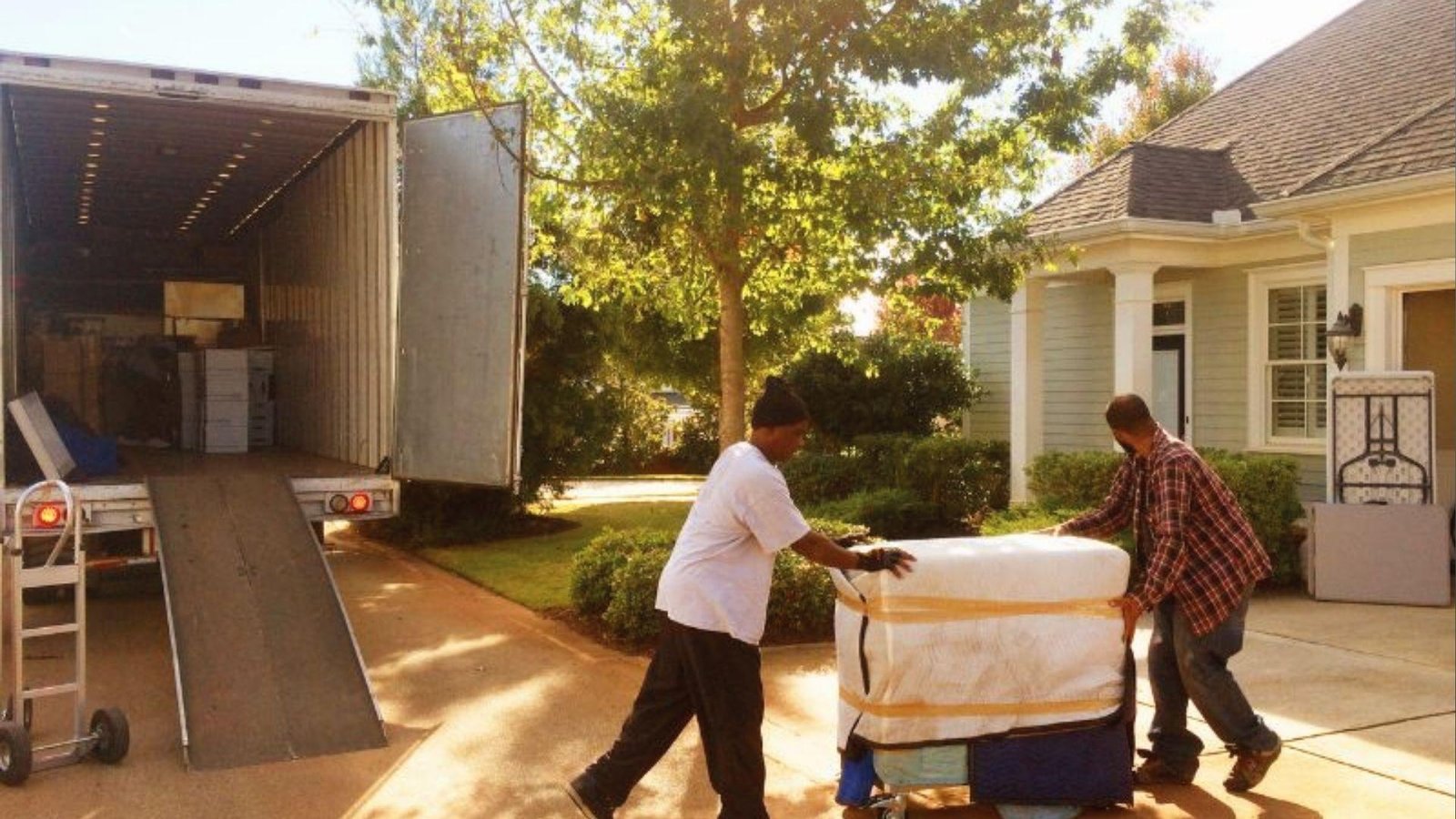
In a traditional setup, a team of workers enters the container and moves goods by hand or with basic tools. It's slow, tiring, and highly dependent on how many workers are available that day.
Equipment Commonly Used
Common tools include
- Forklifts
- Pallet jacks
- Hand trucks
- Conveyor rollers (manual)
These tools help, but they still need skilled operators and physical effort.
Key Challenges Like Delays, Cost, and Safety Risks
Manual unloading comes with real problems. Worker fatigue leads to errors. Delays pile up fast. Labor costs stay high. And injuries happen more often when people are moving heavy cargo in tight spaces.
How Modern Container Unloading Systems Work
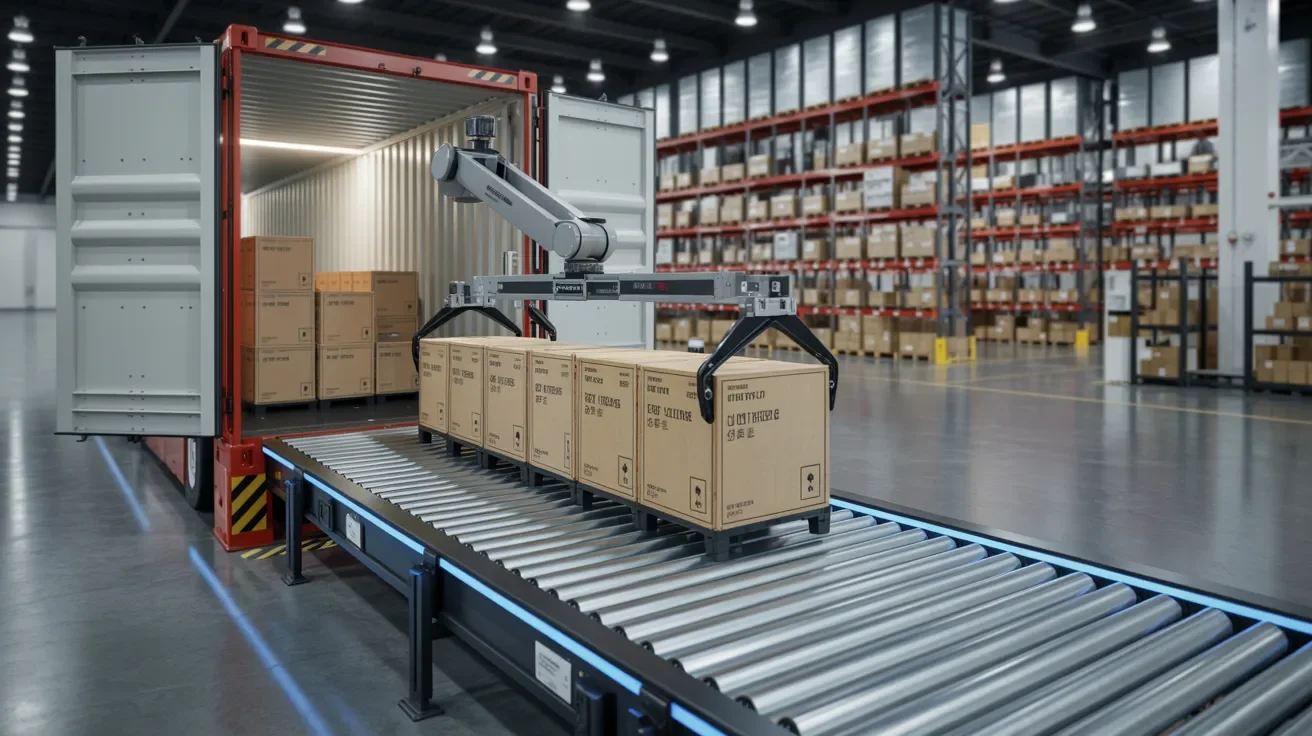
See how today's automated systems handle unloading faster and with fewer people.
Use of Automated Conveyors, Sliding Platforms, and Robotics
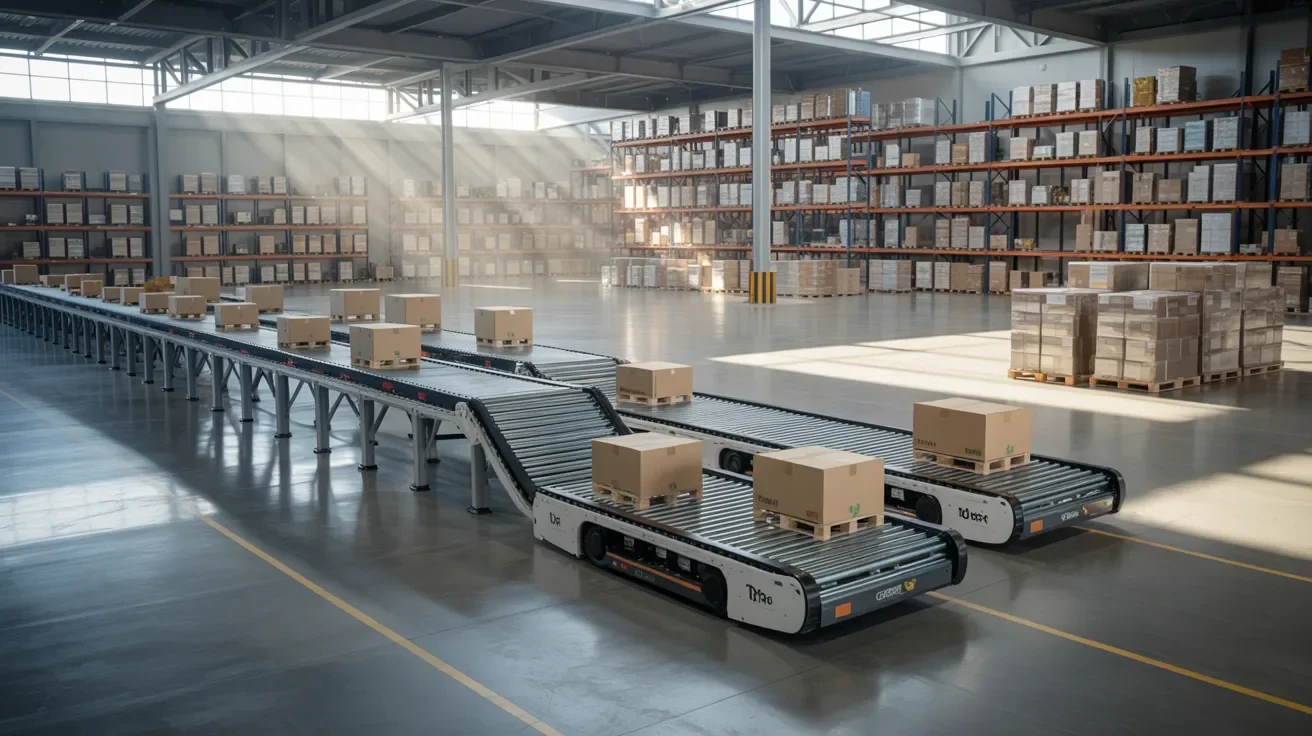
Modern systems rely on automated conveyors that pull cargo out of the container without manual effort. Sliding floor platforms push goods forward automatically. Some systems also use robotic arms to sort and stack items.
Step-by-Step Flow of Automated Unloading
Here's how it typically works
- Container is positioned at the dock
- System connects to the container opening
- Automated platform or conveyor activates
- Cargo moves out onto the warehouse floor
- Items are sorted or palletized automatically
The whole process can take under 10 minutes.
Integration With Warehouse and Logistics Systems
These systems connect directly with warehouse management software. That means real-time tracking, inventory updates, and smooth handoffs to the next step in the supply chain.
SmartTEH Container Unloading System in Action
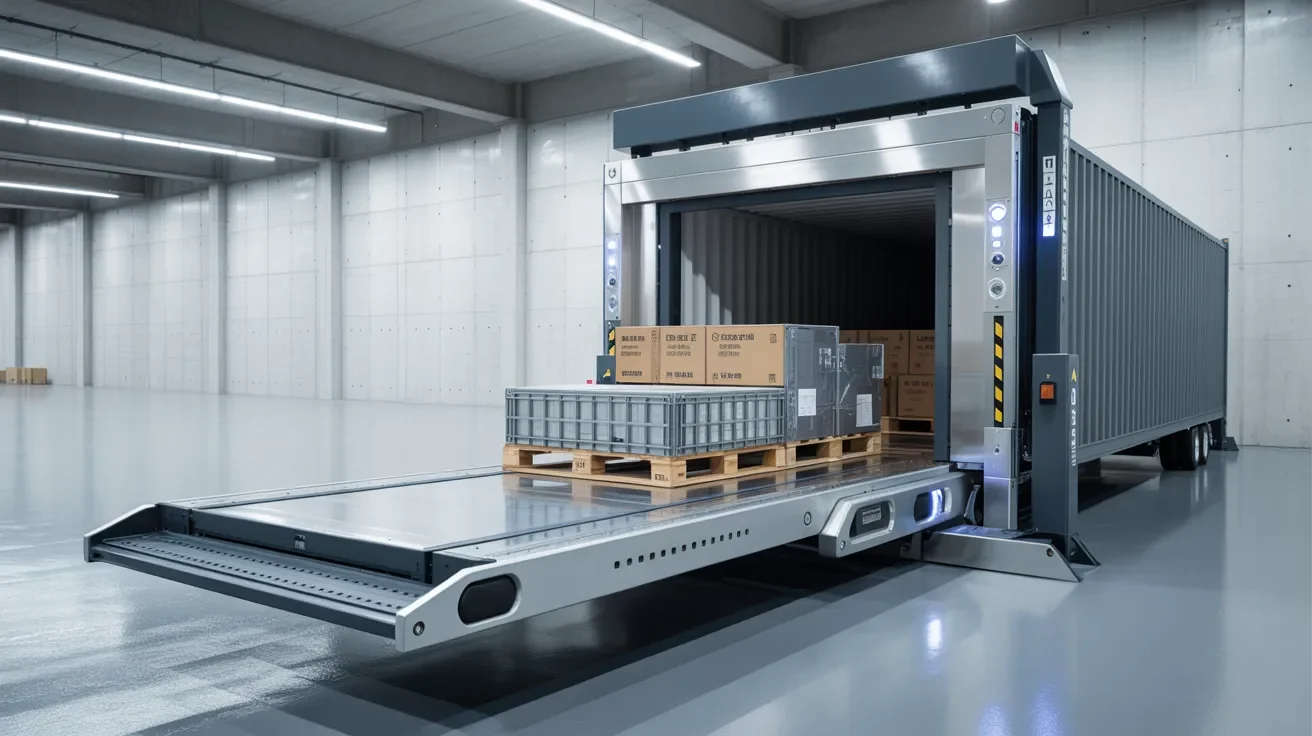
A real-world example of how automated unloading looks in practice.
Overview of SmartTEH Automation Solution
SmartTEH is an automated container unloading solution built for high-volume operations. It uses a sliding floor system that moves all cargo out of the container at once, without workers entering the container.
Unloading Efficiency (Under 10 Minutes Per Container)
SmartTEH can unload a full 20-foot container in under 10 minutes. That's a big improvement over the 1–2 hours a manual crew typically needs. For busy warehouses, this kind of speed adds up fast.
Single-Operator System and Real-World Applications
One person can run the entire SmartTEH system. The operator controls the process from outside the container using a simple interface. This reduces both labor needs and safety risks at the same time.
Industries Using SmartTEH Technology
SmartTEH is used across several sectors
- Retail and e-commerce fulfillment
- Food and beverage distribution
- Automotive parts logistics
- Third-party logistics (3PL) providers
Benefits of Smart Container Unloading Systems
Here's why more businesses are making the switch to smarter unloading solutions.
Faster Unloading and Reduced Turnaround Time
Automated systems cut unloading time by a large margin. A container that took two hours manually can be cleared in under 10 minutes.
That means more containers processed per day, less waiting at the dock, and a faster flow of goods through the entire warehouse.
Lower Labor Costs and Workforce Dependency
You don't need a large crew with an automated system. One or two operators can manage the whole process from start to finish.
Over time, this leads to major savings in labor costs and less stress when staff availability is low.
Improved Safety and Reduced Injury Risks
When machines do the lifting, workers face less physical strain on the job. Back injuries, slips, and crush accidents drop significantly with automation in place.
That's better for workers, better for morale, and better for the business overall.
Better Cargo Protection and Reduced Damage
Automated systems handle goods more consistently than humans ever could. There's less rough handling, fewer drops, and better protection for fragile or high-value items.
This means fewer damaged goods reaching customers and fewer costly insurance claims to deal with.
Safety Tips for Container Unloading Operations
Basic safety steps that every unloading team should follow before and during operations.
- Clear the dock area completely before unloading starts, and make sure all lighting is bright enough to spot hazards early.
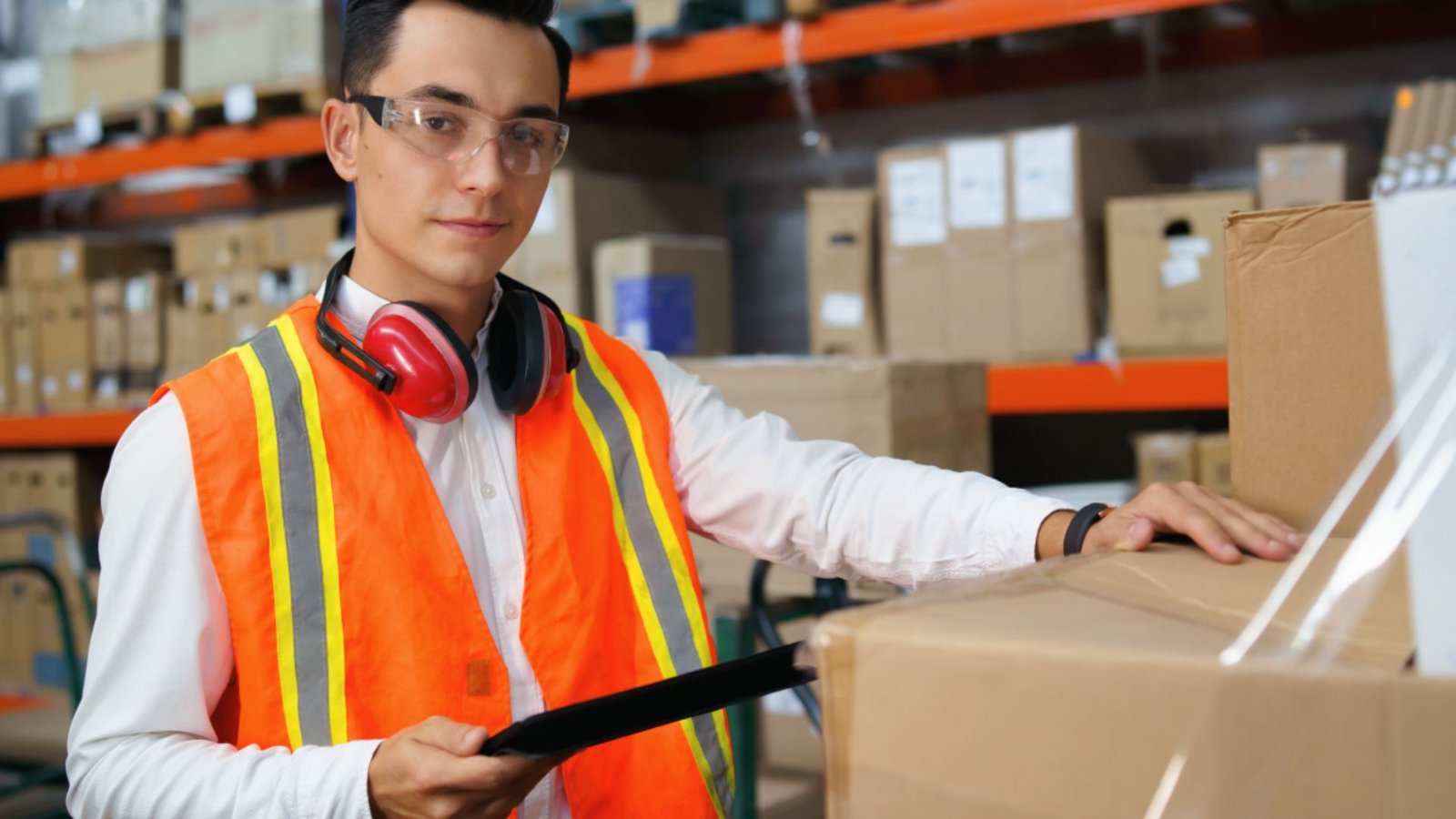
- All workers must wear hard hats, steel-toe boots, high-visibility vests, and gloves before stepping into any unloading zone.
- Follow set safety protocols at every step so the entire team stays informed, aligned, and working without confusion.
- Inspect all cargo before unloading begins, and look closely for damaged boxes, shifting loads, or any hazardous materials inside.
- Always secure the load properly inside the container to stop items from shifting or falling during the unloading process.
- Only trained staff should operate forklifts, and all pedestrians must stay clear of active forklift zones during operations.
Conclusion
After looking at all of this, one thing is clear. The container unloading system has come a long way. I once spoke with a warehouse manager who cut his unloading time by 80% just by switching to automation.
That kind of result is real and within reach for most operations. If you are still relying on a manual process, now is a good time to think about making a change.
Got questions or thoughts? Drop a comment below. I would love to hear how you handle unloading in your facility.
Frequently Asked Questions
What is a container unloading system?
A container unloading system is equipment or technology used to move goods out of shipping containers. It can be manual, semi-automated, or fully automated based on the operation's needs.
How long does automated container unloading take?
Advanced systems like SmartTEH can unload a full container in under 10 minutes. This is much faster than manual unloading, which can take one to two hours.
Is automated unloading safe for fragile cargo?
Yes. Automated systems handle goods more consistently and gently than manual methods. This reduces the chance of drops, rough handling, and damage to fragile items.
How many workers are needed for an automated unloading system?
Most modern automated systems need just one operator. The person controls the process from outside the container using a control panel or interface.
What industries use container unloading automation?
Automation is widely used in retail, food distribution, automotive logistics, and third-party logistics. Any industry that handles high volumes of container shipments can benefit from it.