Have you ever looked at a shipping container and wondered what it's actually made of? I did.
And honestly, the answer surprised me. Most people assume it's just basic steel. It's not that simple.
The material inside a container decides whether your cargo arrives safe or damaged, whether it lasts 5 years or 25.
In this post, I'll cover the special materials used in shipping containers, why each one is chosen, and how they hold up in real conditions, from steel types to protective coatings.
Let's get into it.
Why Material Choice Matters for Transport and Storage
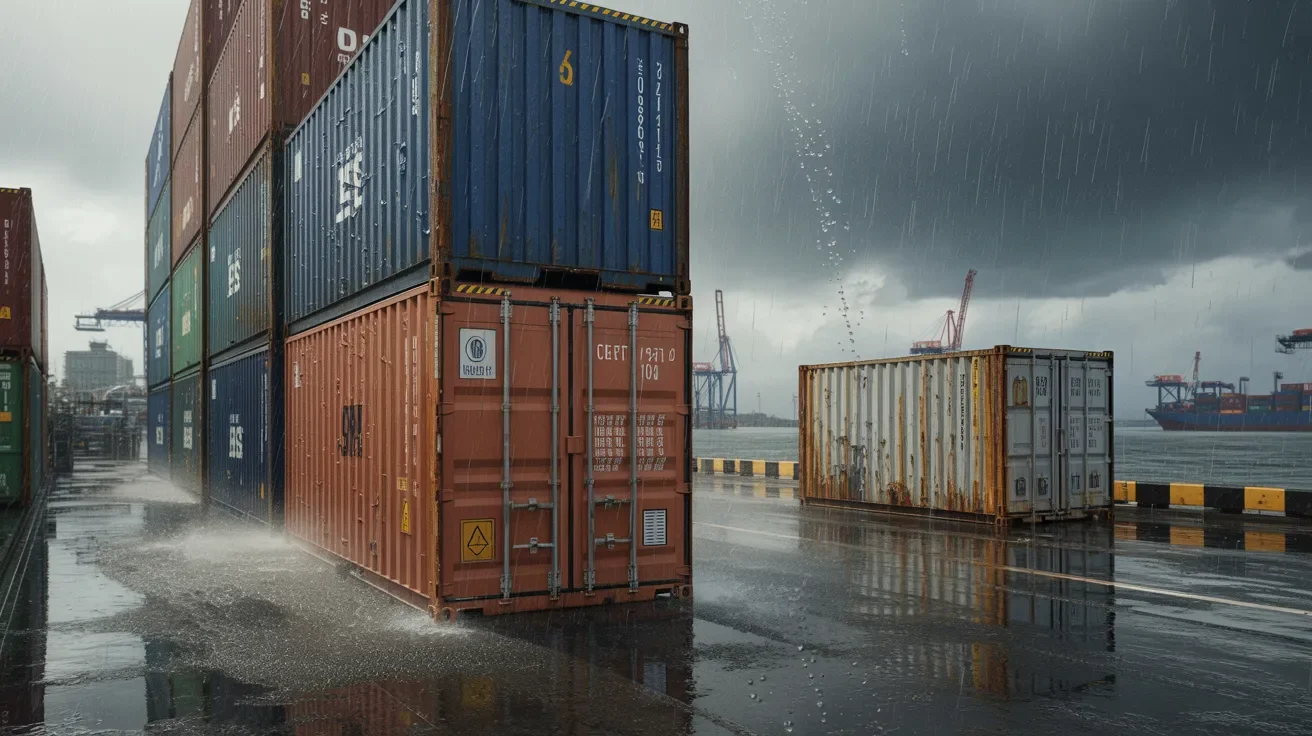
The material a shipping container is made from affects everything. It decides how much weight the container can hold, how long it lasts, and how well it protects your cargo.
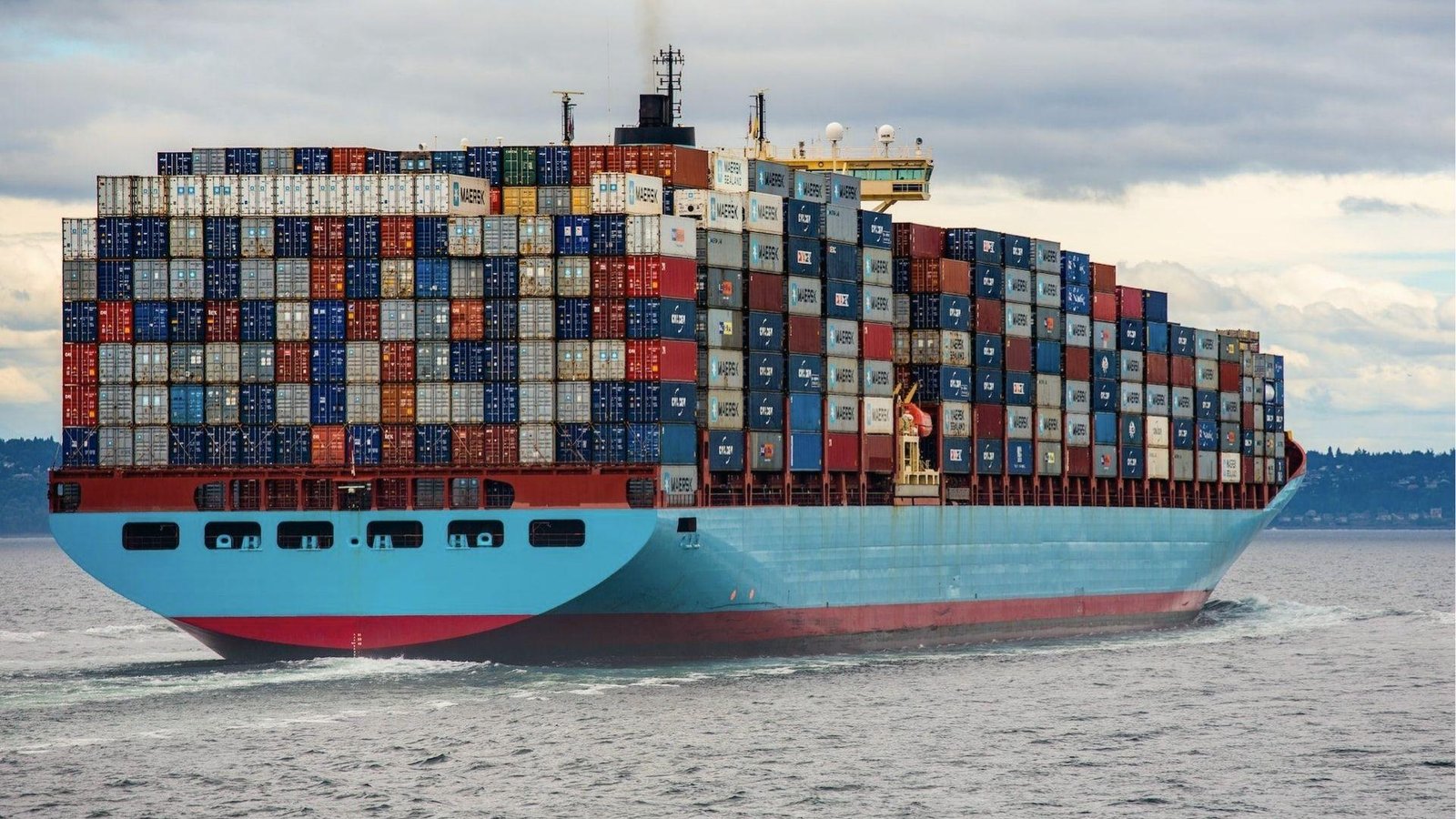
A container used for ocean freight faces salt, moisture, and heavy stacking pressure every single day.
One used for chemical storage needs to resist corrosion from the inside out. Choosing the wrong material leads to structural damage, cargo loss, and high repair costs.
The right material, on the other hand, keeps goods safe through tough conditions without constant maintenance or replacement.
Special Materials Used in Shipping Containers
Every material in a shipping container has a specific job. Here's a breakdown of what goes into building one.
Corten Steel (Weathering Steel)

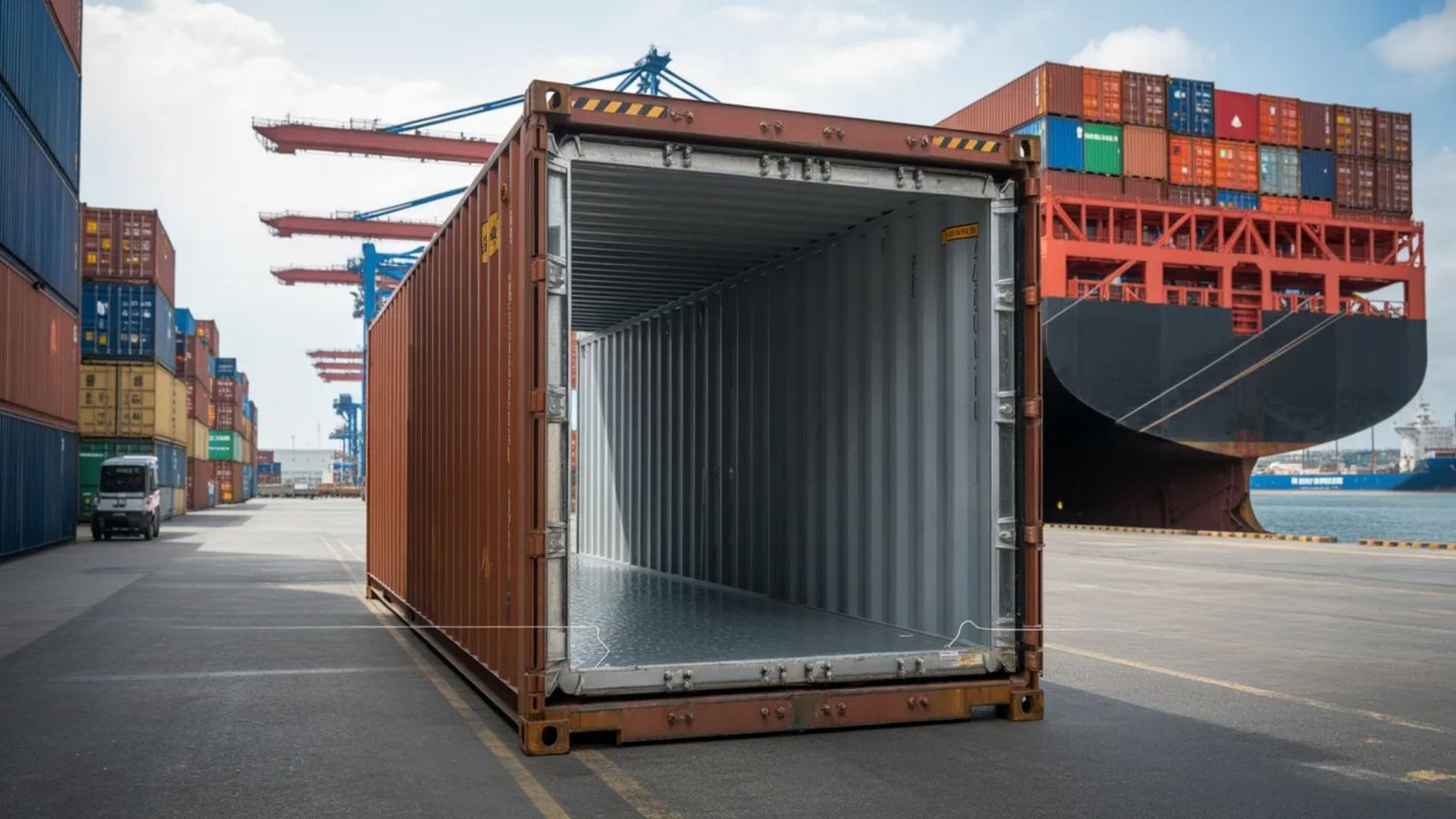
Corten steel is the main material used in most standard shipping containers. It's a special steel alloy built to handle harsh weather conditions without breaking down.
What makes it stand out is that it forms a protective rust layer on the surface. This outer layer actually stops deeper corrosion from forming underneath.
It's strong, long-lasting, and needs very little maintenance.
This makes it the go-to choice for marine transport and outdoor storage, where containers face constant exposure to salt air and heavy rain.
Corrugated Steel Design

The steel used in containers isn't flat. It's shaped into ridged, wave-like panels called corrugated steel.
This design adds a lot of strength without adding extra weight. The ridges allow the panels to handle heavy loads and resist bending under pressure.
Containers are often stacked six to nine units high, and corrugated steel is what makes that possible.
It gives the walls rigidity so the structure stays intact even under serious stacking and load conditions at sea or in storage yards.
Aluminum
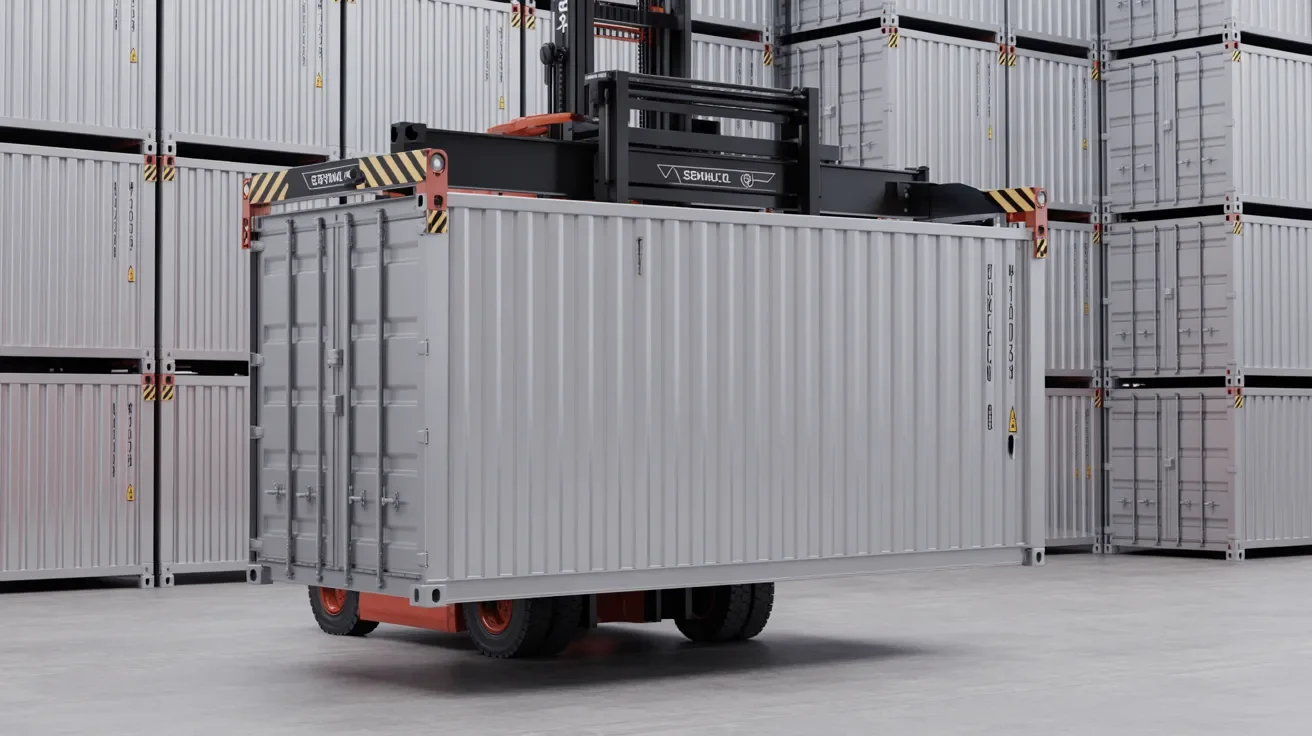
Aluminum is a lighter option compared to steel. It resists corrosion naturally, so it doesn't need as much protective coating.
This makes it easier to handle and move around, especially for domestic transport where containers aren't stacked as high.
It works well for lighter cargo that doesn't require heavy-duty structural support. However, aluminum isn't suitable for heavy stacking or extreme load conditions.
It's a practical choice when weight savings matter more than maximum strength.
Polyethylene (HDPE and LDPE)

Polyethylene is used in specialized containers built for liquids and chemicals. It resists corrosion and chemical reactions very well, which makes it safe for storing hazardous materials.
HDPE, or high-density polyethylene, is rigid and strong. LDPE, or low-density polyethylene, is more flexible and lightweight.
Both types are commonly used for water storage and chemical transport where steel would corrode or react with the contents.
These containers are built for specific jobs that standard steel units simply can't handle safely.
Marine-Grade Plywood Flooring
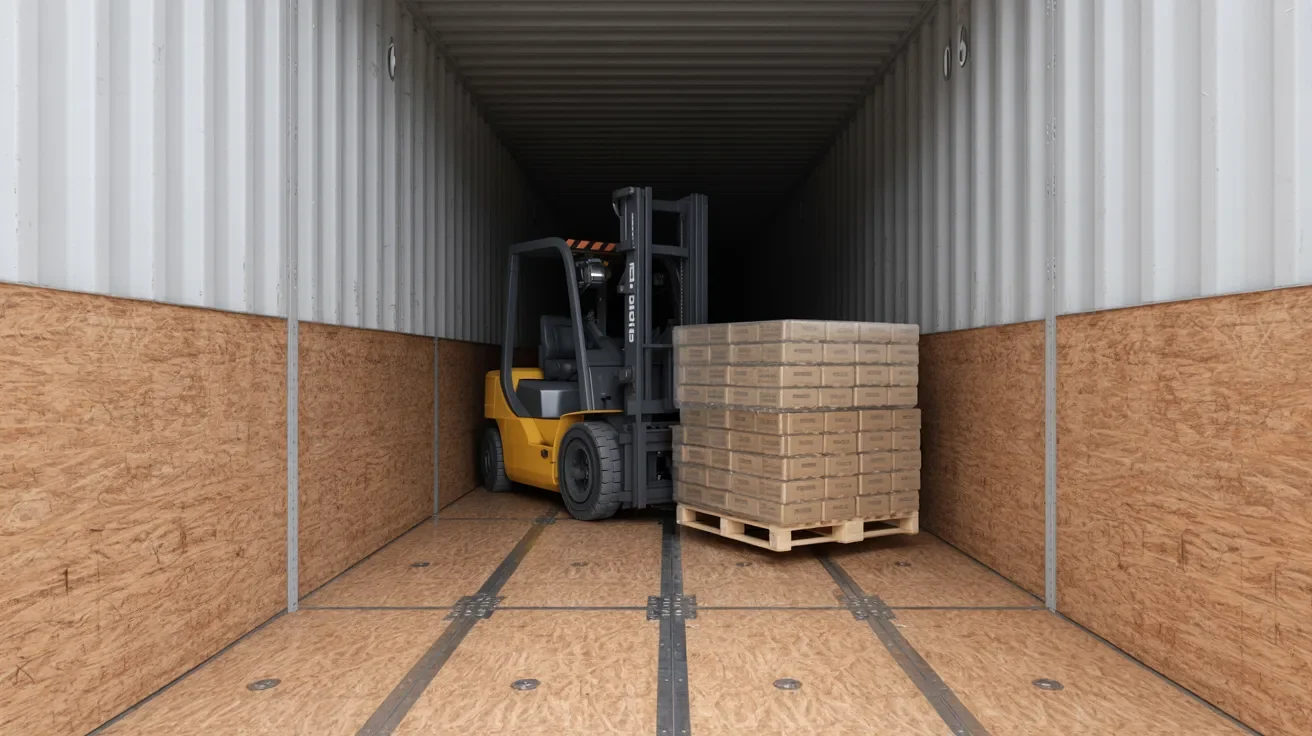
The inside floor of most shipping containers is made from marine-grade plywood. This isn't regular wood. It's built in layers, pressed together tightly for strength.
It's treated to resist moisture and pests, which is important when containers travel across oceans or sit in humid environments.
The flooring needs to hold heavy loads without warping or cracking. Marine-grade plywood handles that well.
It also gives forklifts and pallet jacks a stable surface to work on when loading and unloading cargo.
Structural Components Made from Steel
The steel framework inside a container does the heavy lifting. These parts keep everything strong and secure.
Corner Castings

Corner castings are thick, reinforced steel fittings placed at all eight corners of a container. They're not just decorative.
They're the points used for lifting the container with cranes and connecting it to other containers when stacking. Without strong corner castings, transport and handling would be unsafe.
Every standard container follows the same corner casting dimensions so they work with the same equipment worldwide.
Cross Members (Floor Beams)
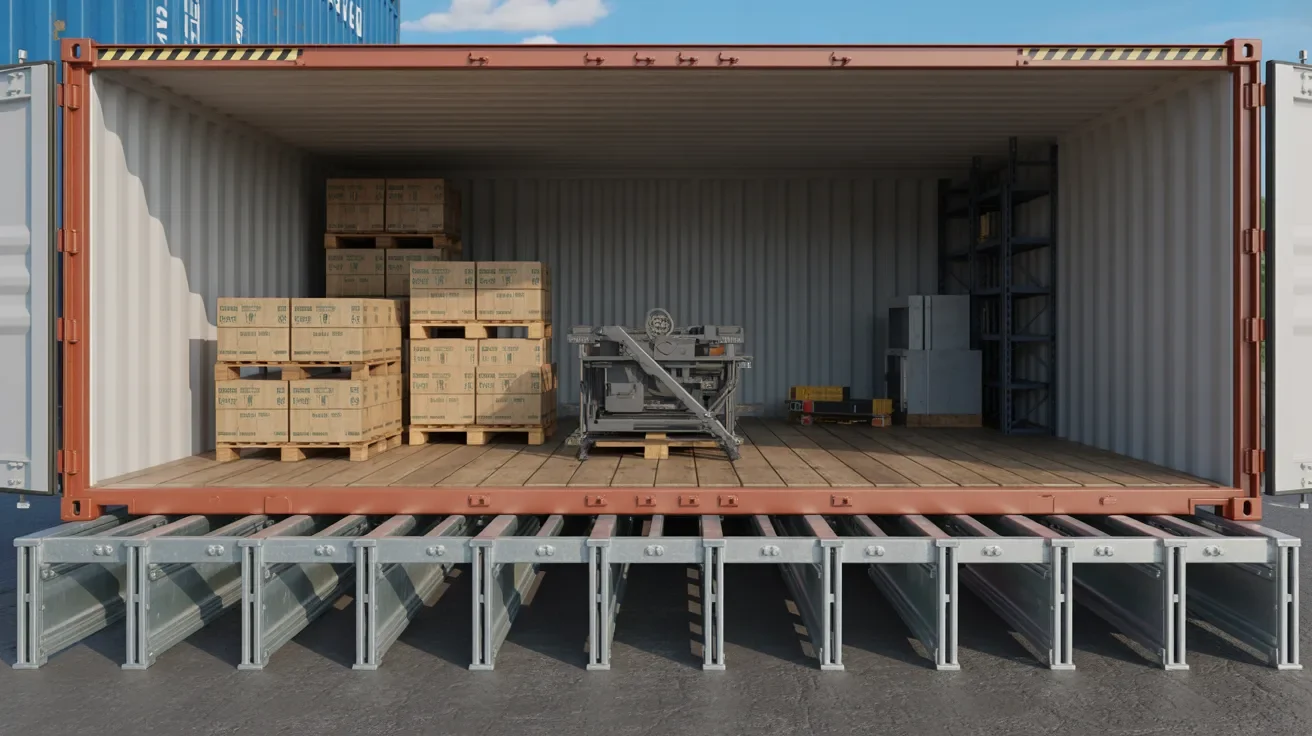
Cross members are steel beams that run across the bottom of the container under the floor. They support the weight of everything loaded inside and spread that weight evenly across the base.
They also raise the container slightly off the ground, which helps reduce moisture damage from below.
A well-built cross member system prevents floor sagging even when the container is loaded with heavy machinery or dense goods.
Roof Panels

Roof panels are made from steel and sit on top of the container frame. They're built to handle rain, snow, and UV exposure without caving in.
They also need to support the weight of containers stacked on top. The corrugated design used in roof panels adds strength without making the roof too heavy.
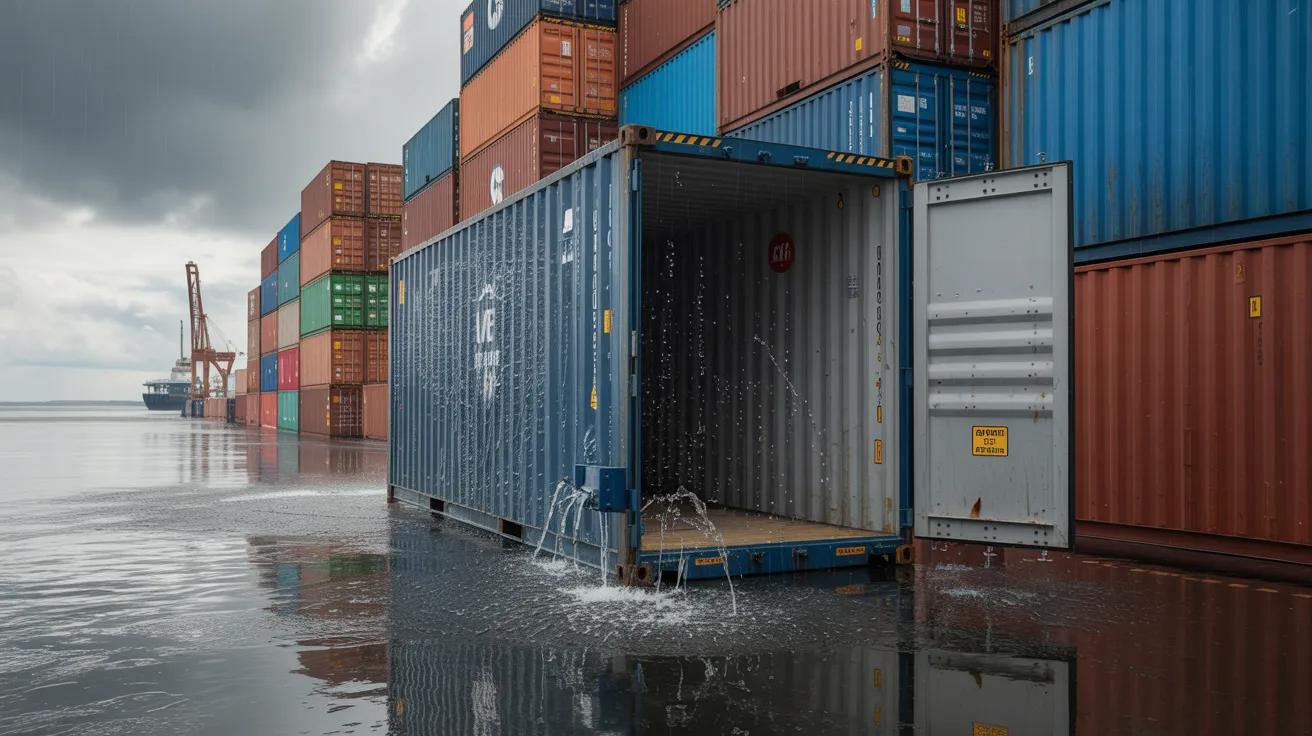
A solid roof keeps water out and cargo dry no matter what the weather looks like outside.
Cargo Doors

Cargo doors are made from heavy-duty steel and sit at one or both ends of the container. They're fitted with rubber seals around the edges to block water and air from getting inside.
The locking rods and handles are built to stay secure during transport. A tight door seal is what keeps moisture, pests, and dust out of the cargo.
Good door construction is one of the most important parts of keeping a container weatherproof and safe.
Protective Coatings and Finishing Materials
Once the steel structure is built, it needs protection from the outside world.
Industrial paint and anti-corrosion coatings are applied to the exterior and sometimes the interior of containers to guard against rust, moisture, and UV damage.
Epoxy coatings create a hard, protective layer that bonds tightly to the steel surface.
Zinc-rich coatings go a step further by actively protecting the metal even if the coating gets scratched.
These finishes are what keep containers looking solid and structurally sound for years, especially in marine and outdoor environments where exposure is constant.
How These Materials Hold Up in Real Conditions

A shipping container doesn't sit in a climate-controlled room. It travels through salt air, heavy rain, extreme heat, and freezing temperatures, sometimes all in one trip.
Corten steel handles outdoor exposure without constant maintenance. Corrugated walls resist bending under stacking pressure.
Epoxy and zinc coatings block rust before it starts. Marine plywood keeps the floor stable even in humid cargo holds.
These materials weren't chosen because they're cheap or easy to source. They were chosen because they hold up where others fail.
Conclusion
Now you know what actually goes into building a shipping container. It's not just steel and paint.
Every material, from Corten steel to marine-grade plywood, is chosen for a reason.
I found this genuinely interesting once I started looking into it, and I hope it cleared things up for you too.
Got a question? Drop it in the comments below. Share this post with someone in logistics or shipping.
It might be exactly what they needed to read today.
Frequently Asked Questions
What is the main material used in shipping containers?
Corten steel, also called weathering steel, is the primary material used in most standard shipping containers.
Why is corrugated steel used instead of flat steel in containers?
The ridged design adds structural strength and helps containers handle heavy loads and stacking pressure.
Are all shipping containers made from steel?
Most are, but some specialized containers use aluminum, polyethylene, or a combination depending on the cargo type.
How long do shipping containers last?
A well-maintained steel shipping container can last 20 to 25 years or more in regular use.
What protects shipping containers from rust and corrosion?
Anti-corrosion coatings like epoxy and zinc-rich paint, along with the natural properties of Corten steel, protect containers from rust.