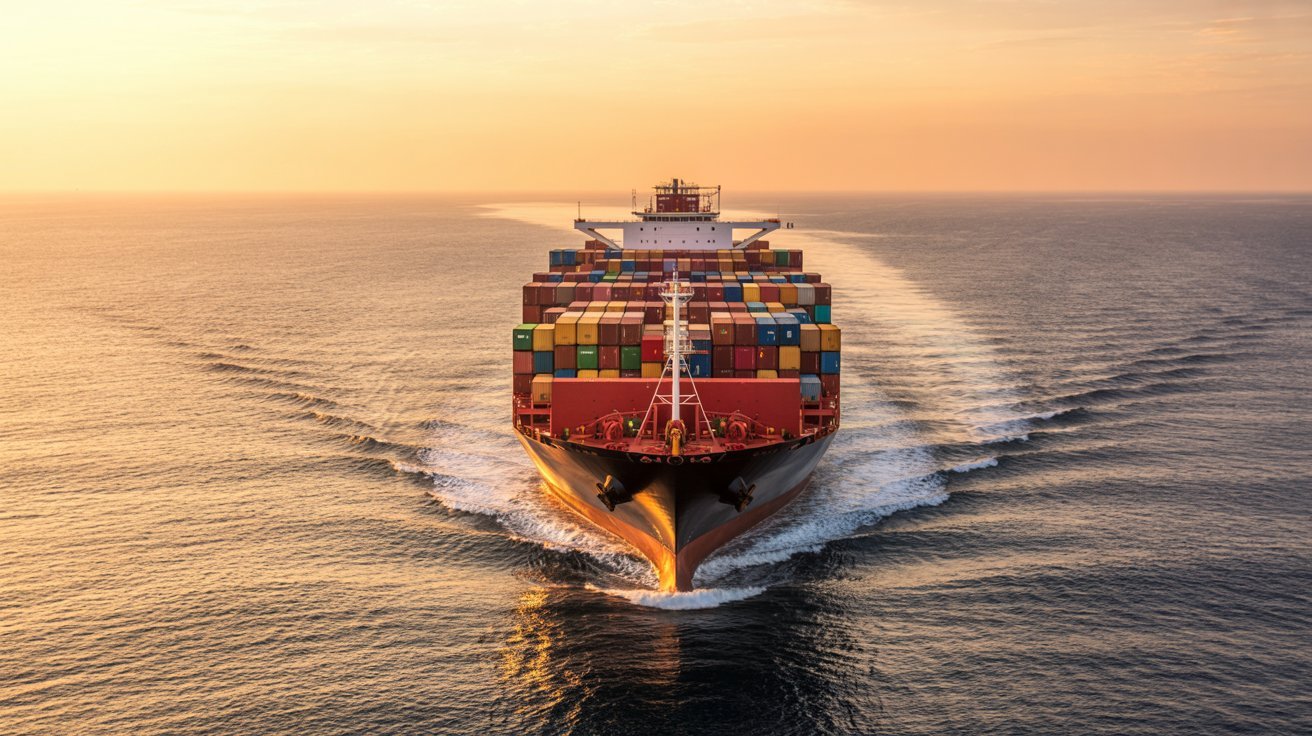
Shipping a container overseas sounds simple until you see the price tag.
The truth is, costs can swing wildly depending on where you're sending it, how big the container is, and what's happening in the global market that week.
I've seen people budget one amount and pay double. That happens when you don't know what to look for.
In this post, I'll walk you through everything that affects the final number, so you can plan smart and avoid nasty surprises at checkout.
Average Cost to Ship a Container Overseas

Container shipping costs are not one-size-fits-all. The price depends on the container size, the route, and the time of year.
20-Foot Container (TEU) Costs
A 20-foot container is the standard choice for smaller shipments like household goods or a partial business load. The average cost runs between $1,000 and $5,000+. You pay for what you need, nothing more.
40-Foot Container (FEU) Costs
A 40-foot container fits roughly double the cargo of a TEU. Prices range from $1,000 to $10,000, but the cost per unit of cargo is usually lower. If you're shipping in bulk, going bigger often saves you money.
International vs Domestic Shipping Costs
International shipping averages $2,500 to $6,000+. Fuel surcharges, port fees, and customs handling all add to the final bill. Domestic shipping is cheaper but still varies based on distance and route.
Key Factors That Affect Container Shipping Costs

No two shipments cost the same. Here are the main things that move the price up or down.
Shipping Distance and Route
The farther the destination, the higher the cost. But distance isn't the only thing that matters. Popular trade lanes like Asia to Europe or Asia to North America tend to have more competitive rates because carriers run those routes frequently.
Remote or less-traveled routes cost more. Fewer ships, fewer options, higher prices.
Container Size and Type
A standard dry container is the most affordable option. But if your cargo needs temperature control, you'll need a reefer container, and that adds to the cost.
Open-top or flat-rack containers for oversized cargo also come at a premium. The more specialized the container, the more you pay.
Shipping Method (FCL vs LCL)
FCL means you book the entire container. It's straightforward and often cheaper per unit for large loads.
LCL means your cargo shares space with others. It looks cheaper upfront, but handling fees, extra documentation, and longer transit times can quietly push the cost up.
Mode of Transport
Sea freight is the most budget-friendly option for large shipments. Air freight is fast but can cost five to ten times more. Road transport works well for short cross-border moves but isn't practical for long-distance overseas shipping.
Supply and Demand
Shipping rates go up during peak seasons like pre-holiday months or major sales periods. When port congestion hits or carrier capacity drops, prices spike fast. Booking early helps you avoid paying surge rates.
Additional Costs in Container Shipping
The base freight rate is just the starting point. Carriers add a BAF to cover fuel changes and a Peak Season Surcharge during busy periods.
Ports charge Terminal Handling fees at both ends, plus loading and unloading costs. Import and export duties vary by cargo type and destination, and some shipments face inspection fees too.
Cargo insurance is a must and is priced based on your cargo's value. Inland pickup and delivery add to the final bill, with door-to-door costing more than port-to-port.
Container Shipping Rates Across Popular Routes

Where you're shipping from and to makes a big difference in what you'll pay.
Asia to North America is one of the busiest trade lanes in the world. A 20-foot container on this route typically costs between $1,500 and $4,000. Rates jump during peak seasons and drop when demand is low.
Asia to Europe follows a similar pattern. Prices usually range from $1,200 to $3,500 for a standard container, depending on the carrier and season.
Your location plays a huge role too. Shipping from a major port city is almost always cheaper than shipping from a smaller or inland location. More carriers, more competition, better rates.
20ft vs 40ft Container: Cost Comparison
Choosing the right container size can save you a good chunk of money, so here's a quick side-by-side to help you decide.
| Feature | 20ft Container | 40ft Container |
| Capacity | ~1,170 cubic feet | ~2,390 cubic feet |
| Average Cost | $1,000 – $5,000+ | $1,000 – $10,000 |
| Cost Per Unit | Higher per unit | Lower per unit |
| Best For | Small or partial loads | Bulk or large shipments |
| Ideal Situation | First-time or personal moves | Furniture or oversized cargo |
| Budget Pick | Less cargo, tighter budget | More value per cubic foot |
Tips to Reduce Container Shipping Costs
- Ship During Off-Peak Seasons: Rates drop significantly outside of holiday and peak demand periods. Booking during slower months can save you hundreds of dollars.
- Optimise Container Space: Pack your cargo efficiently to use every cubic foot you're paying for. Wasted space means wasted money.
- Choose the Right Shipping Method: FCL works better for large loads, while LCL suits smaller ones. Picking the wrong method means overpaying from the start.
- Compare Multiple Providers: Don't settle for the first quote you get. Shopping around often reveals better rates for the same route.
- Plan and Book Early: Last-minute bookings almost always cost more. Locking in your shipment early gives you access to lower, more stable rates.
Conclusion
Shipping a container overseas doesn't have to break the bank. Once you know what drives the cost, you can plan better and avoid overpaying.
The size of your container, the route, the season, and the extra fees all add up fast. So compare quotes, book early, and read every line of that invoice.
Ready to ship smarter? Start getting quotes today and see how much you can save with the right plan in place.
Frequently Asked Questions
How much does it cost to ship a 20-foot container overseas?
A 20-foot container typically costs between $1,000 and $5,000+ depending on the route, season, and carrier. Extra charges like port fees and customs duties will add to that base rate.
What is the cheapest way to ship a container internationally?
Sea freight is the most budget-friendly option for large shipments. Booking during off-peak seasons and comparing multiple carriers can help you get the lowest possible rate.
Why are international shipping costs so high?
International shipping involves fuel surcharges, port handling fees, customs duties, and insurance costs. All of these stack on top of the base freight rate, pushing the final bill higher.
What is the difference between FCL and LCL shipping?
FCL means you book the full container, which works best for large loads. LCL means sharing container space with other shippers, which suits smaller cargo but often comes with extra handling fees.
How long does it take to ship a container overseas?
Transit times vary by route. Asia to North America typically takes 14 to 30 days, while Asia to Europe can take 20 to 35 days. Delays at ports or customs can add more time.