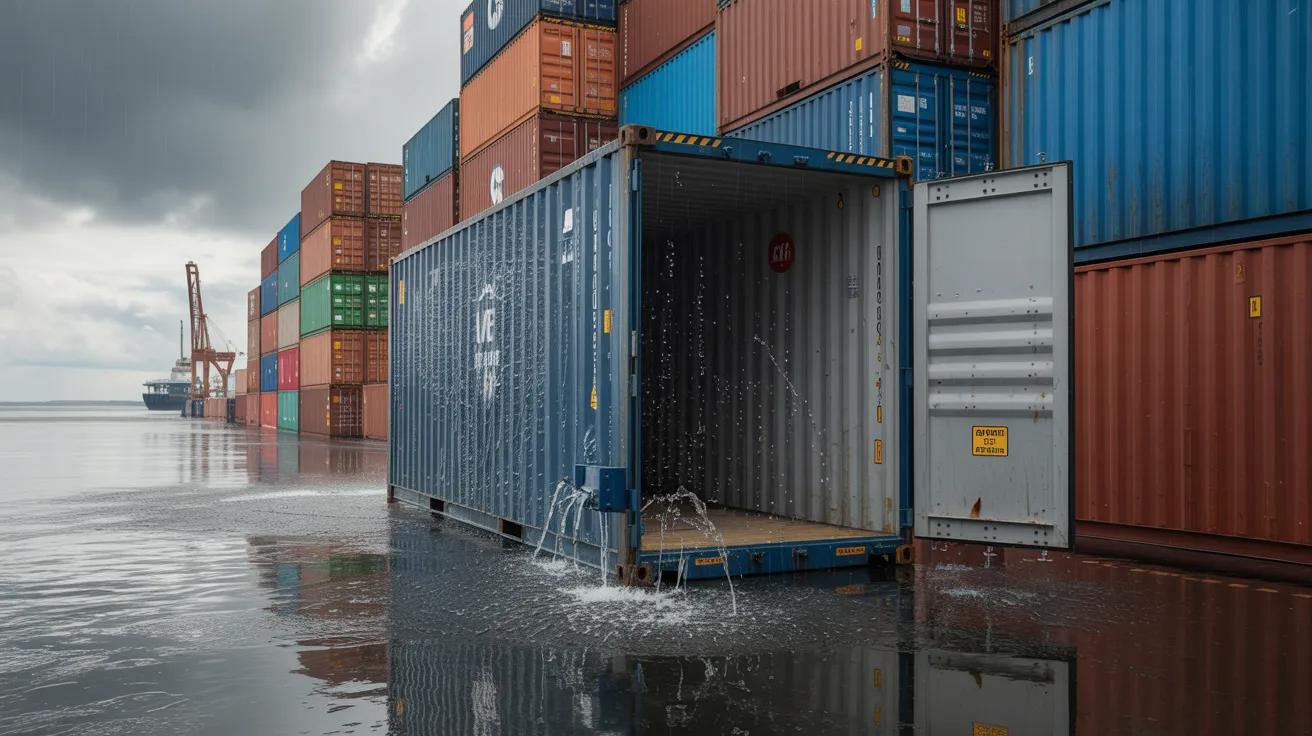


Most people only check the length of a shipping container. The width gets ignored, and that is where things go wrong at the loading stage.
I have talked to enough buyers and renters to know this is one of the most common mistakes.
A 40-foot container is 8 feet wide on the outside, but the inside is a different number. That gap matters, especially when you are fitting pallets or planning a build.
This guide gives you every measurement you need, all in one place.
How Wide Is a 40 Foot Shipping Container?

A standard 40-foot shipping container is 8 feet wide on the outside. That comes to 2.44 meters.
But the usable inside width is a little less. You get about 7 feet 9 inches, which is around 2.35 meters.
The difference comes from the wall thickness. The steel walls on both sides take up some space, so the interior is always slightly narrower than the exterior.
Complete Dimensions of a 40 Foot Shipping Container
A 40-foot shipping container has fixed outer and inner measurements. Knowing them helps you plan better.
Exterior Dimensions
Here are the outer measurements of a standard 40-foot container:
- Length: 40 ft (12.19 m)
- Width: 8 ft (2.44 m)
- Height: 8 ft 6 in (2.59 m)
These are the numbers you work with for shipping, parking, and site planning.
Interior Dimensions
The inside is a bit smaller once you account for the walls:
- Length: approx. 39 ft 5 in
- Width: approx. 7 ft 9 in
- Height: approx. 7 ft 10 in
This is the actual space you can use for storage, goods, or any other purpose.
Total Storage Capacity
A 40-foot container gives you around 67.7 cubic meters (CBM) of usable volume. That is a solid amount of space for most needs.
In square footage terms, the floor space comes to roughly 305 square feet. That is close to the size of a small studio apartment.
So if you are planning a storage setup or a conversion project, you have quite a bit of room to work with.
Why Is a 40 Foot Container 8 Feet Wide?

The 8-foot width is not random. There is a solid reason behind it.
ISO Standardization Explained
The International Organization for Standardization, or ISO, set fixed size rules for shipping containers. These rules apply across the world.
The 8-foot width fits perfectly on cargo ships, freight trucks, and railway flatcars. This makes it easy to move containers from one type of transport to another without any adjustments.
Benefits of Standard Width
Because every container follows the same width, stacking them is simple and safe. Ports and freight yards are built around these exact measurements.
It also speeds up loading and unloading at ports. Workers and machinery know exactly what to expect every time. This keeps global shipping fast, cost-effective, and consistent.
Internal Width vs External Width: What You Need to Know
The outside and inside measurements of a 40-foot container are not the same. Here is what causes that gap.
Wall Thickness Impact
The container is built with thick corrugated steel walls. These walls run along both sides. That steel takes up space, which is why the internal width comes to around 7 feet 9 inches instead of the full 8 feet outside.
It is not a flaw. It is just how the structure works.
Door Opening Width
The door opening is slightly narrower than the internal width. The door frame and fittings take up a small amount of extra space on each side.
This matters when you are loading large items. Always check the door width before moving in big equipment, furniture, or bulky cargo. A tight door opening can slow things down if you have not planned for it.
40 Foot High Cube Container Width & Height Differences

A high cube container looks taller, but does the width change too? Let's clear that up.
Is the Width Different in High Cube Containers?
No, the width stays the same. A 40-foot high cube container still measures 8 feet on the outside. The extra "cube" in the name refers only to the added height, not a wider body.
So if width is your main concern, a high cube gives you the exact same external width as a standard container.
Extra Height Advantage
Here is where the high cube stands out. The external height goes up to 9 feet 6 inches, compared to 8 feet 6 inches on a standard container.
That one extra foot makes a real difference on the inside. You get more vertical space for tall items, stacked goods, or overhead clearance if you are converting the container into a room or workspace.
For anyone storing large equipment or planning a build-out, the extra height is worth considering.
How Width Affects Cargo Loading

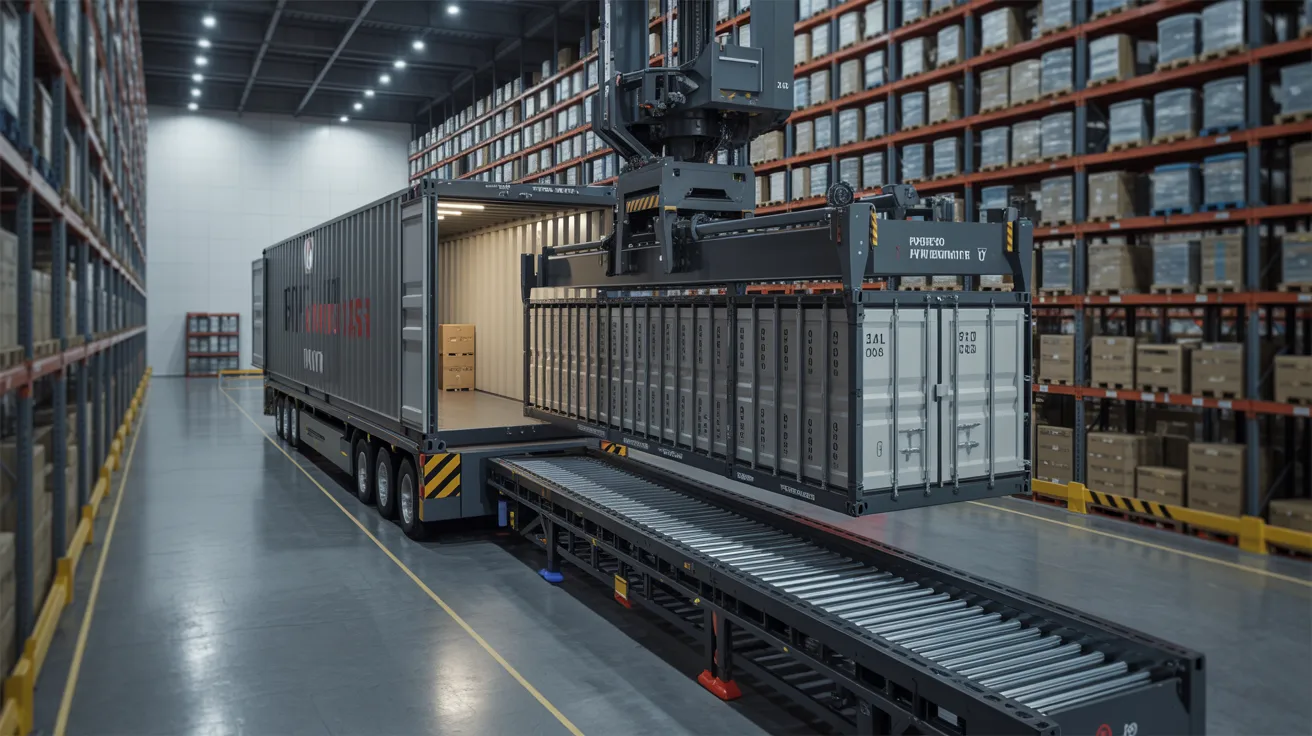
The 7 feet 9 inch internal width fits two Euro pallets side by side, but two standard US pallets are a tighter squeeze. Knowing this before you load saves a lot of time.
Always plan your layout before putting anything inside. Small gaps on each side add up fast and waste usable floor space. Sketch a rough plan first, load the widest items first, and work your way inward for the best use of space.
40 Foot Container Width Compared to Other Sizes
Most container types share the same 8-foot width. Only a few specialized options differ slightly.
| Container Type | External Width | Internal Width | Notes |
| 20 Foot Standard | 8 ft (2.44 m) | 7 ft 9 in (2.35 m) | Same width as 40 ft |
| 40 Foot Standard | 8 ft (2.44 m) | 7 ft 9 in (2.35 m) | Most common size |
| 40 Foot High Cube | 8 ft (2.44 m) | 7 ft 9 in (2.35 m) | Only height differs |
| Pallet-Wide Container | 8 ft 2 in (2.50 m) | 8 ft (2.44 m) | Slightly wider build |
Width stays consistent across most container types. The only exception is the pallet-wide container, which gives you a little extra room on the inside for better pallet fitting.
Pro Tips for Choosing the Right Container Size
- Always measure your largest cargo first. Do not assume a standard container will fit everything.
- Check both width and height before booking. One wrong measurement can cause loading problems.
- Match your pallet type to the container width. Euro and US pallets fit differently inside a 40-foot container.
- If you need more vertical room, go for a high cube. It gives you an extra foot of height at a small cost difference.
- Plan your full load layout before you confirm the container size. A quick sketch saves time, money, and last-minute stress.
Conclusion
A 40-foot shipping container is 8 feet wide on the outside and about 7 feet 9 inches on the inside. That difference matters more than most people think.
I have seen poorly planned loads waste half the available space. Knowing the usable width before you book saves you money and frustration.
Always plan your cargo layout first.
Got questions about container sizes? Drop them in the comments or contact us. We are happy to help you get it right.
Frequently Asked Questions
What is the standard width of a 40-foot shipping container?
A standard 40-foot shipping container is 8 feet wide on the outside. The usable inside width is about 7 feet 9 inches.
Is the width the same for a 40-foot high cube container?
Yes, the external width stays at 8 feet for high cube containers too. Only the height increases, not the width.
How wide is the door opening on a 40-foot container?
The door opening is slightly narrower than the internal width due to the door frame. Always check this before loading large or bulky items.
Can two pallets fit side by side in a 40-foot container?
Two Euro pallets fit side by side comfortably within the 7 feet 9 inch internal width. Standard US pallets are a tighter fit and need careful planning.
Why does the internal width differ from the external width?
The steel walls on both sides take up space, reducing the inside measurement. This is normal for all shipping containers, not a defect.