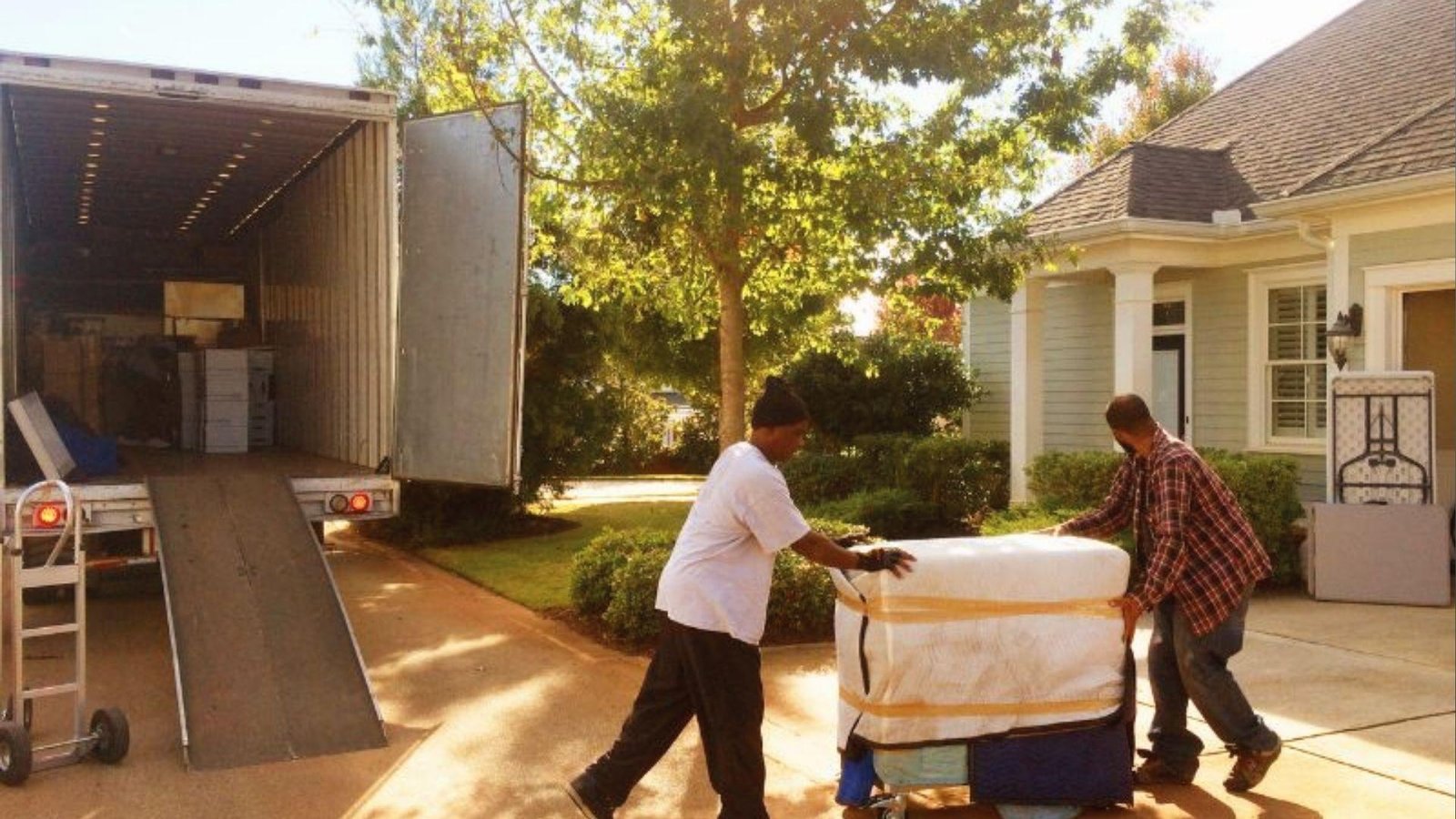

Moving a mobile home is not simple, and the costs can catch you off guard. I've seen people overpay by thousands just because they didn't know where to start.
This article breaks down the cheapest way to move a mobile home without losing sleep over it. You'll learn what affects the price, how to compare movers, and what hidden fees to avoid.
I'll also share practical tips that actually work. With over a decade of research in moving and housing, the advice here is straightforward and tested.
Understanding Mobile Home Moving Costs
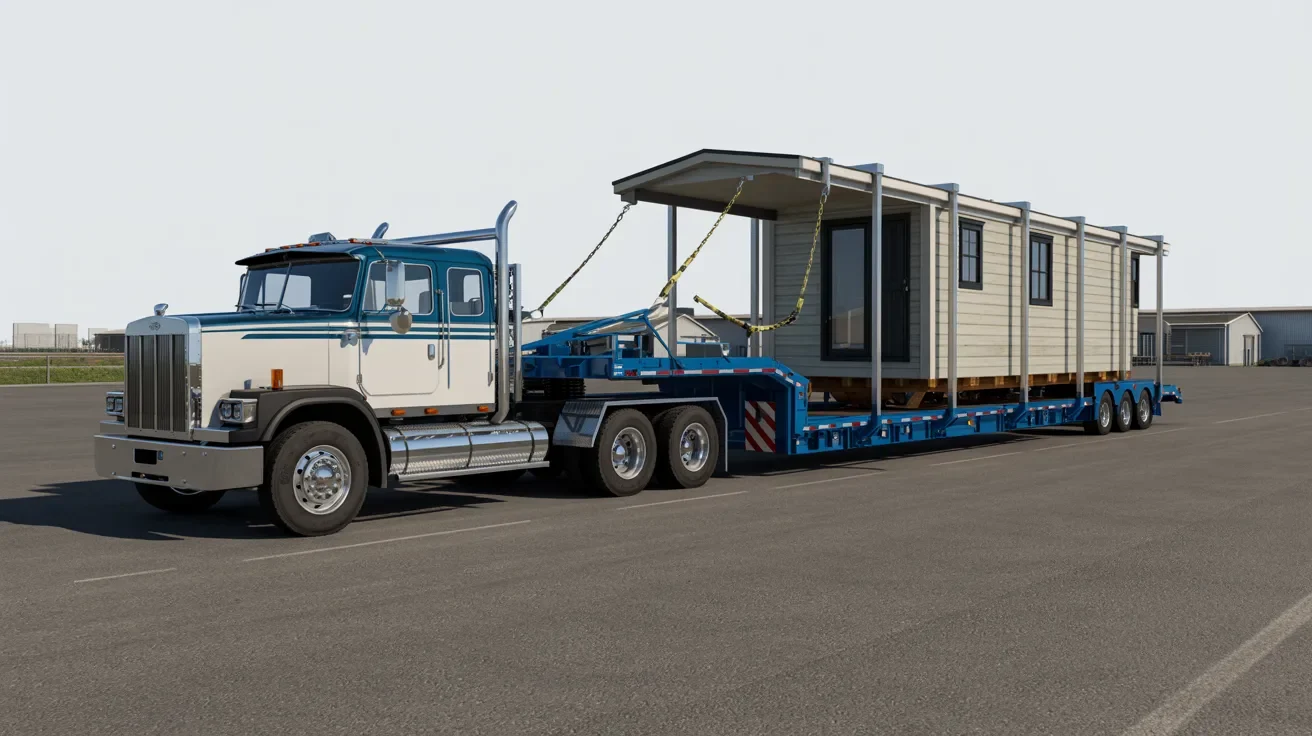
Moving a mobile home typically costs between $3,000 and $25,000 or more. Single-wide homes usually run $3,000 to $8,000, double-wides cost $10,000 to $15,000, and triple-wides can exceed $25,000.
The wider the home, the higher the price. Several things affect your total cost. Distance matters a lot since local moves under 50 miles cost far less than cross-state ones.
Home size and condition play a role too, as older or larger homes need more prep. Permits are required in most states and add to the bill.
Finally, transport-only service costs less than full-service, which includes setup and utility hookups.
Choosing the Cheapest Moving Option
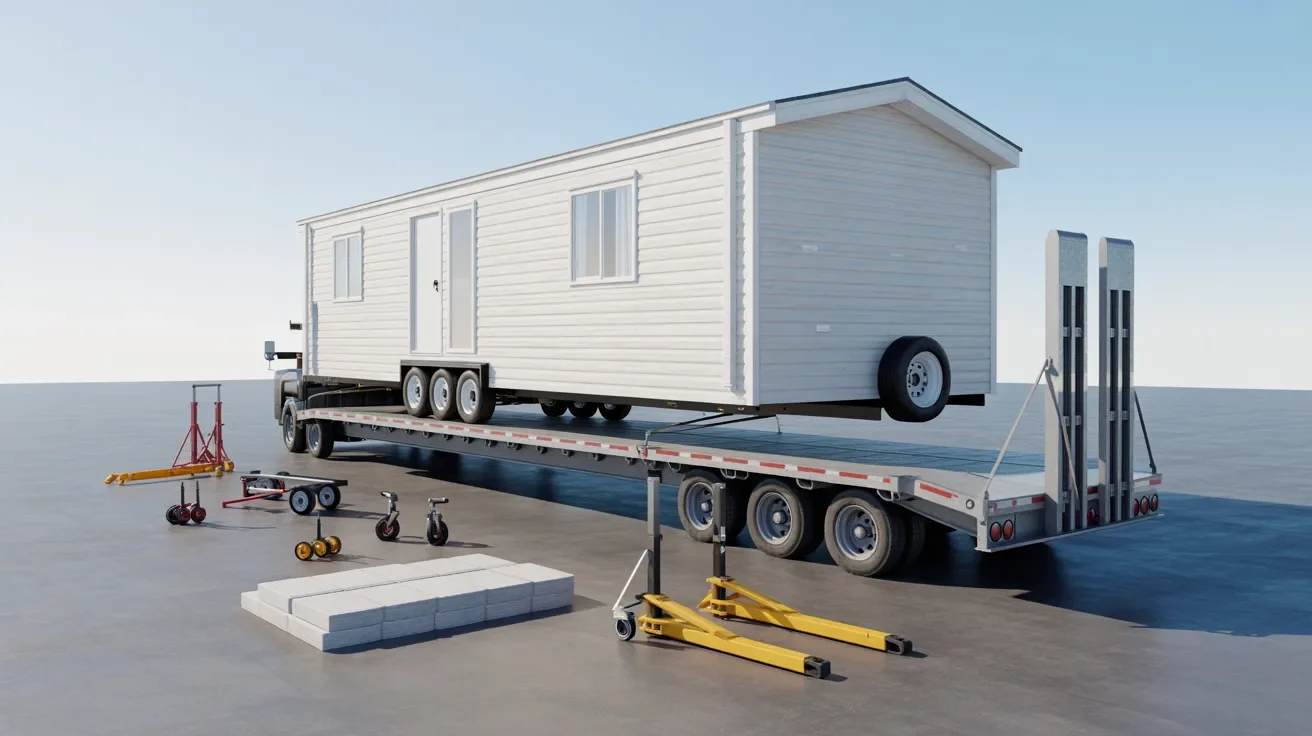
Picking the right type of service from the start can save you thousands.
Transport-Only Services
This is the most budget-friendly option. The mover transports your home from point A to point B, and that's it.
- What's included: Hauling, basic permits, blocking.
- What's not included: Disconnecting utilities, site setup, or installation.
If you're comfortable handling the prep work yourself, this option saves real money.
DIY Mobile Home Move (When It Works)
Some people attempt a self-move. It works best for very short distances on private property.
Pros: No labor costs.
Risks: High.
You need a special truck, valid permits, and knowledge of local road rules. One mistake can damage the structure or cause legal trouble.
For most people, hiring a licensed mover is safer and often not much more expensive once you add up equipment rentals.
Comparing Full-Service vs Budget Options
Full-service movers handle everything, including disconnection, transport, and setup. They cost more but reduce stress.
Budget movers offer transport only. You handle the rest.
Choose full-service if your move is long, complicated, or involves a double-wide or larger. Choose a budget if it's short and you have time to manage the steps yourself.
Step-by-Step Process to Move a Mobile Home Cheaply
Moving a mobile home cheaply comes down to planning ahead, comparing options, and handling what you can yourself.
Step 1 – Plan and Compare Multiple Quotes
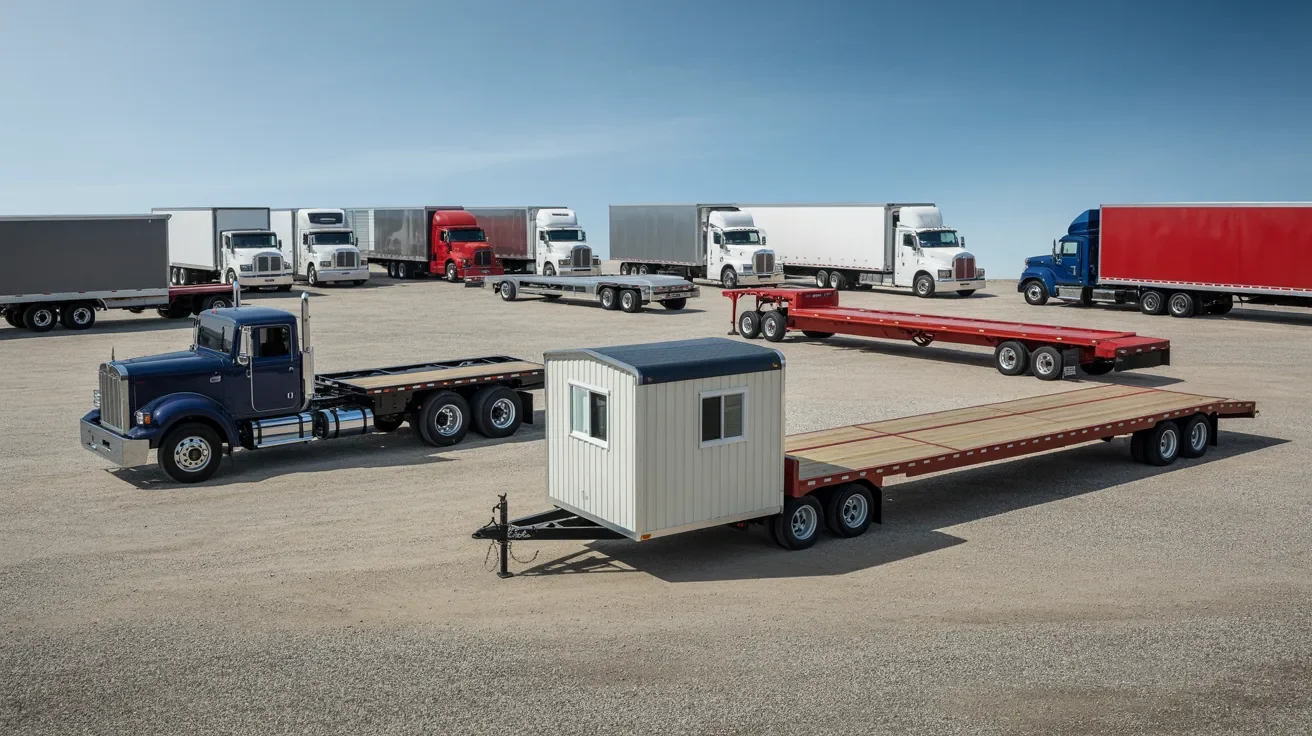
Always get at least 3 quotes from licensed mobile home movers. Prices vary a lot between companies.
When calling, have these details ready
- Home dimensions (length, width)
- Current location and destination
- Condition of the home
- Any obstacles like low bridges or narrow roads
More details = more accurate quotes = fewer surprises.
Step 2 – Prepare the Mobile Home Properly
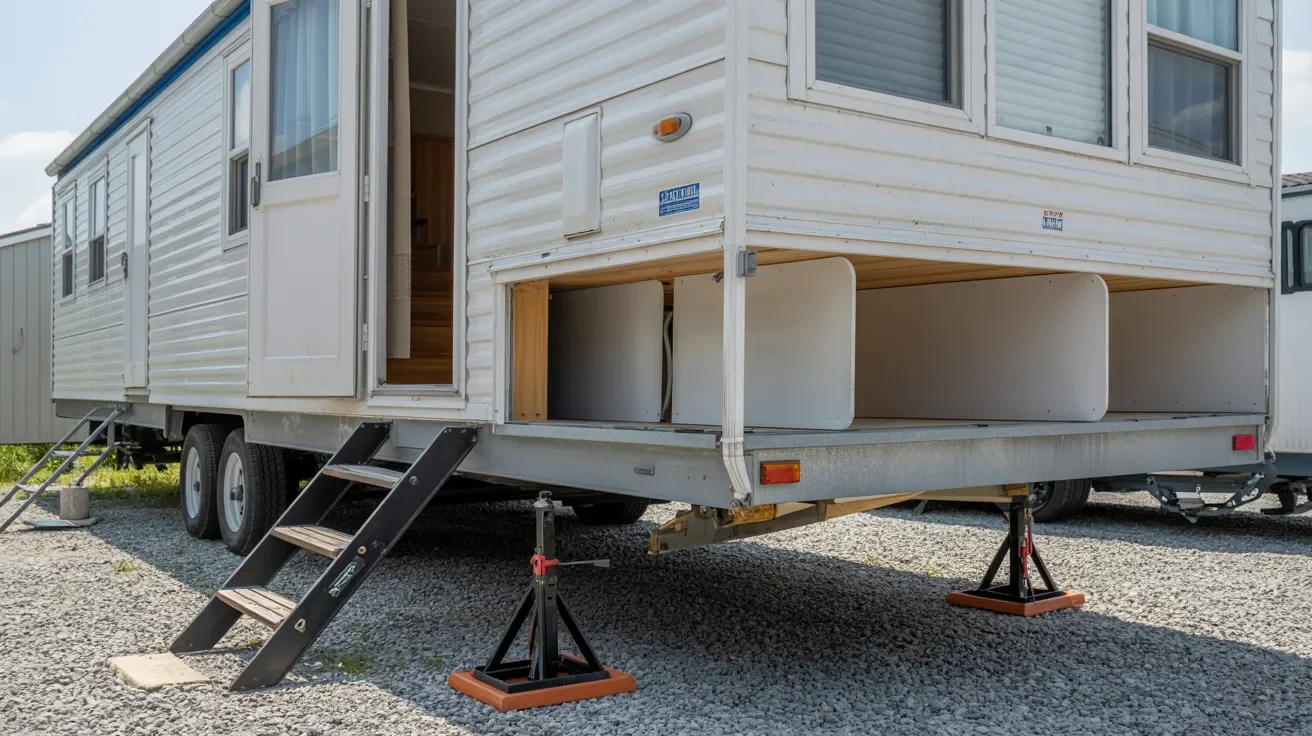
Before the move, remove anything that can be taken off
- Skirting and awnings
- Decks or porches
- Loose furniture inside
Securing the structure reduces damage risk. Damage during transport often leads to extra charges. Good prep protects your wallet.
Step 3 – Handle Permits Smartly
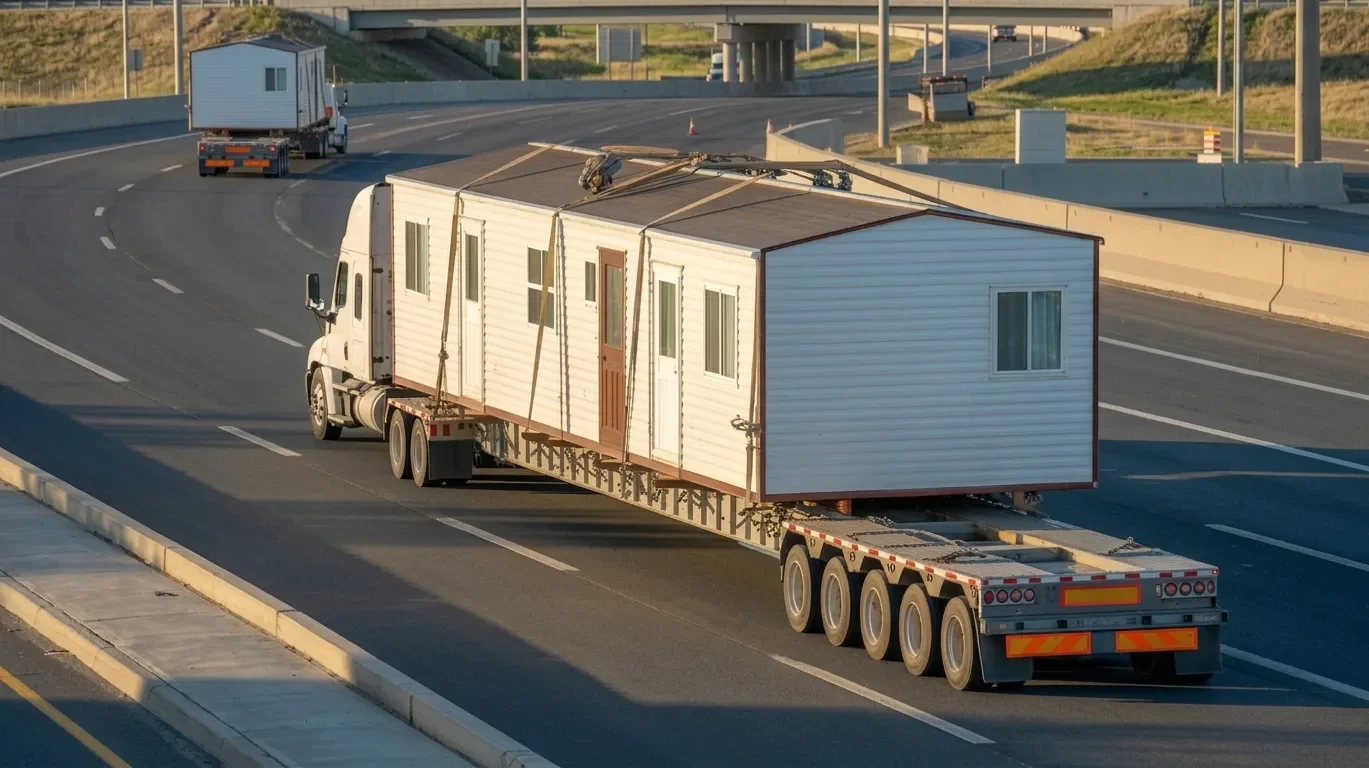
Permits are required in most states. Each county along your route may need one.
You can pull permits yourself instead of letting the mover do it for a fee. It takes time but saves money. Check with your local DMV or housing authority for the exact requirements.
Step 4 – Schedule the Move at the Right Time
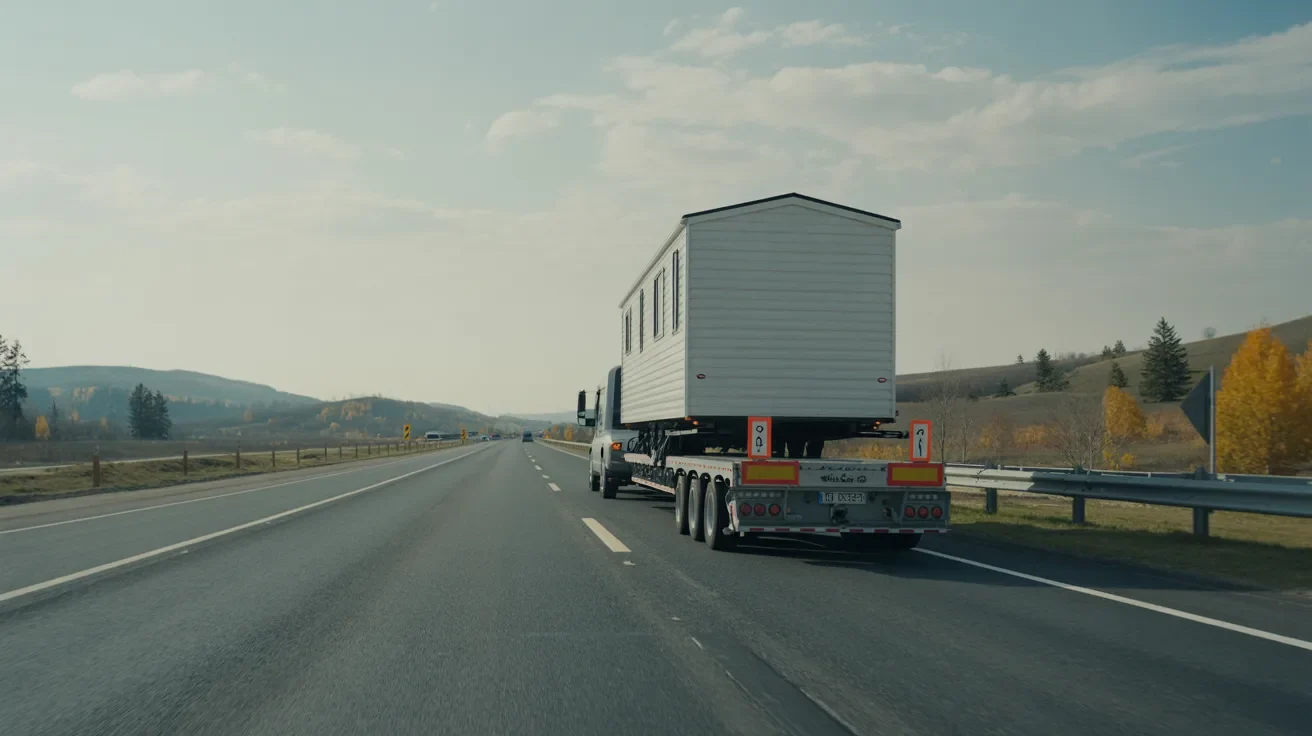
Moving during off-peak seasons (late fall or winter) is cheaper. Demand drops, and movers often offer lower rates.
Avoid moving in spring or summer if possible. That's peak season, and prices reflect it.
Hidden Costs You Should Avoid
Some fees show up late. Knowing them now helps you avoid paying more than expected.
Escort Vehicles and Special Equipment Fees
Wide or long homes need pilot or escort vehicles by law in many states. These add $1,000 to $3,000 to your total.
Ask your mover upfront if escorts are required for your route. Some companies include this. Others charge separately.
Site Preparation and Setup Charges
Your new location must be ready before the home arrives:
- Land clearing
- Foundation or pad setup
- Utility hookups (water, electricity, sewer)
These are separate from transport costs and can add $2,000 to $8,000 or more.
Insurance and Unexpected Repairs
Moving insurance is worth it. If something breaks during transport without coverage, you pay out of pocket.
Ask your mover what their liability covers. Consider short-term moving insurance if their coverage is low.
Money-Saving for a Stress-Free Move
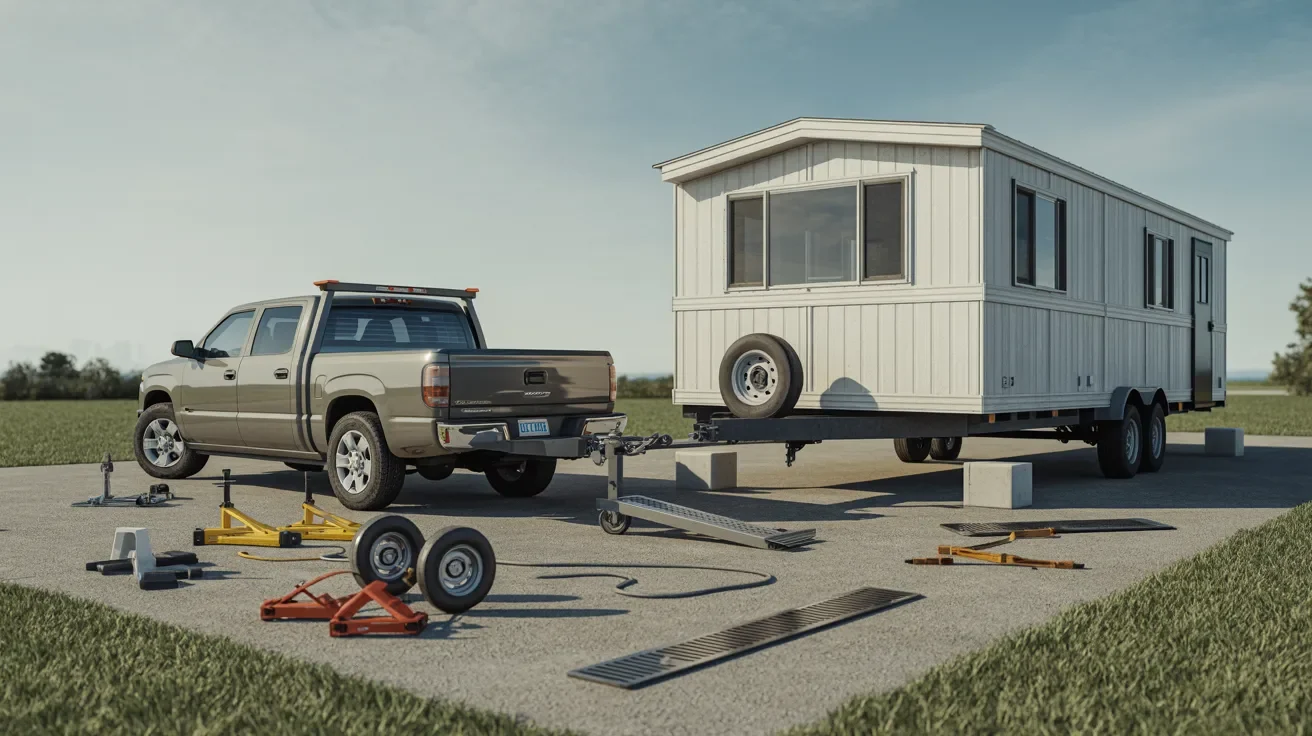
Small changes in how you plan can save you hundreds before the move even starts.
Cut Costs Before and During the Move
Remove heavy items before transport. Less weight lowers fuel and haul costs, especially on longer moves. Also, use local movers for short distances.
They know the roads, carry local permits, and skip the travel surcharges that bigger national companies add.
Book Smart and Pay Only for What You Need
Skip optional add-ons like extra insurance tiers or full setup if you can handle those tasks yourself. And book your move 4 to 8 weeks early.
Last-minute bookings almost always cost more because movers charge higher rates when demand is tight.
Temporary Storage for a Smooth Transition
Smart storage keeps your move organized and protects your belongings between locations.
Why Storage Helps During Mobile Home Moves
Sometimes the new site isn't ready when the home arrives. A short-term storage unit keeps your belongings safe and out of the way during the move.
What Items to Store Separately
- Large furniture
- Kitchen appliances
- Electronics and valuables
Storing these items separately reduces the risk of damage and keeps the home lighter during transport.
Smart Tips to Save Money on Mobile Home Moving
A few simple choices before moving day can cut your total cost by hundreds of dollars.
- Move in late fall or winter when demand is low and movers have open schedules, prices drop noticeably during these months
- Handle basic tasks yourself like disconnecting utilities, packing personal items, and removing skirting before the mover arrives
- Review your quote line by line and remove any add-on services you can manage on your own
- Book your move 4 to 8 weeks in advance to lock in better rates and avoid last-minute premium pricing
- Compare at least 3 quotes before deciding, early planning gives you time to choose the best deal without feeling pressured
Conclusion
Moving a mobile home is a big task, but it doesn't have to drain your savings.
The cheapest way to move a mobile home comes down to a few smart moves, get 3 or more quotes, choose transport-only if you can handle the prep, pull permits yourself, and book during the off-season.
I know how overwhelming those first quotes can feel. Start small, plan ahead, and tackle it one step at a time.
If this guide helped you, drop a comment below or share it with someone planning a move. You've got this.
Frequently Asked Questions
How much does it cost to move a single-wide mobile home?
Most single-wide moves cost between $3,000 and $8,000. The price depends on distance, permits, and the mover you choose.
Can I move a mobile home myself?
You can, but it's risky. You need proper equipment, permits, and experience. Most people save more by hiring a licensed mover.
How do I get the best price for mobile home transport?
Get at least three quotes, move during off-season, and handle permit paperwork yourself to cut down on service fees.
Are there hidden fees in mobile home moving quotes?
Yes. Watch for escort vehicle fees, site prep charges, and permit costs that some companies list separately from the base quote.
How long does it take to move a mobile home?
A local move usually takes one to two days. Longer moves can take three to five days depending on distance and permit approvals.