Moving day can feel overwhelming. You hired professional movers, but now you're unsure what your role is. Should you grab a box? Should you step back? This article answers all of that.
We'll cover what you should and shouldn't do, how to prepare, and how to treat your movers well. You'll leave with a clear plan, not more confusion.
With years of moving experience and research, we've got you covered.
Here's what we'll cover:should you help movers physically, the do's and don'ts on moving day, how to prepare before movers arrive, and tipping and showing appreciation.
Are You Supposed to Help Movers? (Quick Answer First)
Most people ask this question on moving day itself.
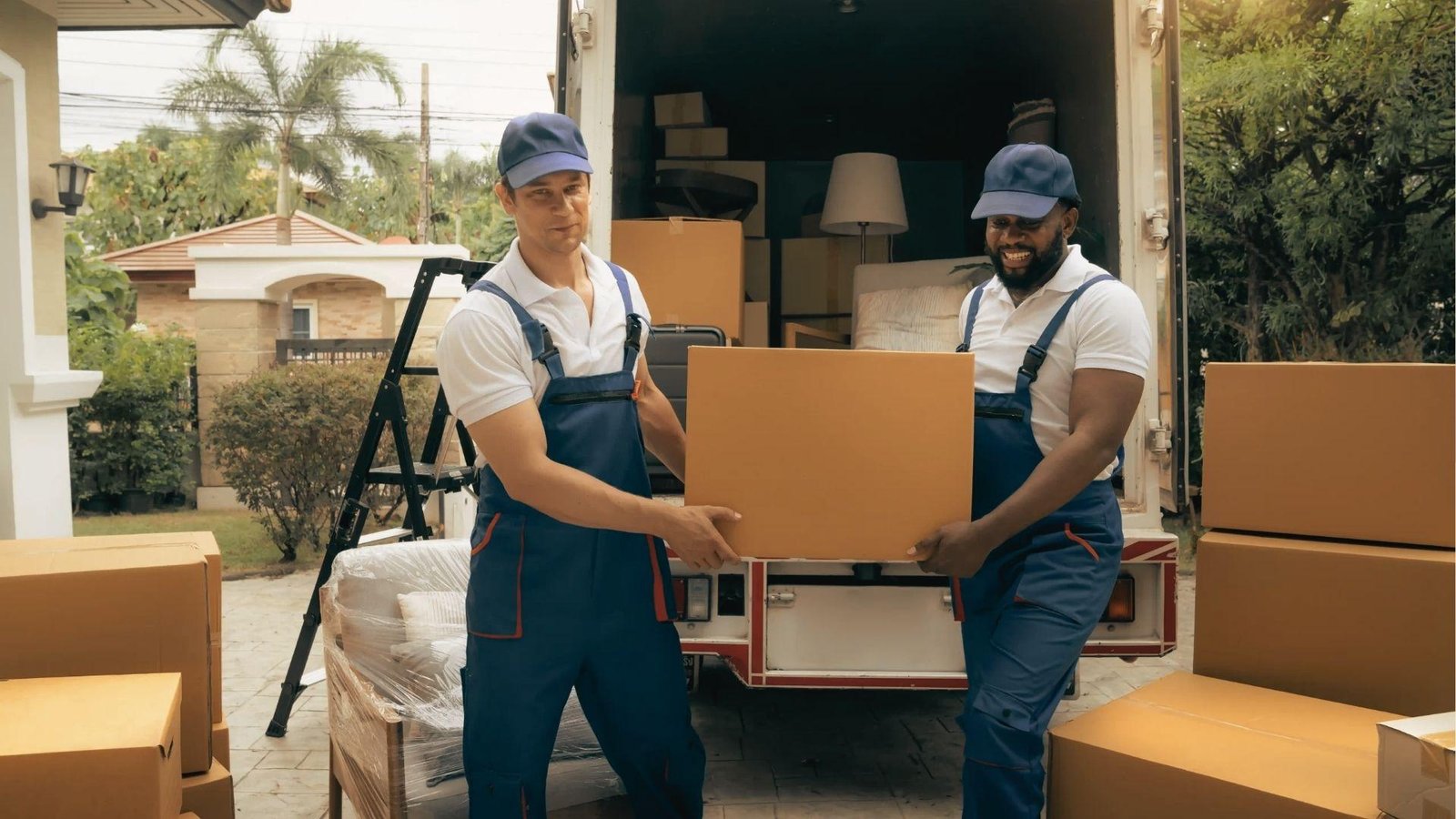
Here's the short answer: No, you are not supposed to help movers with lifting or carrying.
You hired them for a reason. Let them do their job.
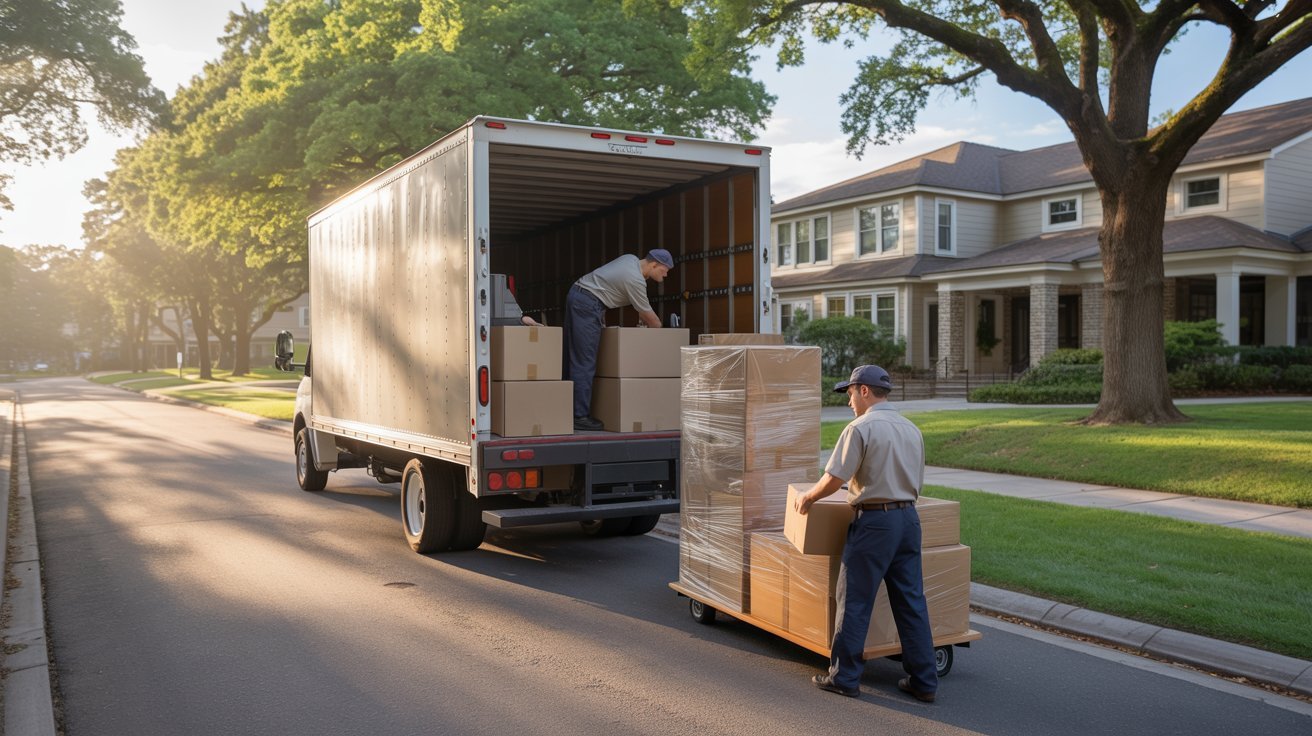
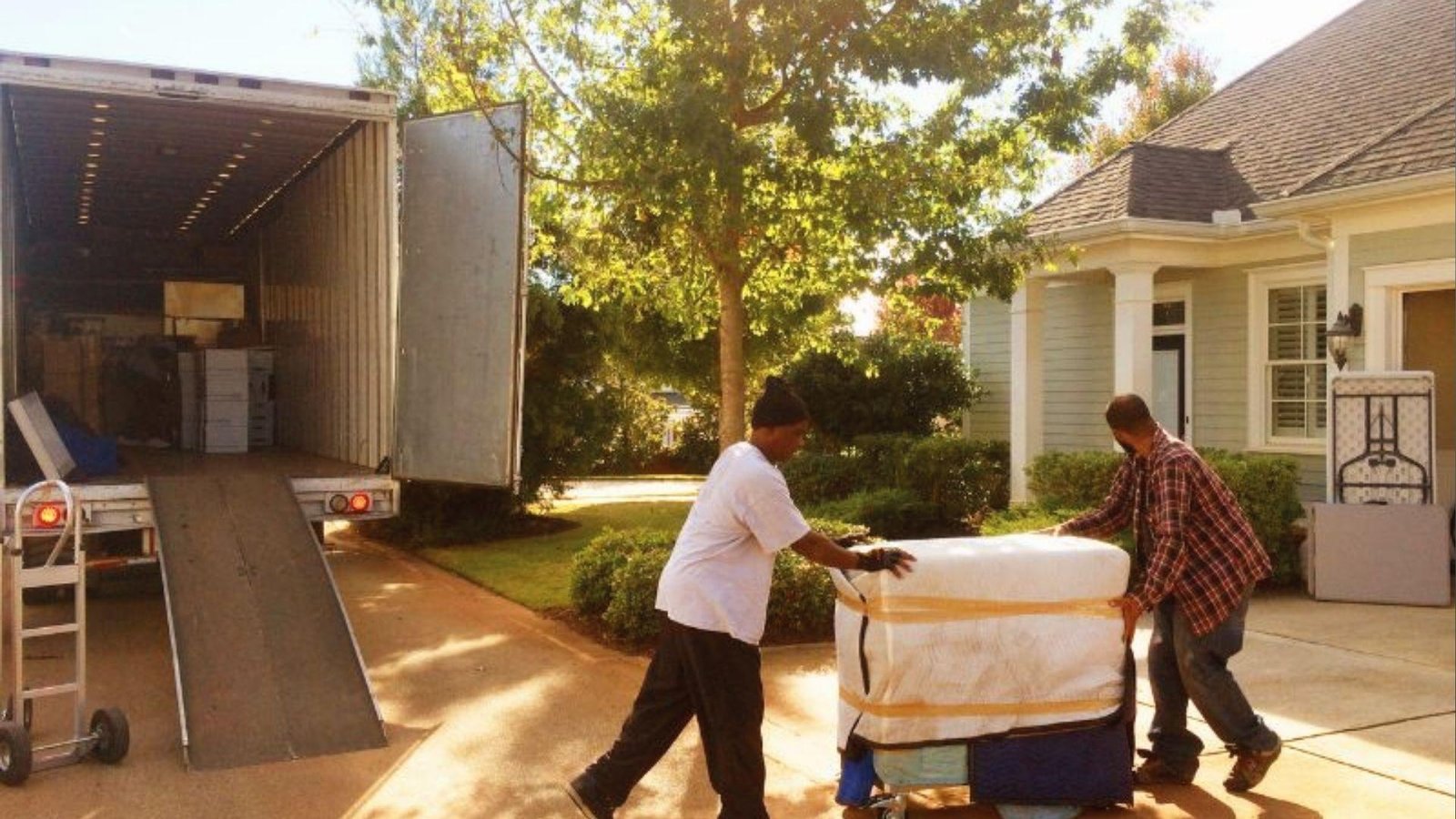
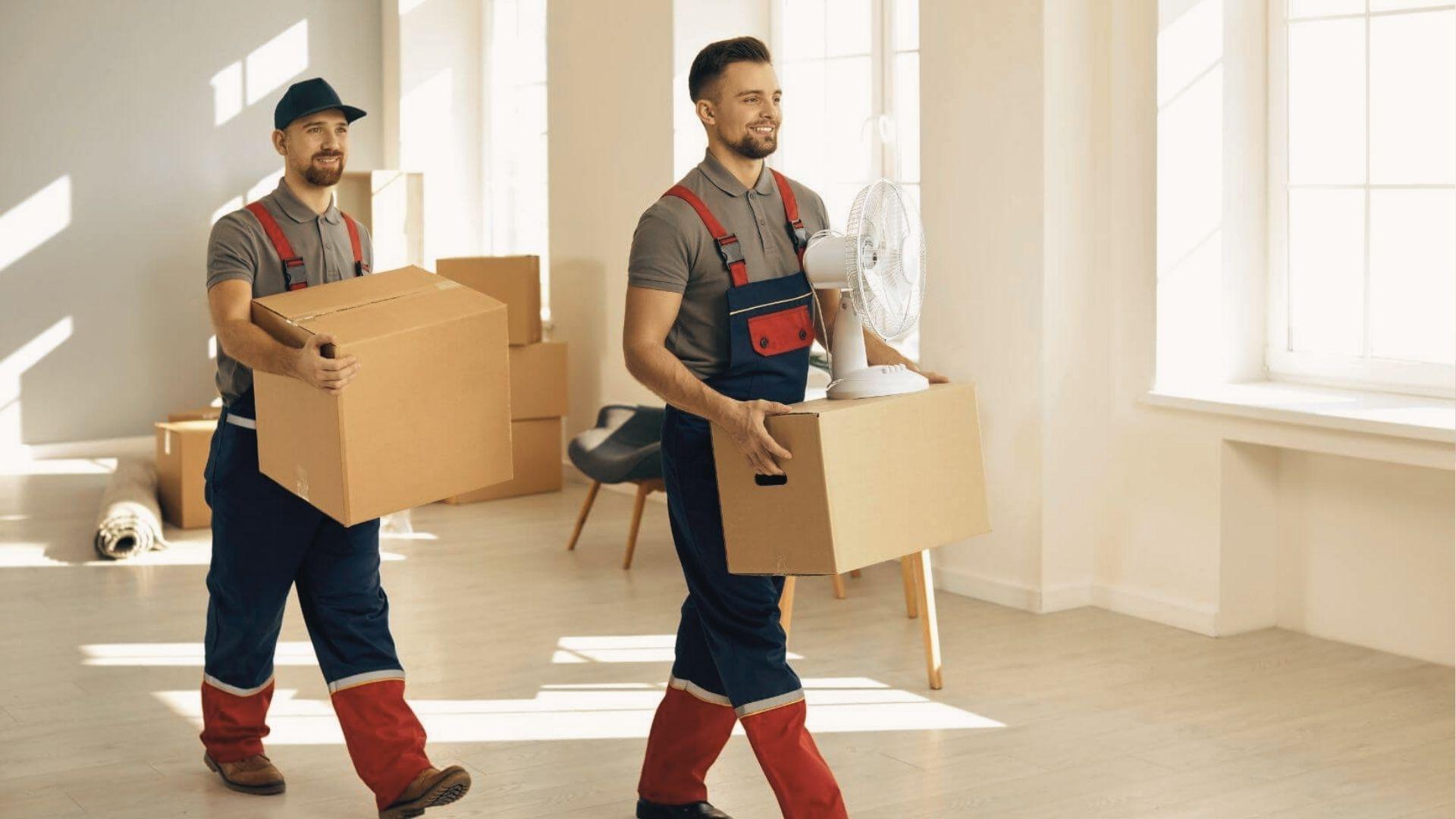
Movers are trained professionals. They use dollies, straps, and moving blankets. They know how to move heavy furniture through tight spaces safely. What takes you 20 minutes takes them 2.
There's also a liability issue most people overlook. If you get hurt while helping, the moving company's insurance won't cover you. If you damage something, it may void their coverage entirely.
Your job on moving day is simple:
- Stay present and available
- Answer questions as they come up
- Point out fragile or valuable items
- Keep pathways clear
- Make sure parking and access are sorted
Be organized. Be communicative. Leave the heavy lifting to the professionals.
What You SHOULD Do While Movers Are Working (Do's)

Here's a clear look at what you should do to make moving day run smoothly for everyone involved.
Communicate Clearly at the Start of the Move
Before anyone picks up a box, have a quick conversation with the lead mover.
Tell them the plan. Let them know which rooms are being moved, what stays behind, and where things are going in the new home. Clear communication at the start saves a lot of back-and-forth later.
Give a Quick Walkthrough of Your Home
Walk the movers through your space before they begin.
Show them every room. Point out any tight spots, low ceilings, or awkward staircases. Let them know if there are floors that scratch easily or walls that need extra care. A five-minute walkthrough can prevent hours of trouble.
Point Out Fragile, Valuable, and Priority Items
Don't assume they'll figure it out.
If something is fragile, say so. If something is valuable, point it out. If something needs to go on the truck last so it comes off first, make that clear early. A simple label or a verbal heads-up goes a long way.
Stay Available to Answer Questions
Don't disappear into another room or step out for coffee.
Movers will have questions. Things come up. If you're not available, small decisions can turn into big mistakes. Stay nearby, stay reachable, and check in every so often.
Unplug Appliances and Clear Pathways in Advance
Do this the night before if you can.
Unplug your washer, dryer, fridge, and any other appliances that need to be disconnected. Clear the hallways, stairs, and doorways of anything that could slow down the move. Every minute counts on moving day.
Keep Kids and Pets Safely Away From Work Areas
Moving day is not the day to have kids or pets running around.
It's a safety issue for everyone. Heavy items are moving fast. Movers need to focus. Arrange for a babysitter, set up a safe room, or take the kids and pets to a neighbor's house for the day.
Offer Water, Snacks, or Light Refreshments
This one is simple but it matters.
Moving is hard physical work. Offering water, juice, or a few snacks shows that you respect what they're doing. You don't need to cook a meal. A cold drink and a granola bar go a long way on a hot day.
Prepare Payment and Tip in Advance
Don't scramble for cash at the end of a long day.
Have your payment ready to go before movers arrive. Know the total, know how you'll pay, and have tip money set aside in separate envelopes if you're tipping each mover individually. It keeps the end of the day smooth.
Do a Final Walkthrough Before Movers Leave
Before the truck pulls away, walk through every room.
Check closets, check cabinets, check under beds. Make sure nothing was left behind. Also check for any damage to walls, floors, or furniture. It's much easier to resolve issues before the movers leave than after.
What You Should NOT Do When Movers Are Working (Don'ts)

Knowing what not to do is just as important as knowing what to do. Avoid these common mistakes.
Don't Lift Heavy Items Yourself
We know it feels helpful. It's not.
Lifting heavy items when professionals are present creates confusion, slows things down, and puts you at risk of injury. It can also create liability issues. Step back. Let them work.
Don't Interfere or Micromanage the Movers
Checking in is fine. Standing over their shoulder is not.
If you hired a reputable moving company, trust them to do the job. Constant correction or questioning their methods slows things down and creates tension. Give clear instructions at the start, then let them work.
Don't Leave Without Being Reachable
You need to be available throughout the move.
If you have to step out, leave a working phone number. Movers need to reach you if something unexpected comes up. Going unreachable mid-move can cause real problems, especially at the new location.
Don't Wait Until Moving Day to Finish Packing
This is one of the most common mistakes people make.
If boxes aren't packed when movers arrive, it throws off the entire schedule. Movers may charge for extra time spent waiting. Finish packing the night before. Have everything labeled and ready to go.
Don't Block Pathways or Slow Down Access Routes
Think about how movers will move through your home.
Keep hallways, doorways, and stairwells clear. Don't leave bags, shoes, or furniture pieces in the path. Every obstacle they have to step around slows the process and increases the chance of an accident.
How to Prepare Before Movers Arrive

Good preparation is half the work. Here's how to get ready before moving day.
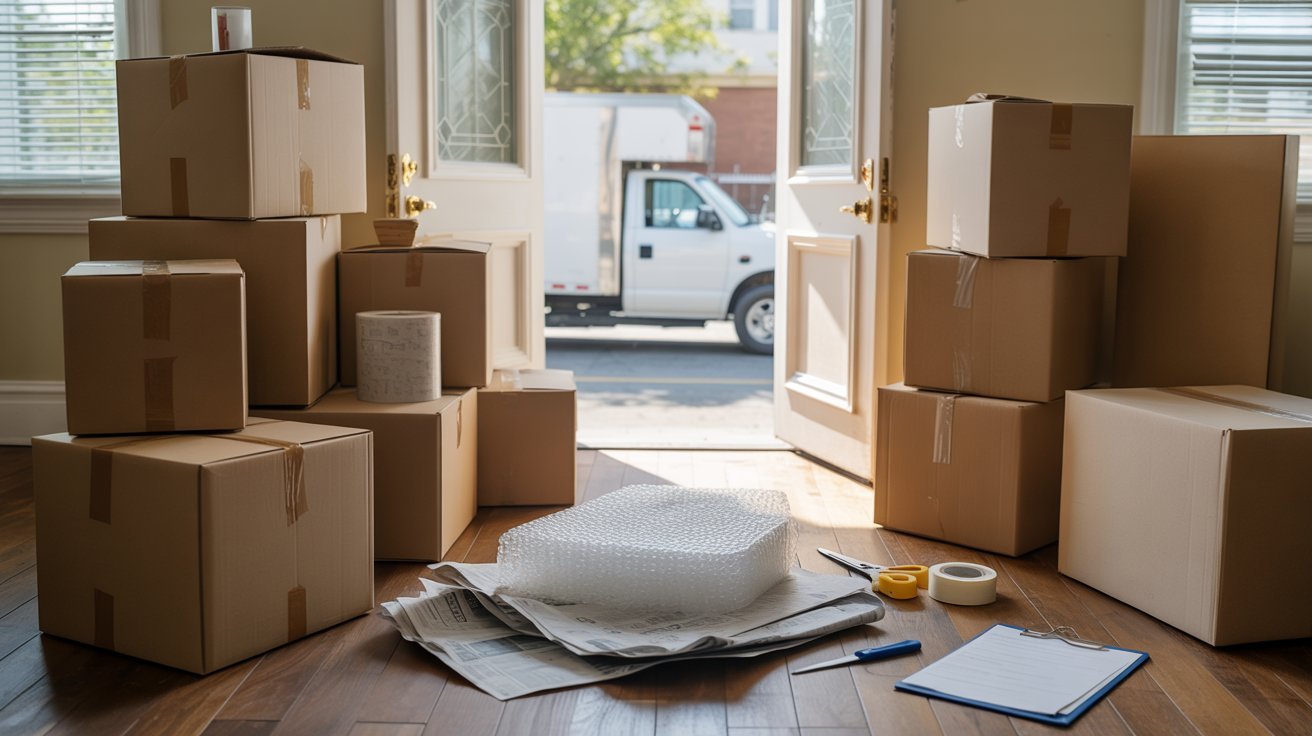
Pack and Label All Boxes Clearly in Advance
Every box should have a label that shows the room it belongs to and a brief description of the contents.
Use big, clear writing. Color coding by room is even better. This helps movers know exactly where to put everything without asking you repeatedly.
Create an Inventory List of Belongings
Write down everything being moved.
This doesn't have to be complicated. A simple list of major items and boxes helps you track what goes on the truck and what makes it to the new home. It also helps if anything goes missing or gets damaged.
Separate Essentials and Valuables You Carry Yourself
Some things should never go on the moving truck.
Keep these with you:
- Important documents (passports, birth certificates, leases)
- Jewelry and high-value items
- Medications
- Laptop or devices
- Cash and cards
Pack these in a personal bag that stays with you at all times.
Reserve Parking, Elevator, or Building Access if Needed
This is easy to forget but very important.
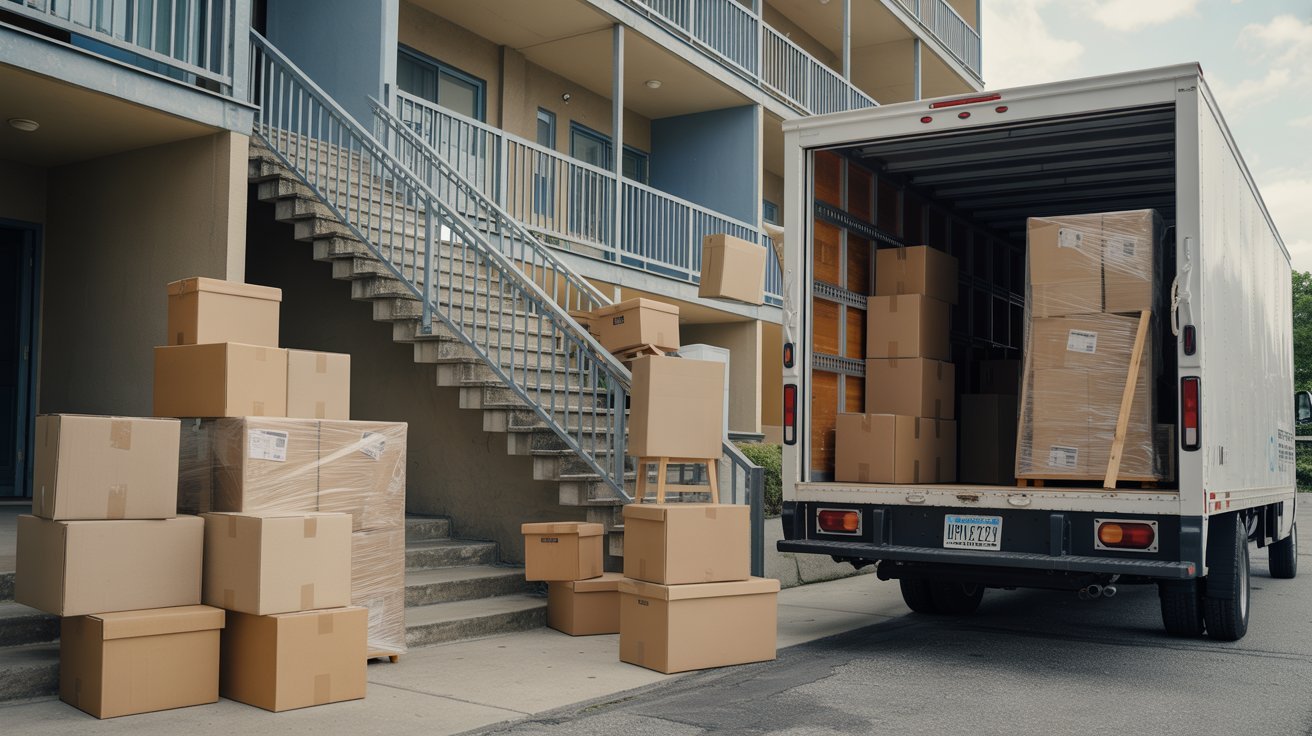
If you live in an apartment building, book the service elevator in advance. If you need to reserve parking for the moving truck on a busy street, arrange that ahead of time. Failing to do this can delay the entire move.
Disconnect Appliances and Prepare Furniture
Do this the day before.
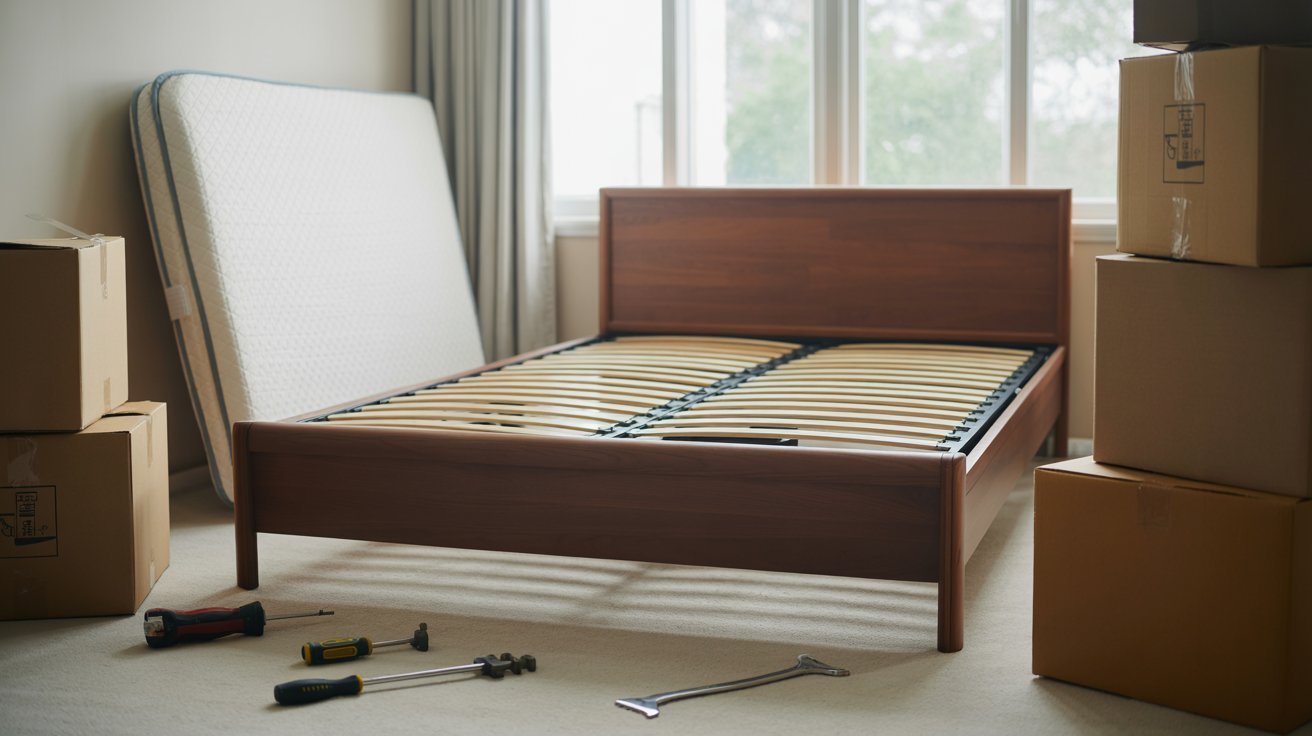
Unplug and defrost the fridge. Disconnect the washer and dryer. Disassemble any furniture that needs to be broken down. The more you prepare in advance, the faster and smoother the move will go.
Do Movers Expect Help, Tips, or Extra Support?
Movers don't expect your physical help, but they do appreciate other forms of support.
Tipping is not required, but it is standard. Moving is hard, physical work done in all kinds of weather. A tip tells your movers that you noticed their effort and you valued it.
For a local move, $4 to $6 per mover per hour is a fair range. For a long-distance move, $50 to $100 per mover is common. Tip more if the job involved heavy items, stairs, or extra time. Only tip less if there were real service issues.
Money isn't the only way to show appreciation. Offer cold water, snacks, or a sandwich during the move. Leave a positive online review if they did a great job.
And simply treat them with respect. Say hello, say thank you, and acknowledge their hard work. It costs nothing and means a lot.
Conclusion
Moving day doesn't have to be stressful. I've seen people make it harder than it needs to be, usually by trying to help too much or not preparing enough.
The truth is, your best role is to stay organized, stay available, and stay out of the way. Let the professionals handle the heavy stuff. Focus on the details only you can manage.
Are you supposed to help movers? Now you know the answer. If this helped you, share it with someone who has a move coming up. Drop a comment below too!
Frequently Asked Questions
Should I offer food to my movers?
Yes, you should. Offering water, snacks, or a light meal is a kind gesture that most movers genuinely appreciate. It shows respect for their hard work.
Can I hand items directly to the movers to speed things up?
It is better not to. Handing items to movers without coordination can disrupt their workflow and cause accidents. Let them manage the loading process their way.
What should I do if a mover asks me to help carry something?
Politely decline and ask if they need an extra team member instead. Helping with heavy lifting puts you at personal risk and may create insurance issues for the moving company.
Is it rude not to tip movers?
Not tipping is not considered rude, but it is unexpected. Most movers rely on tips as part of their income. A tip, even a small one, goes a long way in showing appreciation.
What is the best time to do a final walkthrough of my home?
Do the walkthrough right before the movers load the last items onto the truck. Check every room, closet, and cabinet to make sure nothing is left behind and no damage was done.