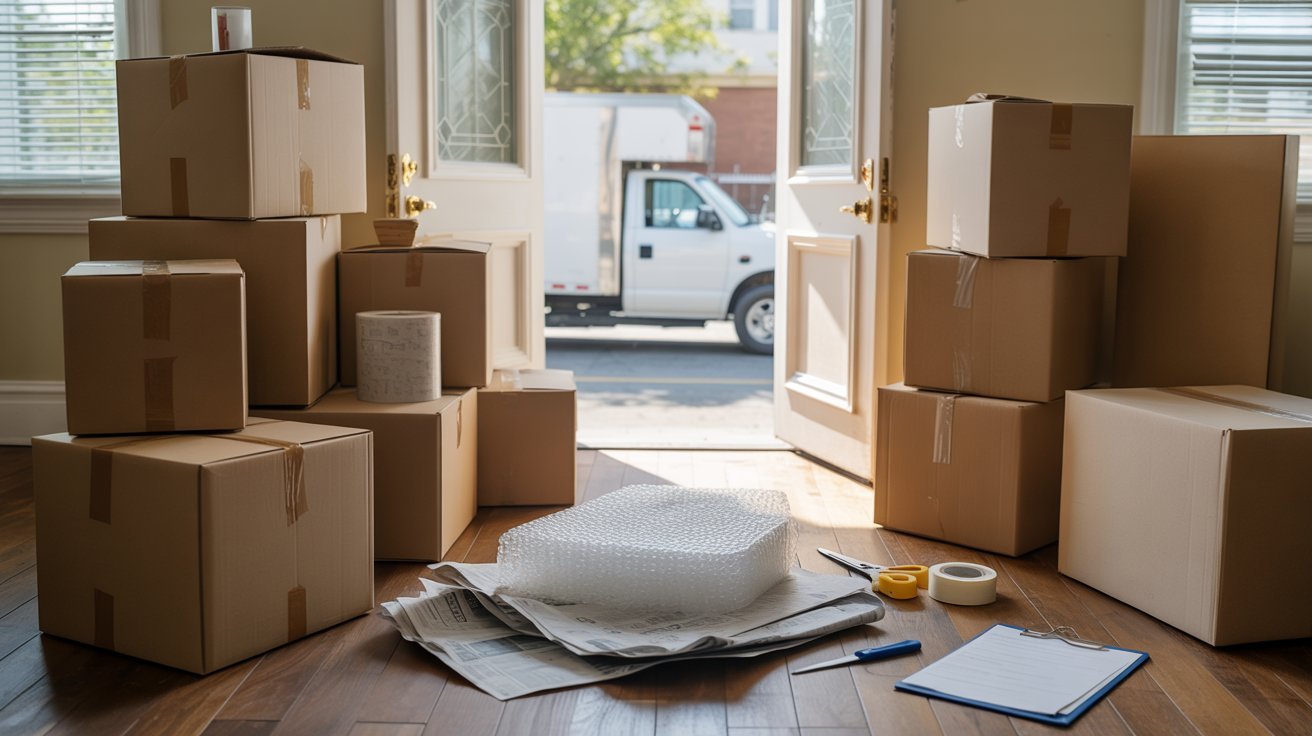
I hired movers without asking a single question. I just picked a company, gave them a date, and assumed the rest would sort itself out. It did not.
Things were left behind, charges showed up that nobody mentioned, and I spent moving day more confused than I have ever been.
That experience made me dig deep into how do movers work, what they actually do, what they do not do, and what nobody tells you before you sign.
If you want to avoid the mistakes I made, keep reading. This guide covers everything you need to know before moving day.
How Do Movers Work? (Simple Overview)

The process starts with a booking and an estimate. Most companies offer either an online quote based on your details or an in-home survey where they assess your belongings in person. The in-home option tends to be more accurate.
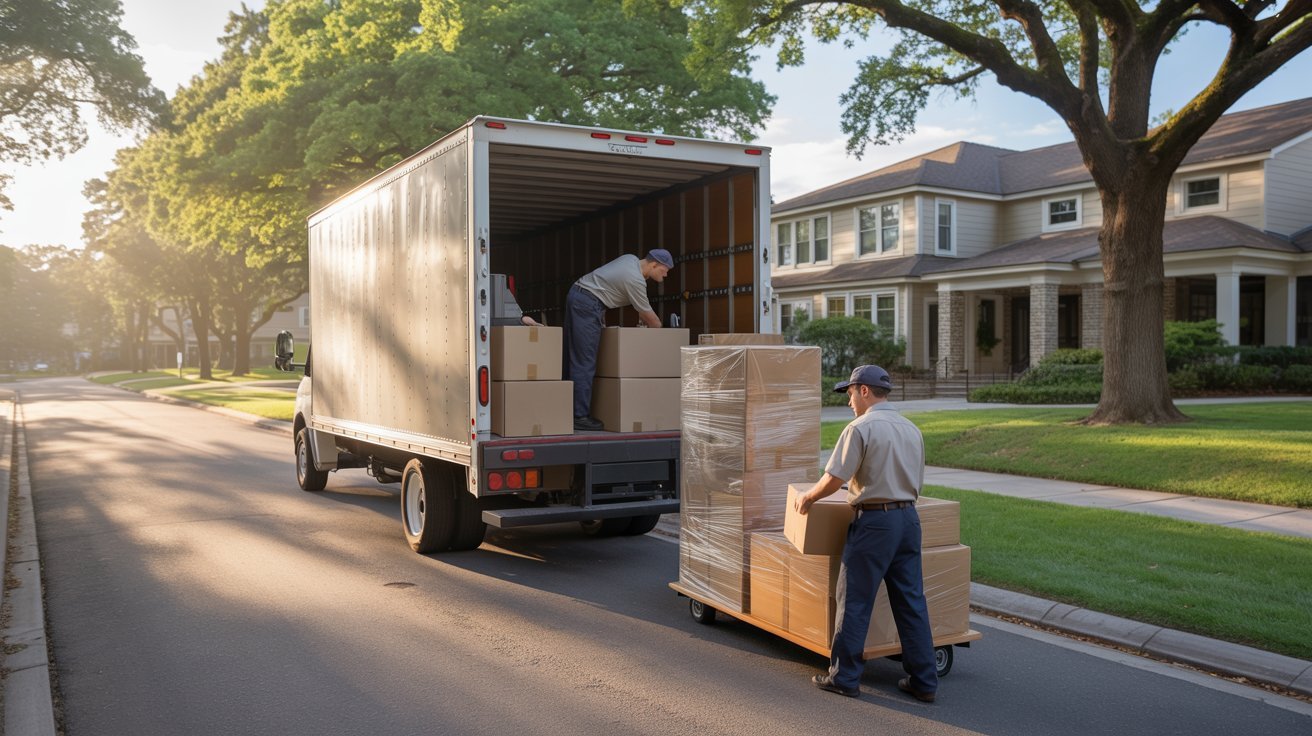
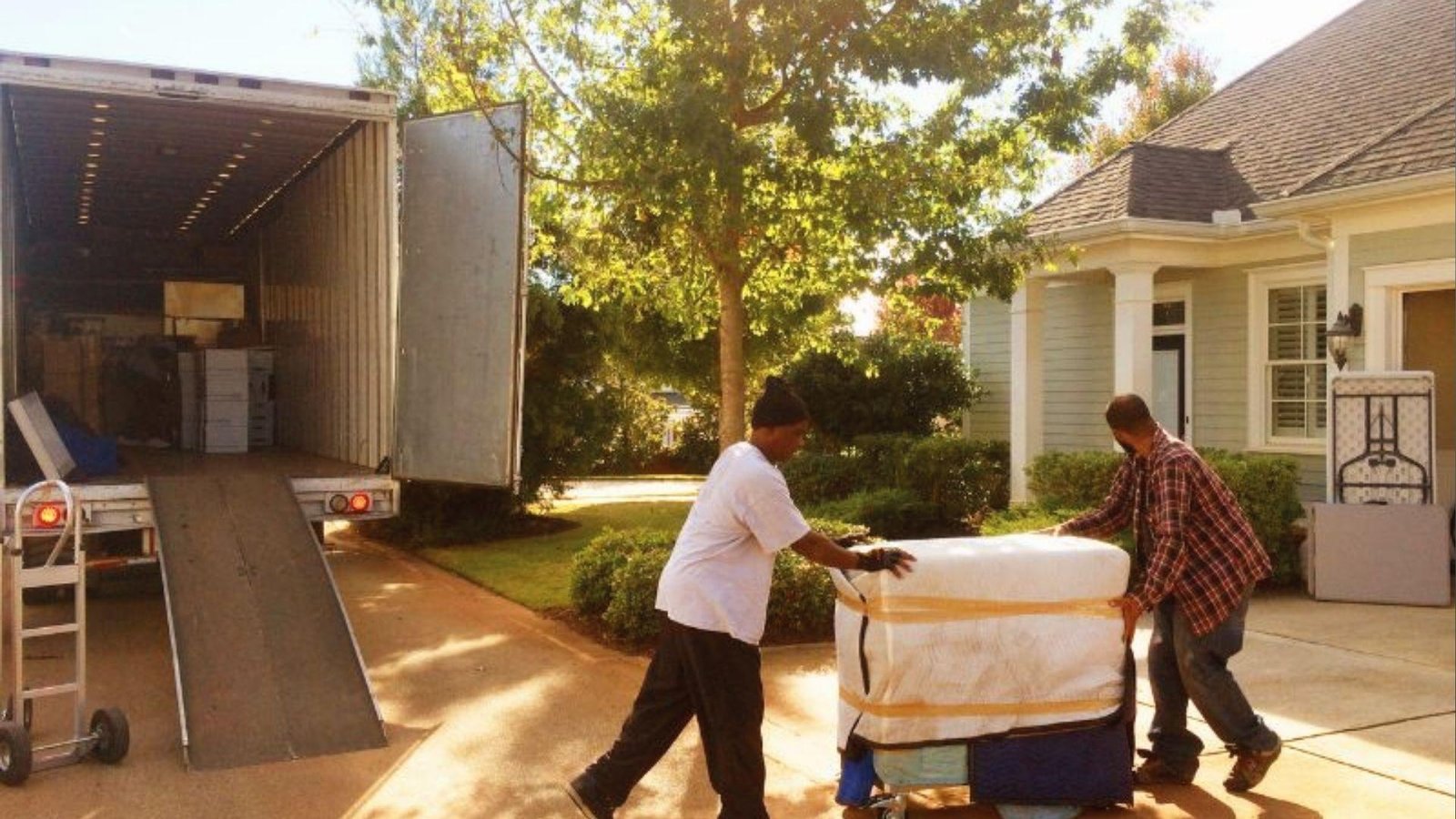
Once you agree on a price and service package, moving day is scheduled. On the day, the crew arrives, handles packing if that is part of your plan, loads everything onto the truck, and transports it to your new place.
At the destination, they unload and place items in the rooms you specify. Some packages also include unpacking and furniture setup, depending on what you have booked.
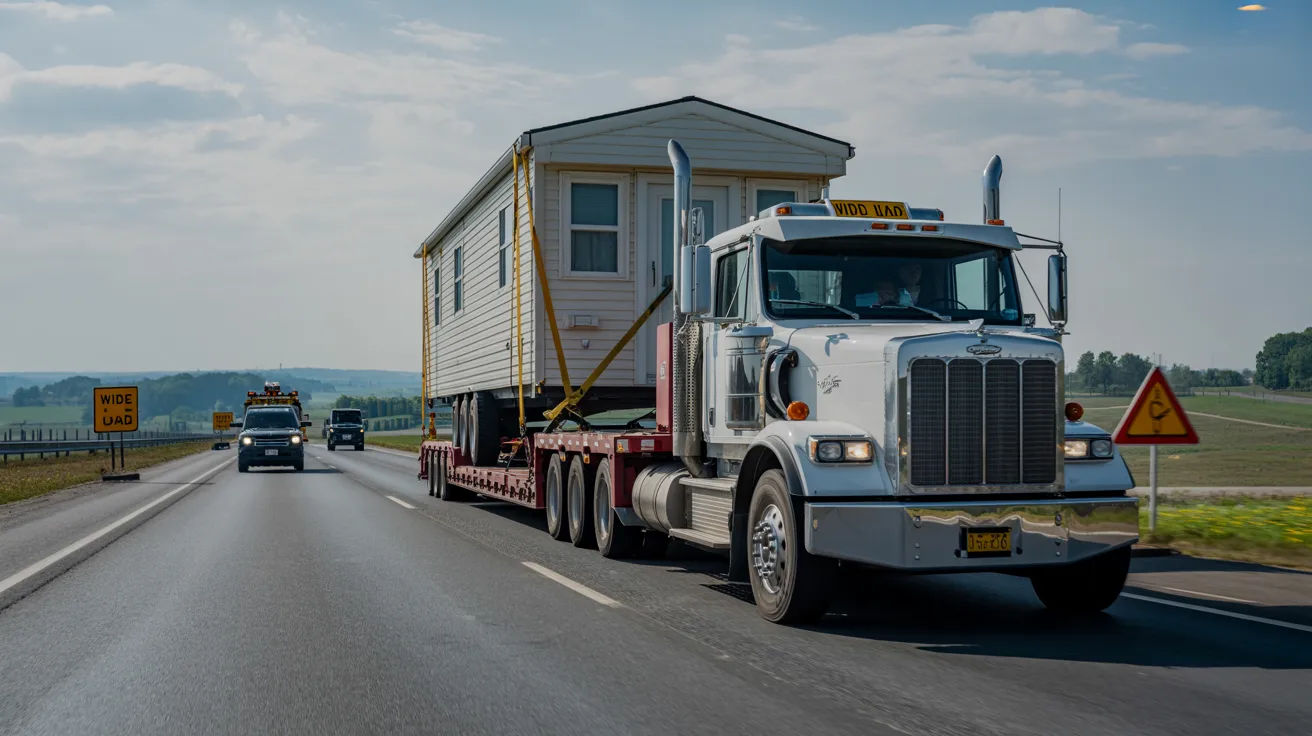
Local moves are usually charged by the hour. Long-distance moves are typically priced by weight or volume and the total distance traveled. Knowing this upfront helps you budget properly and avoid surprises.
What Services Do Movers Typically Offer?

Moving companies offer a range of services depending on your budget and how much help you actually want. Understanding how do movers work across different service levels helps you choose what actually fits your needs.
Basic Moving Services
Basic moving covers the core three: loading, transporting, and unloading. The crew handles the heavy lifting and the truck, but you are responsible for packing everything yourself before they arrive.
This option is the most affordable and works well if you have already packed and just need reliable transport. It suits people who are organised, have time to prepare, and want to keep costs low.
Just make sure everything is boxed and ready before the movers show up. They will not wait around while you finish packing.
Full-Service Moving (Most Popular)
Full-service moving is exactly what it sounds like. The movers handle packing, disassembly of furniture, loading, transportation, unloading, unpacking, and reassembly at the new location.
This is the most popular choice for people who are short on time or simply do not want the added stress of packing an entire home. You pay more, but you do far less.
It is especially useful for long-distance moves, large homes, or situations where you are moving during a busy period at work or with the family.
Additional Services
Beyond the basics and full-service options, many companies offer extra services that can be added to any package.
Here are the most common ones:
- Furniture disassembly and reassembly for large or complex pieces like beds, wardrobes, and desks
- Short-term and long-term storage if there is a gap between your move-out and move-in dates
- Specialty item handling for things like pianos, artwork, antiques, or heavy gym equipment
- Packing materials supply including boxes, tape, bubble wrap, and furniture covers
These add-ons are priced separately in most cases. Always ask which ones you need before finalising your quote so nothing gets left out of the plan.
Do Movers Pack Everything for You?

With a full-service move, yes. Movers will pack your home from top to bottom. But even full-service packages have limits on what they will and will not handle. Knowing the difference upfront saves confusion on moving day.
Items Movers Will Pack
Full-service movers typically pack all standard household items. This includes kitchen appliances, dishes, glassware, clothing, books, bedding, decor, and most furniture.
They bring their own packing materials and know how to wrap fragile items properly. Breakables like mirrors, frames, and electronics are usually handled with extra care and specialised wrapping.
Larger furniture pieces that need disassembly, like bed frames and bookshelves, are taken apart, wrapped, and loaded securely onto the truck.
Items Movers Usually Will Not Pack
There are certain categories that most moving companies will not touch, regardless of the service level.
Hazardous materials top the list. This includes paint, cleaning chemicals, propane tanks, and anything flammable or corrosive. These are not allowed on moving trucks for safety and legal reasons.
Perishable food items are also typically excluded. Movers will not pack open fridge contents or pantry items that could spoil or spill during transport.
Personal valuables like jewellery, cash, important documents, and medications should always travel with you directly. Do not leave these for movers to handle.
Should You Pack Yourself or Hire Movers?
Not sure whether to pack on your own or hand it all over to the professionals? Here is a straightforward comparison to help you decide.
| Factor | Pack Yourself | Hire Movers to Pack |
| Cost | Lower | Higher |
| Time required | Significant | Minimal |
| Physical effort | High | Low |
| Risk of damage | Higher if inexperienced | Lower with trained crew |
| Convenience | Less convenient | Very convenient |
| Control over packing | Full control | Less hands-on control |
| Best for | Tight budgets, organised movers | Busy schedules, large homes |
If budget is your main concern and you have the time, packing yourself is a smart way to cut costs. If time and stress are the bigger factors, investing in full-service packing is usually worth every penny.
How Much Do Movers Cost?
Moving costs vary quite a bit depending on a few key factors. Distance is the biggest one. Local moves are usually billed hourly, while long-distance moves are priced based on the weight of your load and the miles involved.
The volume of items you are moving also plays a role. A one-bedroom apartment costs significantly less to move than a four-bedroom house. Adding services like packing or specialty item handling will increase the total.
Timing matters too. Moving during peak season, typically summer and end of month weekends, almost always costs more than booking during quieter periods.
As a rough guide, local moves can range from $300 to $1,500 depending on size and duration. Long-distance moves can start around $2,000 and go much higher for larger homes or greater distances. To keep costs down, declutter before you move, book early, and consider handling simpler packing yourself.
Tips to Choose the Right Moving Company
Picking the right mover matters just as much as understanding how do movers work. A bad company can turn a straightforward move into a nightmare. Here is what to look for.
- Verify licenses and insurance. Any reputable mover should be properly licensed and carry liability coverage for your belongings.
- Read recent reviews. Look at Google, Yelp, or the Better Business Bureau. Pay attention to how the company handles complaints, not just the star rating.
- Get at least three quotes. Prices vary significantly between companies. Comparing quotes helps you spot what is and is not included in each offer.
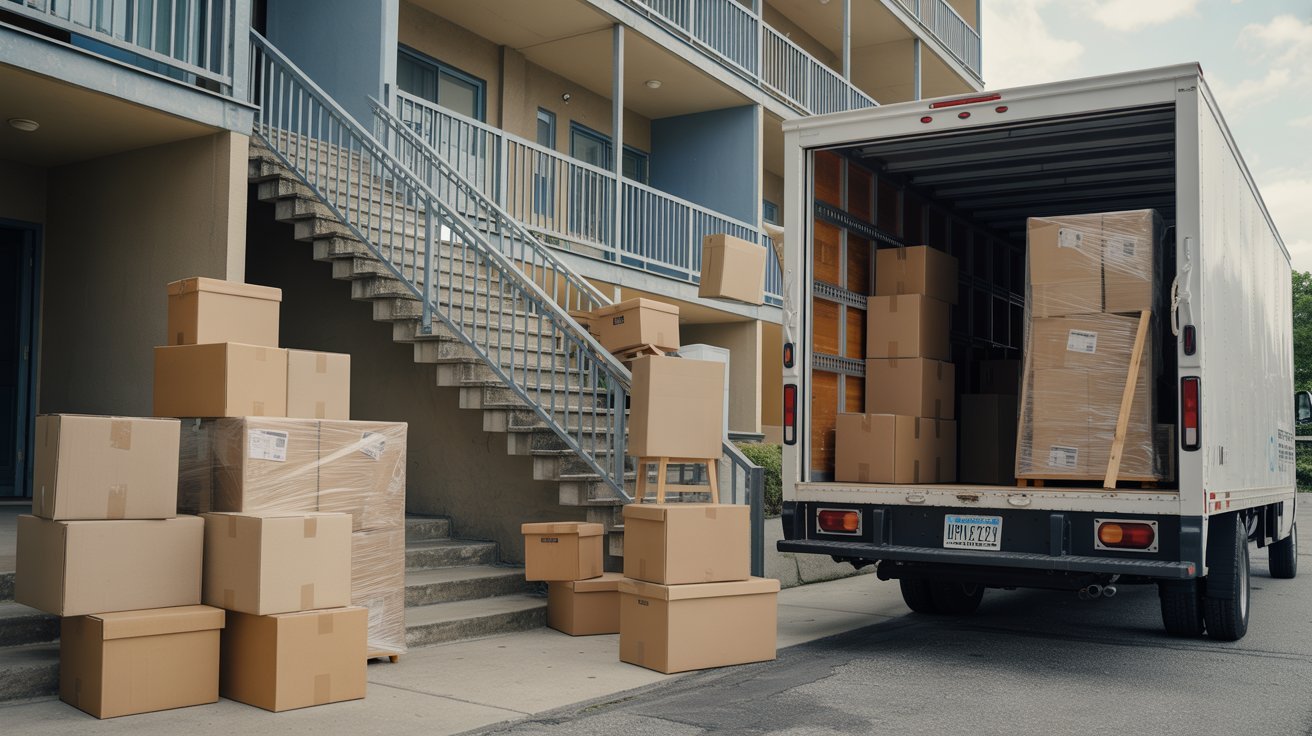
- Watch for hidden fees. Stair charges, long carry fees, and fuel surcharges can quietly inflate your final bill. Ask for a fully itemised quote.
- Ask exactly what is included. Do not assume packing, disassembly, or reassembly is part of the deal. Get it confirmed in writing.
Take your time with this step. A few extra hours of research upfront can save you from a costly or stressful experience on the day.
Common Mistakes to Avoid When Hiring Movers
Even people who have moved before make these mistakes. Knowing what to watch out for puts you in a much stronger position.
- Not clarifying packing responsibilities. Many people assume movers will pack everything by default. Always confirm what is included before moving day.
- Choosing the cheapest option without checking credentials. Low prices can mean unlicensed movers, poor handling, or unexpected charges later. Value matters more than cost alone.
- Not labelling boxes. Unlabelled boxes slow down unloading and make unpacking far more chaotic than it needs to be.
- Skipping insurance coverage. Basic liability offered by most movers may not fully cover the value of your belongings. Consider additional coverage for high-value items.
These are small things that make a big difference. Most moving day disasters are avoidable with just a bit of preparation and the right questions asked early.
Conclusion
Most people only start asking how do movers work after something goes wrong. Do not be that person. The whole process is actually straightforward once you know what to look for and what to ask.
Now you do. So take the next step. Call a moving company today, get a quote, and ask every question you can think of. If something feels unclear, ask again.
And if this guide saved you some stress, share it with someone who has a move coming up. They will appreciate it more than you know. Drop your questions below. I am here.
Frequently Asked Questions
How Do Movers Work Step by Step?
The process starts with booking and getting an estimate, followed by selecting your service package, packing (either by you or the movers), loading onto the truck, transporting to the new location, and finally unloading and setup. Each step can vary slightly depending on whether you choose basic or full-service moving.
Do Movers Pack Everything or Do I Need to Pack Myself?
Full-service movers will pack your entire home for you, while basic moving packages only cover loading, transport, and unloading. The choice depends on your budget and how much time and effort you want to put in yourself.
Is It Cheaper to Pack Your Own Things When Moving?
Yes, packing yourself reduces your overall moving cost since you are not paying for the crew's time or their packing materials. The trade-off is that it takes significant time and physical effort on your part.
How Long Does a Moving Process Take?
A local move for a small apartment can be completed in a few hours, while larger homes or long-distance moves can take several days from start to finish. The total time depends on the size of the move, the distance, and the services included.
Are Movers Responsible for Damages?
Yes, moving companies carry basic liability coverage for items damaged during the move, but the amount may not reflect the full value of your belongings. For high-value items, it is worth asking about additional insurance options before your move date.