
Moving day can feel overwhelming. But with the right prep, it does not have to be.
This article walks you through exactly what to do before, during, and after movers arrive. From packing last-minute boxes to doing a final walkthrough, we cover it all.
We have helped many people plan stress-free moves. The steps here are simple, practical, and tested.
Follow this guide and you will save time, avoid confusion, and make the whole process easier for everyone involved. Let's get your move day running smoothly.
Why Preparing for Movers Matters

A little prep goes a long way on move day.
Saves time and money. When movers walk into a ready home, they get to work right away. No waiting. No extra hours billed.
Prevents damage and confusion. Packed boxes, clear paths, and labeled items reduce the chance of anything getting lost or broken.
Helps movers work efficiently. A prepared space means the crew can focus on moving, not figuring out what goes where.
Quick Move Day Checklist
Before the truck pulls up, run through this list:
- Be fully packed (if not using packing services)
- Keep personal items and valuables separate
- Clear walkways and entrances
- Confirm arrival time with movers
- Keep payment and documents ready
Before the Movers Arrive (Same-Day Preparation)

Get your home ready before the crew shows up. A calm, organized start makes the rest of the day much easier.
Finish Last-Minute Packing
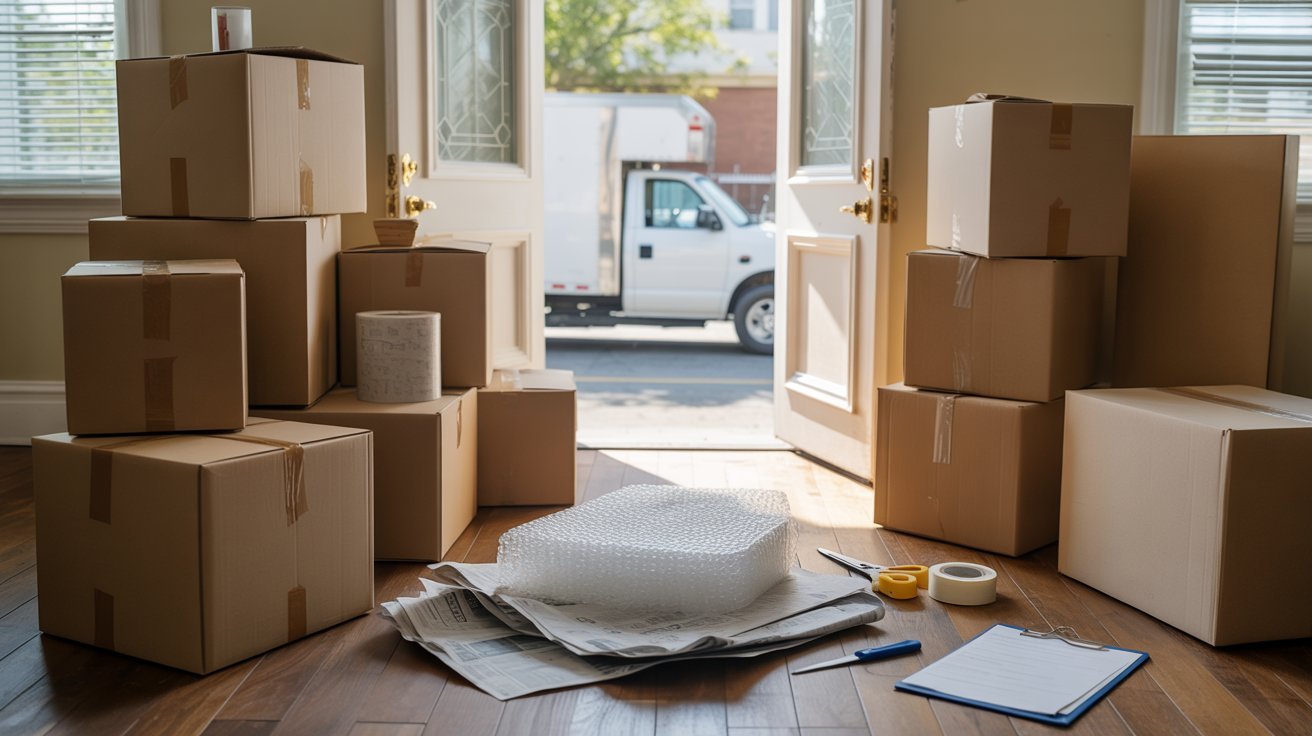
Seal and label any boxes that are still open. Double-check that fragile items are wrapped and secure. Use extra bubble wrap or newspaper for anything breakable.
Loose items slow everything down and can get damaged in transit. If a box feels too heavy, repack it into two smaller ones.
Movers work faster when every box is closed, labeled, and ready to go.
Set Aside Key Items You'll Carry Yourself
Some things should never go on the truck.
Keep these with you at all times:
- Important documents, IDs, and cash
- Medications and daily-use items
- Chargers, phones, and laptops
- A first-night box with things you will need right away
Pack these into a separate bag the night before. That way, nothing gets mixed up on the morning of the move.
Prepare Your Home for Easy Access
Clear hallways, doorways, and stairs before movers arrive. Take down wall decor like frames, mirrors, and clocks.
Keep entryways open and clutter-free so movers can move freely and safely. If furniture is blocking a path, shift it the night before. A clear route from room to truck saves a lot of time.
Protect Your Property
Cover floors with sheets or mats along the main walking paths. Pad corners, railings, and door frames with old towels or moving blankets.
This small step prevents scratches and dents during heavy lifting. It also protects the movers from bumping into sharp edges.
A few minutes of prep here can save you from costly repairs later.
Make Arrangements for Kids and Pets
Move day is busy and loud. Kids and pets can get stressed or accidentally get in the way. Keep them in a safe, separate room with snacks, toys, or entertainment.
Or ask a friend or family member to look after them for the day. This keeps everyone safe and lets movers do their job without interruptions.
When Movers Arrive: What You Should Do First

The first few minutes set the tone for the whole day. A good start leads to a smooth move.
Welcome the Crew and Confirm Details
Greet the movers with a friendly hello. Go over the booking details together. Confirm the timing, the number of items, and any special requests.
Share your contact number in case they need to reach you later. This small conversation builds trust and avoids mix-ups later in the day.
Do a Walkthrough Together
Take the movers through your home room by room. Show them everything that needs to be moved. Point out fragile or valuable items that need extra care.
Be very clear about what should NOT go on the truck. This walkthrough prevents confusion and saves time during loading.
Explain Special Instructions
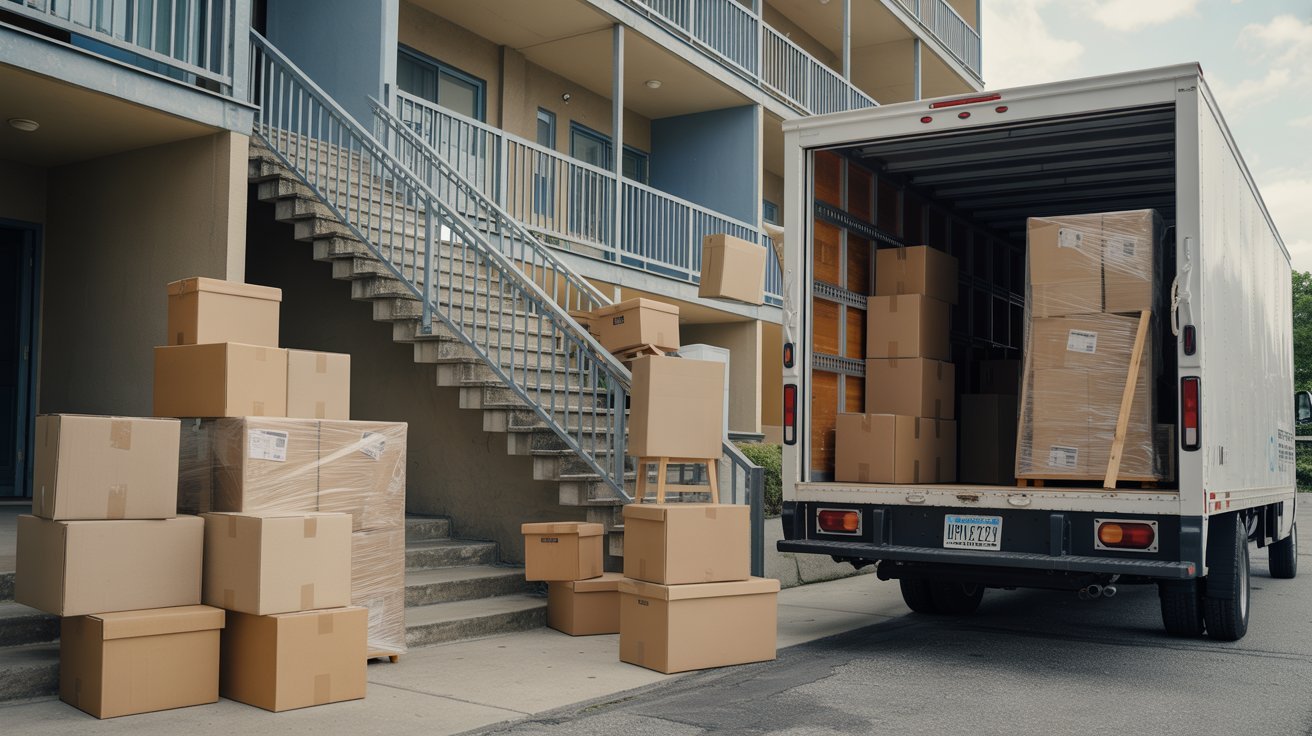
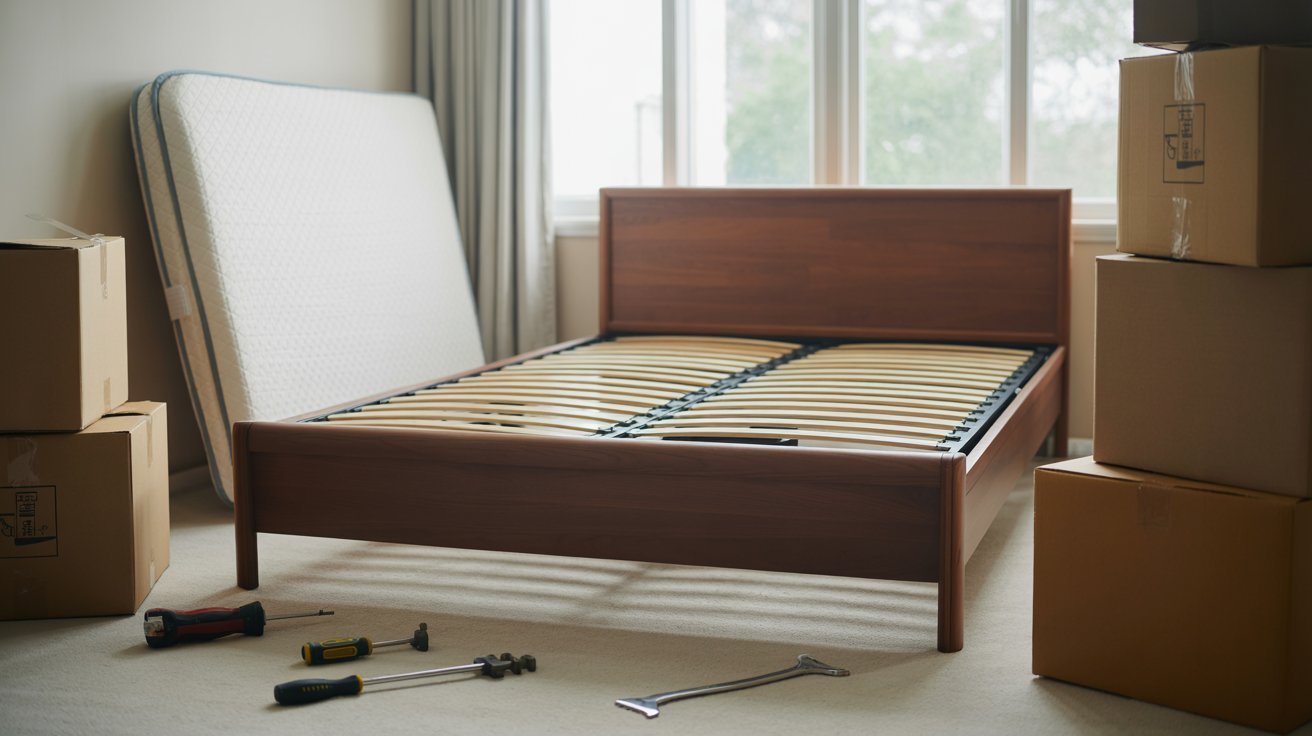
Let them know about tight spaces, tricky stairwells, or awkward items like large mirrors or heavy appliances. Mention anything that needs to be taken apart first, like bed frames or shelving units.
Tell them which items should come off the truck first at the new place. Clear instructions from the start help everything run in order.
During Loading: Your Role on Move Day

Stay involved while the truck gets loaded. Your presence matters more than you think.
Stay Present and Available
Do not disappear during loading. Movers may have quick questions, and a fast answer keeps things moving.
Being there also helps catch any issues early before they become bigger problems. Step outside with the crew when needed and stay within easy reach the whole time.
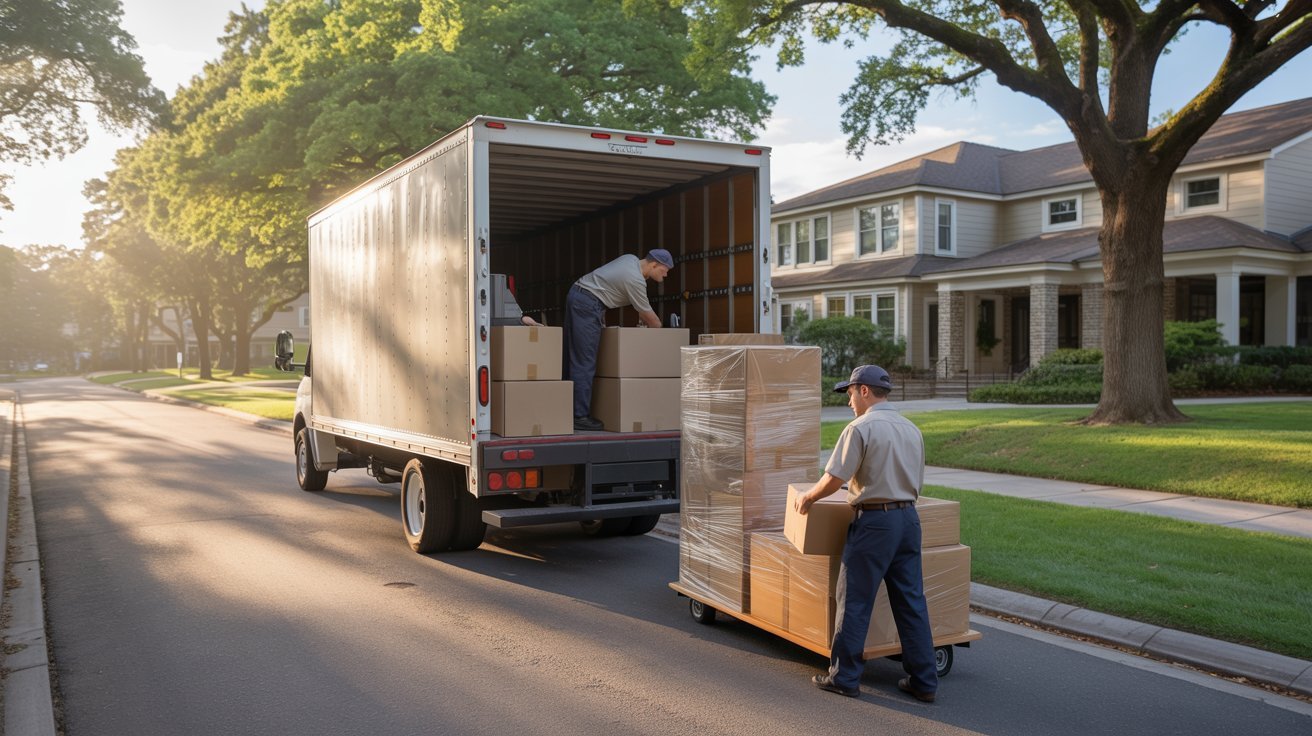
Monitor the Loading Process
Watch how fragile items are handled as they leave the house. Make sure boxes go on the truck in an organized way so nothing gets crushed or lost under heavier items.
If you notice something being handled roughly, speak up right away. It is always better to address it in the moment.
Keep Key Items With You
Before loading begins, do one final check of your personal bag. Make sure your documents, medications, and valuables are not mixed in with the boxes going on the truck.
Once the truck is loaded and on the road, getting something back is not easy.
Track Inventory and Documentation
Go over the item list with the movers as things get loaded. Use tags or stickers on furniture if helpful. Take photos of high-value items before they leave your hands.
Keep a signed copy of the inventory sheet in your personal bag. This protects you if anything goes missing or gets damaged.
Before the Truck Leaves

Do not let the truck pull away until you have checked off these steps.
Do a Final Walkthrough of Your Home
Walk through every single room one last time. Open closets, cabinets, the garage, and the attic.
Check under beds and behind doors. It is very easy to forget items tucked in corners or stored out of sight.
Finding a forgotten item after the truck leaves is a stressful situation you can avoid with one careful walkthrough.
Confirm Moving Details
Go over the delivery address one more time with the driver. Make sure they have the correct location and any access codes or parking instructions for the new place. Get the driver's contact number and save it in your phone.
Complete any payment that is due before the truck departs so there are no delays at the other end.
After Movers Leave (Same-Day Tasks)

Your work is not done once the truck pulls away. A few final steps close out your old home the right way.
Secure and Close Your Old Home
Lock every door and window before you leave. Turn off lights, fans, and all appliances. Check the thermostat, water taps, and gas if needed.
If your lease or sale agreement requires you to hand over utilities, take care of that before you go. Leave the place clean and secure.
Stay Connected for Delivery Updates
Keep your phone with you and fully charged. Stay in touch with the driver so you know when to expect them at your new place.
If there are any delays on the road, you will want to know early so you can plan your time accordingly. Being reachable makes the handover at the new home smooth and quick.
Pro Tips for a Smooth Move Day
Small things make a big difference on moving day. These tips are simple but they genuinely help.
- Speak up right away if something feels off. Do not wait and hope it works out. Clear, calm communication avoids problems and keeps things running smoothly all day.
- Ask questions freely if you are unsure how items are being handled or where things are going. Movers appreciate clear direction and it saves time for everyone.
- Give movers access to a bathroom in your home. Moving is hard, physical work. Offering water or a light snack costs very little but keeps energy up and the mood positive.
- Write the room name on every box using a thick marker before movers arrive. It should be easy to read from a distance so movers can place boxes in the right room without stopping to ask.
- Mark fragile items in big, bold letters on the top and sides of every delicate box. This one step alone can prevent a lot of breakage and confusion during unloading at your new home.
How Long Does Move Day Take?
Move day length depends on your home size, how much you have, and how easy it is to access your space.
Small moves with a few rooms usually wrap up in a few hours. Larger homes with lots of furniture can take most of the day.
Poor preparation is one of the biggest causes of delays. Unpacked boxes, blocked paths, and missing information all add time. A well-prepared move almost always finishes faster than expected.
Conclusion
Moving is a big deal. It takes effort, patience, and a solid plan. But when you prepare well, the day goes so much smoother than you expect.
I have seen firsthand how a little morning prep can change the whole tone of a move. When everything is packed and ready, movers work faster and stress drops.
Now it is your turn. Use this guide, prepare for movers the right way, and take control of your move day.
Drop a comment below and let me know how your move went!
Frequently Asked Questions
How early should I start preparing on move day?
Start at least two to three hours before movers arrive. This gives you enough time to finish packing, clear paths, and sort out your personal items without rushing.
Should I be home the entire time movers are working?
Yes, it is best to stay home throughout the process. Your presence helps movers get quick answers and lets you keep an eye on how things are handled.
What items should I never put on the moving truck?
Keep important documents, medications, valuables, and items you need right away off the truck. Carry these with you personally to stay safe and organized.
Do I need to tip movers on move day?
Tipping is not required but is always appreciated. If the crew works hard and handles your items with care, a tip is a great way to say thank you.
What should I do if something gets damaged during the move?
Take photos right away and report it to the moving company before signing off. Check your contract for their damage policy and follow their claims process.