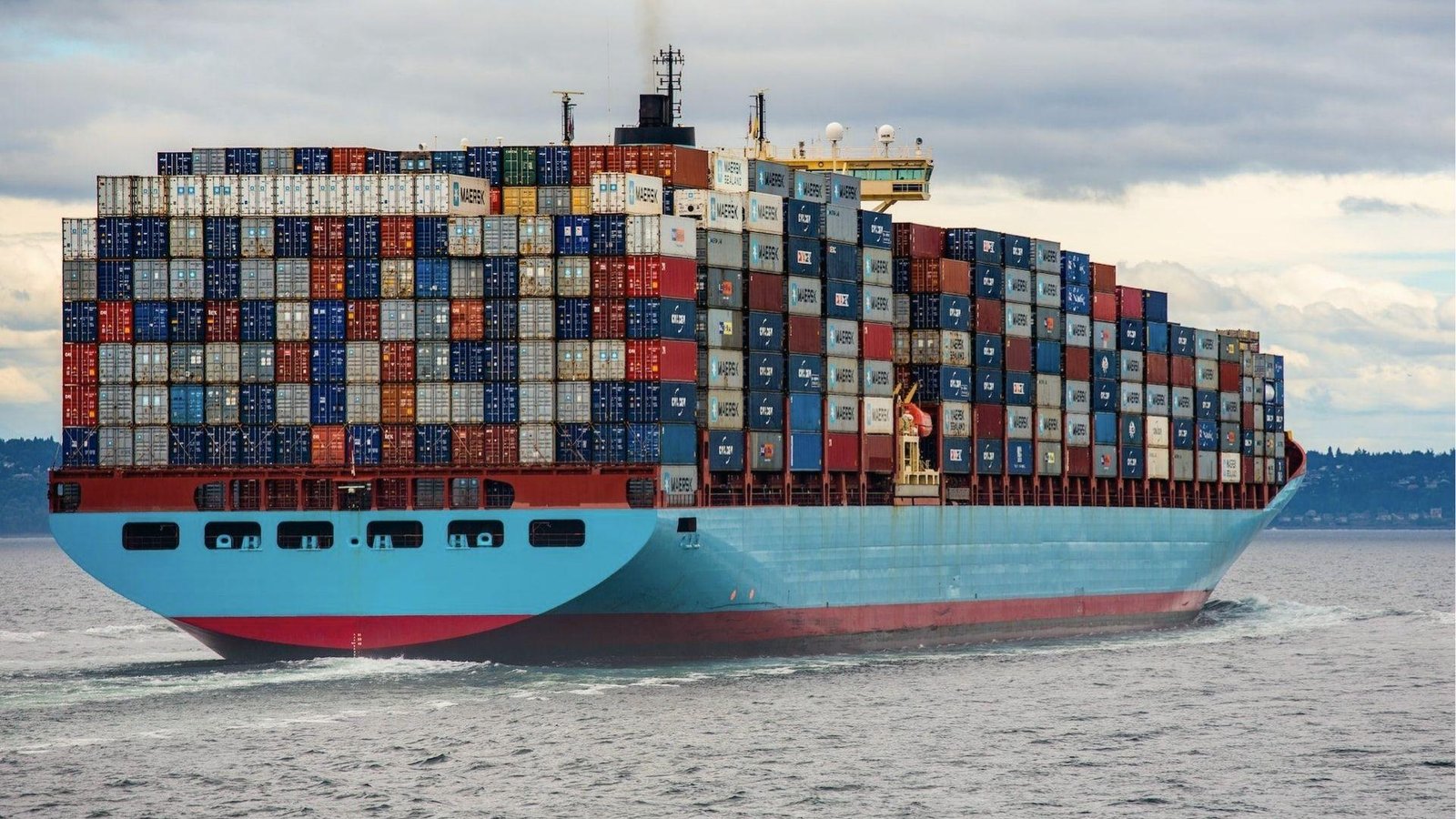
I used to assume shipping containers were completely waterproof.
They cross oceans, sit in rain for months, and still keep cargo safe. So they must be sealed tight, right? Not exactly.
There's a real difference between waterproof, watertight, and water-resistant, and most people don't know which one a shipping container actually is.
In this post, I'll cover how containers handle water, where they fall short, and what you can do to protect your goods.
This is the clear, honest answer you've been looking for.
Can Shipping Containers Prevent Water Infiltration?
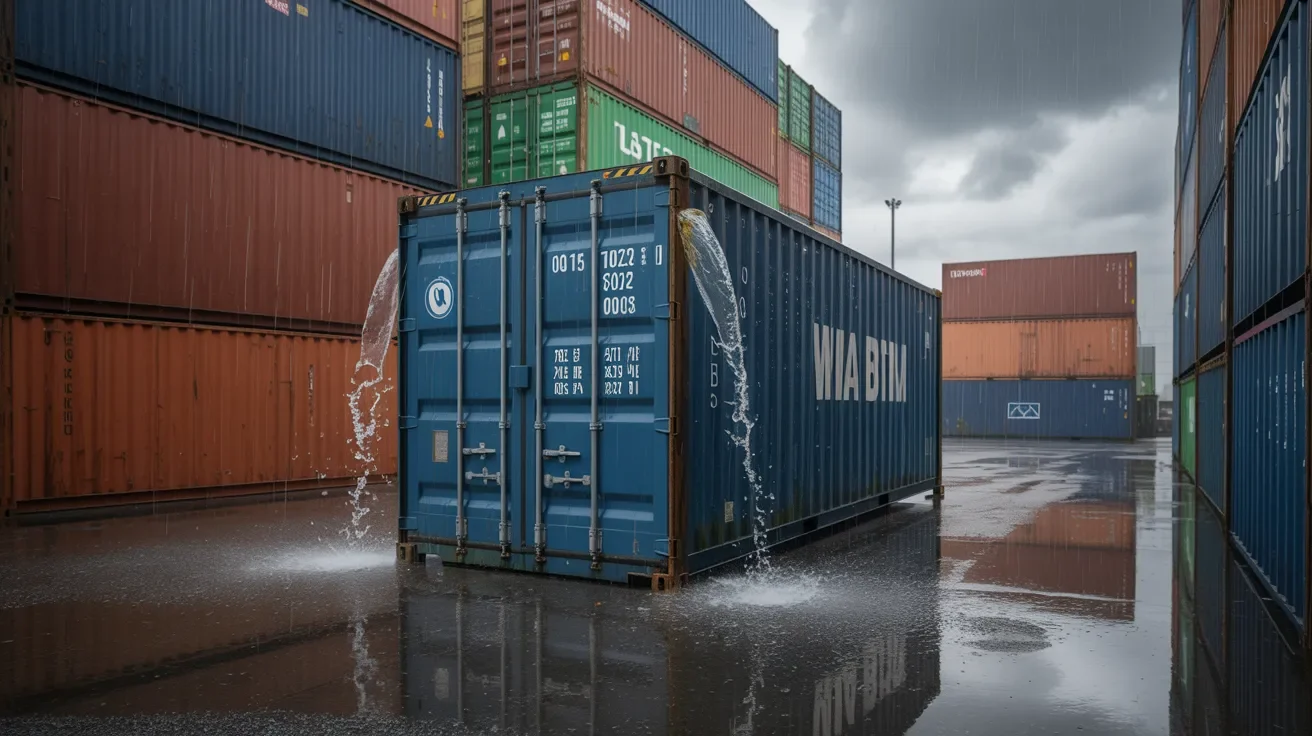
Shipping containers are watertight, not waterproof. There's a real difference.
Watertight means they block water in normal conditions like rain, wind, and outdoor storage.
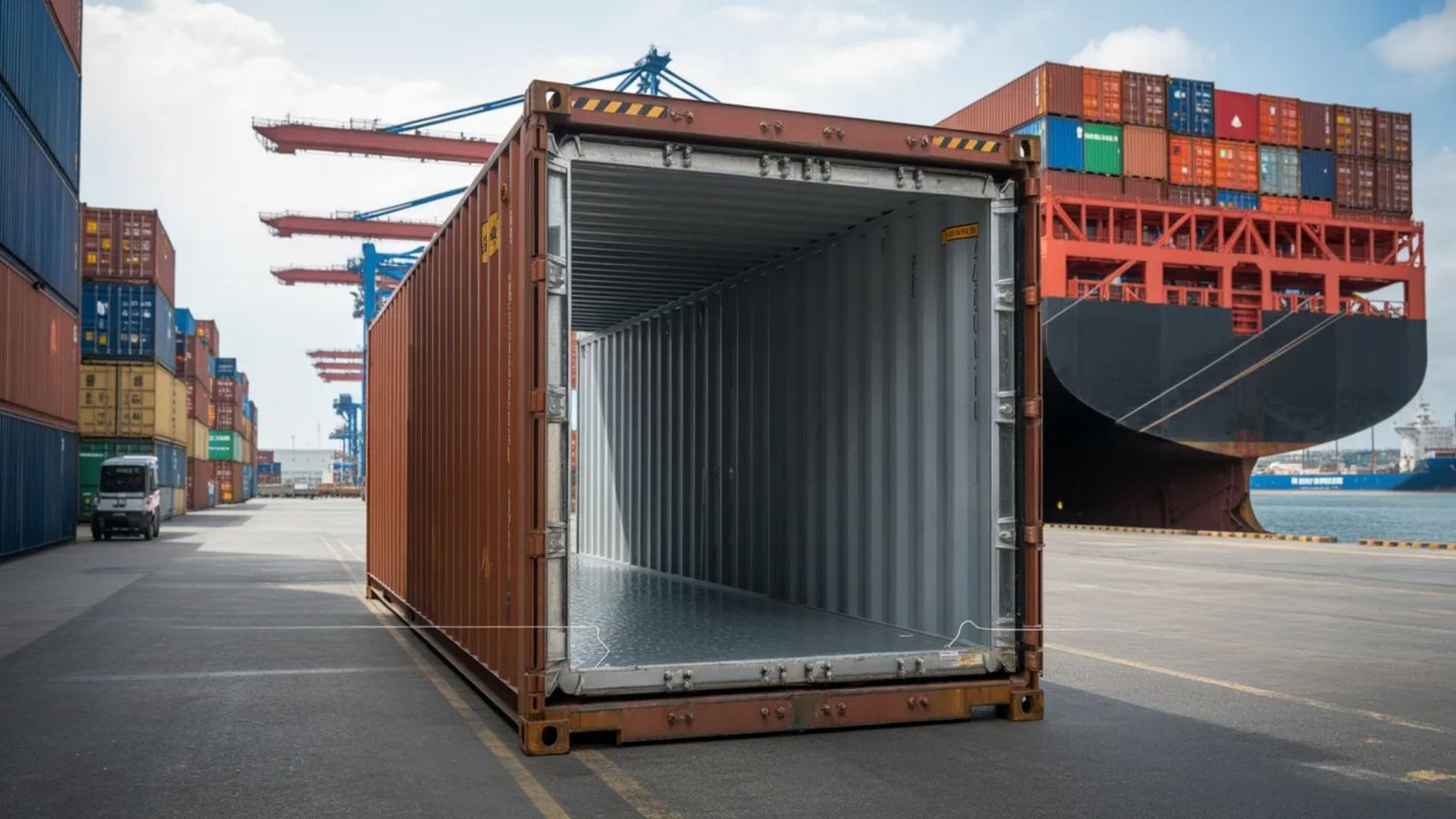
The welded steel walls and rubber door seals work together to close off most entry points, giving solid rain protection in day-to-day use.
But this protection has limits. Flooding, long-term water exposure, and structural damage from rust or poor modifications can all let water in.
A container in good condition resists water well. A neglected one doesn't stand a chance.
Can Shipping Containers Handle Flooding or Standing Water?
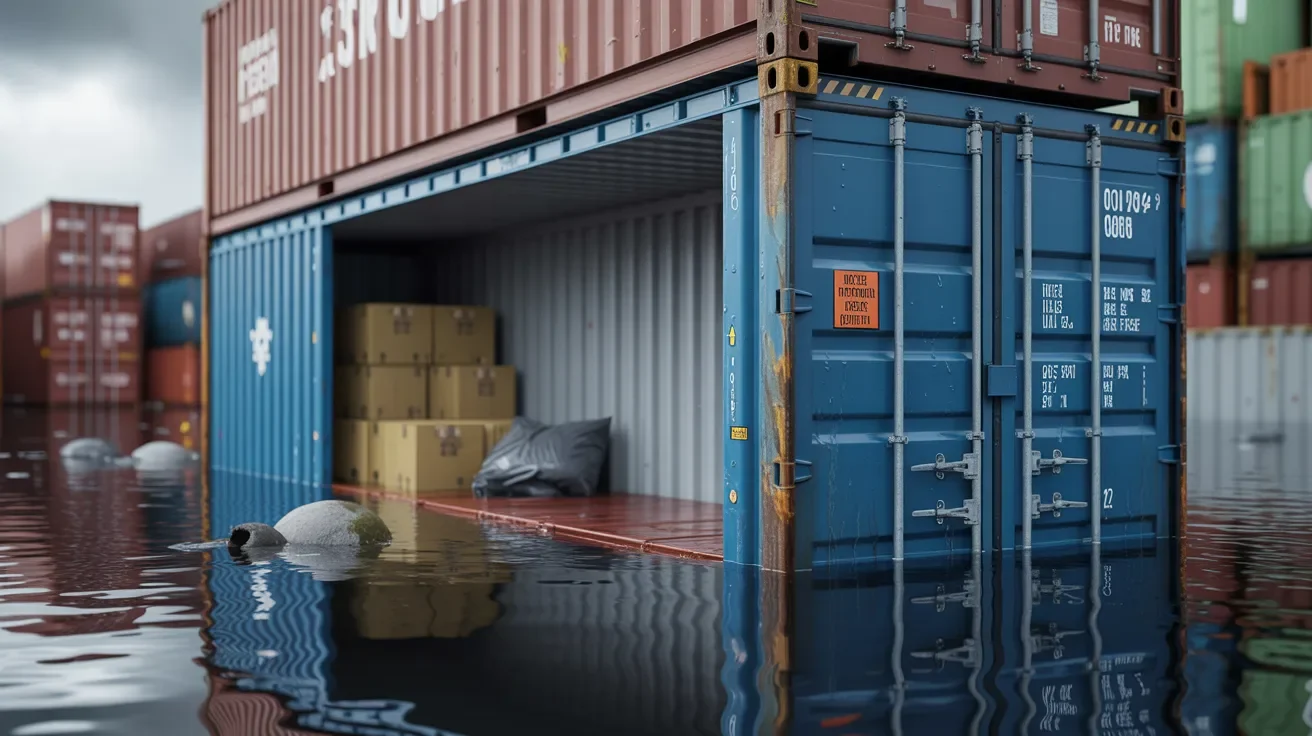
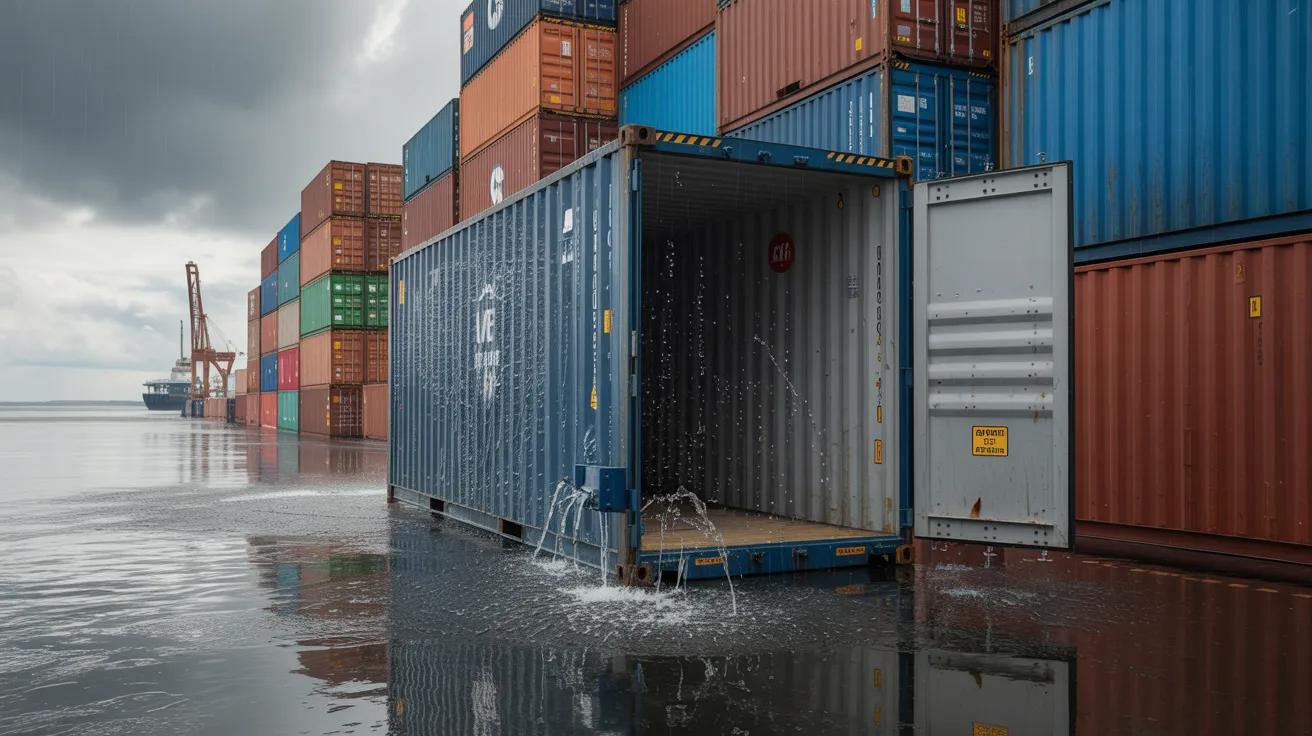
Shipping containers are built for rain and outdoor exposure, not flooding. There's a big difference between the two.
Rain hits the outside and runs off. Floodwater rises, surrounds the container, and pushes against every seal, joint, and gap at once.
Even the best rubber gaskets have limits under that kind of sustained pressure. Standing water underneath a container also causes long-term floor and frame damage.
Containers can slow water entry during mild flooding, but they are not designed to keep water out when fully surrounded by it.
Why Shipping Containers Are Water-Resistant
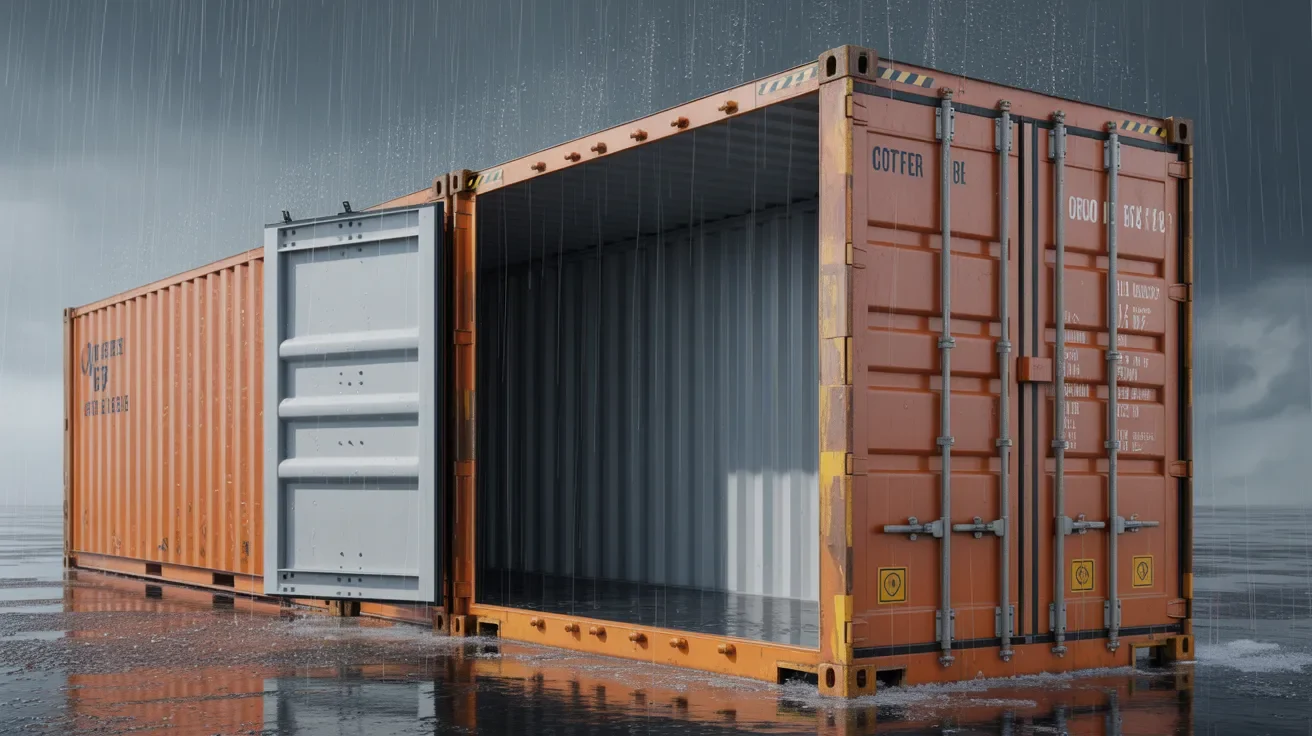
Three things make shipping containers water-resistant: Corten steel, rubber seals, and a welded structure.
Corten steel develops a protective outer layer over time that fights off corrosion and weather damage without breaking down.
The rubber gaskets fitted around the door frame press tightly shut when the doors are locked, blocking rain and wind-driven moisture from getting inside.
The walls and roof are welded together rather than bolted, leaving very few gaps for water to sneak through.
Together, these three features give containers solid, reliable protection against water in most real-world conditions.
When Water Infiltration Happens
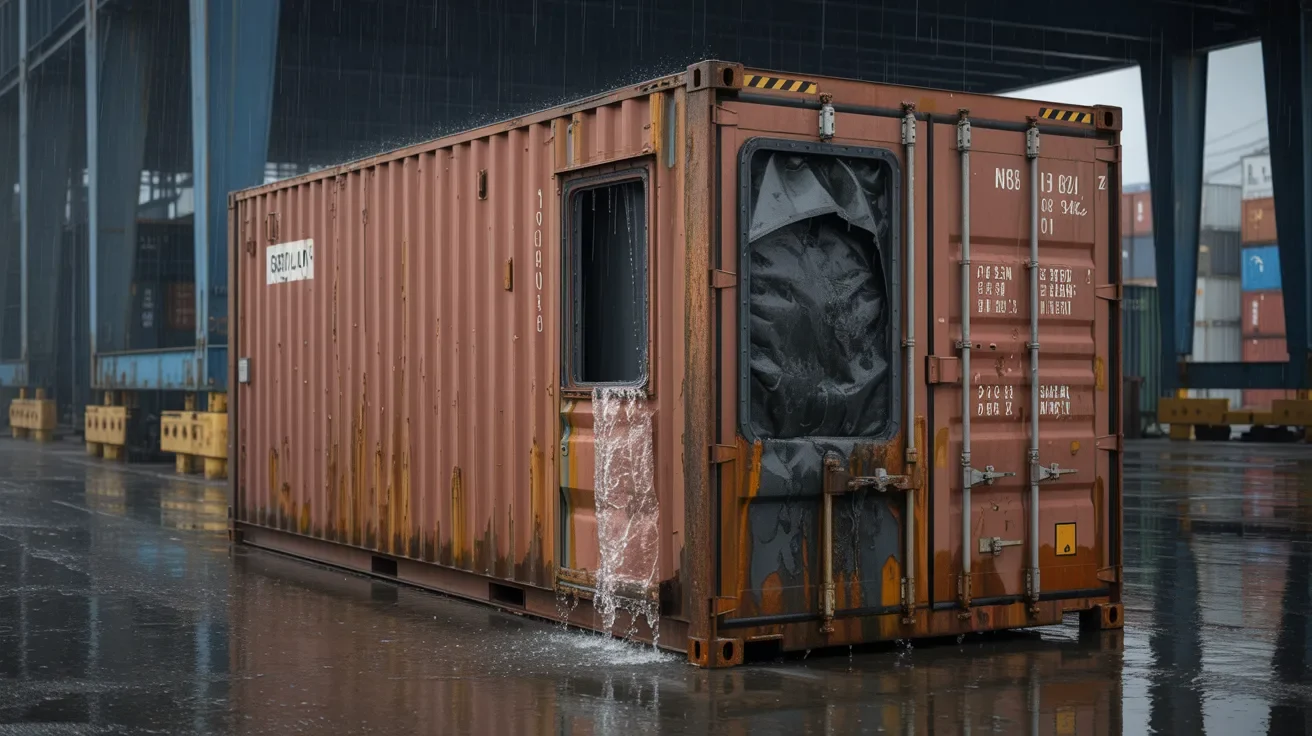
Containers don't fail all at once. They fail gradually, and it usually starts with one weak point. Rust is a common cause.
Once steel starts corroding, small holes form and water finds its way in. Damaged or worn door seals are another problem.
When gaskets crack or shrink, the tight closure they create breaks down.
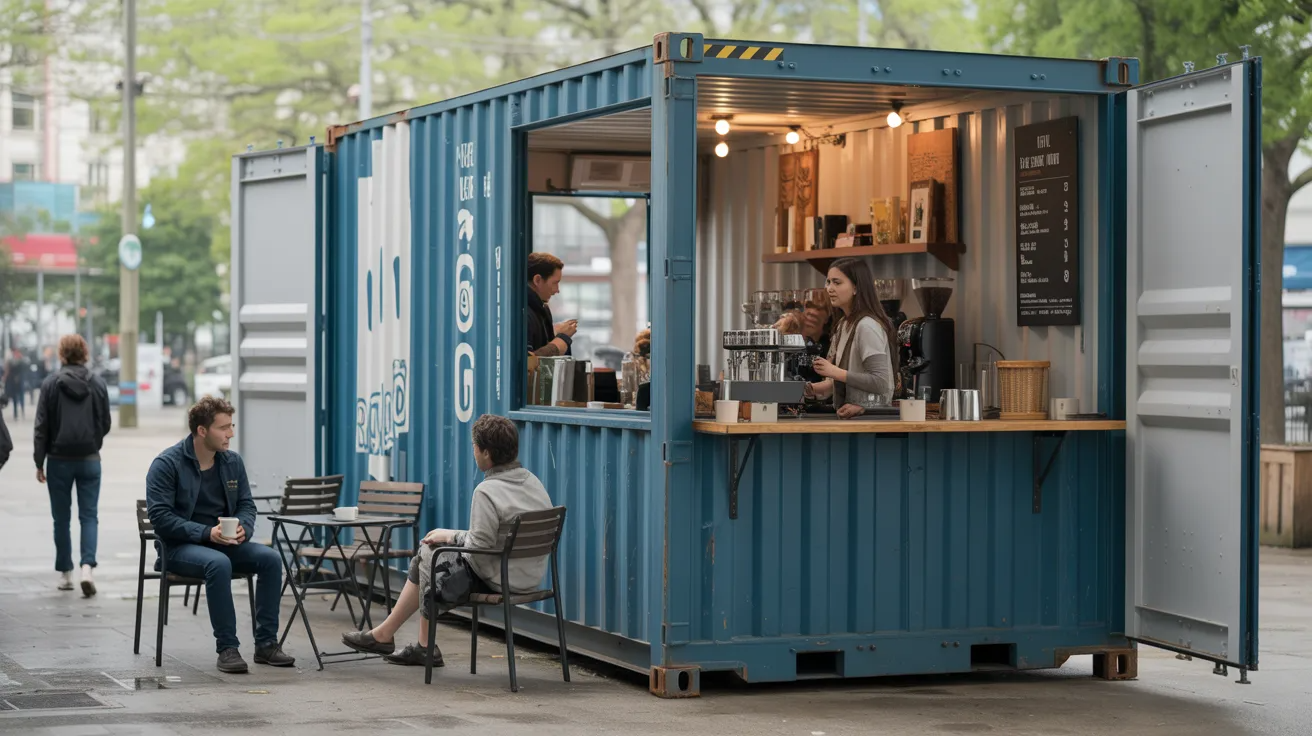
Modifications like cutting holes for windows or vents can also let water in if not sealed properly.
And in cases of flooding or prolonged water exposure, even a well-maintained container can be overwhelmed.
Waterproof vs Watertight vs Water-Resistant
Knowing the difference between waterproof, watertight, and water-resistant helps you understand a container’s protection against water.
| Term | Meaning | Best Use Case |
| Waterproof | Fully sealed; no water enters even when submerged | Underwater or extreme exposure |
| Watertight | Prevents water entry in normal conditions (rain, transport, splashes) | Shipping containers, outdoor storage |
| Water-resistant | Limits moisture but may allow water under pressure or long exposure | Light rain or indoor protection |
Shipping containers are typically watertight,not fully waterproof but strong enough to resist most real-world water exposure.
Hidden Risk: Moisture Without Leaks
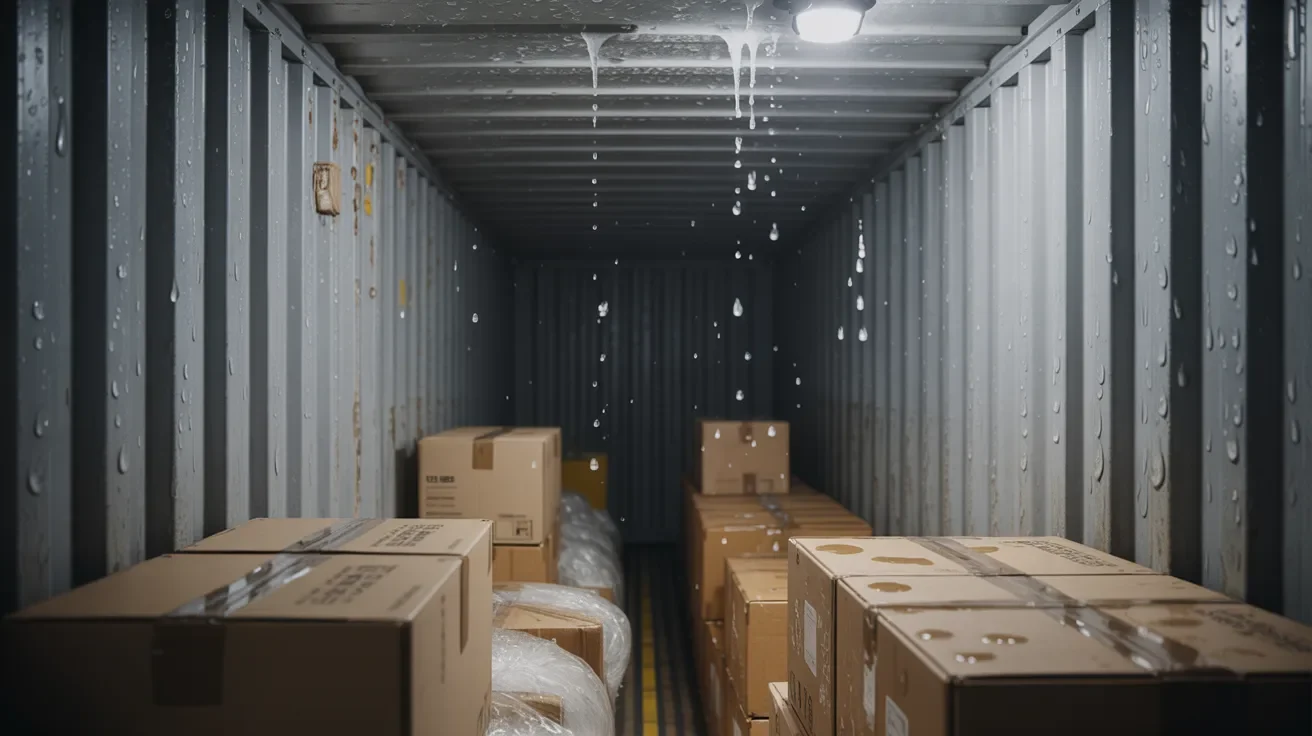
A container can be fully watertight and still develop serious moisture damage inside. This happens because of condensation.
When warm, humid air inside the container meets the cold steel walls, water droplets form on the surface.
This is often called "container rain." It doesn't come from outside. It builds up from temperature changes and humidity levels inside the container itself.
This kind of moisture can damage sensitive goods, cause mold to grow, and speed up internal corrosion.
It's a hidden risk that many people don't think about until they open the doors and find damaged cargo waiting for them.
Tips to Improve Protection Against Water Infiltration
A few simple steps can keep your container dry and your cargo safe.
- Inspect seals and structure regularly for cracks, rust spots, or gaps every few months
- Reseal gaps with caulking or welding as soon as you spot any openings
- Apply anti-rust and waterproof coatings to protect the exterior from weather exposure
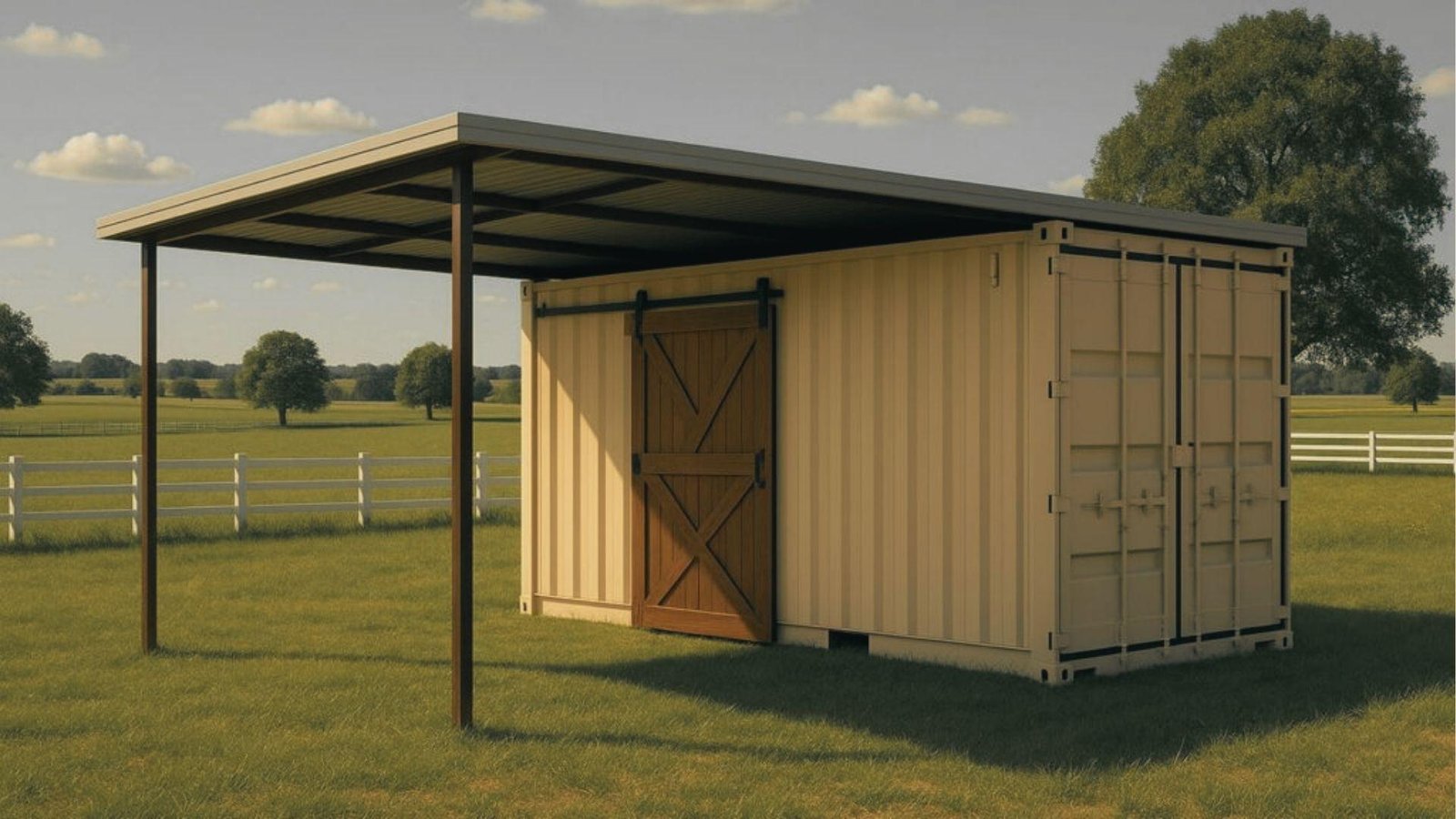
- Elevate the container on blocks or a raised foundation for proper drainage
- Use dehumidifiers or moisture absorbers inside to control humidity and stop condensation
Start with a basic inspection today. Small actions taken early prevent bigger problems later.
Conclusion
A shipping container looks tough from the outside, but moisture can still win if you're not paying attention.
I've seen it happen.
The good news is that a few simple checks can prevent most water damage. You now know exactly what to look for and how to stay ahead of it.
If this helps, share it with someone who stores goods in a container.
Frequently Asked Questions
Are shipping containers completely waterproof?
No, they are watertight in good condition but not fully waterproof.
How long do door seals on shipping containers last?
Several years, but inspect them regularly and replace them when cracked or worn.
Can rain get inside a shipping container?
Not through a well-maintained container, but damaged seals or rust holes can let water in.
What causes moisture inside a container even with no leaks?
Condensation forms when warm humid air meets cold steel walls inside the container.
How do I stop rust from forming on my shipping container?
Apply anti-corrosion paint or zinc-rich coatings and fix any surface damage promptly.