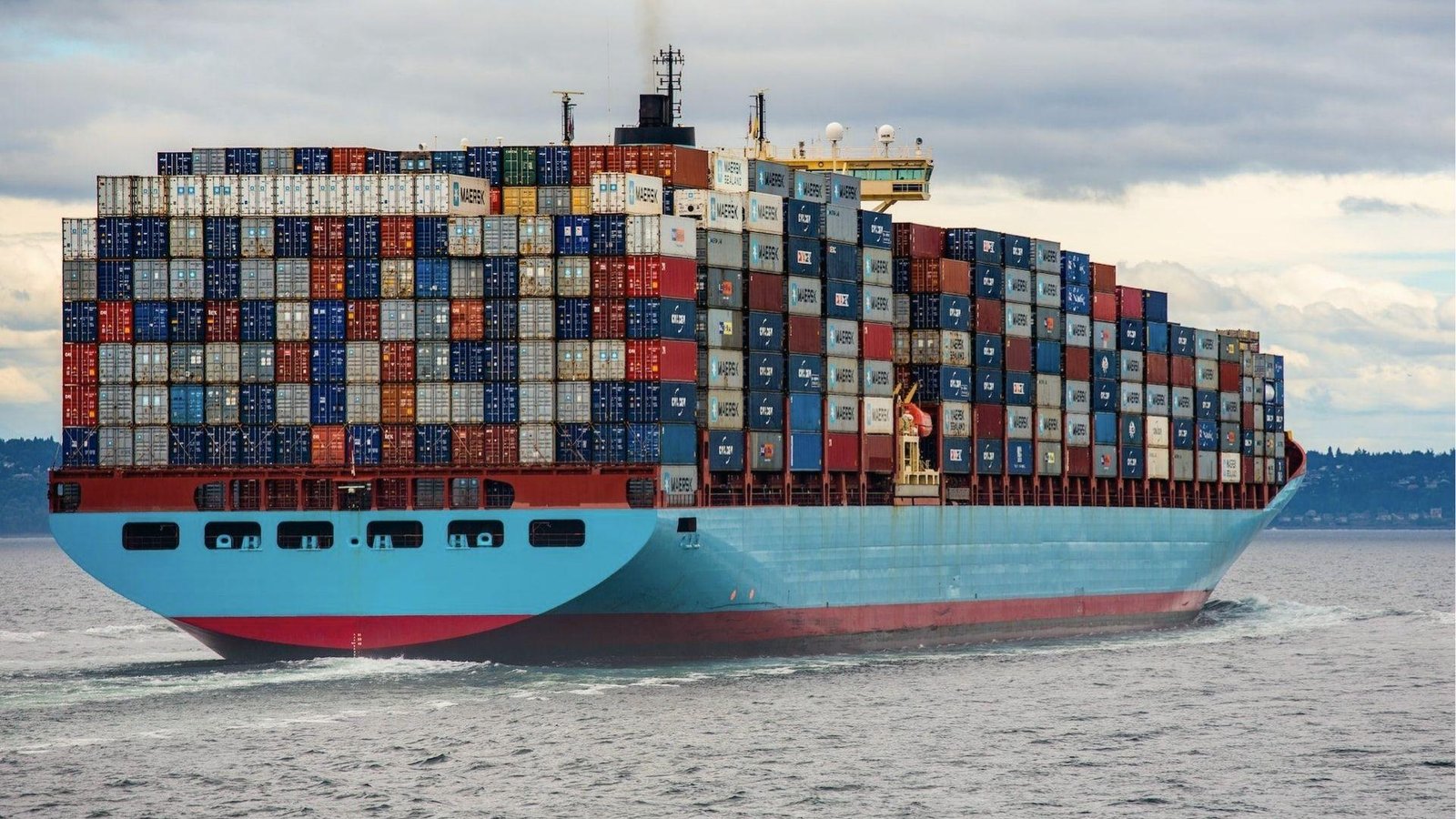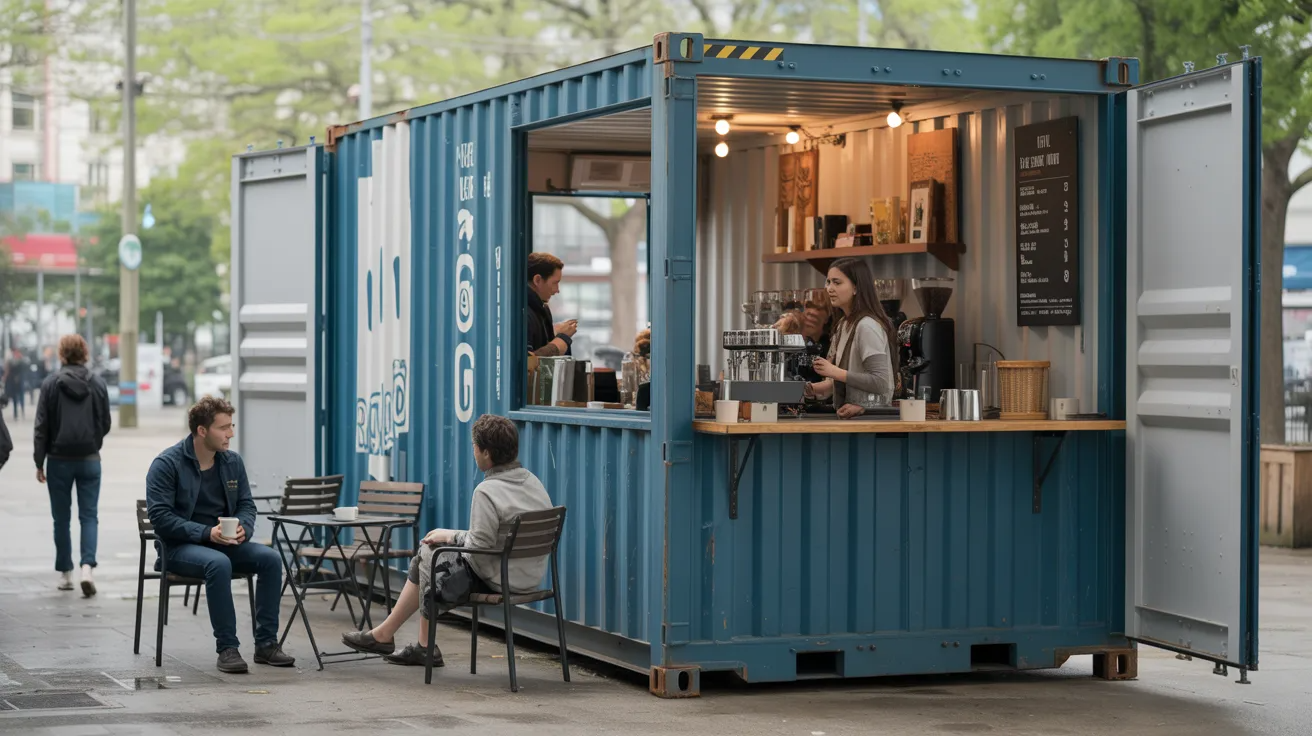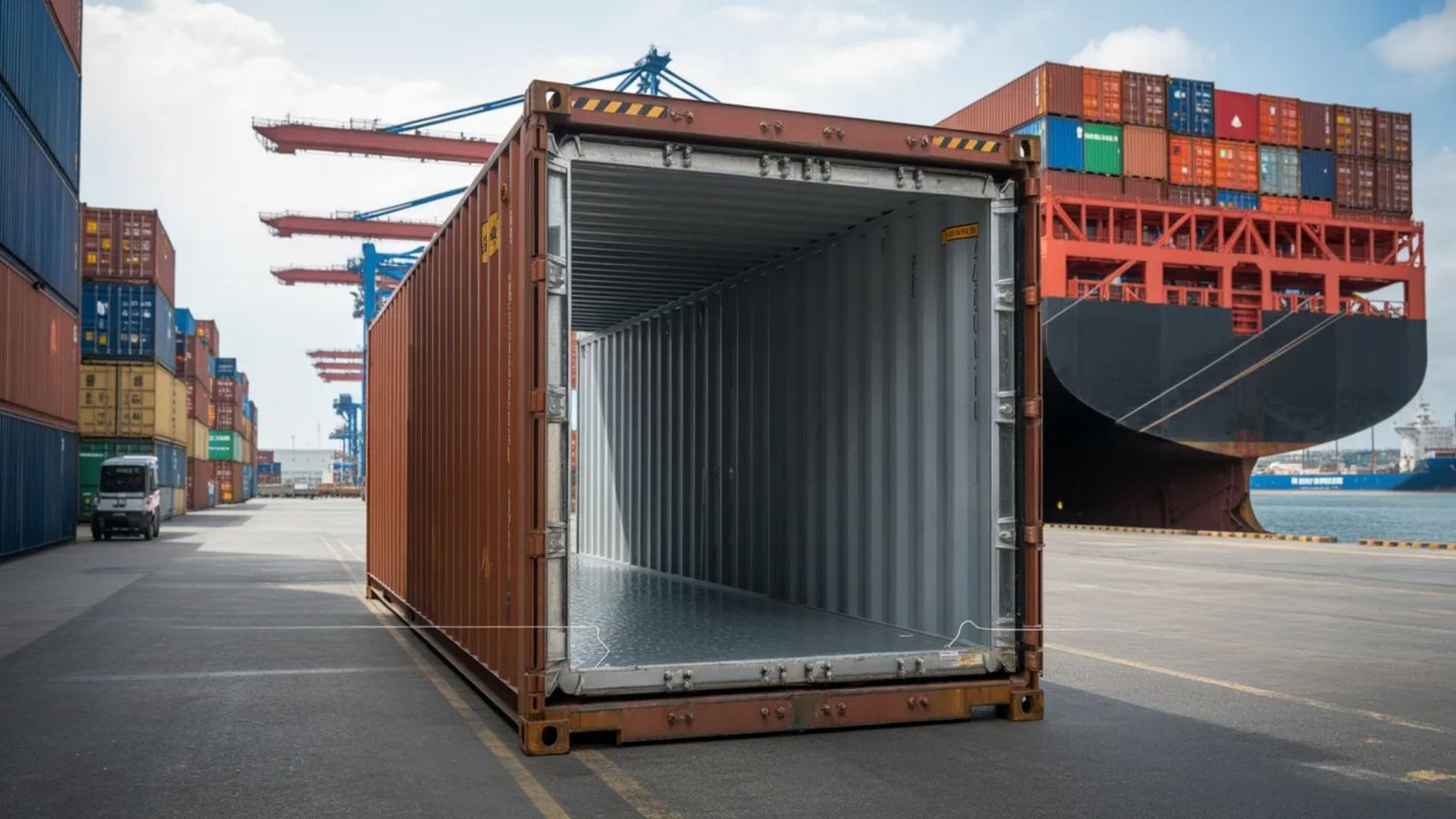
Looking for a strong, affordable barn that actually lasts? You are in the right place.
This article covers 11 shipping container pole barn ideas that work for farms, workshops, and backyards. We will walk you through design options, planning tips, and real builds you can use as a starting point.
We have helped hundreds of readers plan their builds, and we know what works and what does not.
Here is what you will find inside: what a shipping container pole barn is, key design elements to plan first, 11 real design ideas with details, and DIY vs prefab options.
Let us get into it.
What Is a Shipping Container Pole Barn?

A shipping container pole barn uses steel containers as the main structure, with wooden or steel poles supporting a roof that stretches over them. The result is a strong, weatherproof space that costs less than a traditional building.
The containers act as walls and storage rooms. Poles set in concrete keep everything stable. A roof covers the open space between them, giving you a covered workspace without building full walls from scratch. Most builders use 20-foot or 40-foot containers.
People choose this design for three reasons: cost, speed, and durability. Containers already come with steel walls built in, which cuts labor and materials.
They hold up well against wind, rain, and pests. And with containers already on site, most builds wrap up in just a few days once the ground is ready.
Key Design Elements to Plan Before Building

Before you break ground, a few decisions will shape the whole project. Getting these right early saves time, money, and headaches later.
Container Placement and Spacing Options
How you place your containers changes everything. Two containers placed parallel with space between them create a covered central bay. This is the most common layout.
You can also place containers end to end to make a long storage wall. Or arrange them at an angle to create separate zones.
Spacing matters. The gap between two parallel containers becomes your main work or storage area. A 20-foot gap is good for most farm uses. A 30-foot gap works better for large equipment.
Always check your land first. Flat ground is best. Uneven land needs grading or concrete pads before containers go in.
Choosing the Right Roof Style (Gable, Truss, Lean-To)
The roof style changes how the barn looks and how it performs.
Gable roofs have two slopes that meet at a peak in the middle. They shed rain and snow well and give you more headroom inside. Good for most builds.
Truss roofs use a series of triangular supports. They span wide distances without needing center posts. This keeps the floor space open and clear.
Lean-to roofs slope in one direction only. They are simpler and cheaper to build. Best for smaller setups or when you attach the barn to an existing structure.
Think about your local weather before picking a style. Heavy snow areas need steeper pitches. Windy areas need lower profiles.
Open vs Enclosed Barn Layouts
Open layouts leave one or more sides without walls. Good airflow, easy access, and lower cost. Best for livestock, hay storage, or covered equipment parking.
Enclosed layouts add walls between the containers and under the roof. More protection from weather and better security. Better for tools, vehicles, or a workshop.
You do not have to choose one or the other. Many builds use a mix. Keep one side open for access and enclose the rest for weather protection.
Ventilation, Natural Light, and Accessibility
Steel containers hold heat. Without proper airflow, the inside gets very hot in summer. Plan for ridge vents, side vents, or louvers to keep air moving.
Natural light makes a big difference in how usable the space feels. Add skylights or translucent roof panels in the center bay. Corrugated polycarbonate panels are affordable and let in good light.
For accessibility, think about door sizes. Sliding barn doors or large roll-up doors work well. If you use forklifts or large vehicles, make the entry points wide enough on both sides.
11 Shipping Container Pole Barn Ideas & Designs
These 11 designs cover everything from simple farm setups to off-grid workshops, so you can find what fits your space and budget.
1. Two-Container Pole Barn with Central Roof

Two 40-foot containers sit side by side with a 20 to 30-foot gap between them. A gable or truss roof covers the full span, creating a wide covered bay in the middle. Use it for equipment storage, vehicle parking, or a general workspace.
The containers carry most of the structural load, so the roof just needs to stay weatherproof. Cost stays low, and you can enclose the sides or add a lean-to later as your needs grow.
2. Wide Drive-Through Shipping Container Pole Barn

Both ends stay fully open so vehicles drive straight through without turning around. A roof over the center keeps things dry while you work underneath.
This layout suits farmers with tractors, trailers, or large machinery. Plan for at least 14 to 16 feet of clearance at each end to handle tall equipment comfortably.
3. L-Shaped Container Pole Barn Layout

Two containers are placed at a 90-degree angle instead of running parallel.
The roof covers the corner space between them, and the layout naturally splits into two zones:one for storage and one for work or animals.
The L-shape also blocks wind from two directions, which keeps the interior cooler in warm months.
4. Open-Side Livestock Shelter Design

One or two containers form the back wall, and a lean-to or gable roof extends out front. The front stays fully open for airflow, shade, and easy animal movement.
There are no doors to fix and no tight spaces to clean. Feed and water access stays simple, and animals stay comfortable in warm climates.
5. High-Clearance Equipment Storage Barn

Tall steel poles rise well above the container tops to support a roof at 18 to 24 feet. The open interior handles combine grain carts, and tall sprayers with room to spare.
Protecting large machinery from sun, rain, and frost adds years to its lifespan. The extra height also allows for overhead shelving above the container rooflines.
6. Stacked Container Pole Barn with Loft

Containers are stacked two high on one or both sides. Lower containers handle heavy storage or garage use. Upper containers become office space, a workshop, or organized storage.
This doubles your floor area without expanding your footprint. Always have a structural engineer review the plan before stacking to make sure corner castings are aligned and secured properly.
7. Workshop and Storage Hybrid Barn

One side of the barn holds tools, parts, and supplies. The other side works as an active workshop with power outlets, lighting, and workbenches. A wall or partition separates the two zones.
Roll-up doors on the workshop side let large items move in and out easily. This layout works well for mechanics, welders, and small-scale manufacturers.
8. Solar-Powered Shipping Container Pole Barn

Solar panels go directly onto the roof at an angle that captures maximum sunlight. The panels feed a battery system or connect back to the grid, powering lights, tools, and security cameras.
Trenching electrical lines to a remote barn can cost thousands. Solar cuts that cost and pays itself back within 5 to 8 years in most rural setups.
9. Fully Enclosed Container Pole Barn with Doors

All four sides are closed off. The containers form two walls, and framed walls or steel panels fill in the remaining sides. Large roll-up or swing doors handle entry and exit.
Everything inside stays protected from weather, dust, and theft. The enclosed structure also keeps temperatures more stable, which matters for fuel, paint, and electronics.
10. Multi-Bay Agricultural Storage Pole Barn

Three or more containers spread across a wider footprint, with multiple bays created between and beside them.
Each bay serves a different purpose:hay, equipment, feed, or chemicals. One continuous roof ties it all together.
You can build this in phases. Start with two containers and two bays, then add more as your budget and storage needs increase.
11. Compact Backyard Utility Pole Barn

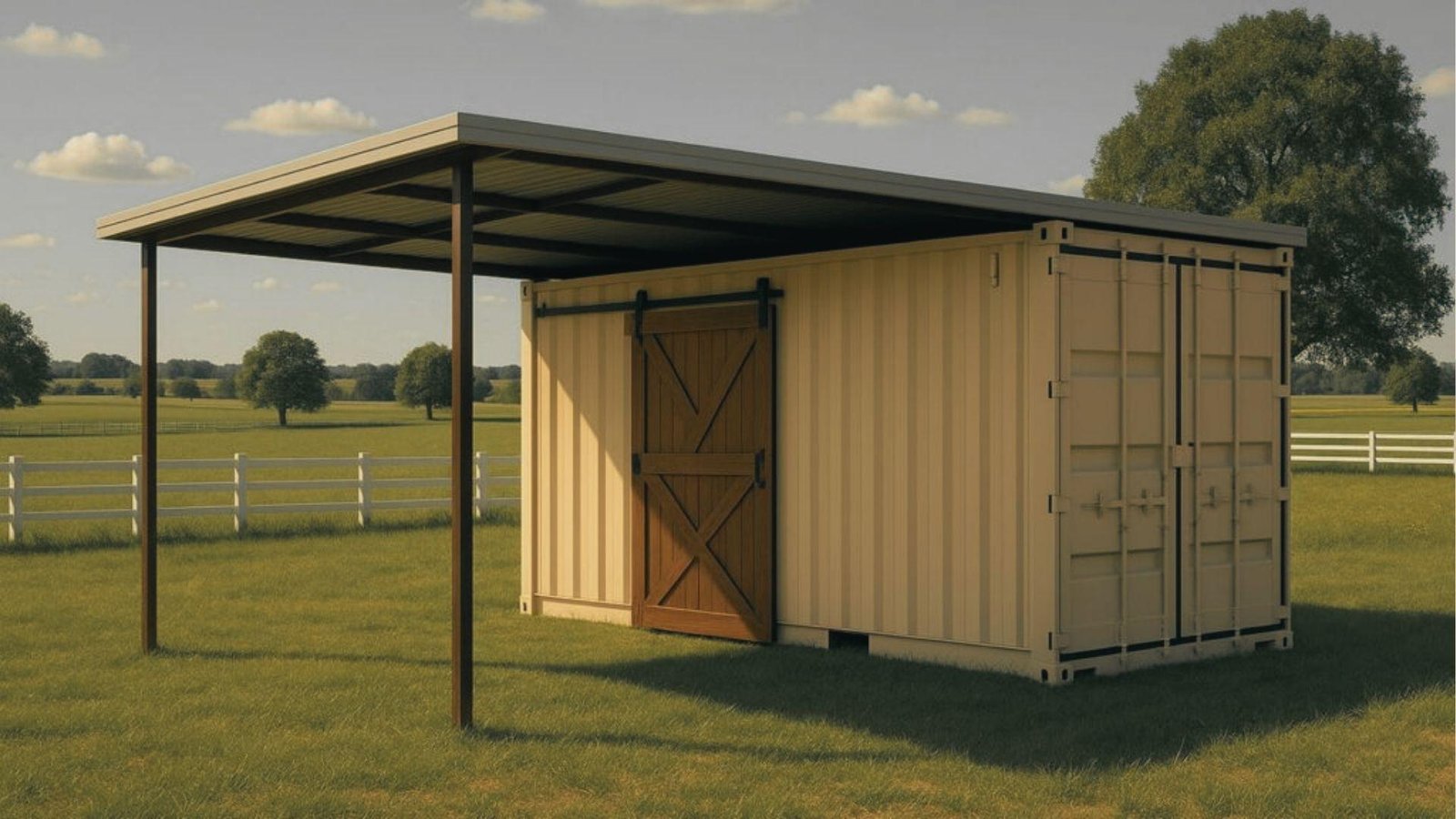
One 20-foot container pairs with a simple lean-to roof to create a small, covered utility space. It fits in most backyards and often does not require a permit.
The container stores tools, bikes, or seasonal items. The lean-to beside it gives you a shaded outdoor work area. Low cost, short build time, and beginner-friendly from start to finish.
DIY vs Prefab Shipping Container Pole Barns
Both options work well. The right choice depends on your budget, skills, and how fast you want to finish.
When to Choose a DIY Approach
DIY saves money on labor and gives you full control. It works best if you have basic construction skills and some extra time.
The trade-off is speed. Most DIY builds take several weekends to complete. It also suits custom layouts that prefab kits cannot handle.
Advantages of Prefab Kits
Prefab kits come with pre-cut materials and step-by-step instructions. Many builds finish in a single weekend with a few helpers.
Quality is reliable and consistent. The main downside is limited flexibility. Custom sizes may not be available, and you still need to check local building codes yourself.
Conclusion
I have always believed that the best builds start with a clear plan and honest expectations. Shipping container pole barns give you serious value if you know what you are doing and what you need.
If you are sitting on a piece of land right now thinking about what to put up, any one of these 11 designs gives you a solid starting point. Start simple, plan well, and build something you will use for years.
Have a design idea in mind? Drop it in the comments below. I would love to hear what you are planning.
Frequently Asked Questions
How much does a shipping container pole barn cost to build?
Costs vary based on size and design. A basic two-container setup with a roof can range from $15,000 to $50,000 depending on materials, labor, and location.
Do I need a permit to build a shipping container pole barn?
Most areas require a building permit for permanent structures. Always check with your local zoning office before starting any construction on your property.
How long does it take to build a shipping container pole barn?
A small DIY build can take a few weekends. Larger or more complex designs with contractor help typically take two to six weeks from start to finish.
Can shipping containers be used in cold climates?
Yes, but insulation is very important. Without proper insulation, containers get extremely cold in winter. Spray foam or panel insulation inside the container walls works well.
What size containers work best for a pole barn?
40-foot containers are the most common choice because they provide more floor space. 20-foot containers work well for smaller or compact builds with limited land.