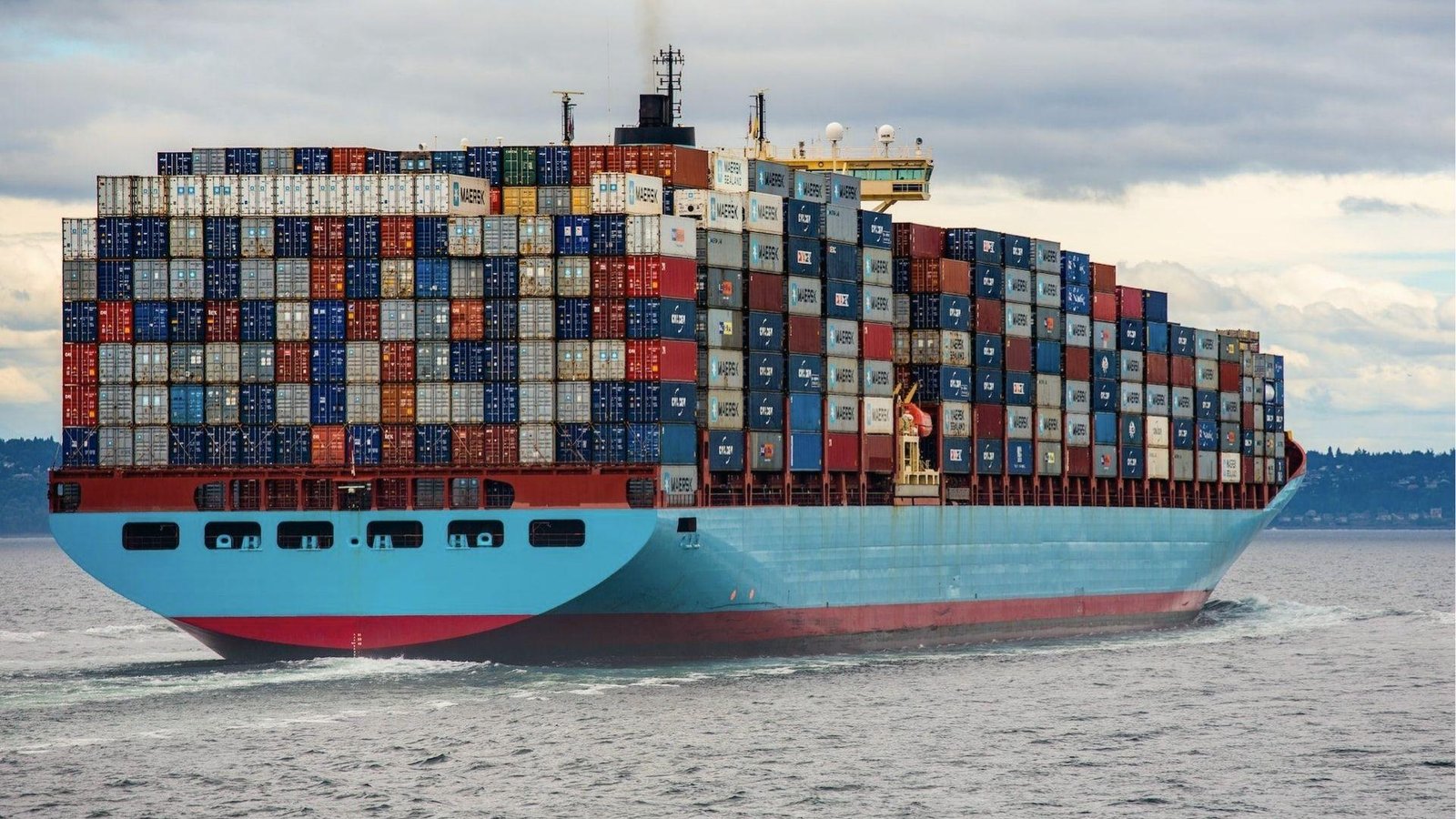
Have you ever looked at a massive cargo ship and wondered how many containers on a container ship it can actually hold? I did too, and the numbers surprised me.
In this article, I'll cover container ship sizes, TEU explained, the world's largest ships, and tips for picking the right shipping option.
I've spent time researching the shipping industry, and I want to make this simple and clear for you.
You'll walk away knowing exactly how container capacity works.
Quick Answer: How Many Containers on a Container Ship?
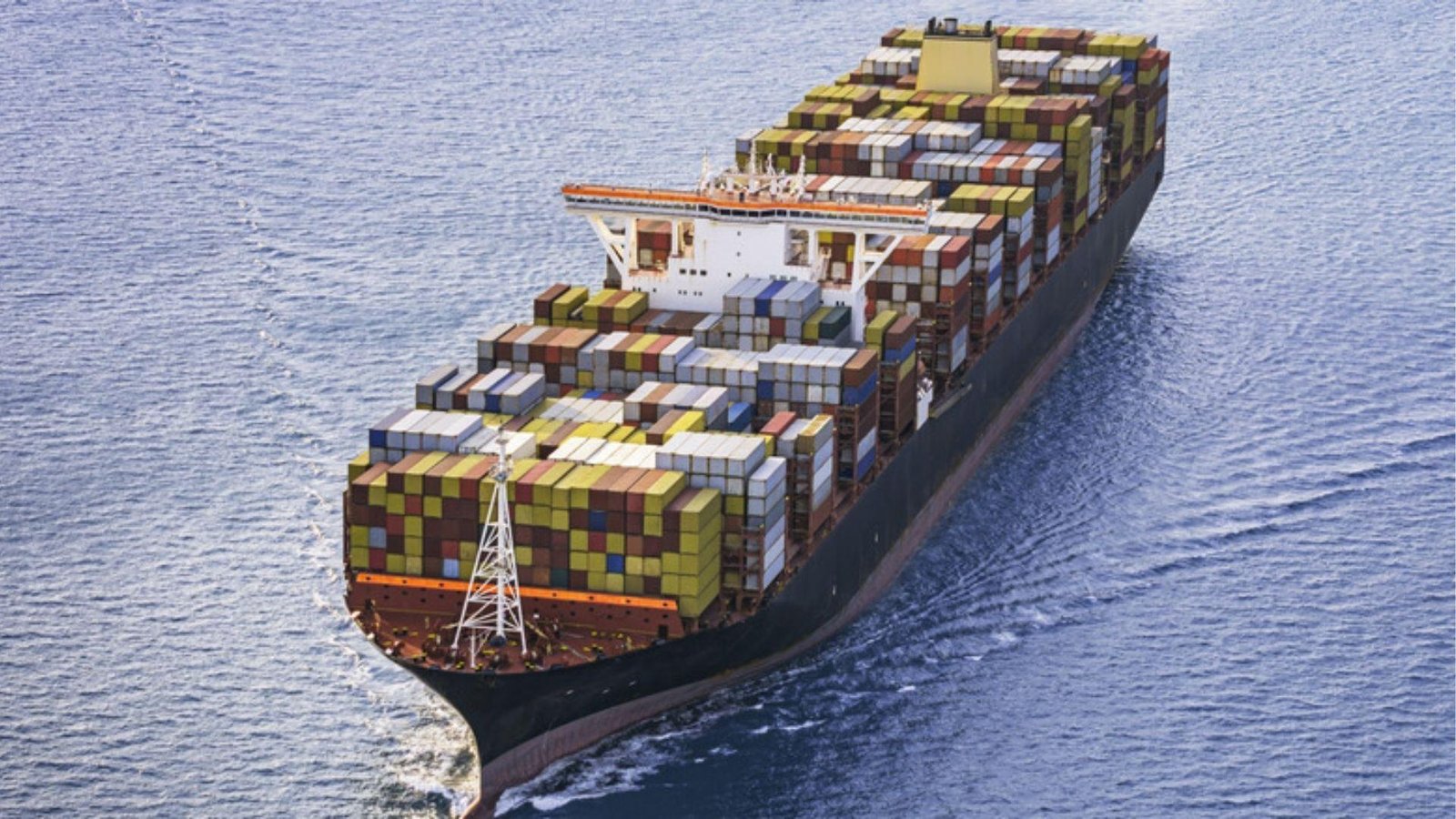
A fast breakdown of container ship capacity across different vessel sizes.
Most container ships carry between 10,000 and 15,000 TEUs on average. Smaller ships carry far less, while mega-ships push well past 20,000 TEUs.
The largest vessels today can hold over 24,000 TEUs, running major trade routes between Asia, Europe, and North America.
On the other end, small feeder ships carry as few as 1,000 TEUs. The gap between the two reflects just how much global trade has grown over the years.
How Many Containers on a Container Ship by Size and Type

Container ships come in several classes, each built for different routes and cargo volumes.
Feeder Ships
Feeder ships are the smallest in the fleet. They carry between 100 and 3,000 TEUs. They serve smaller ports that large vessels cannot reach. They often transfer cargo from big ships at major hubs.
Panamax Ships
Panamax ships are sized to fit through the original Panama Canal locks. They carry around 3,000 to 5,000 TEUs. These ships are still widely used on many mid-range trade routes.
Post-Panamax and New Panamax Ships
Post-Panamax ships are too wide for the old canal locks. They carry between 5,000 and 10,000 TEUs. New Panamax ships can pass through the expanded Panama Canal and carry up to 14,000 TEUs.
Ultra Large Container Vessels (ULCVs)
ULCVs are the giants of container shipping. They carry between 18,000 and 24,000 or more TEUs. These ships run mostly on Asia-to-Europe routes and require deep-water ports to dock.
What Does TEU Mean in Container Shipping?

TEU is the standard unit used to measure how much cargo a container ship can carry.
TEU vs FEU Explained
TEU stands for Twenty-foot Equivalent Unit. It refers to a standard 20-foot container. FEU stands for Forty-foot Equivalent Unit, which equals two TEUs.
Most modern cargo is shipped in 40-foot containers, but TEU is still used as the base measurement.
Why TEUs Matter for Cargo Ship Capacity
TEUs give a clear picture of how much cargo a ship can carry. They help shipping companies compare vessel sizes and plan how many containers fit on each ship.
It is the global standard for measuring container capacity.
Standard Shipping Container Sizes
The two most common sizes are the 20-foot and 40-foot containers. A 20-foot container is one TEU. A 40-foot container is one FEU or two TEUs.
There are also 45-foot containers used for lighter, bulkier goods.
Largest Container Ships in the World
These record-breaking vessels show just how big modern container shipping has become.
MSC Irina
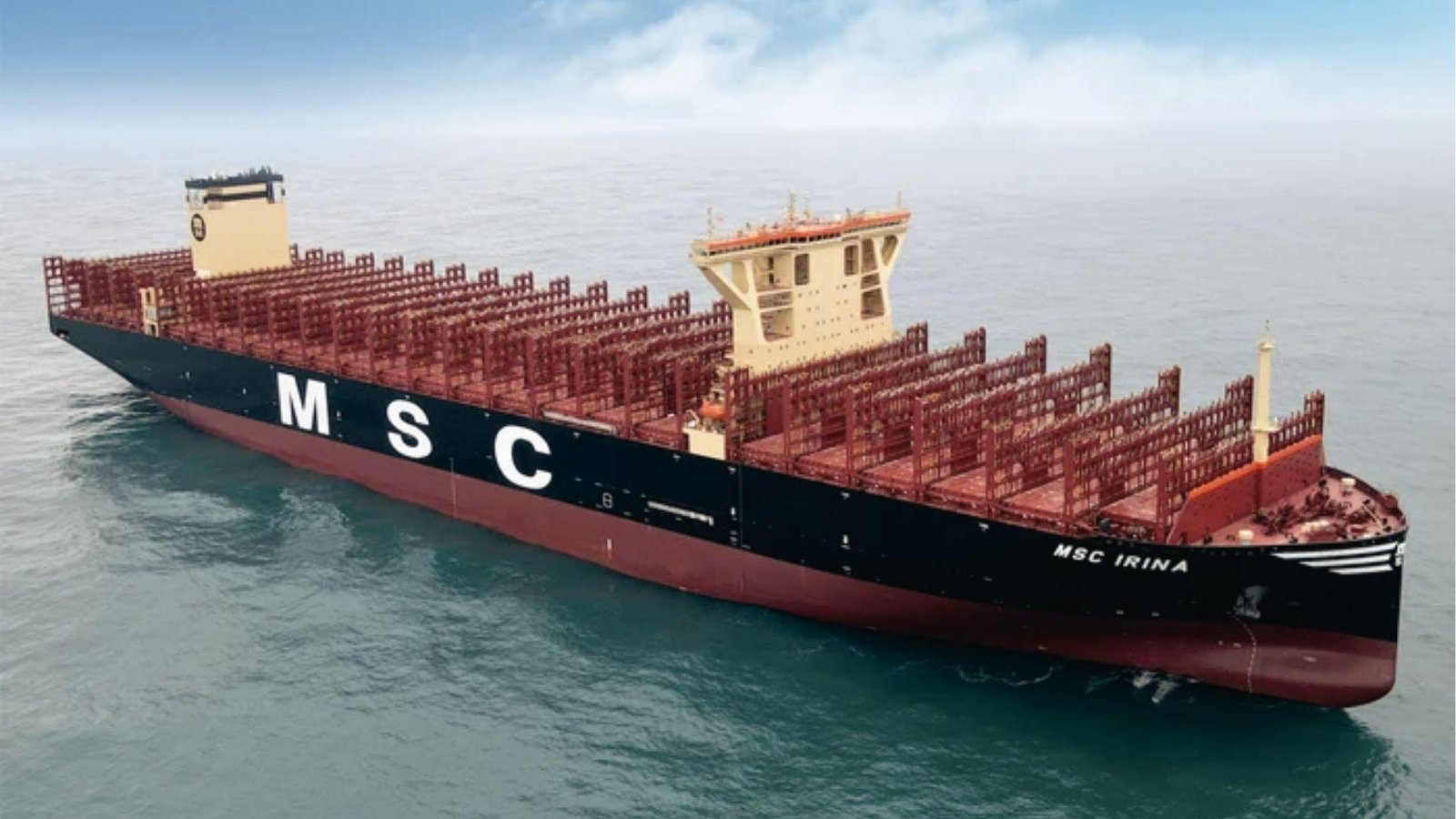
The MSC Irina holds the record as one of the world's largest container ships. It can carry around 24,346 TEUs. It operates on major Asia-Europe trade lanes and was built in 2023.
Ever Ace
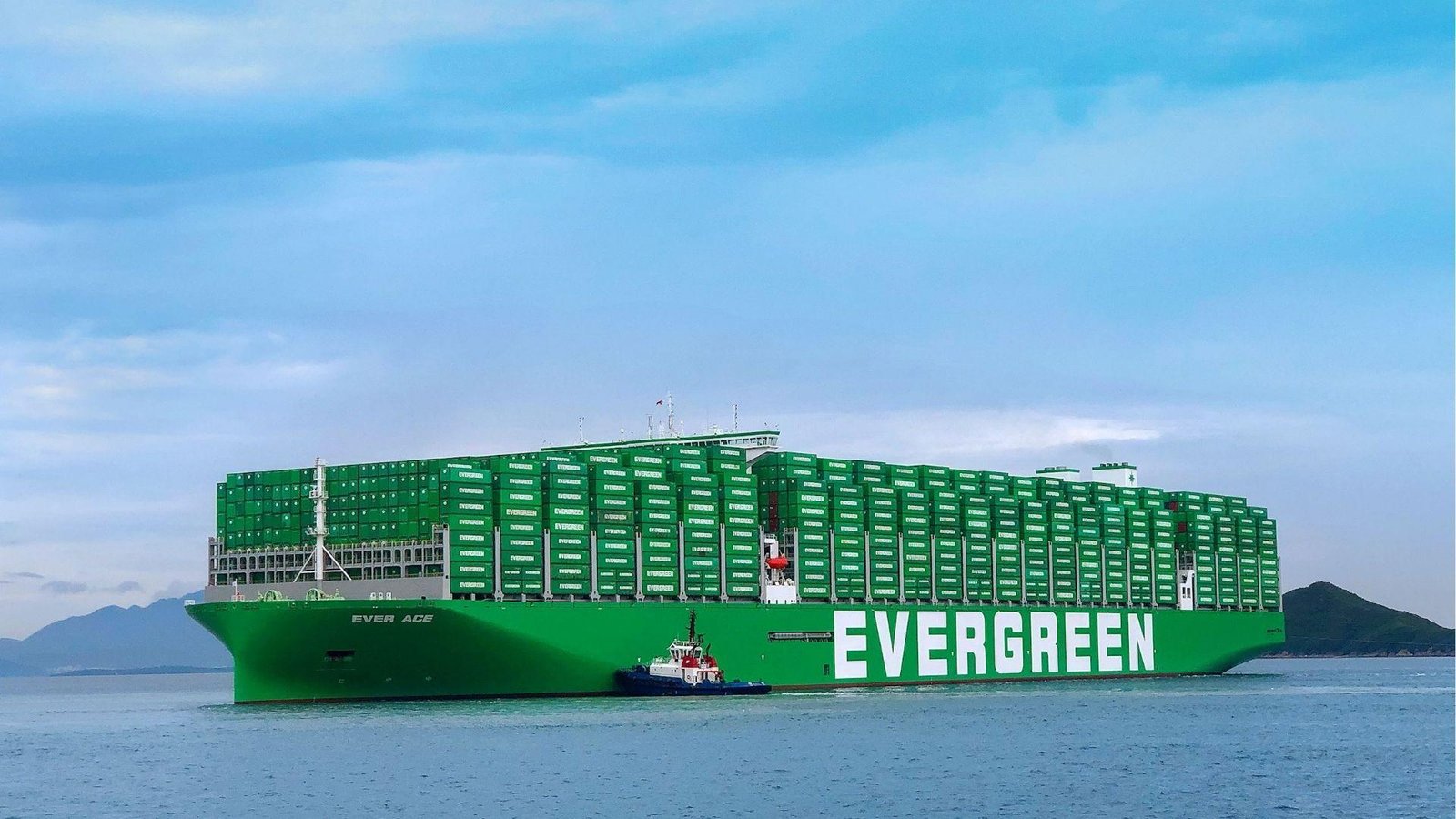
The Ever Ace is operated by Evergreen Marine. It has a capacity of about 23,992 TEUs. It is part of a series of mega-ships that Evergreen built to keep up with rising trade demand.
OOCL Hong Kong

The OOCL Hong Kong was among the first ships to break the 21,000 TEU mark. It was a major milestone in container shipping when it launched.
OOCL has continued to build even larger vessels since then.
Maersk Triple E-Class Ships
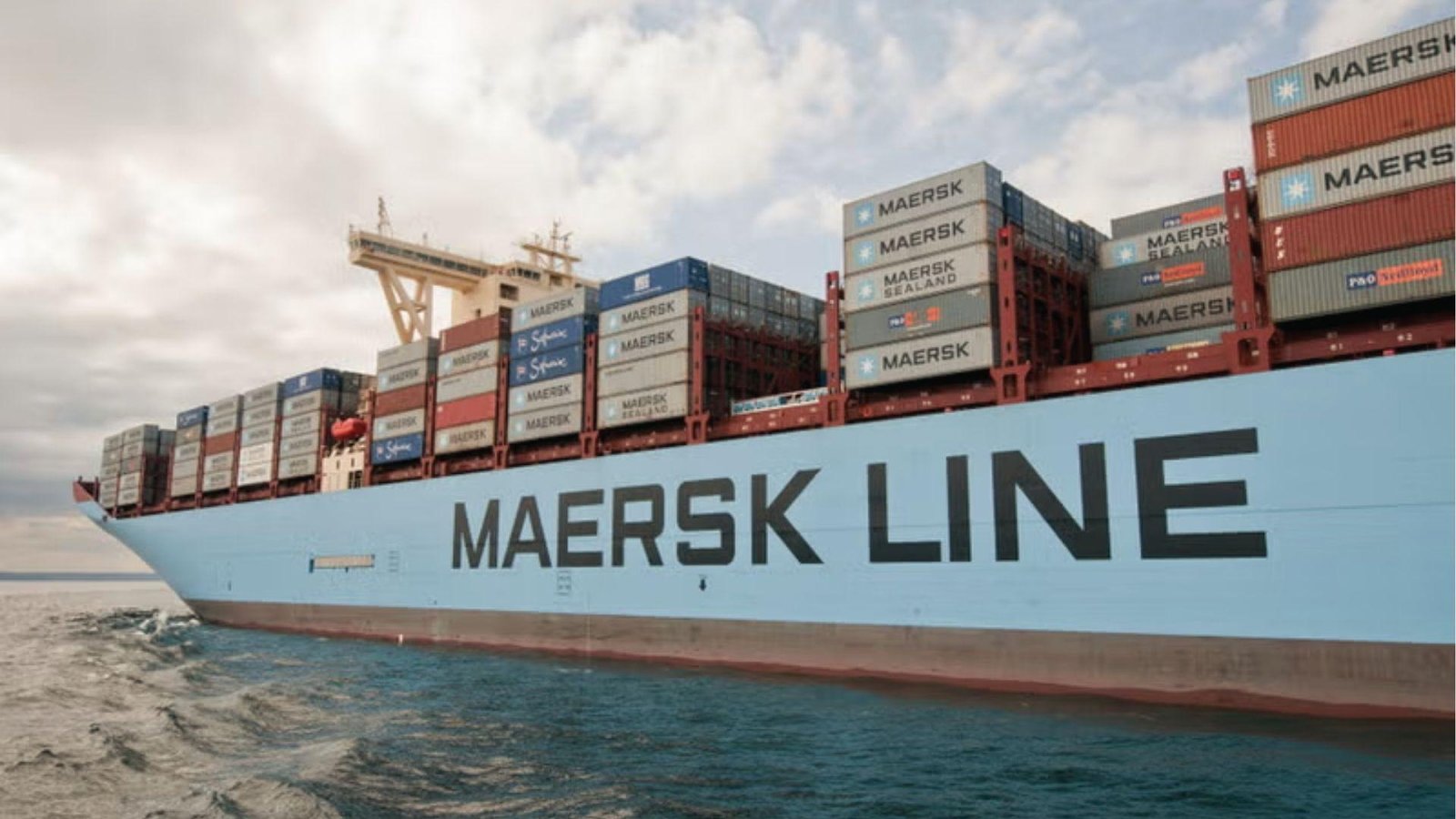
Maersk's Triple E-class ships were built with three goals:economy of scale, energy efficiency, and environmental performance.
They carry up to 18,000 TEUs and were seen as revolutionary when introduced. They helped push the entire industry toward larger, greener ships.
What Determines How Many Containers Fit on a Ship?

Several key factors decide the total number of containers a ship can safely carry.
Ship Size and Structural Design
The length, width, and depth of a ship all affect how many containers it can hold. Larger ships have more deck space and deeper holds.
The structural strength of the hull also sets a limit on how heavy the load can be.
Container Weight and Dimensions
Not every container weighs the same. A heavy load reduces how many containers a ship can carry, even if space remains.
Ships must stay within their maximum weight limit, called the deadweight tonnage.
Stacking and Stowage Planning
Containers are stacked both below deck and on top. Stowage planners use software to arrange containers for balance and safety.
The way containers are stacked affects how many can fit without making the ship unstable.
Port Depth and Canal Restrictions
Some ships are too large to enter certain ports or canals. Draft restrictions, which refer to how deep a ship sits in the water, limit which vessels can dock.
Canal size also limits the width and length of ships that can pass through.
Weather and Safety Regulations
Shipping companies must follow international safety rules. In rough seas, ships may carry fewer containers to reduce top-heavy risk.
Safety regulations set clear limits on how high containers can be stacked.
Why Container Ships Keep Getting Bigger

The shipping industry keeps building larger ships for some very practical reasons.
Growing Global Trade Demand
World trade has grown steadily over the past few decades. More goods moving between countries means more demand for cargo space.
Bigger ships allow companies to meet that demand without sending out more vessels.
Lower Shipping Costs per Container
Shipping more containers per trip lowers the cost per TEU. This makes large ships more cost-effective for carriers and their customers.
The savings get passed on across the global supply chain.
Fuel Efficiency and Modern Ship Technology
Larger ships use less fuel per container compared to smaller ones. New engine technology and hull designs reduce fuel consumption further.
This makes big ships not just cost-effective but also better for the environment per unit of cargo.
Tips for Choosing the Right Container Shipping Option
The right shipping choice depends on your cargo size, budget, and delivery needs.
- FCL books the whole container; LCL shares space with other cargo. Use FCL for large shipments and LCL for smaller ones.
- A 20-foot container works best for smaller, heavier loads. A 40-foot container suits bulkier or larger cargo.
- Always check weight limits before picking a container size. Going over limits can cause delays and extra costs.
- A 20-foot container holds about 33 cubic meters. A 40-foot holds around 67 cubic meters. Leave room for packing.
- A freight forwarder handles bookings, paperwork, and customs. They save time and often cut down shipping costs.
Conclusion
Now you know how many containers on a container ship, from small feeder vessels to record-breaking mega-ships.
I found this topic eye-opening the first time I looked into it. The sheer scale of global shipping is hard to wrap your head around until you see the numbers.
If you are planning a shipment or just curious about how trade works, I hope this gave you a clear and honest answer.
Drop a comment below with your questions, or share this post with someone in the shipping business.
Frequently Asked Questions
How Many Containers on a Container Ship on Average?
Most container ships carry between 10,000 and 15,000 TEUs on average. Smaller feeder ships carry under 3,000, while the largest vessels exceed 24,000 TEUs.
What Is the Largest Container Ship Capacity?
The MSC Irina currently holds one of the top spots with a capacity of around 24,346 TEUs. New ships being built may push that number even higher in coming years.
How Many 40-Foot Containers Can a Ship Carry?
A ship rated at 20,000 TEUs can carry around 10,000 forty-foot containers. Each 40-foot container equals two TEUs, so you divide the TEU number by two.
What Is the Difference Between TEU and FEU?
TEU refers to a 20-foot container, while FEU refers to a 40-foot container. One FEU equals two TEUs. Both are used to measure and compare container ship capacity.
How Are Containers Stacked on a Ship?
Containers are stacked both below deck and above deck. Stowage planners use software to arrange them safely and keep the ship balanced. Safety rules set limits on how high the stacks can go.