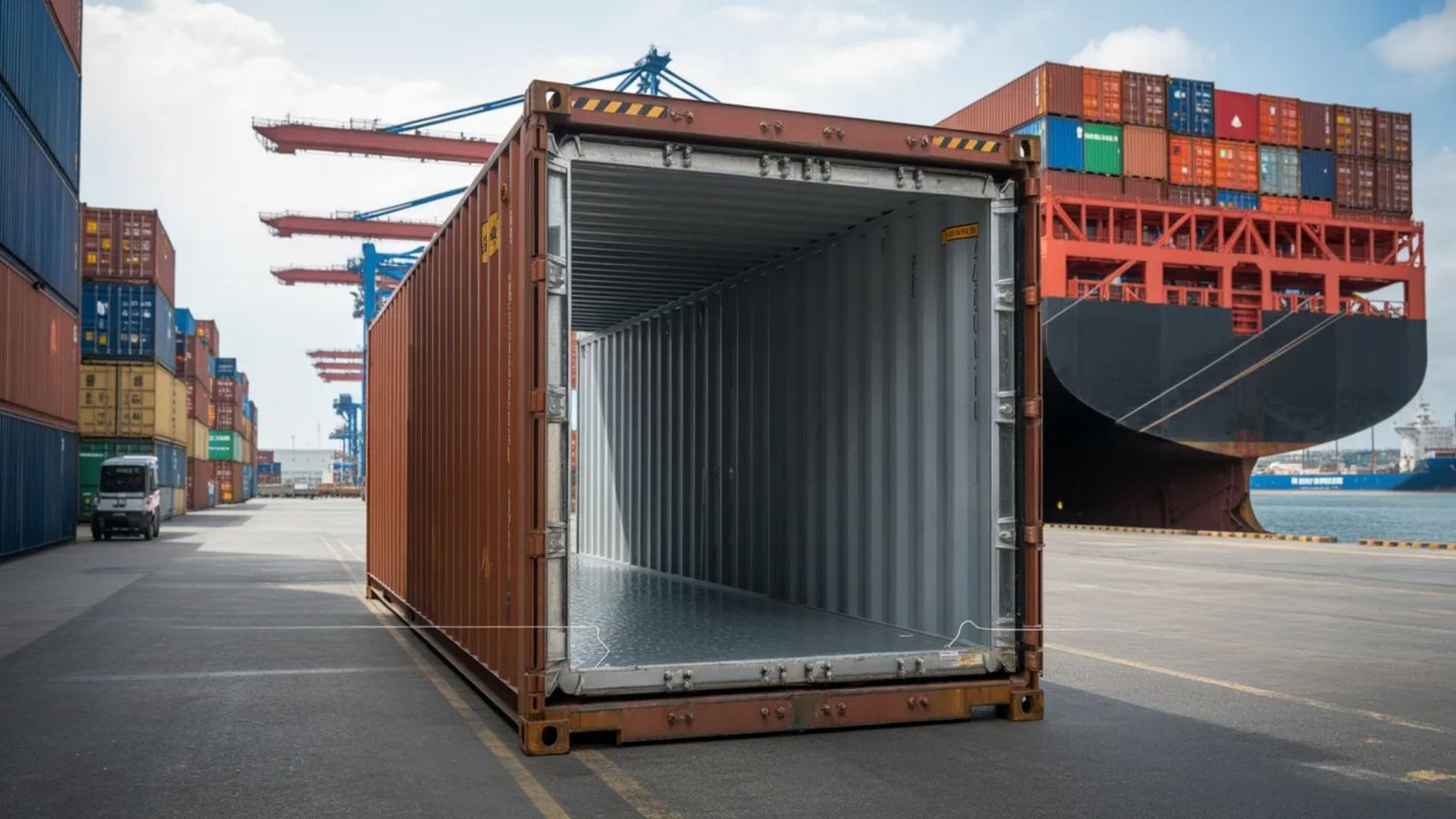

Shipping the wrong container size is an expensive mistake. I have seen shipments get delayed, cargo get damaged, and budgets go over just because someone picked the wrong box.
This article covers international shipping container sizes and dimensions in full detail. You will find standard sizes, high cube options, reefer containers, and specialty types all in one place.
We also cover how to choose the right container based on cargo volume, weight, and shipping method. With years in freight logistics, I want to make this simple and clear for you.
What Are International Shipping Container Sizes?
International shipping container sizes are set measurements used across global trade to move cargo by sea, road, and rail.
The most common sizes are 20ft and 40ft, but options like 10ft, 45ft, high cube, and specialty containers also exist.
These sizes follow ISO standards, which means they work on ships, trucks, and cranes worldwide. Knowing the right size helps you plan cargo space, control freight costs, and avoid loading problems.
The right container depends on how much you are shipping, how heavy it is, and where it is going.
Standard International Shipping Container Sizes and Dimensions
These are the most widely used container sizes in global freight and logistics.
10ft Shipping Container Dimensions
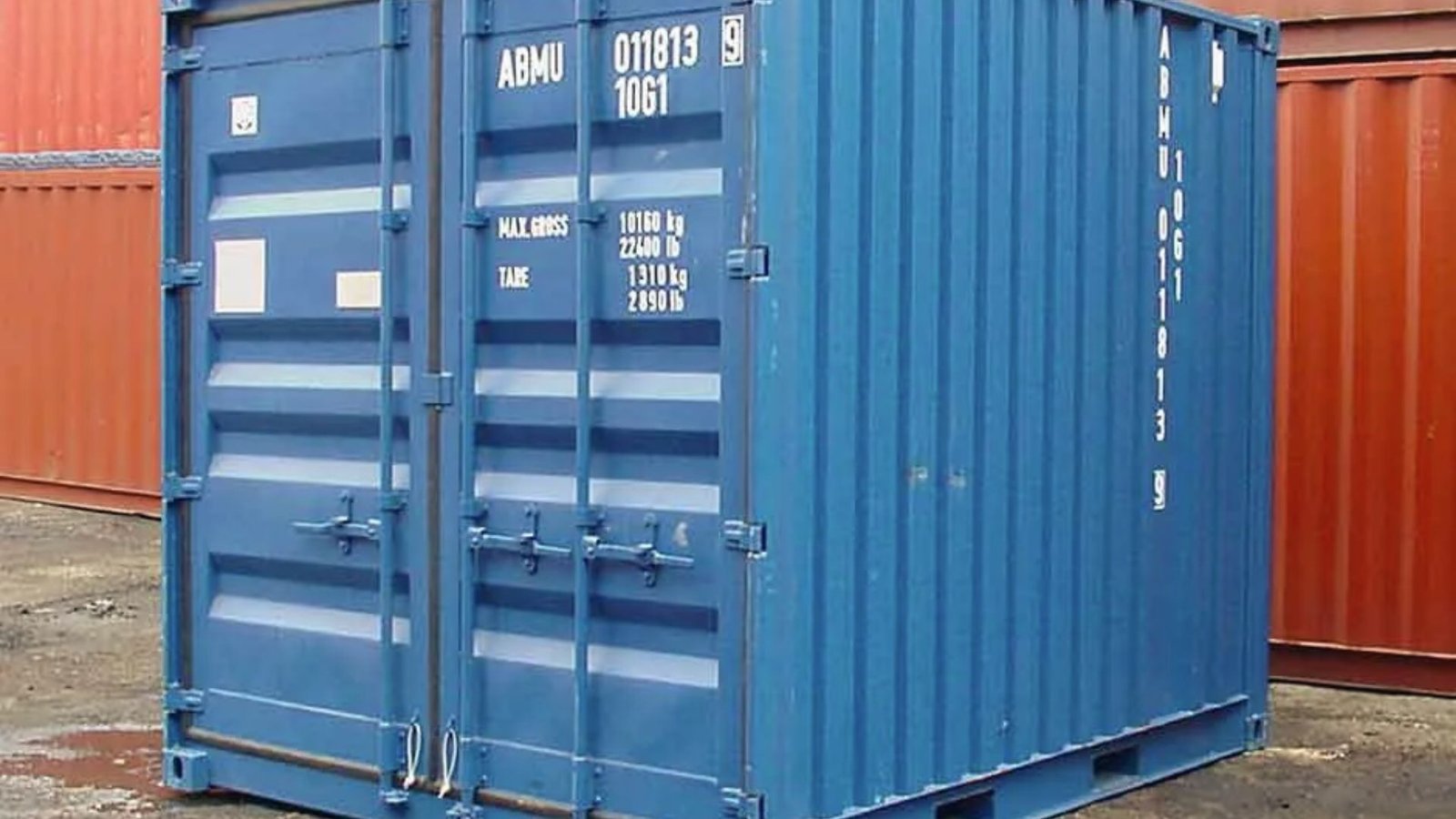
The 10ft container is the smallest standard option, best suited for small loads and tight spaces.
External dimensions are 10ft (L) x 8ft (W) x 8ft 6in (H) and internal dimensions are 9ft 5in (L) x 7ft 8in (W) x 7ft 10in (H).
Payload capacity is around 8,500 to 10,000 kg with a cubic capacity of 14 to 16 cubic meters.
20ft Shipping Container Dimensions
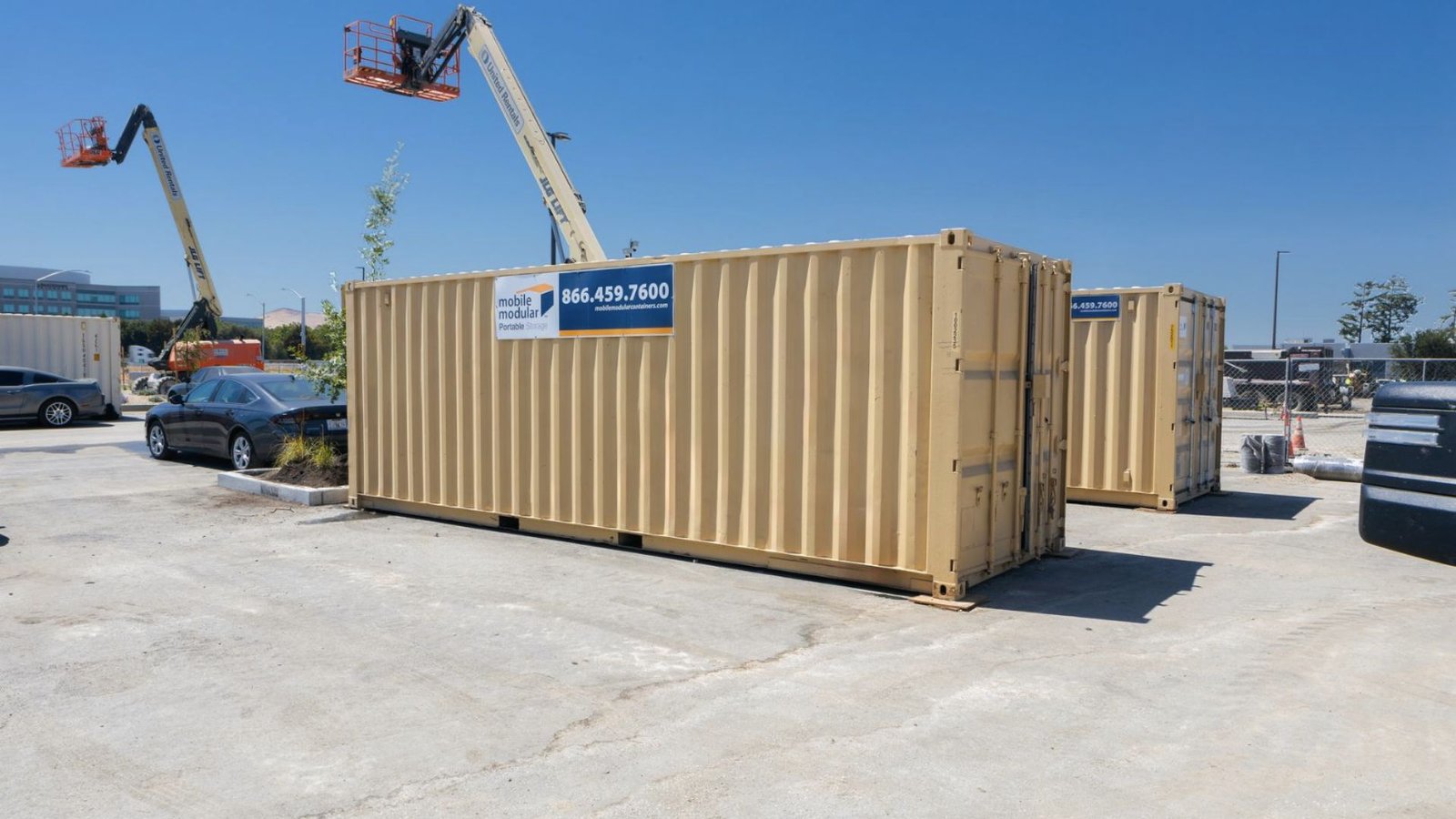
The 20ft container is one of the most popular sizes in global trade, fitting standard ships, trucks, and trains without special equipment.
External dimensions are 20ft (L) x 8ft (W) x 8ft 6in (H) and internal dimensions are 19ft 4in (L) x 7ft 8in (W) x 7ft 10in (H).
Payload is around 21,700 kg with a cubic capacity of approximately 33 cubic meters.
40ft Shipping Container Dimensions
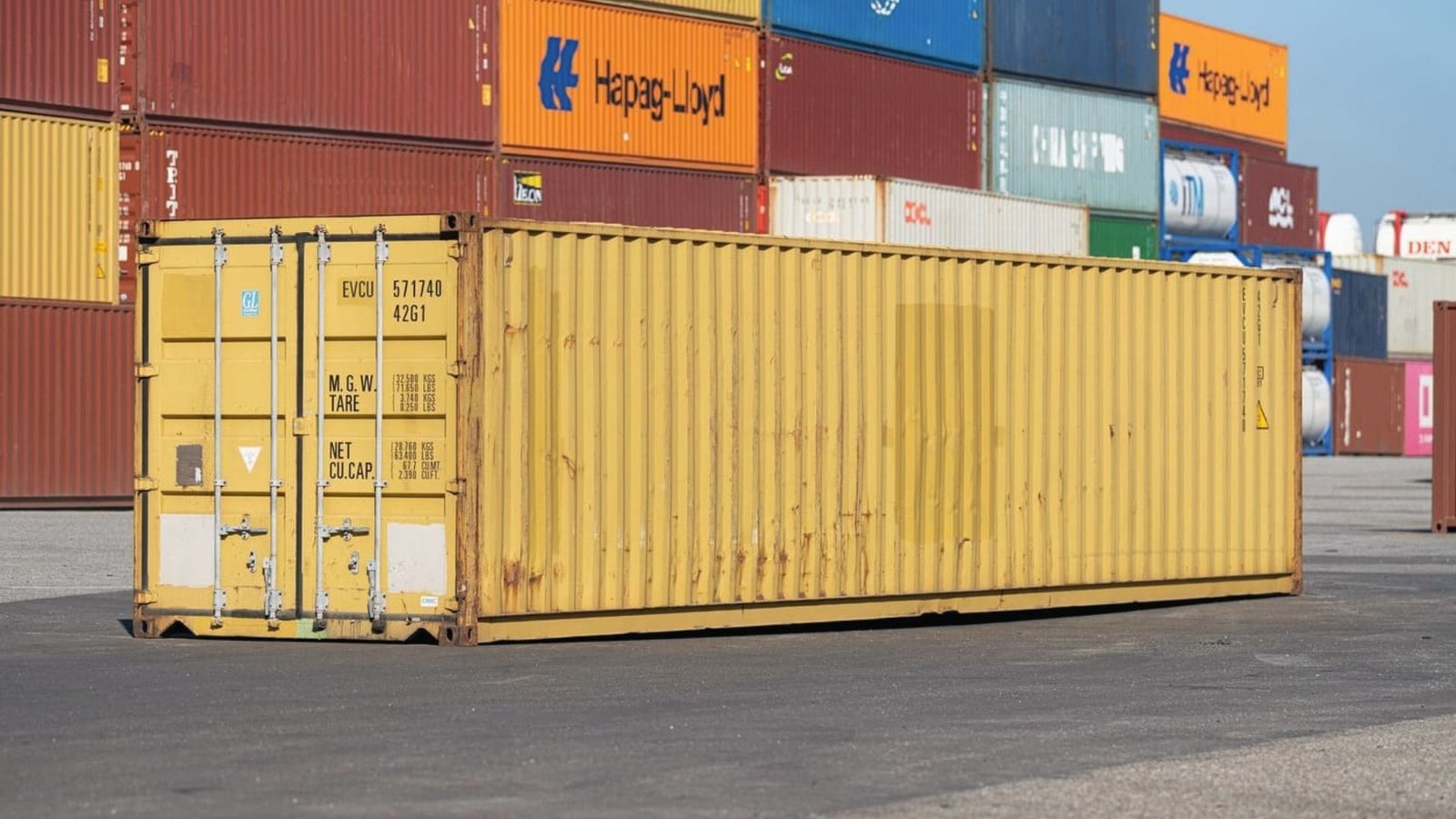
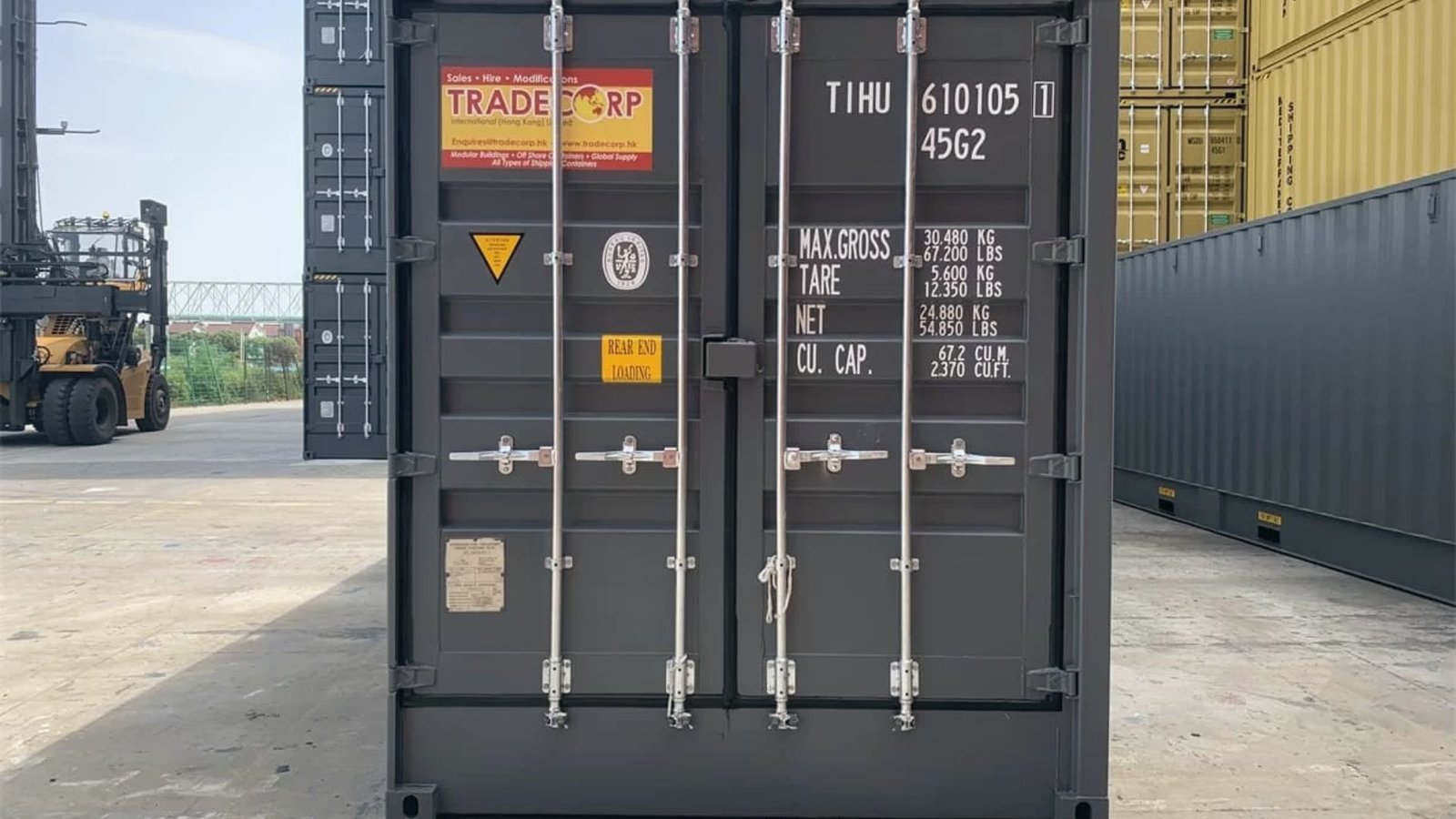
The 40ft container is the top choice for bulk and commercial shipments, offering more cargo space at a lower cost per cubic meter.
External dimensions are 40ft (L) x 8ft (W) x 8ft 6in (H) and internal dimensions are 39ft 5in (L) x 7ft 8in (W) x 7ft 10in (H).
Payload is around 26,500 kg with a cubic capacity of approximately 67 cubic meters.
45ft Shipping Container Dimensions
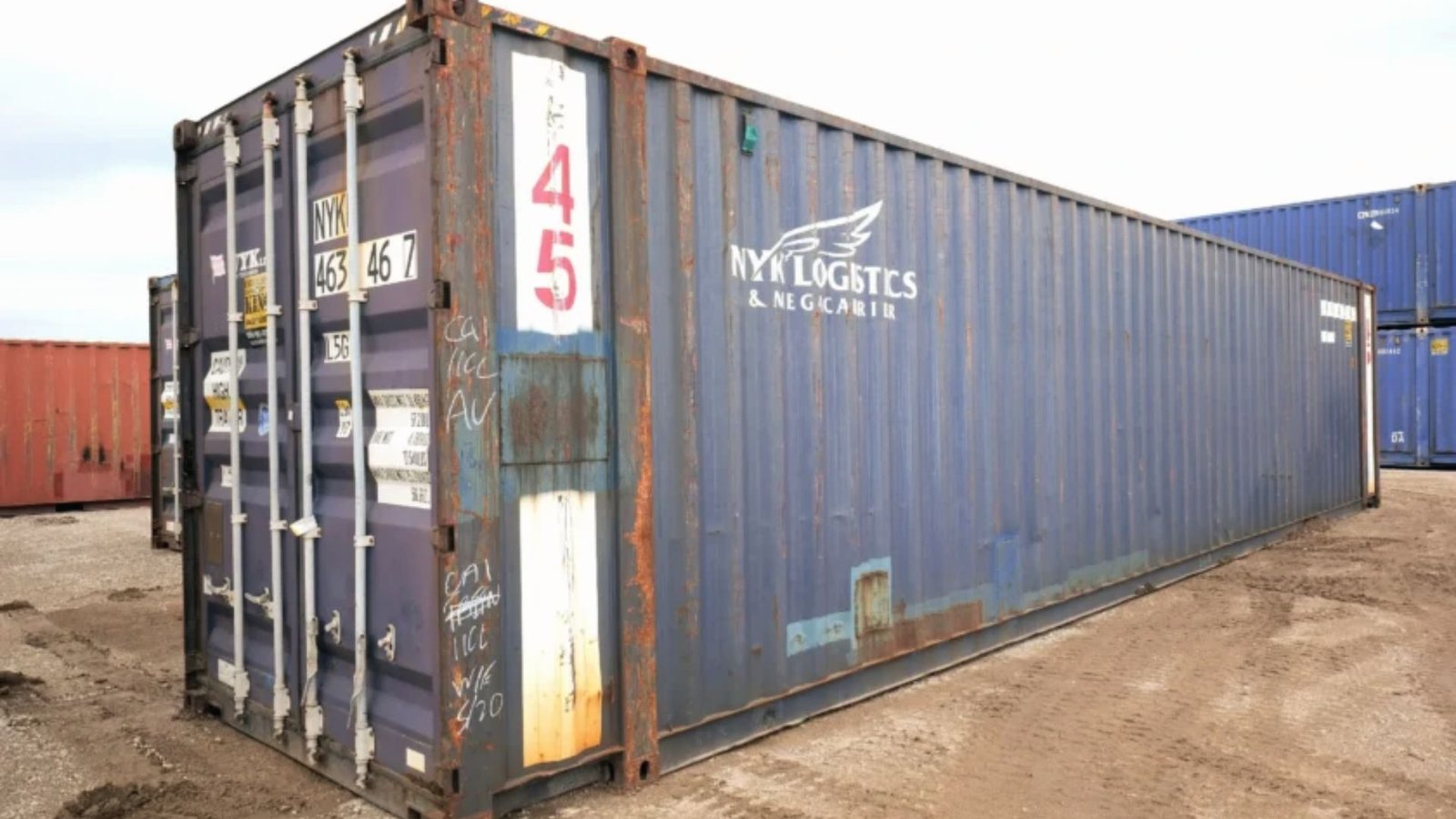
The 45ft container is slightly longer than a standard 40ft and mostly used in Europe and North America for road freight.
External dimensions are 45ft (L) x 8ft (W) x 9ft 6in (H) and internal dimensions are 44ft 5in (L) x 7ft 8in (W) x 8ft 10in (H).
Payload is around 27,600 kg with a cubic capacity of approximately 86 cubic meters.
High Cube Shipping Container Sizes

High cube containers give you more vertical space without taking up extra floor area.
20ft High Cube Container Dimensions
The 20ft high cube offers extra internal height for taller cargo without increasing floor space.
External dimensions are 20ft (L) x 8ft (W) x 9ft 6in (H) and internal dimensions are 19ft 4in (L) x 7ft 8in (W) x 8ft 10in (H).
Payload is around 28,000 kg with a cubic capacity of approximately 37.5 cubic meters.
40ft High Cube Container Dimensions
The 40ft high cube offers more cubic space than a standard 40ft at a very similar cost.
External dimensions are 40ft (L) x 8ft (W) x 9ft 6in (H) and internal dimensions are 39ft 5in (L) x 7ft 8in (W) x 8ft 10in (H).
Payload is around 26,460 kg with a cubic capacity of approximately 76 cubic meters.
Specialty Shipping Container Types and Sizes
Some cargo does not fit in standard boxes. These container types handle unusual shapes and heavy loads.
Open Top Container Dimensions
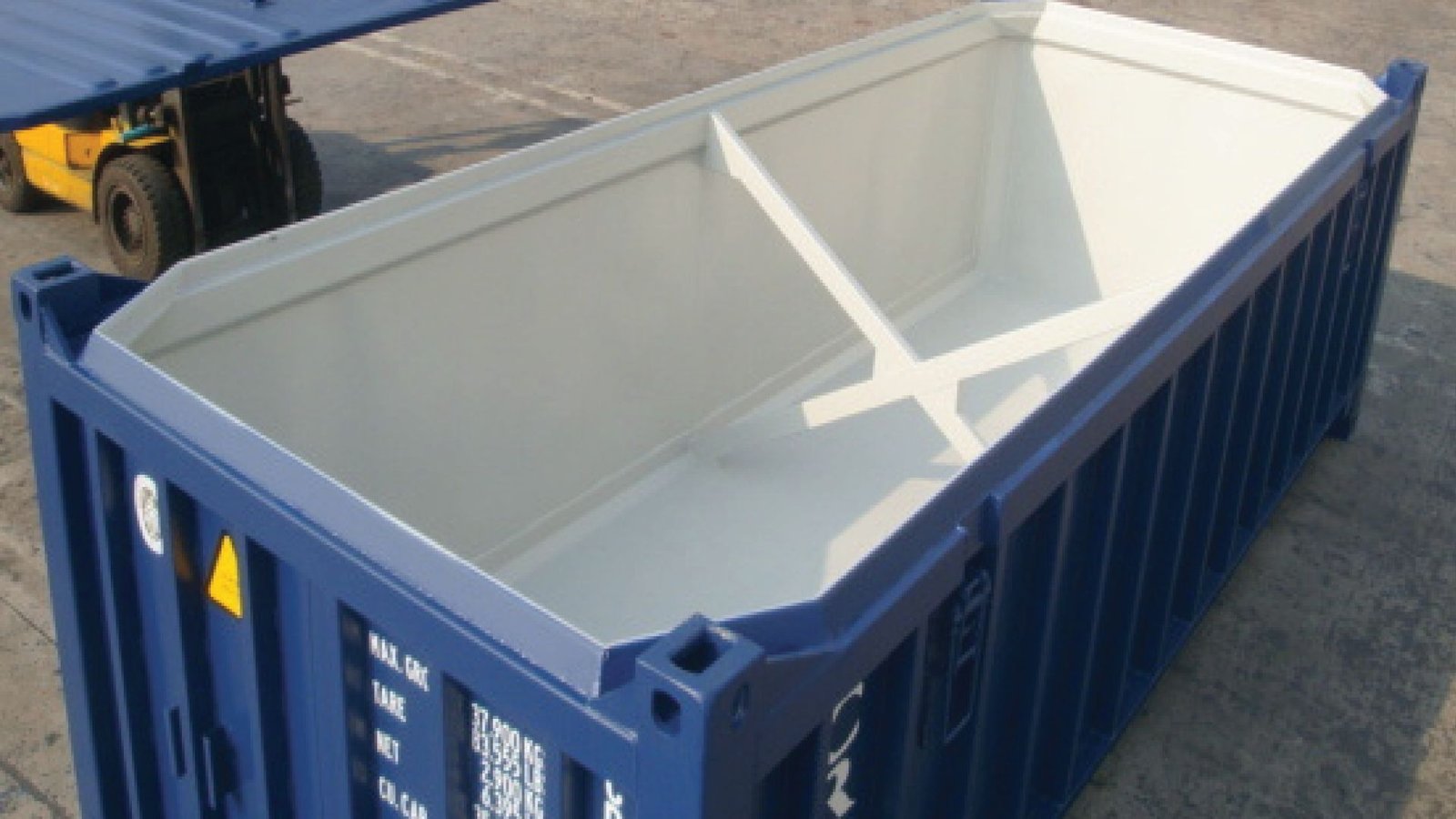
Open top containers have no fixed roof and are loaded from above by crane, making them ideal for oversized cargo.
External dimensions are 20ft or 40ft (L) x 8ft (W) x 8ft 6in (H) with an internal height of up to 7ft 3in. They work best for machinery, steel, timber, and oversized items.
Flat Rack Container Dimensions
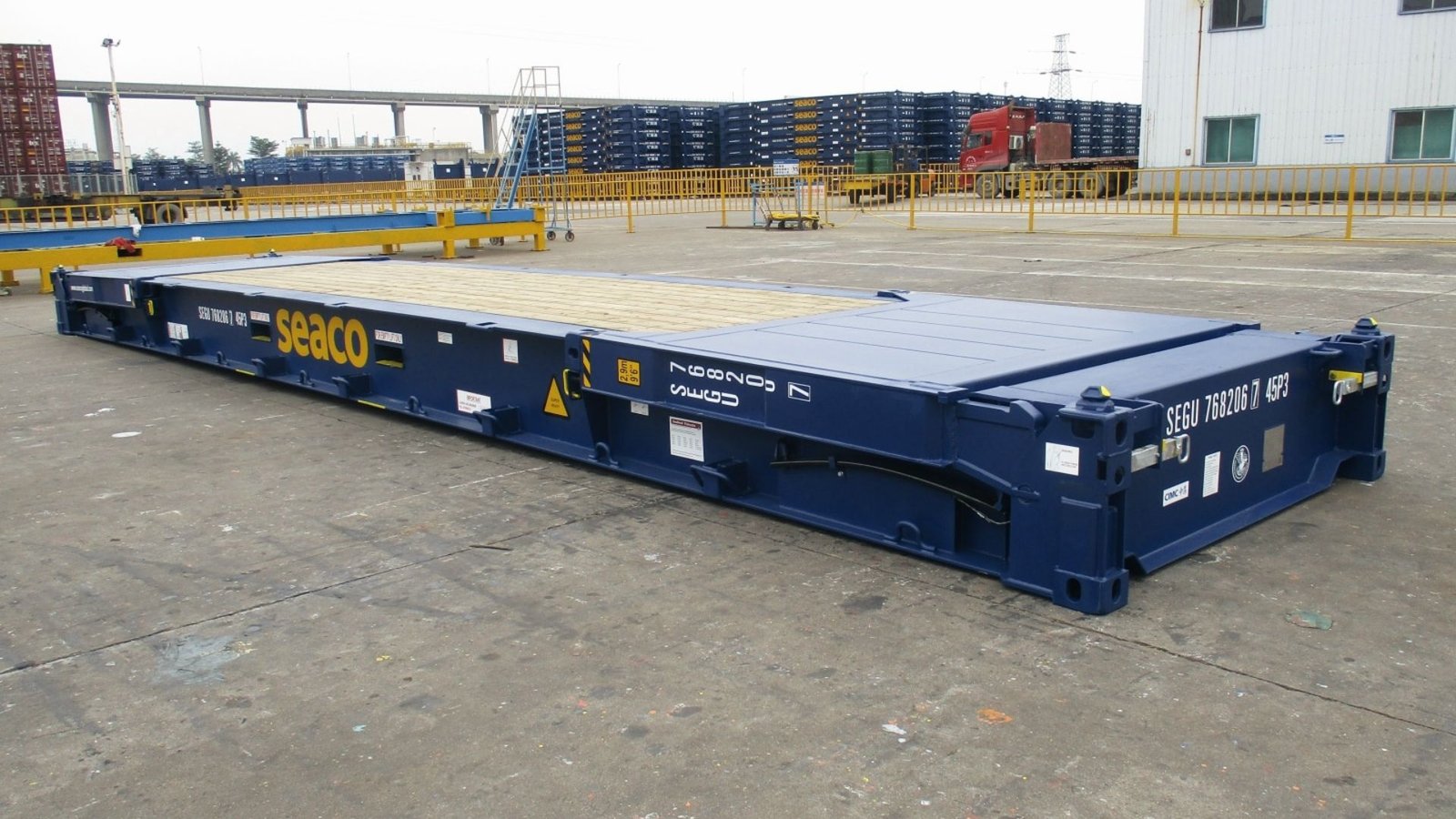
Flat rack containers are a flat platform with end walls and no sides or roof, built for heavy or oddly shaped loads.
The 20ft flat rack platform is around 18ft 6in long and the 40ft is around 39ft long, both 7ft 3in wide. They are best used for vehicles, construction equipment, and industrial machinery.
Side Opening Container Dimensions
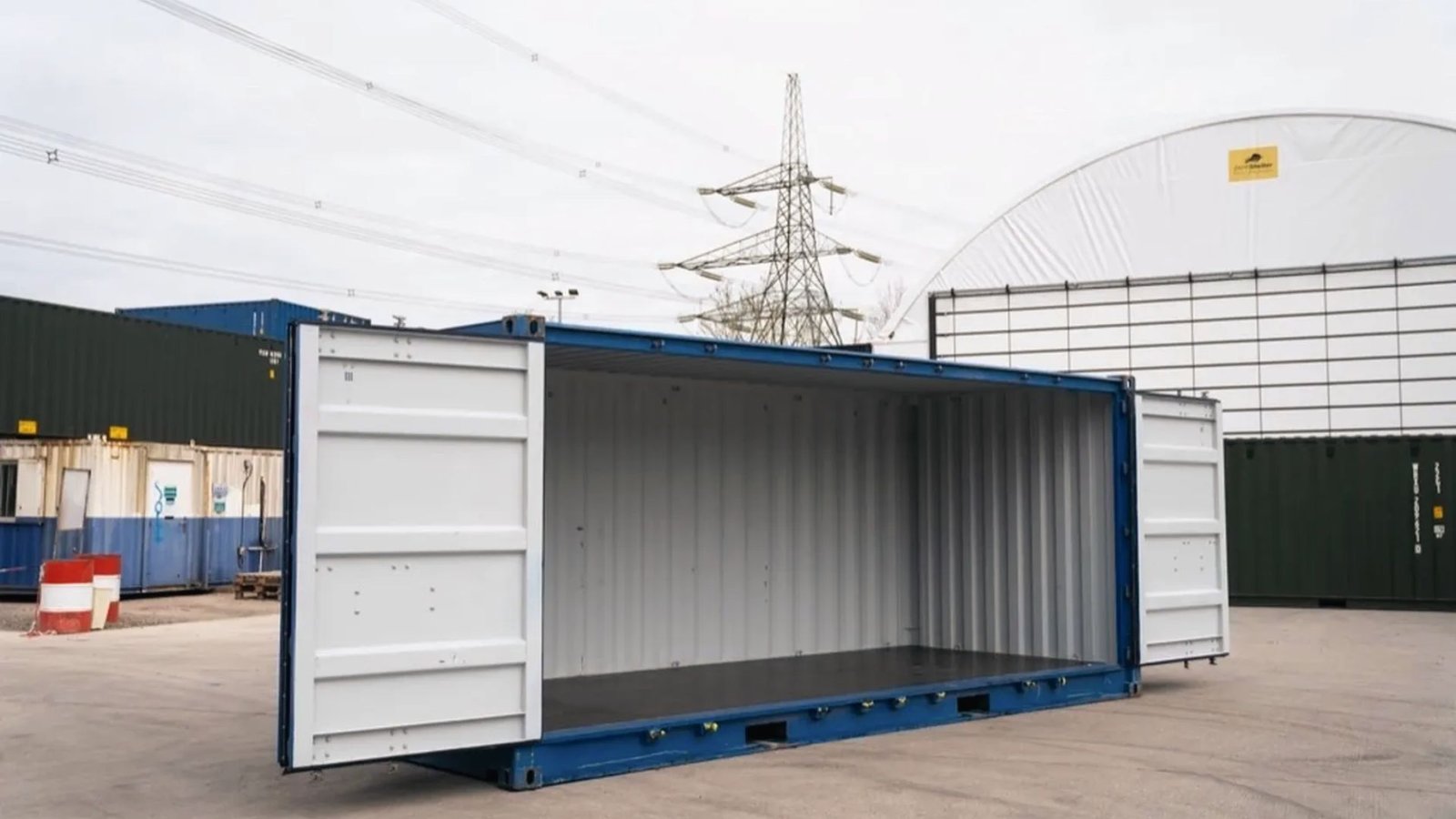
Side opening containers open from the side rather than the rear, making loading and unloading much faster.
Dimensions are similar to standard 20ft or 40ft containers so they work on the same ships and trucks. They suit pallet loading, retail cargo, and time-sensitive freight.
Pallet Wide Container Dimensions
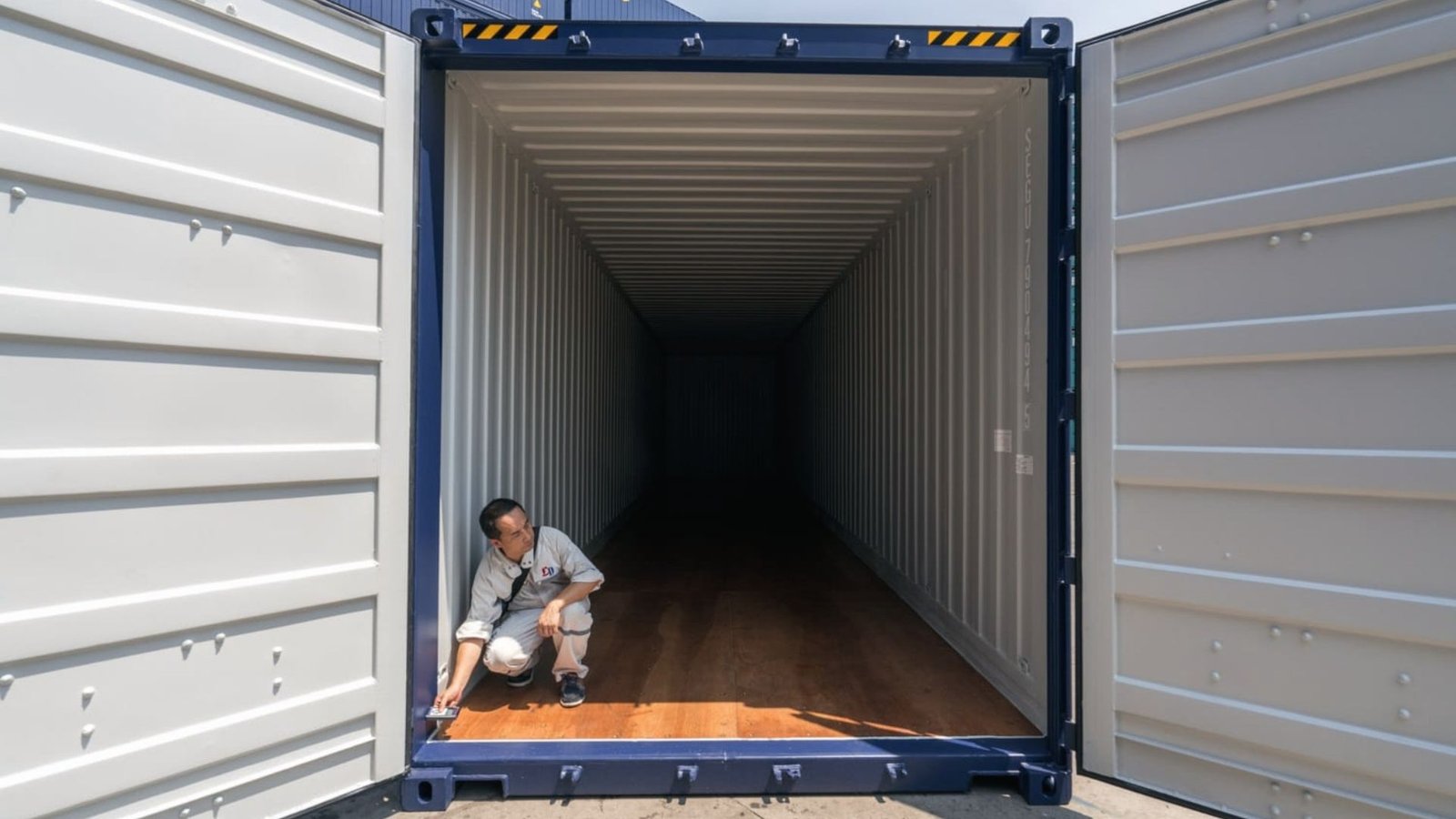
Pallet wide containers are slightly wider than standard ones, designed to fit two Euro pallets side by side. Internal width is around 8ft 2in compared to 7ft 8in for standard containers.
They are commonly used across Europe for road and rail freight.
Curtain Side Container Dimensions
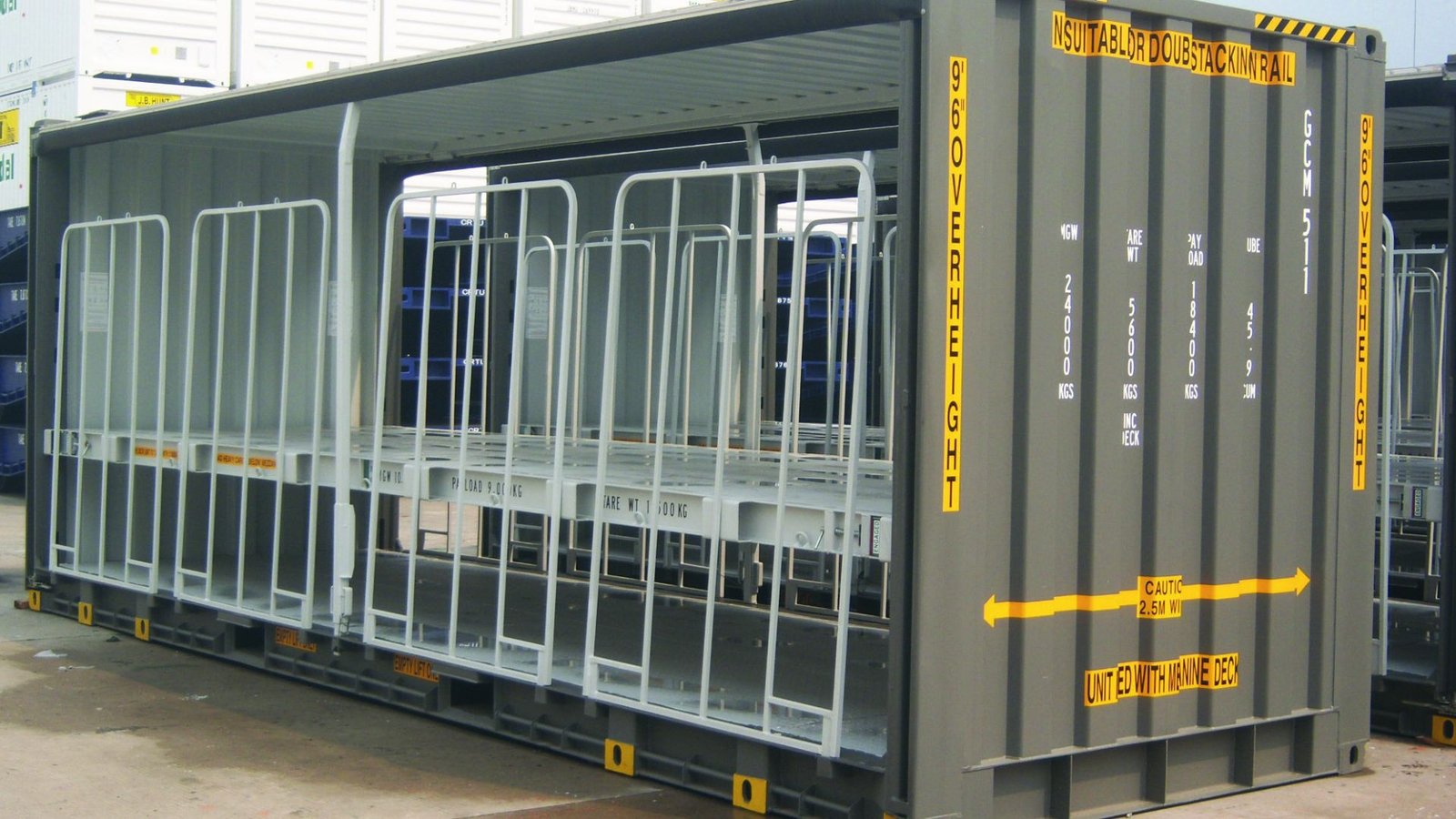
Curtain side containers use flexible curtain walls instead of solid panels, allowing forklift access from any side.
Dimensions are close to standard 20ft or 40ft containers and work on the same transport routes. They are best for fast-moving goods, food products, and retail distribution.
How to Choose the Right International Shipping Container Size

The right container saves you money and keeps your cargo safe from start to finish.
Choosing Based on Cargo Volume
Calculate your total cargo volume in cubic meters and add 10% for packaging before booking. Under 25 CBM suits a 20ft, between 25 and 65 CBM suits a 40ft, and above 65 CBM needs a high cube or multiple containers.
Choosing Based on Cargo Weight
Heavy cargo like metal or machinery can hit weight limits before the container is full, so always check payload capacity first. If your load is very dense, splitting it across two containers is often the safer option.
Choosing Based on Shipping Method
Sea freight uses standard 20ft and 40ft ISO containers while European road freight often needs pallet wide containers. Always confirm accepted container types with your freight forwarder before booking your route.
Choosing the Right Container for Storage or Freight
For storage, choose based on available site space and access needs. For active freight, always match the container type to the transport method and port rules as not every container is accepted on every route.
Tips for Choosing the Best International Shipping Container
Practical tips to help you pick the right container and avoid costly shipping mistakes.
- Measure your cargo dimensions and weight before selecting any container size.
- Always use internal dimensions for cargo planning, not external ones.
- Pick a high cube container if your cargo is tall or needs extra vertical space.
- Check payload capacity before booking, especially for heavy or dense cargo.
- Match the container type to your cargo, route, and shipping method.
Conclusion
Picking the right international shipping container size does not have to be confusing. I have seen how a simple size mismatch can delay shipments and push up costs.
The most used sizes are the 20ft and 40ft standard containers, but high cube, reefer, and specialty types each serve a real purpose.
Always measure your cargo, check payload limits, and match the container to your shipping method. Got questions about your shipment? Drop a comment below or share this article with someone planning their next international freight or household move.
Frequently Asked Questions
What Is the Most Common International Shipping Container Size?
The 20ft and 40ft standard containers are the most widely used sizes in international trade. The 40ft is preferred for large commercial shipments due to its lower cost per cubic meter.
What Is the Difference Between Standard and High Cube Containers?
A standard container stands 8ft 6in tall while a high cube stands 9ft 6in tall, giving about 1 extra foot of internal height. High cube containers work better for tall or bulky cargo that needs more vertical space.
How Much Cargo Fits in a 20ft or 40ft Container?
A 20ft container holds around 33 cubic meters with a payload of up to 21,700 kg. A 40ft container holds around 67 cubic meters with a payload of up to 26,760 kg.
Are Shipping Container Sizes Standard Worldwide?
Yes, most international shipping containers follow ISO standards, making sizes consistent across ships, ports, and trucks globally. A container built anywhere in the world fits standard transport systems without any changes.
Which Shipping Container Is Best for International Freight?
The 40ft standard or 40ft high cube is the best option for most international freight needs. They offer the most space at the lowest cost per cubic meter and are accepted at ports worldwide.