What actually happens between a factory and your front door? Most people never think about it.
I didn't either, until I started looking into general freight trucking. And honestly, it changed how I see everyday things around me.
The chair you're sitting on. The food in your kitchen. The clothes you wore today. It all moved through this system.
In this post, I'll break down what general freight trucking is, how it works, and what makes it so important.
No complicated terms. Just clear, straight answers.
What is General Freight Trucking?
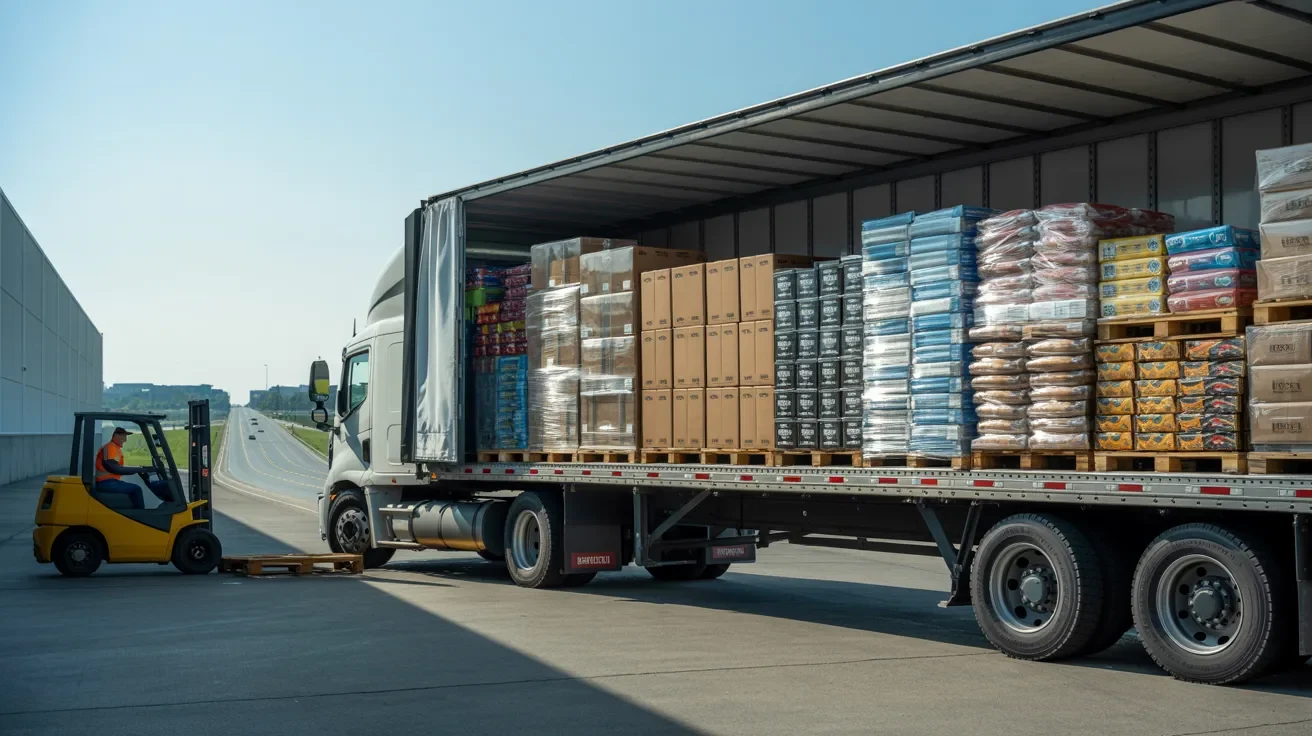
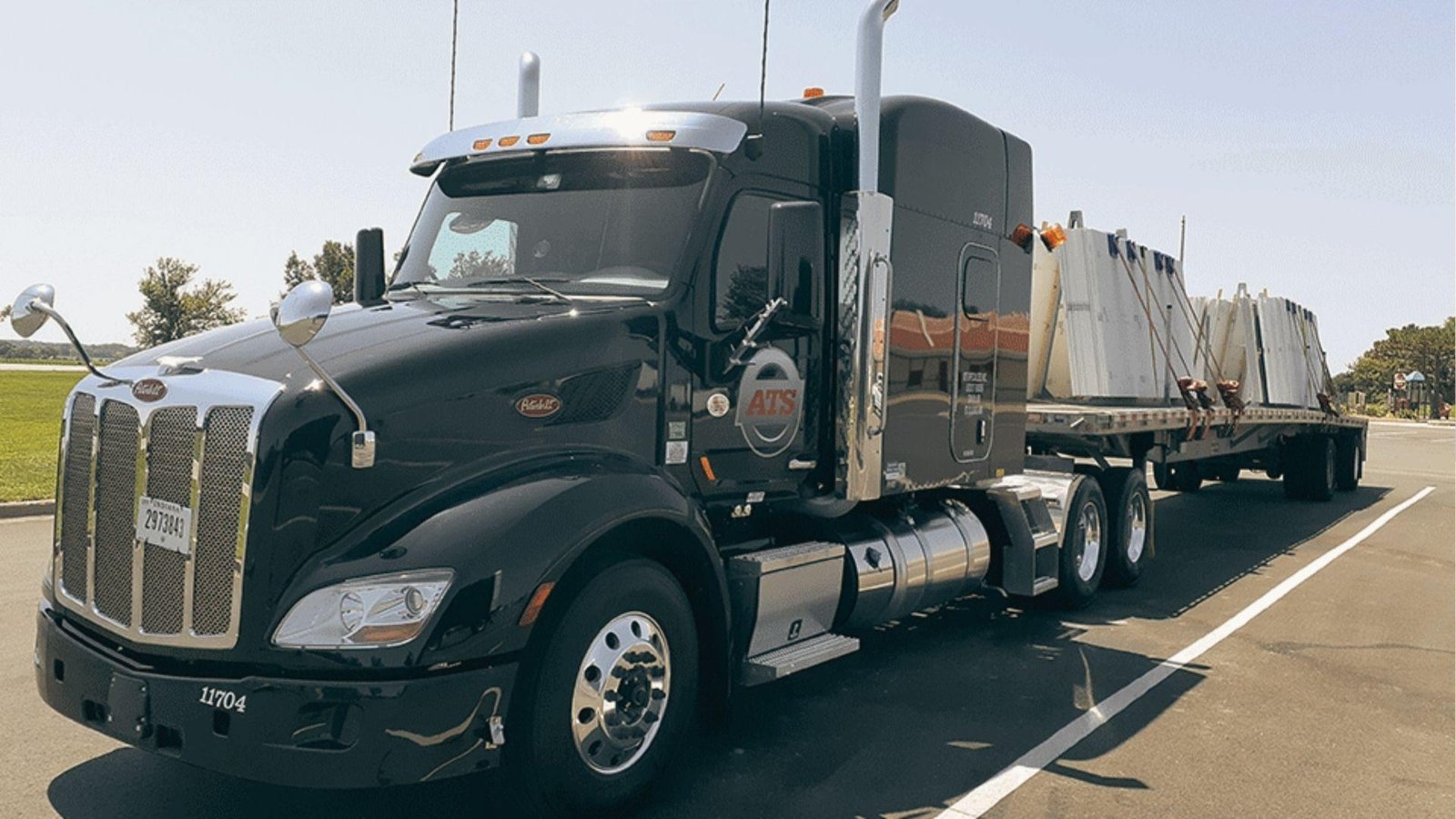
General freight trucking is the movement of everyday goods using standard trucks. These are goods that don't need any special handling.
No refrigeration. No hazardous material rules. No oversized permits. The classification isn't about what the product is.
It's about how it's handled during transport. If your goods can move in a standard dry van with regular logistics processes, they fall under general freight.
It's the most common form of trucking in the country, and it covers a wide range of products across many industries.
How the General Freight Trucking Industry Operates
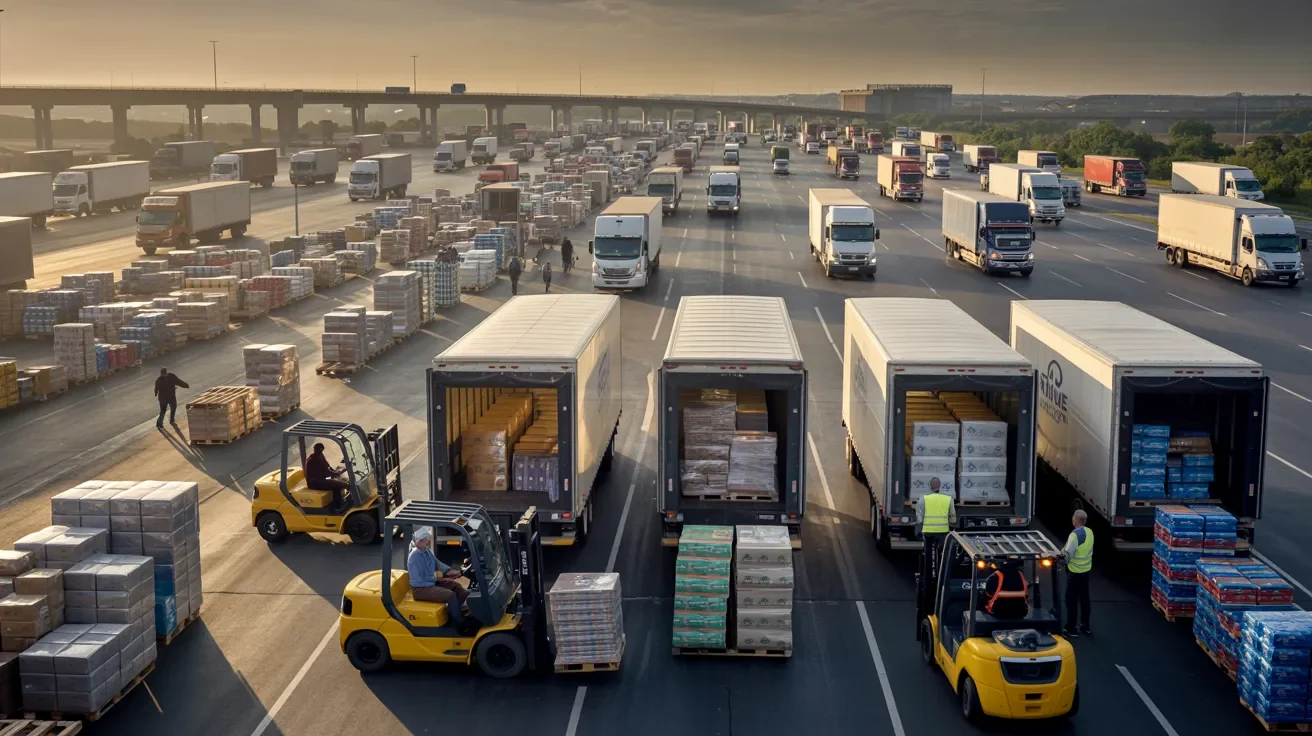
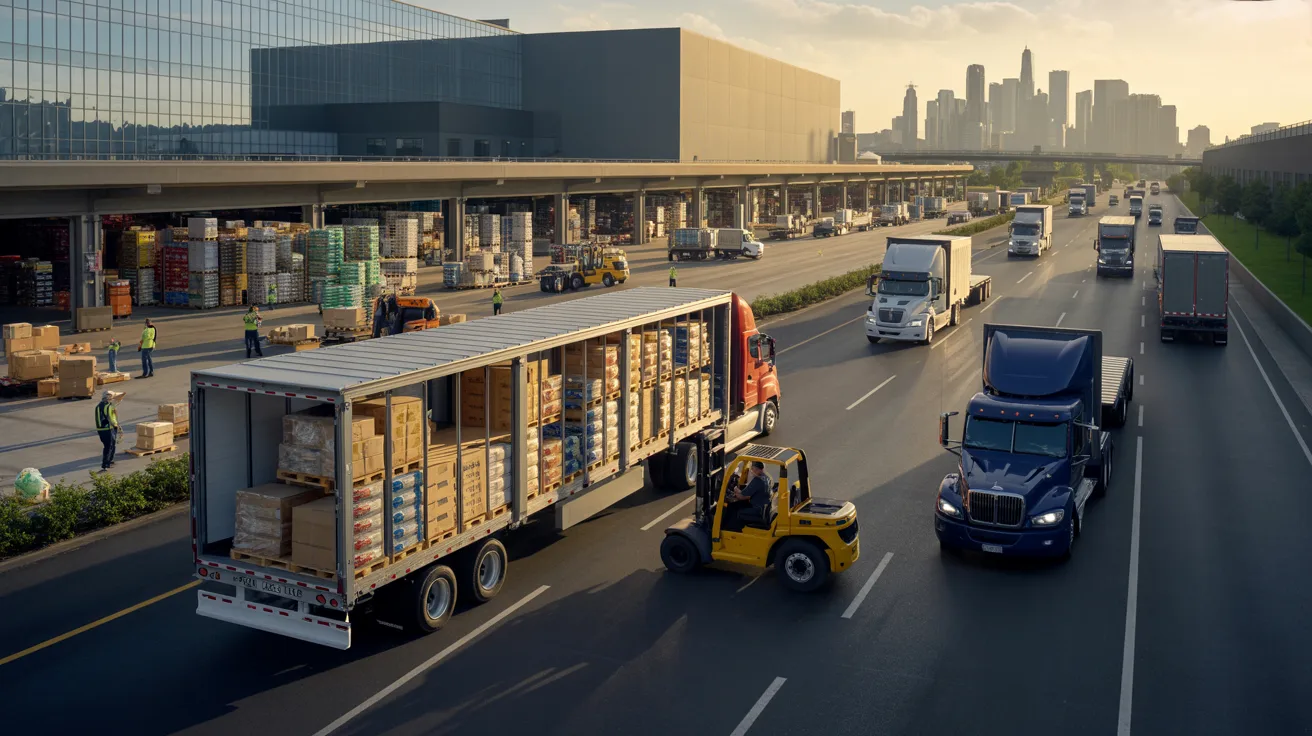
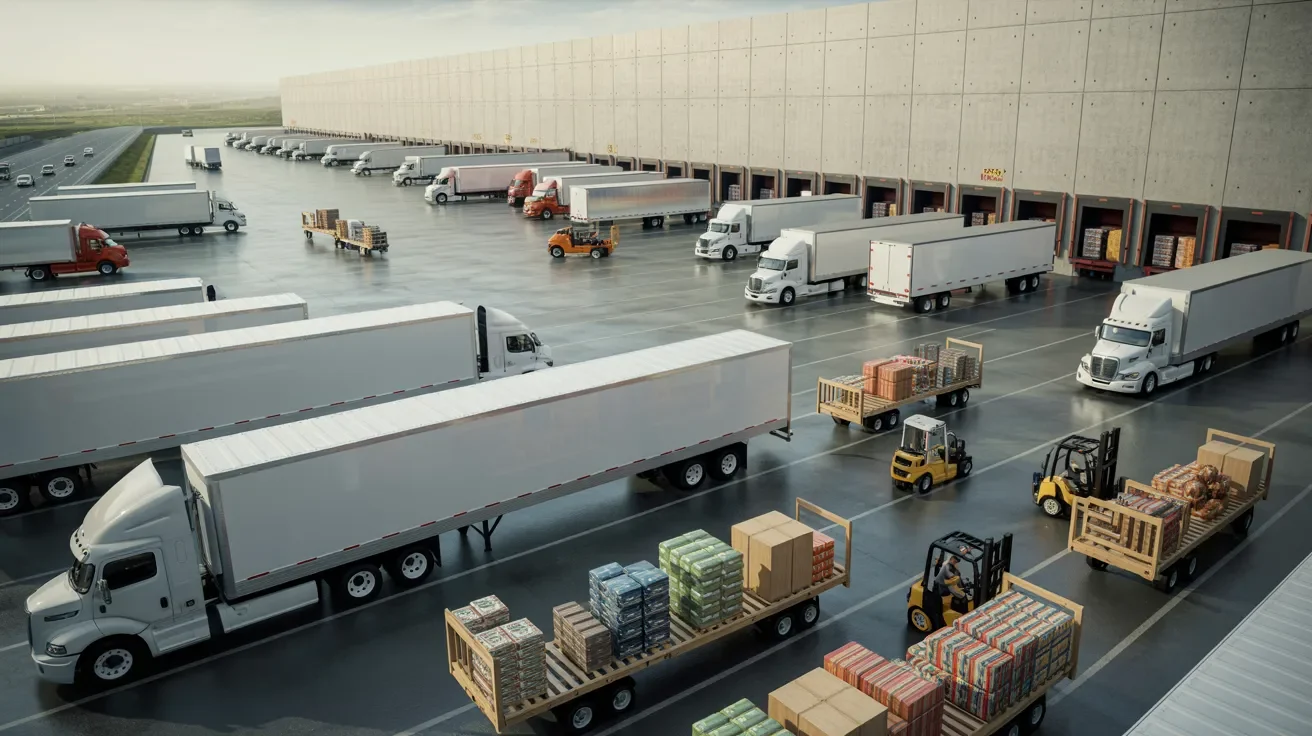
The process starts at a warehouse. Goods get packaged and palletized, then loaded with forklifts. From there, trucks move the freight across local or long-distance routes.
Some shipments go directly to the receiver. Others pass through distribution hubs first. The industry runs on scalable systems.
Line-haul transportation handles long-distance movement. Regional networks cover shorter routes.
For LTL shipments, terminals sort and consolidate freight from multiple shippers. It's a well-organized system built to move high volumes of goods without delays.
Types of Freight in the Industry
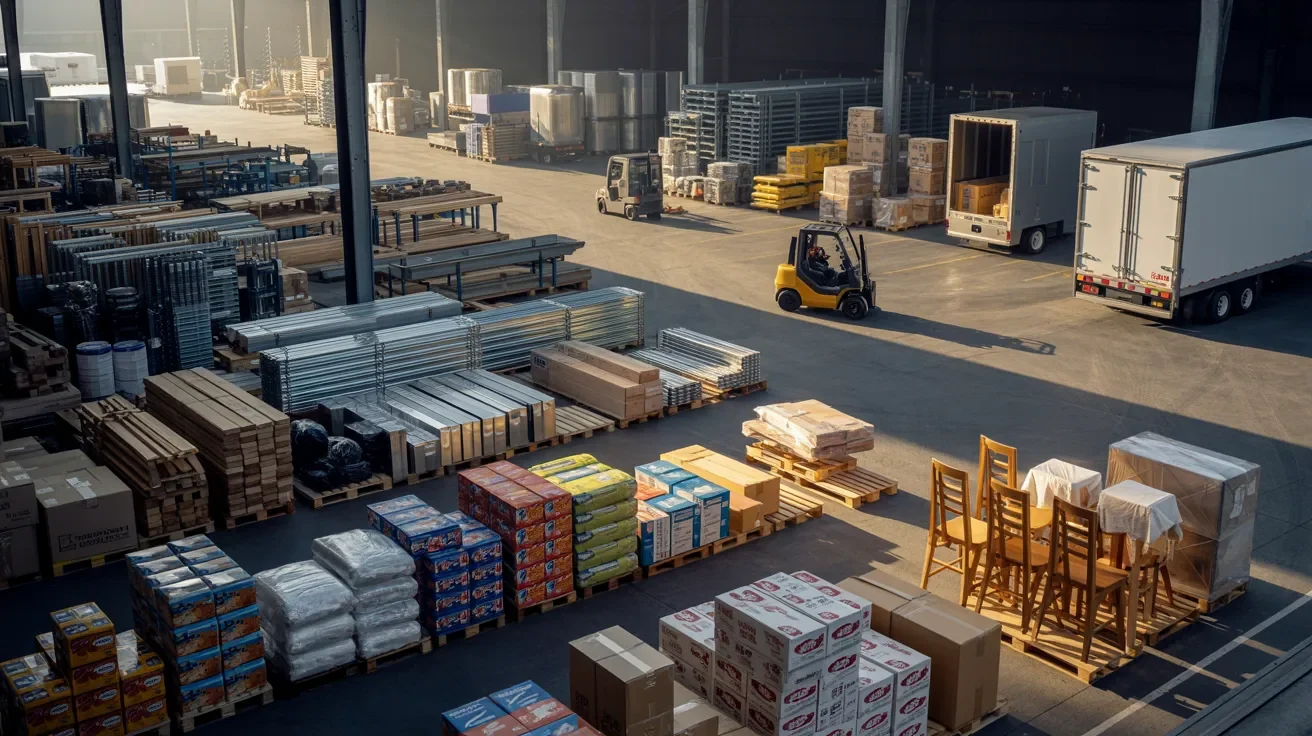
Not all freight is the same. Here's what falls under the general freight category and what keeps it out.
Common General Freight Shipments
General freight covers a broad range of everyday goods. You'll find:
- Consumer packaged goods like food, clothing, and household items
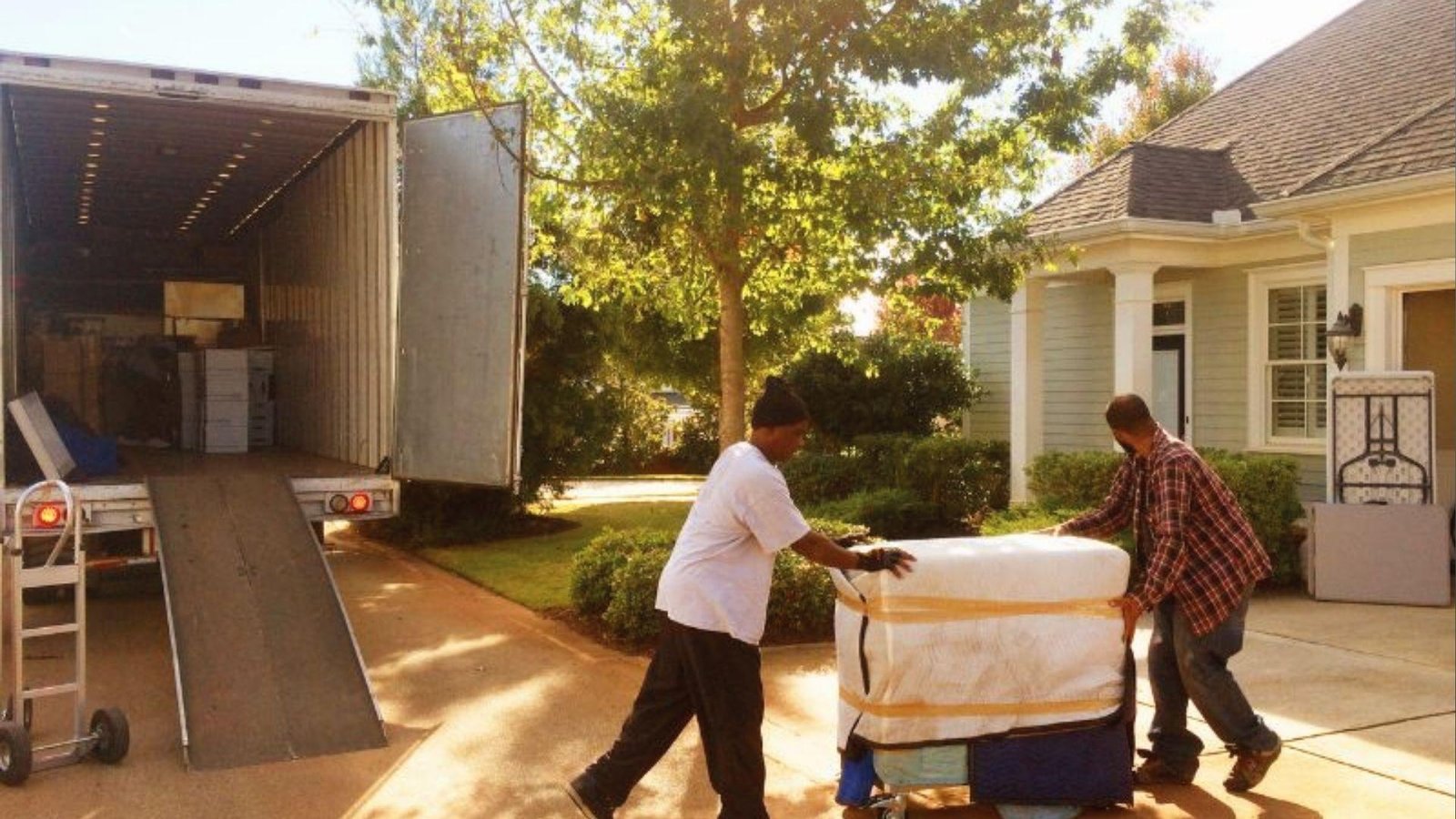
- Furniture and home goods
- Construction materials such as wood, steel, and hardware
- Industrial and machine components
- Non-sensitive electronics
These are products that move regularly, in large quantities, with no special conditions required. I think of them as the bread-and-butter of the trucking world.
Industry Classification Rule
Here's the rule I always come back to. For freight to qualify as general freight, it must NOT need
- Temperature-controlled transport
- Hazardous material handling
- Oversized or heavy-haul permits
If a shipment needs any of these, it moves out of the general freight category entirely. The classification is about handling requirements, not the product itself. Keep that in mind.
Equipment Used in General Freight Trucking
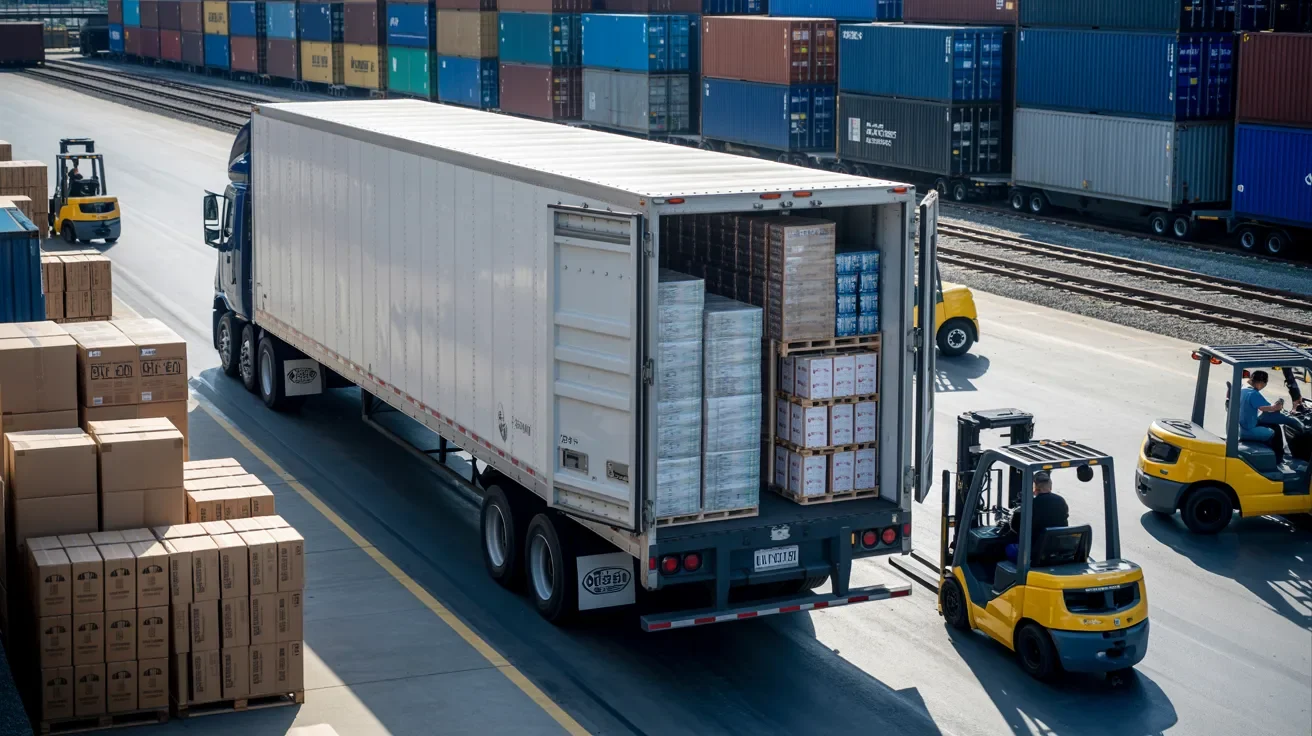
The standard equipment in this industry is the 53-foot dry van trailer. It's everywhere for a reason.
These enclosed trailers protect freight from weather and theft. They're built for palletized and packaged goods.
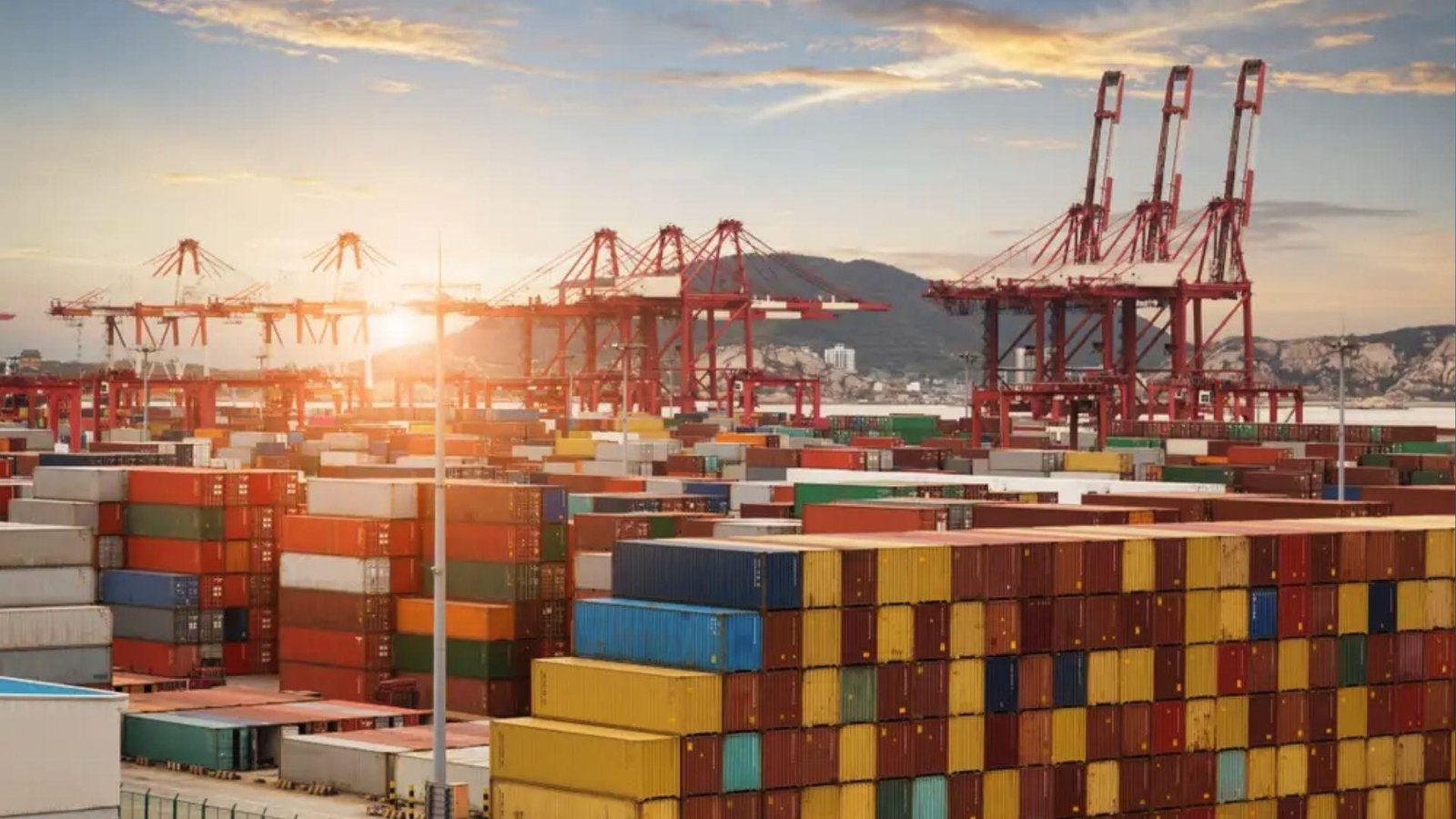
Intermodal containers are also used when freight moves across rail or ship networks before hitting the road. None of this equipment requires special systems. That's the point.
General freight runs on simple, high-volume infrastructure that keeps costs down and efficiency up. No bells and whistles, just reliable tools that get the job done.
FTL vs LTL in General Freight Trucking
Two main shipping options exist in general freight. Knowing the difference helps you choose the right one.
Full Truckload (FTL)
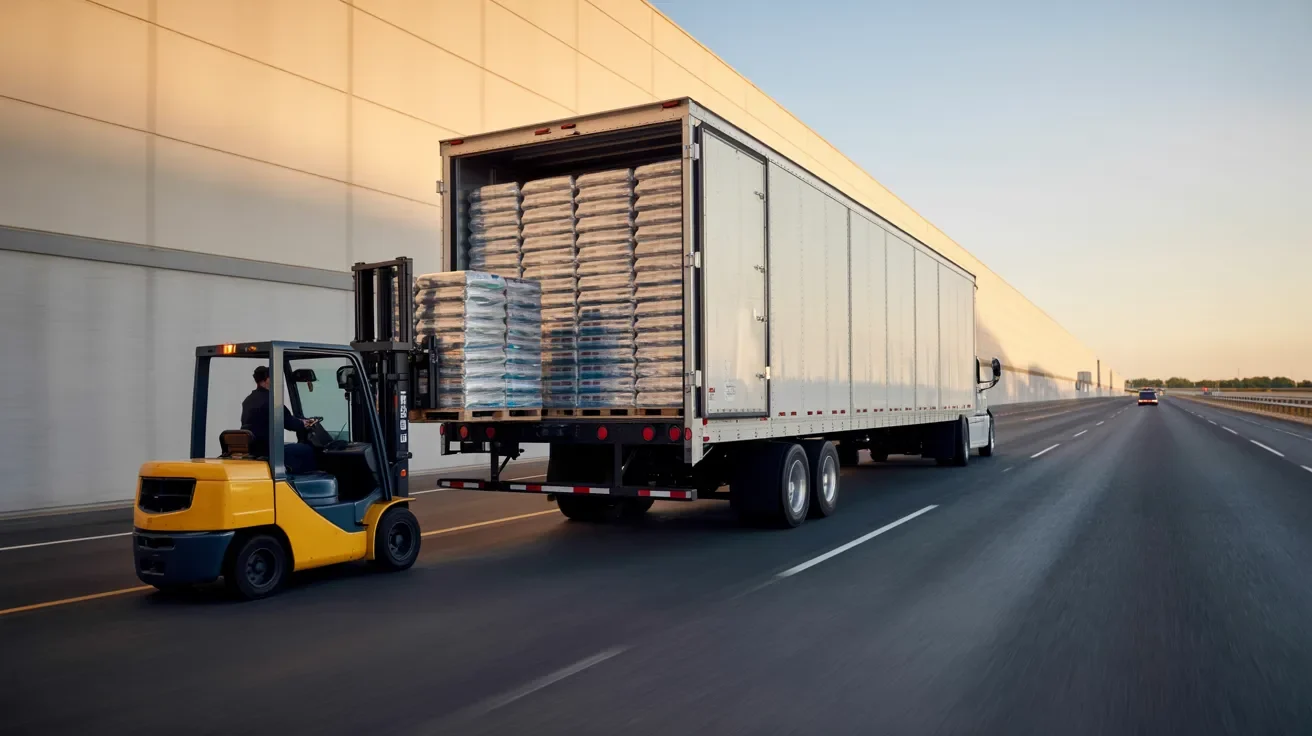
With FTL, one shipper fills the entire trailer. The truck goes directly from pickup to delivery. Fewer stops mean fewer handling points.
That usually means faster transit times and less risk of damage. FTL works best for large shipments that can fill a trailer on their own.
If you're moving bulk goods regularly, this is often the more efficient choice.
Less Than Truckload (LTL)
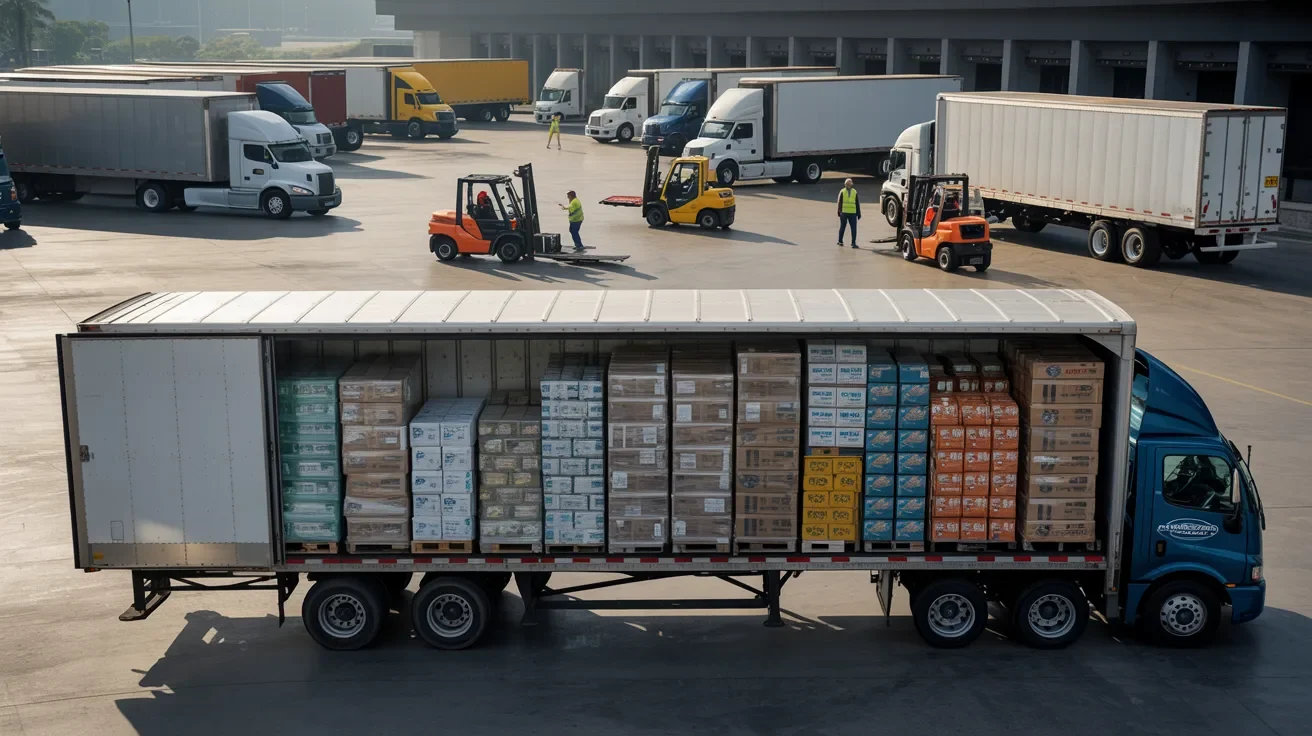
LTL lets multiple shippers share trailer space. Your freight rides alongside other shipments. It moves through terminals and sorting hubs along the way.
This takes a bit longer, but it cuts costs significantly for smaller loads.
If you're not shipping enough to fill a full truck, LTL is the practical option.
Industry Insight
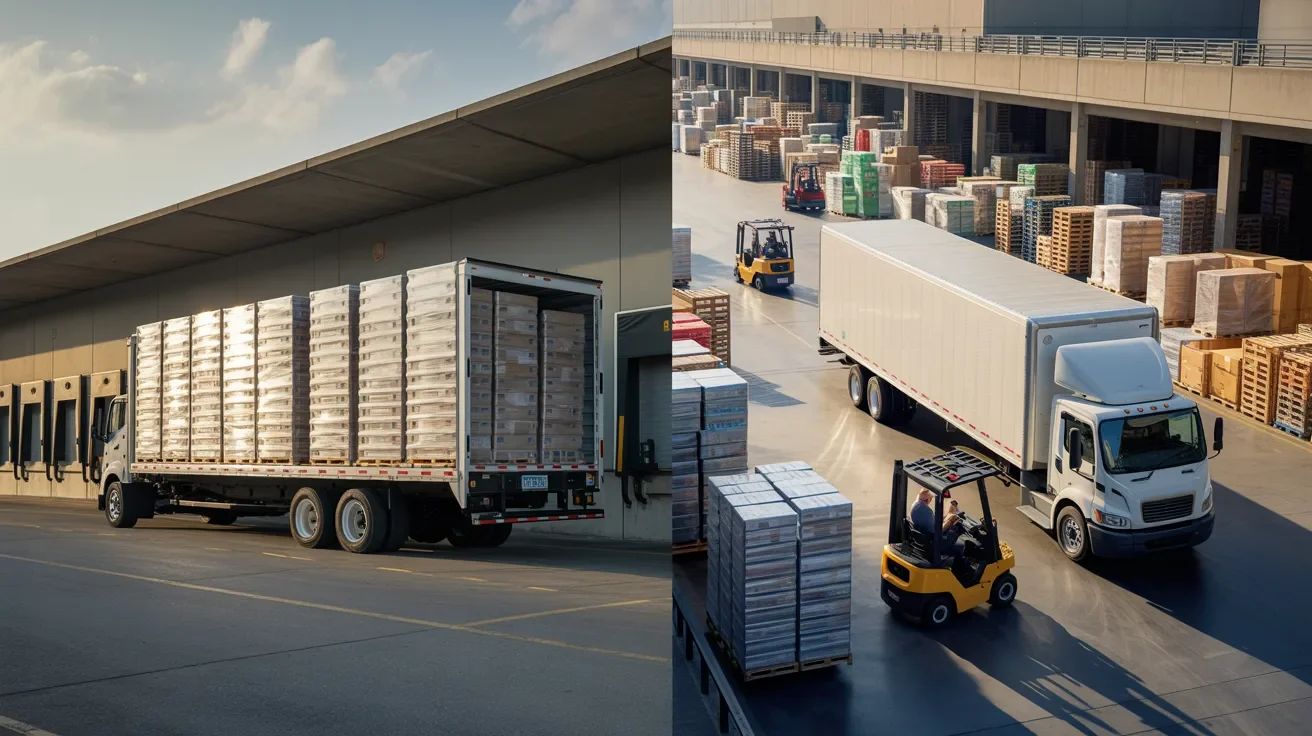
Here's something worth knowing. Both FTL and LTL fall under general freight trucking, as long as the handling stays standard. The load size changes.
The classification doesn't. What keeps freight in this category is the absence of special handling requirements, not the amount being shipped.
That distinction matters when you're working with logistics partners or reviewing carrier contracts.
NAICS Industry Classification
General freight trucking has an official classification you'll see in business filings and government data.
Overview of NAICS 4841
General freight trucking sits under NAICS code 4841. This code covers all standard freight movement by truck.
It has three key subcategories: local general freight trucking for short-distance operations, long-distance general freight trucking for interstate transport, and long-distance LTL operations for multi-shipper freight networks.
Each one serves a different part of the supply chain, but they all follow the same basic handling rules.
Classification Principle
The NAICS system organizes general freight by distance and logistics structure, not by product type.
Local vs. long-distance is the main dividing line. The type of freight being moved stays consistent across all subcategories.
What changes is the route, the network, and the operational setup. Understanding this classification helps when you're applying for business licenses, filing taxes, or reviewing industry data.
Key Industry Understanding
What defines general freight trucking, above everything else, is standardized handling. No special equipment is needed.
No safety systems beyond standard trucking regulations. No permits for unusual cargo. This simplicity is what makes the industry so scalable.
General freight trucking moves the goods that keep everyday life running. Clothing, food, furniture, hardware.
It's not glamorous, but it's the backbone of the supply chain. Without it, store shelves go empty and production lines stop. I'd call it the most underappreciated part of modern logistics.
Conclusion
If you've made it this far, you now know what general freight trucking actually is. And more importantly, you know why it matters.
I'll be honest. I didn't fully appreciate how much this industry does until I looked closely at what moves through it every day.
Now it's your turn. Think about how this applies to your business or work.
Got questions? Drop them in the comments. I read every one. And if this helped you, share it with someone who needs it.
Frequently Asked Questions
What is the main purpose of general freight trucking?
It moves everyday, non-specialized goods from one point to another using standard trucks and trailers.
How is general freight different from specialized freight?
General freight needs no special handling like refrigeration, hazardous permits, or oversized equipment, while specialized freight does.
What does NAICS 4841 mean for trucking companies?
It's the official industry code for general freight trucking used in business filings, licensing, and government data.
Is LTL shipping still considered general freight?
Yes, as long as the freight doesn't require special handling, LTL shipments fall under general freight trucking.
What types of goods are typically moved under general freight?
Common examples include food products, clothing, furniture, hardware, and non-sensitive electronics.