
Ever ordered something online and wondered how it actually gets to you?
I did. And when I looked into it, I kept coming back to one role that almost nobody talks about: the freight handler.
These are the people who physically move, sort, check, and track goods at every stage of shipping. Without them, nothing moves.
In this post, I'll cover what a freight handler is, what they do, where they work, and why this role matters more than most people realize. Clear answers. No filler.
Why Freight Handlers Are Important in the Supply Chain?
Every product that moves from a factory to your door passes through multiple hands.
Freight handlers are the people doing that physical work at each stage. They load and unload goods, keep warehouses organized, and make sure shipments don't get damaged or lost.
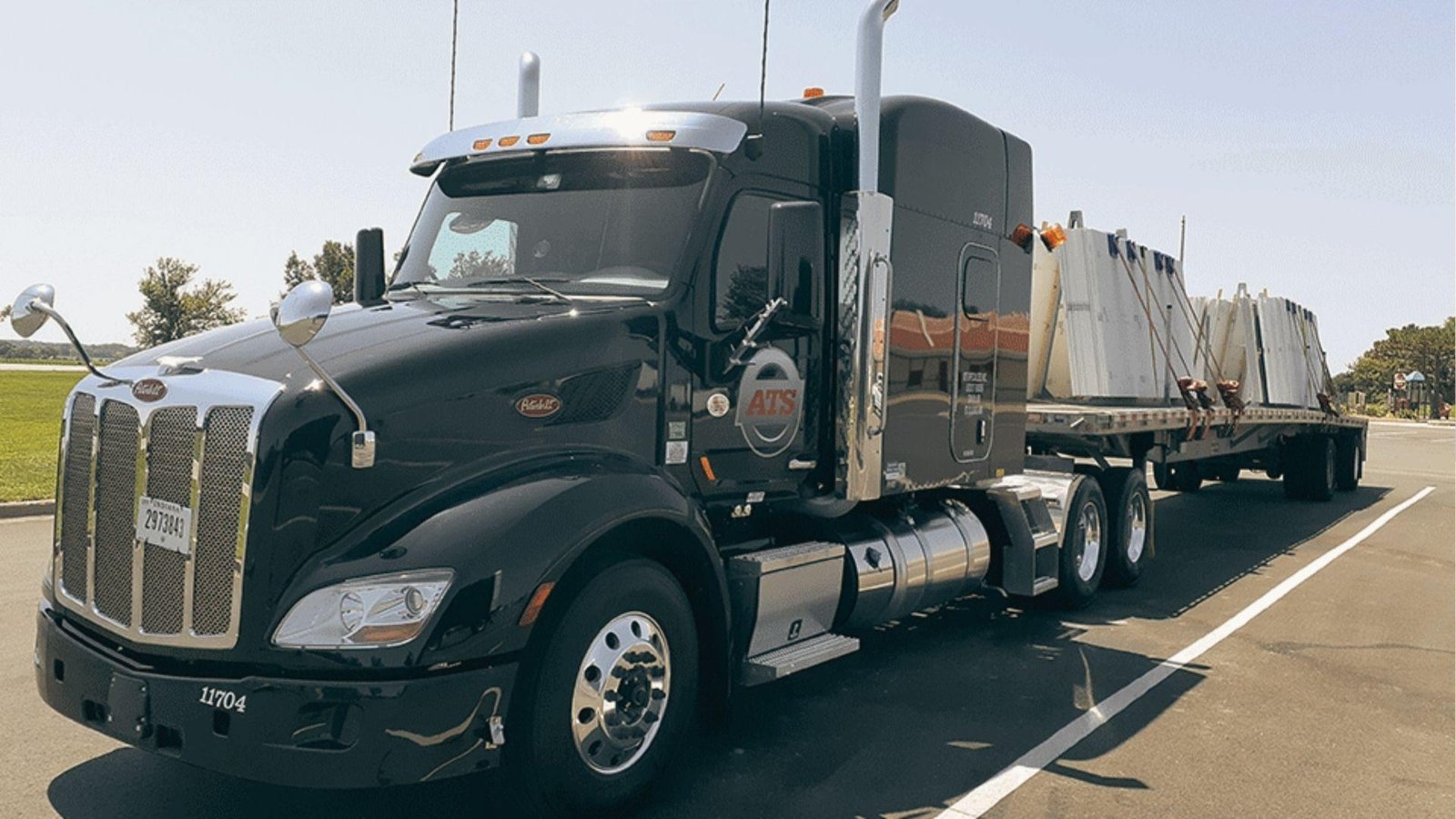
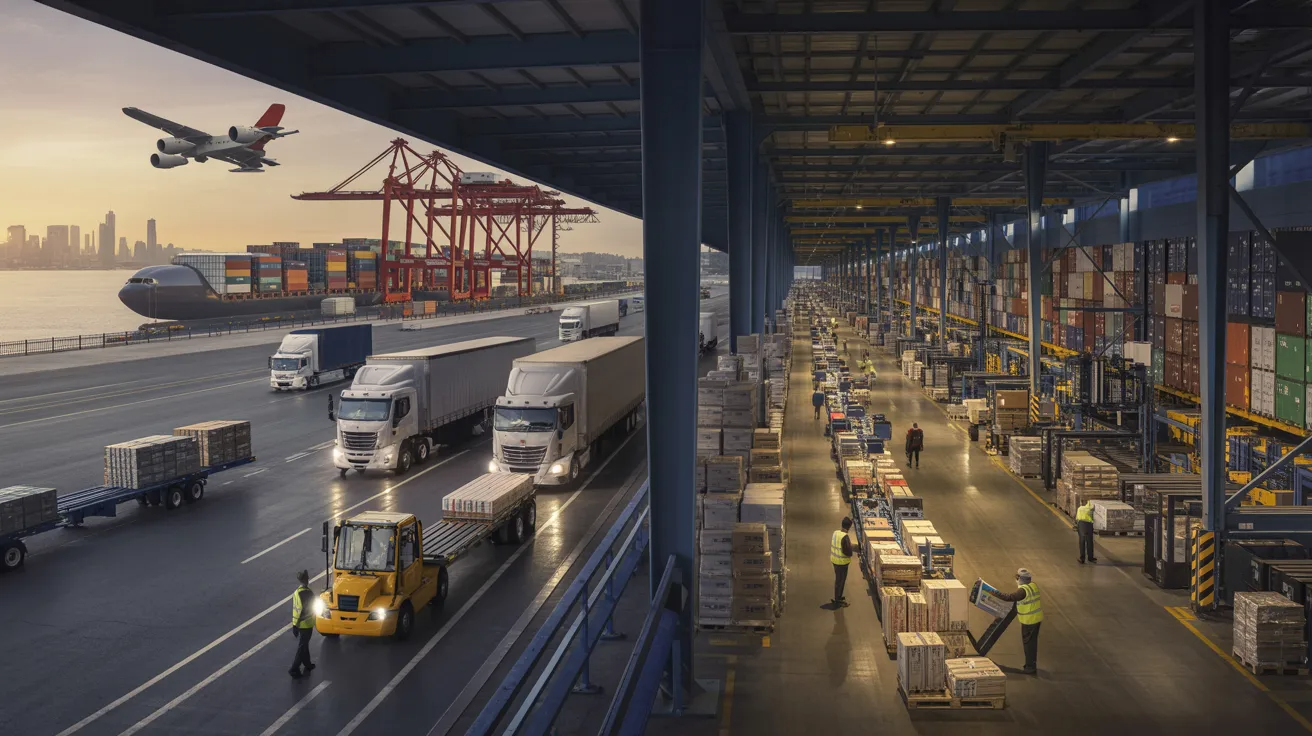
They work across trucking, air cargo, shipping ports, and warehouses. Without them, logistics operations slow down or break apart entirely.
They keep supply chains running on time, support global trade, and make e-commerce delivery possible. Their role is quiet but the impact is massive.
What Is a Freight Handler?
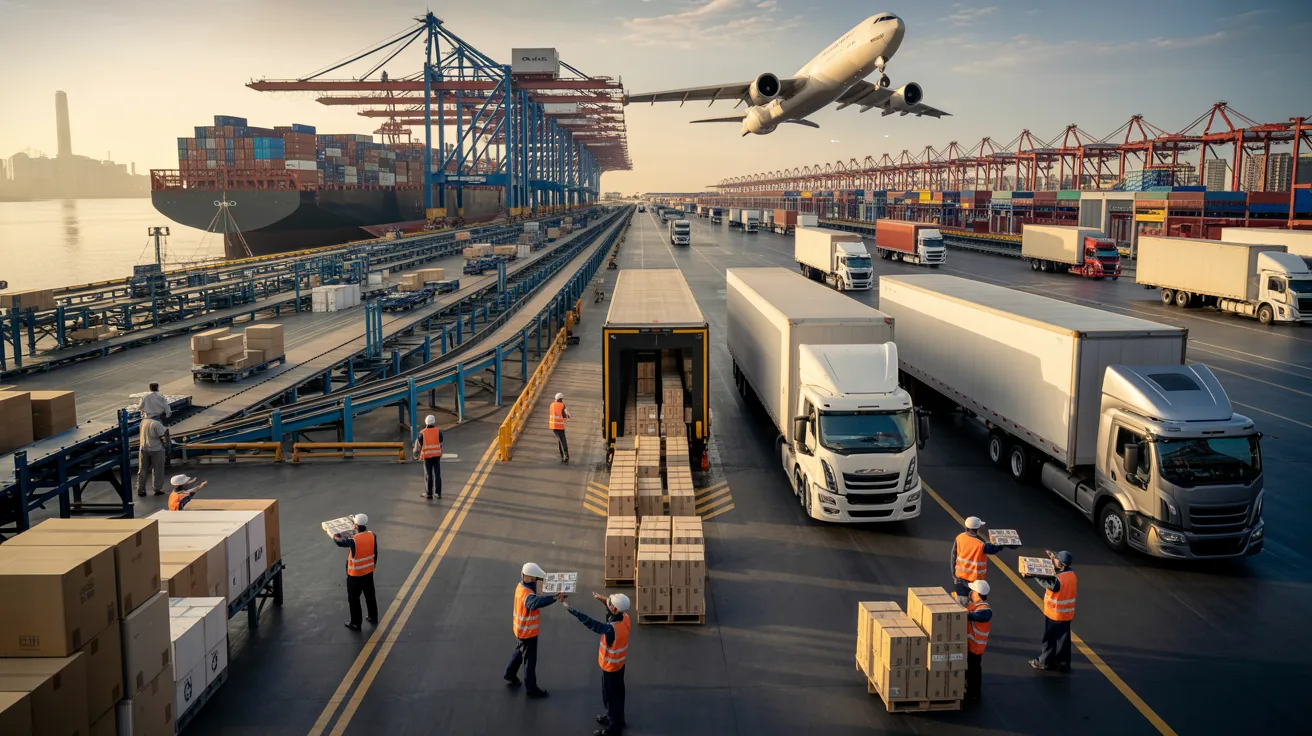
A freight handler is a logistics worker who physically manages cargo during shipping and storage.
They work at the point where goods change hands, moving between trucks, warehouses, ships, and air cargo facilities.
Their job is to make sure goods flow smoothly from one stage of the supply chain to the next. They lift, sort, inspect, and track freight every single day.
Think of them as the physical link between transportation and delivery. Without freight handlers, goods would pile up, shipments would get delayed, and supply chains would fall apart fast.
What Does a Freight Handler Do?
The job covers a lot more than just lifting boxes. Here's a breakdown of the main duties.
Loading and Unloading Freight

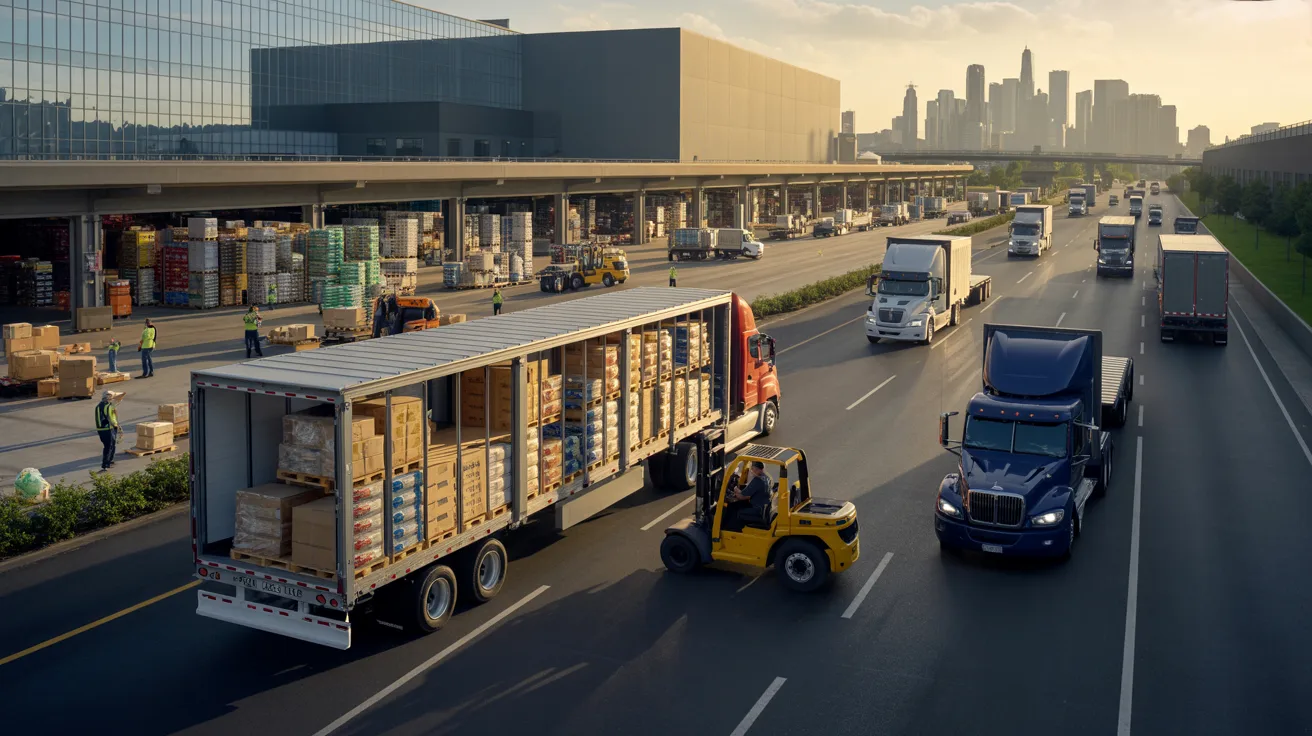
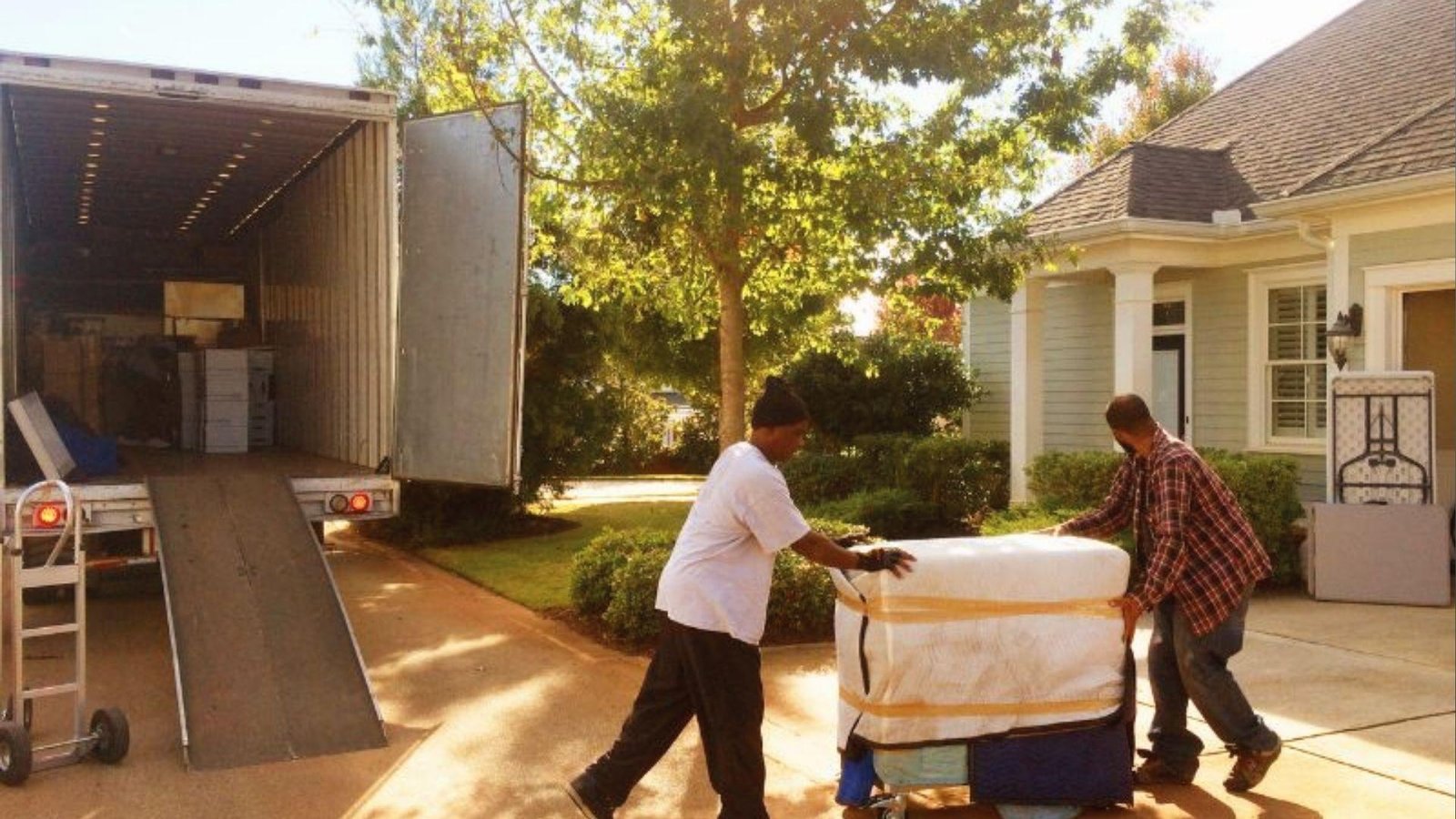
This is the core task. Freight handlers move goods in and out of trucks, containers, and storage areas.
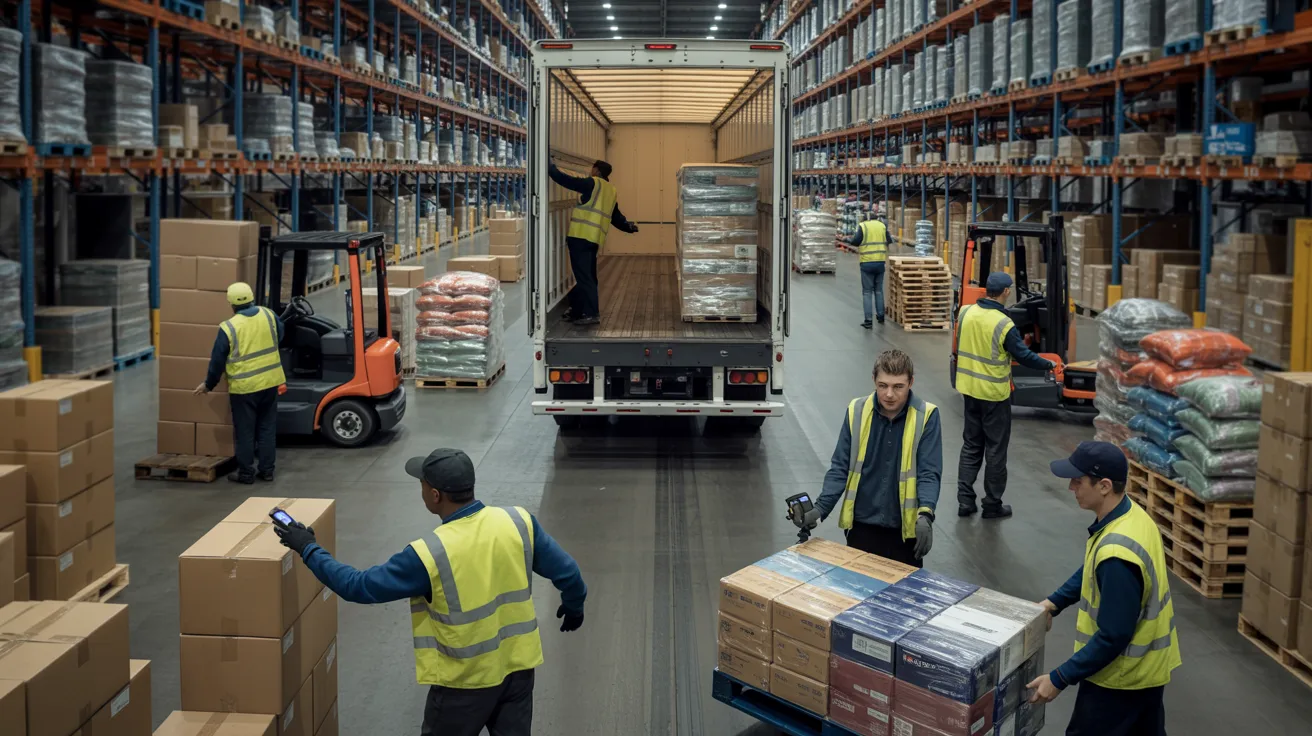
They use forklifts, pallet jacks, and manual lifting depending on the size and weight of the cargo. Speed and accuracy both matter here. A mistake at this stage can delay an entire shipment.
I find it impressive how much coordination goes into what looks like a simple task from the outside.
Sorting and Organizing Shipments

Once freight arrives, it needs to go to the right place fast. Freight handlers arrange cargo in warehouses or at docks based on destination, size, or priority.
Good organization at this stage means faster processing and fewer errors later. A well-sorted warehouse saves hours of work every single day.
It also reduces the chance of the wrong shipment going to the wrong place.
Inspecting Goods and Quality Checks
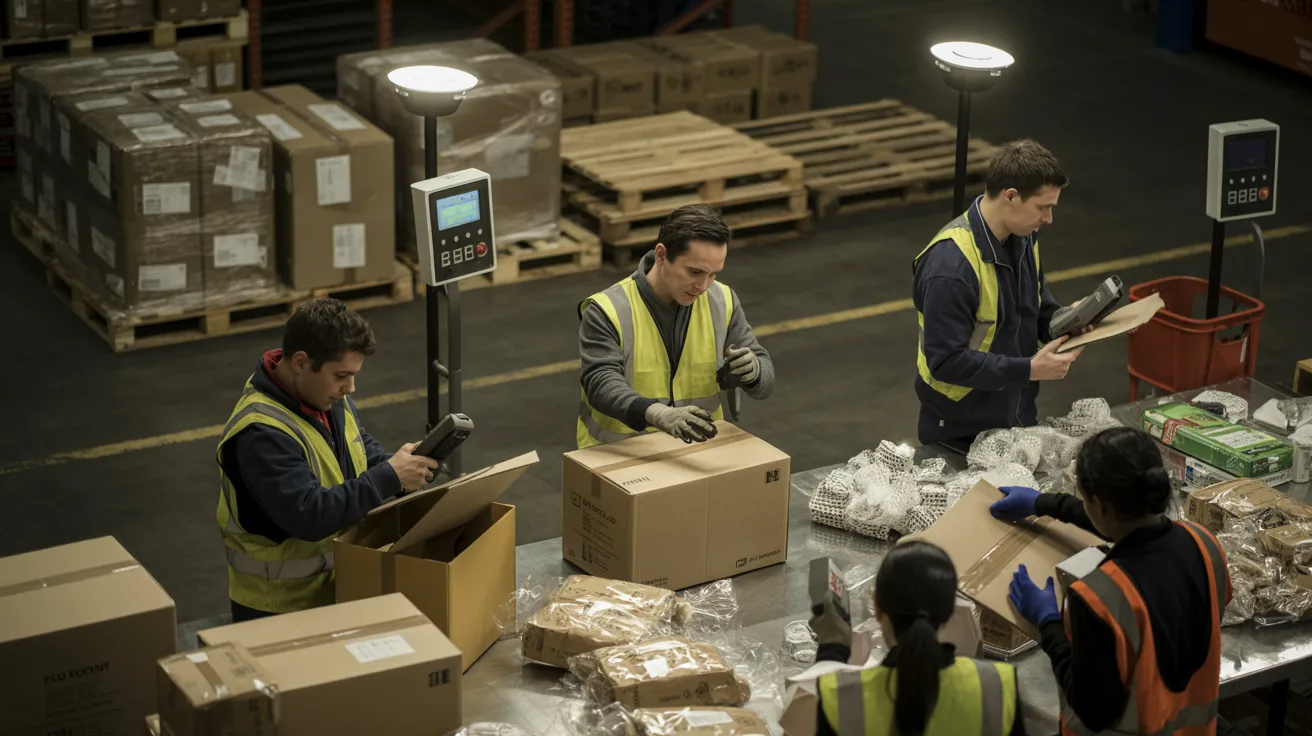
Before goods are stored or dispatched, freight handlers check them. They look for damage, missing items, or packaging issues.
If something doesn't match the order, they flag it right away. This step protects both the business and the customer.
Catching a problem early is always better than dealing with a complaint after delivery.
Tracking and Documentation
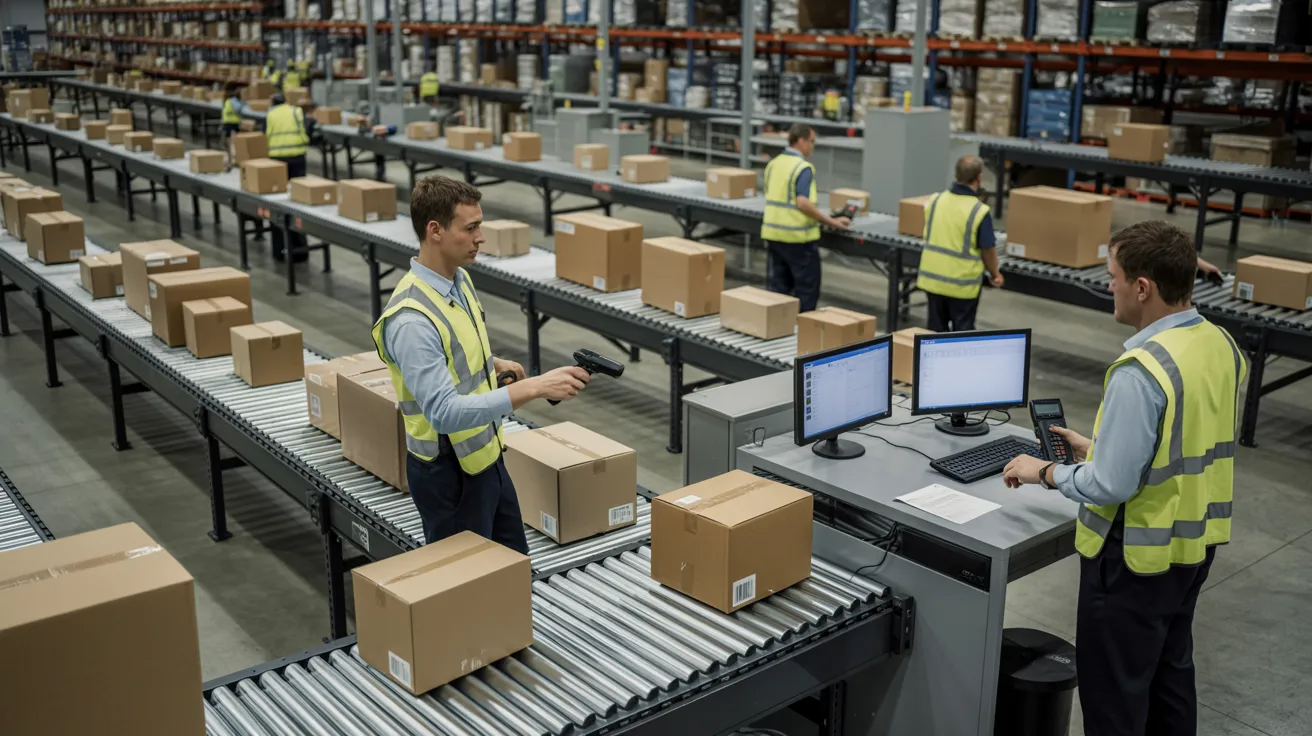
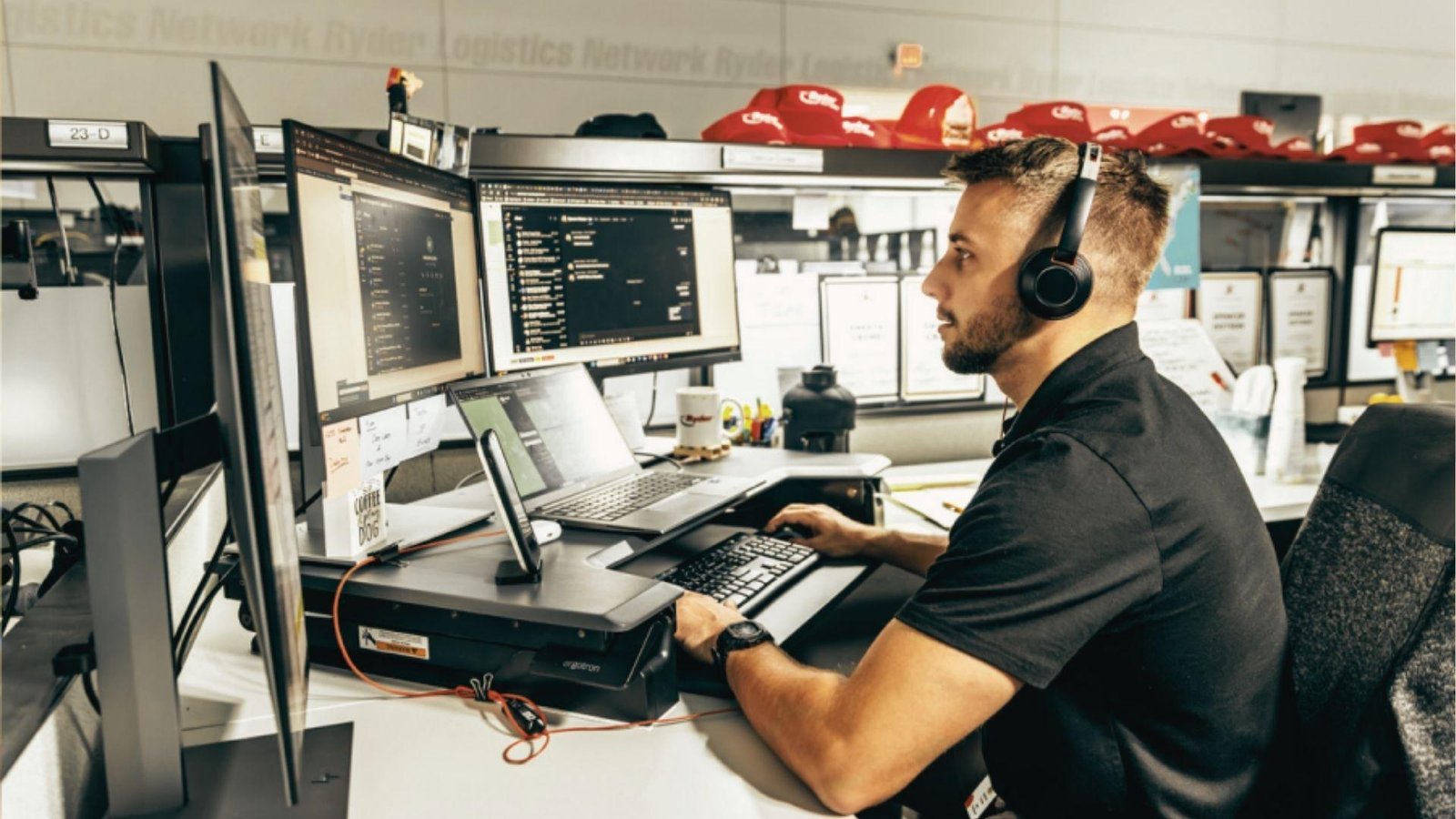
Freight handlers scan barcodes and update inventory systems as goods move in and out. They keep records of incoming and outgoing freight.
This creates a clear trail for every shipment. Accurate documentation is what makes tracking possible.
It also helps resolve disputes quickly when something goes wrong.
Ensuring Safety Compliance
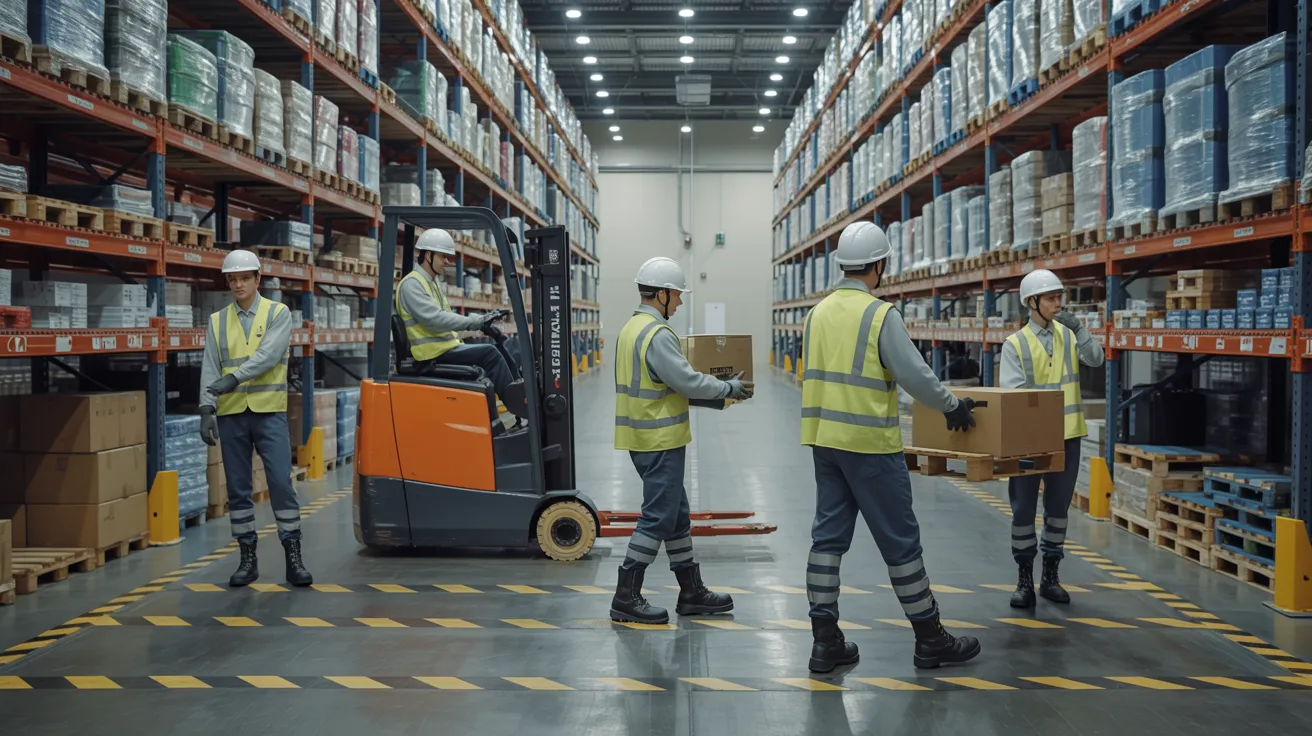
This role involves heavy loads, moving equipment, and tight spaces. Freight handlers follow strict workplace safety procedures.
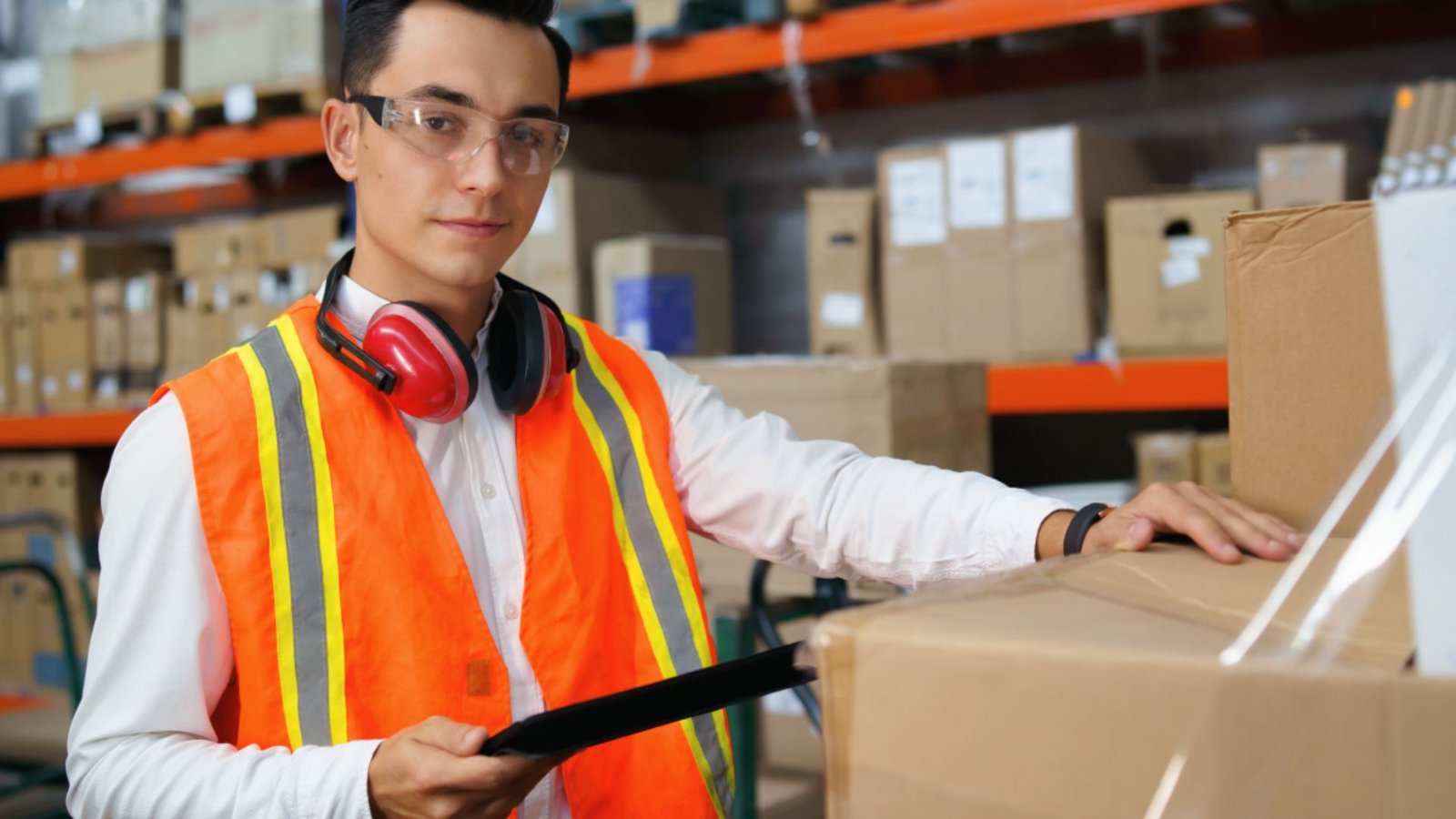
They wear protective gear and use proper lifting techniques to avoid injury. Safety isn't optional here.
It's part of the job every single day. A safe handler is a productive one.
Team Coordination and Communication
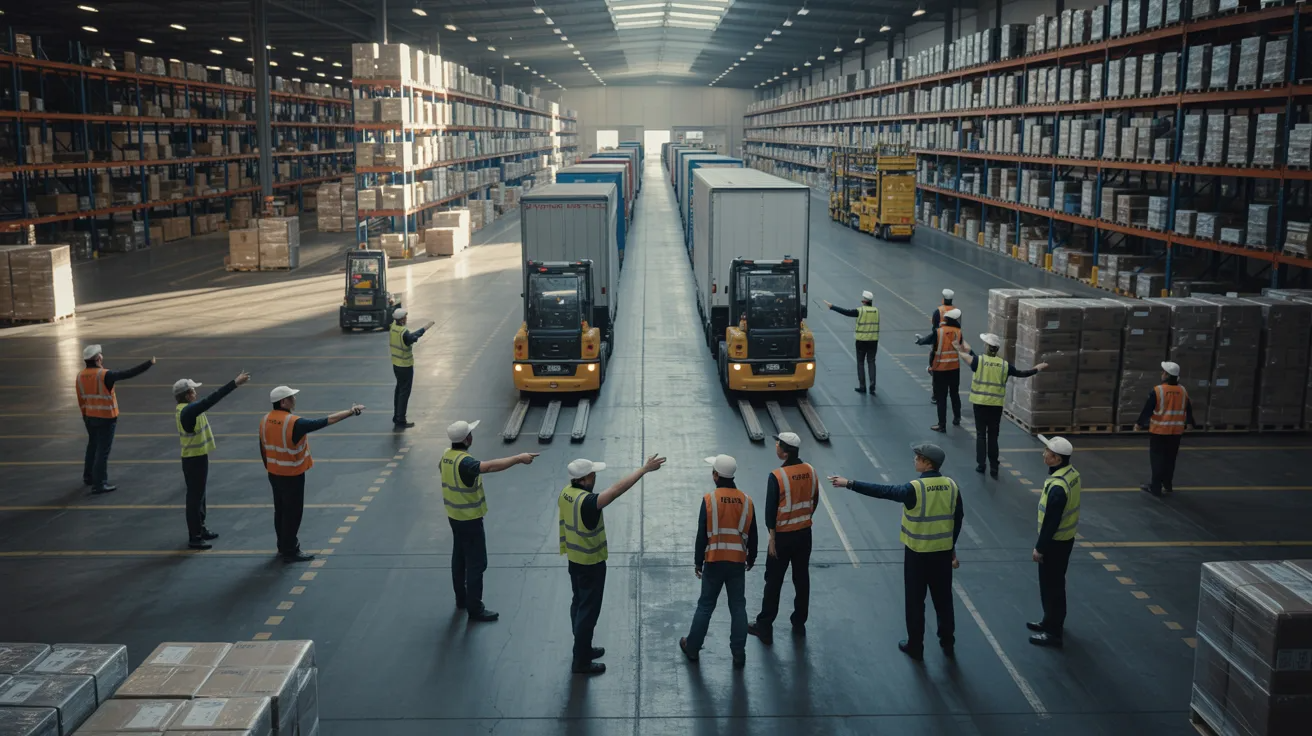
Freight handlers don't work alone. They coordinate with truck drivers, warehouse staff, and supervisors constantly.
Clear communication keeps the whole operation moving without confusion. One missed message can hold up an entire shipment.
Good teamwork is what separates a smooth operation from a chaotic one.
Where Freight Handlers Work
Freight handlers show up wherever goods need to be moved. Here's where you'll find them.
Warehouses and Distribution Centers

This is the most common setting. Freight handlers manage incoming and outgoing stock, organize storage areas, and prepare orders for dispatch.
Large distribution centers run around the clock, and handlers are the ones keeping everything in order.
The bigger the warehouse, the more critical this role becomes.
Freight Terminals and Shipping Docks

At freight terminals, goods get transferred between trucks and sorted for onward delivery. Handlers work quickly here because timing is tight.
Trucks run on schedules, and any delay at the dock creates a ripple effect down the line. Speed and accuracy go hand in hand at these locations.
Airports and Air Cargo Facilities
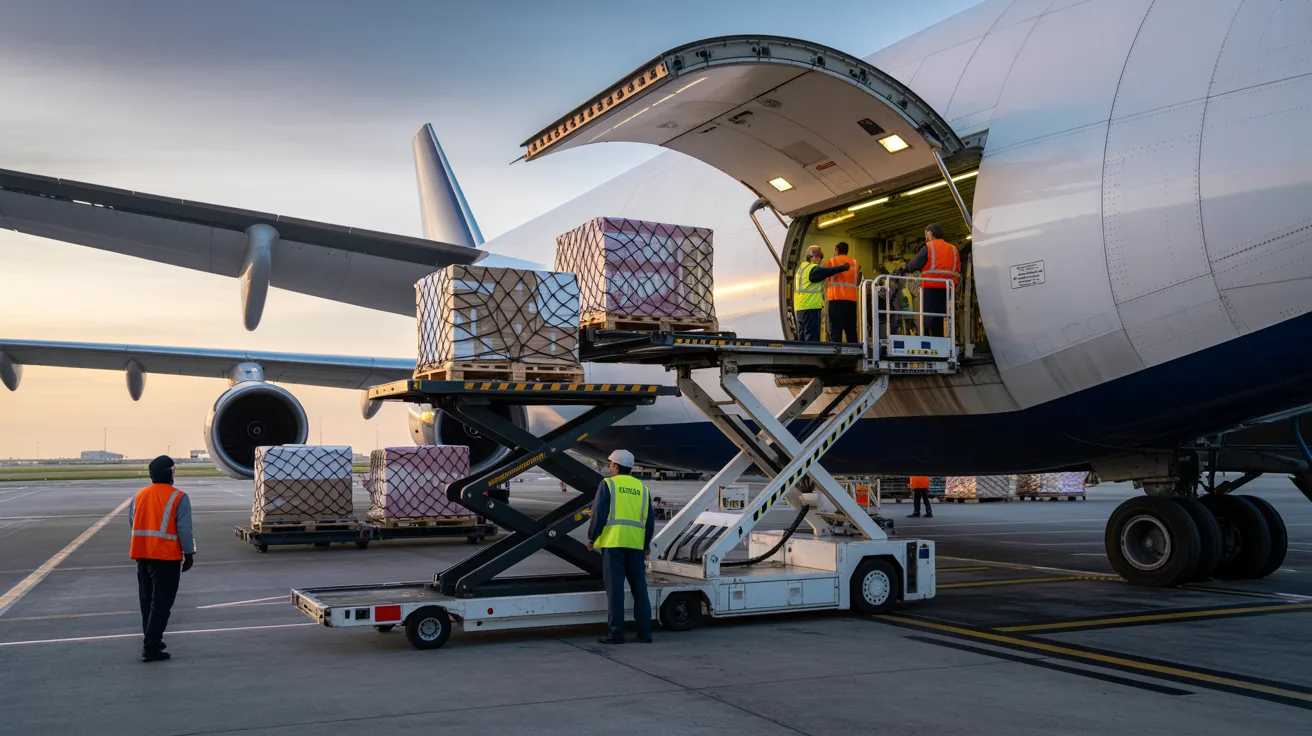
Air freight moves fast, and so do the handlers who manage it. At airports, freight handlers load and unload cargo planes, manage time-sensitive shipments, and work under strict security protocols.
This is one of the most high-pressure environments in the industry.
Rail Yards and Ports
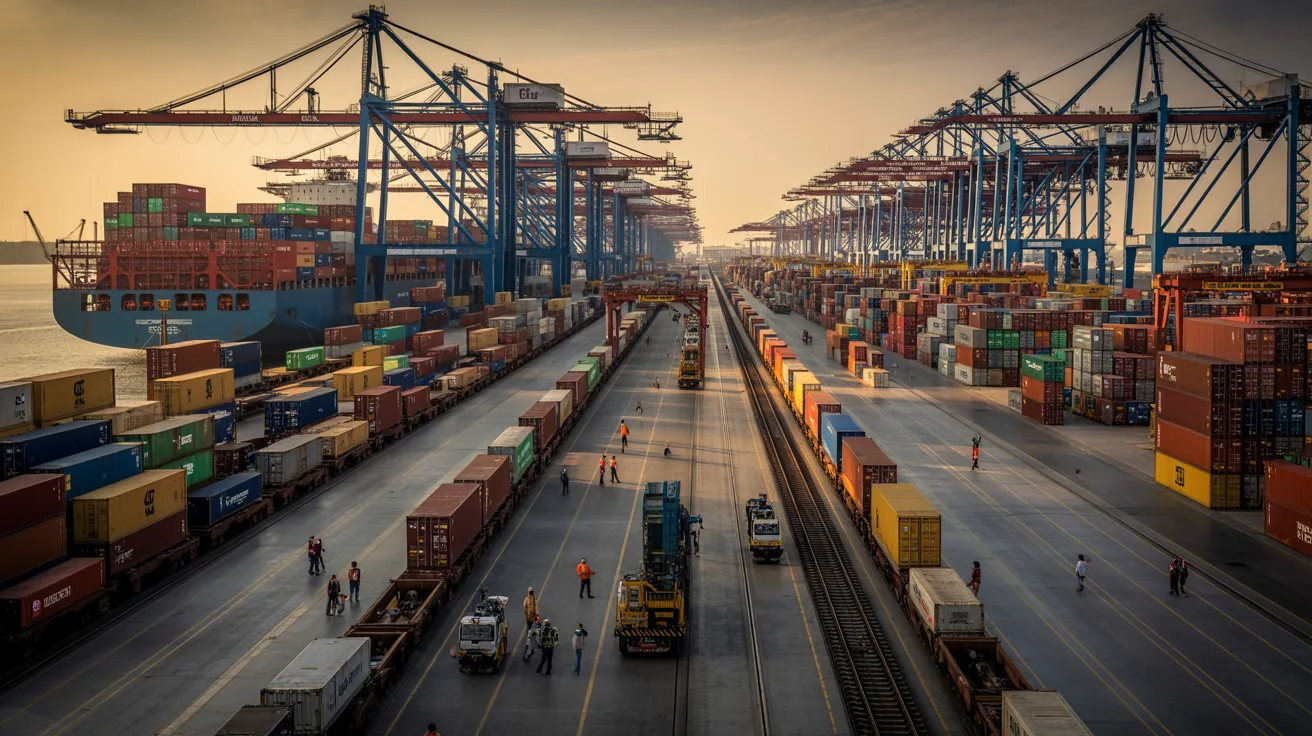
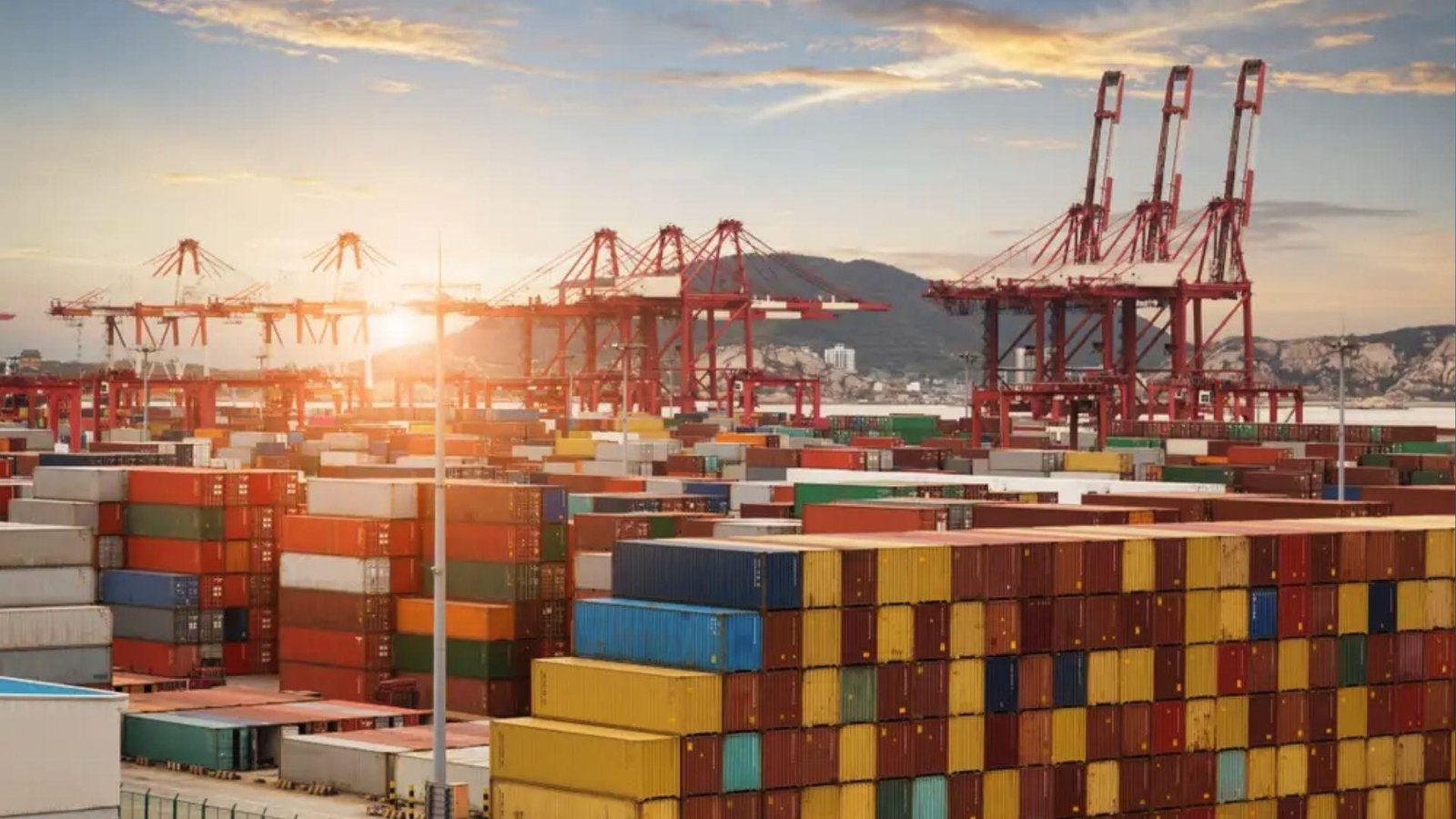
Ports and rail yards handle massive volumes of freight. Handlers here work with containers, cranes, and heavy equipment.
The scale is much larger than a typical warehouse. Getting freight on and off ships or trains requires precision and physical strength in equal measure.
E-Commerce and Retail Fulfillment Centers
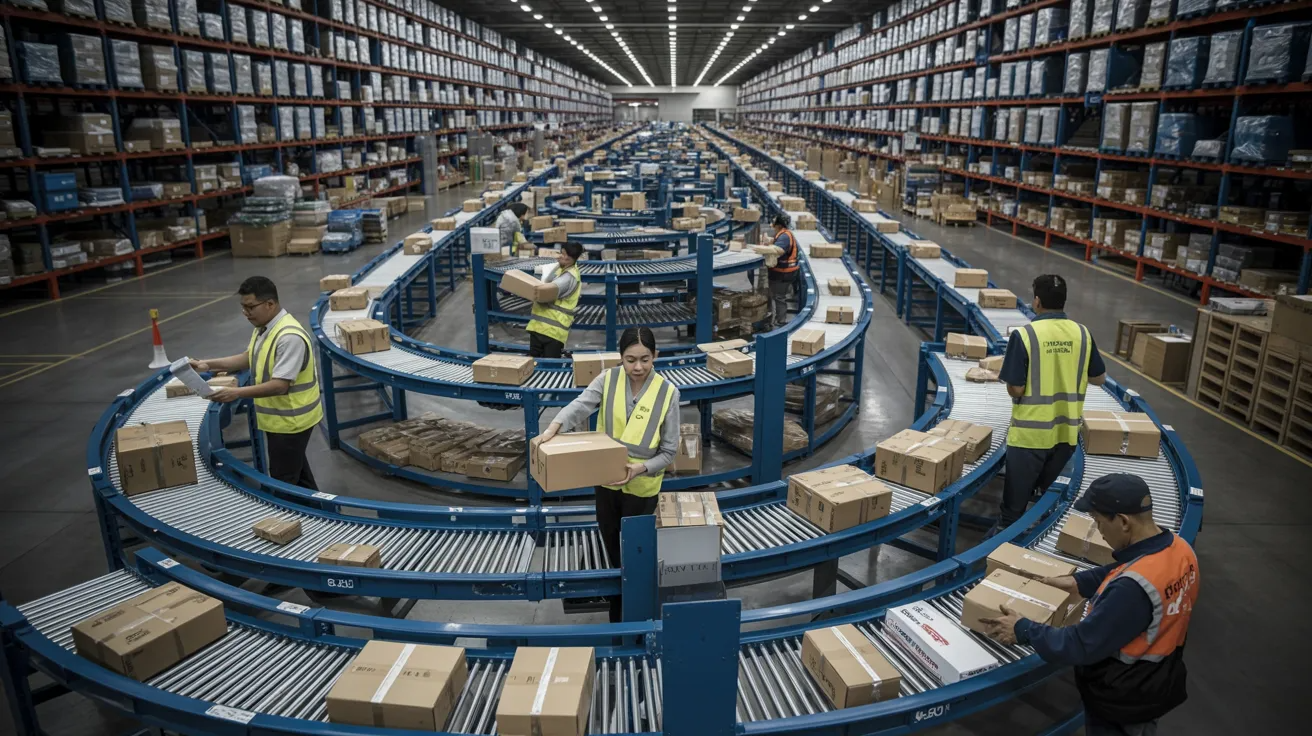
Online shopping has created a huge demand for freight handlers. Fulfillment centers process thousands of orders daily.
Handlers pick, pack, sort, and load shipments non-stop. The growth of e-commerce has made this one of the fastest-growing areas for freight handling work.
Skills Needed for Freight Handlers
You don't need a degree to become a freight handler, but you do need the right skills. Here's what matters most:
- Physical strength and stamina:The job involves lifting, carrying, and staying on your feet for long hours.
- Attention to detail: Sorting, scanning, and checking goods requires focus. Small mistakes cause big problems.
- Equipment handling skills: Operating forklifts and pallet jacks safely is a core part of the job.
- Communication and teamwork: You work with a lot of people. Clear, quick communication keeps things running.
- Safety awareness:Following safety rules protects you and everyone around you.
These skills can be learned on the job, but the ones who do this work well take each one seriously.
Conclusion
Freight handlers don't get much attention. But they keep your orders moving, protect your goods, and hold the supply chain together.
I think that deserves more recognition.
Now you know exactly what this role looks like from the inside.
Found this helpful? Drop a comment below. I read every one.
Share this post with someone in logistics, and check out the related articles for more freight industry insights.
Frequently Asked Questions
What is the main job of a freight handler?
A freight handler loads, unloads, sorts, inspects, and tracks goods as they move through the supply chain.
Do freight handlers need special qualifications?
Most roles require no formal degree, but forklift certification and safety training are commonly needed.
How much does a freight handler earn on average?
Pay varies by location and employer, but entry-level freight handlers typically earn between $30,000 and $45,000 per year in the US.
Is freight handling a physically demanding job?
Yes, it involves heavy lifting, long hours on your feet, and working in fast-paced environments.
What industries hire freight handlers the most?
Warehousing, e-commerce fulfillment, air cargo, shipping ports, and freight terminals are the top employers.