Shipping container weight is one of those things that seems simple until it is not. Get it wrong and you are looking at safety risks, overloading fines, or a failed transport plan.
This guide covers everything you need to know about shipping container weight. You will learn the difference between tare, net, and gross weight.
You will also get real numbers for 20 ft and 40 ft containers in both pounds and kilograms.
I have worked with container data long enough to know that most people only need clear, reliable numbers so that is exactly what you will find here.
How Much Does a Shipping Container Weigh?
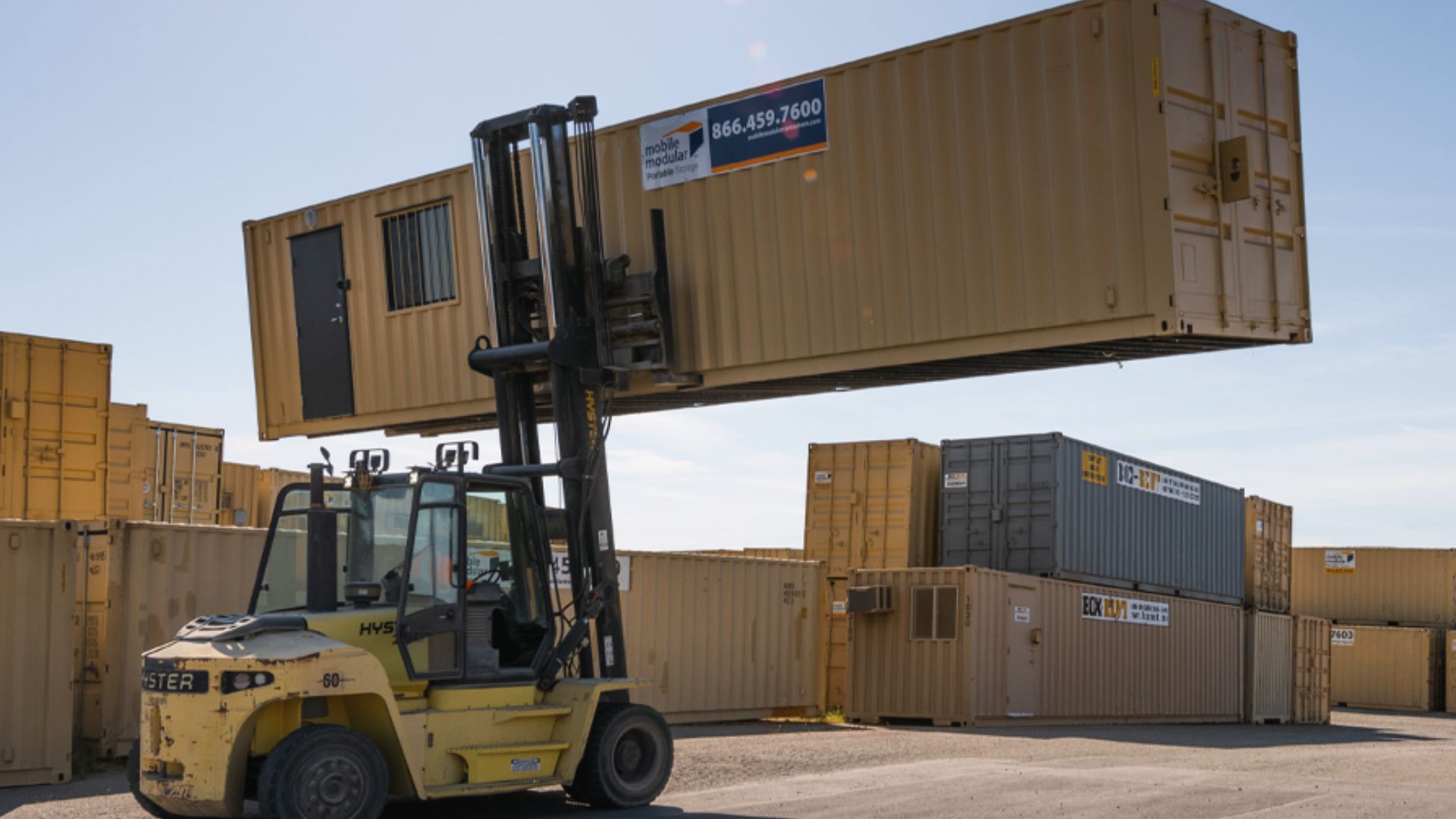
A standard shipping container weighs between 4,800 lbs and 8,900 lbs when empty, depending on its size.
A 20 ft container has an average empty weight of around 4,850 lbs (2,200 kg), while a 40 ft container weighs closer to 8,380 lbs (3,800 kg).
When fully loaded, both can reach a gross weight of up to 67,200 lbs (30,480 kg).
For anyone in logistics, transport, or construction, knowing these numbers from the start saves time, prevents costly mistakes, and keeps every operation running safely.
How Much Does a Shipping Container Weigh Empty?
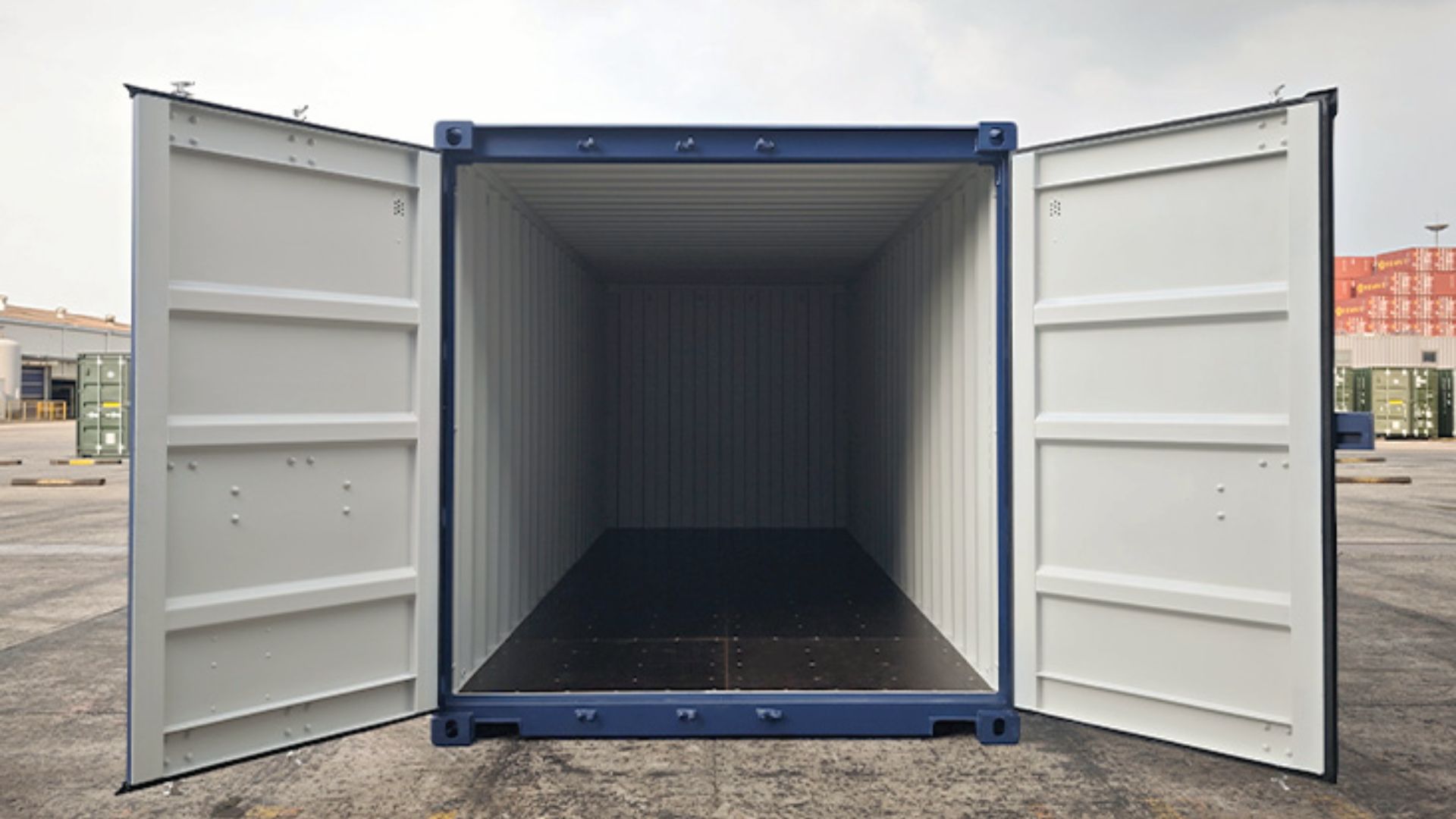
Empty weight, also called tare weight, is the starting point for all container weight planning.
Standard Empty (Tare) Weight of Shipping Containers
A 20 ft standard container weighs approximately 4,850 lbs (2,200 kg) empty. A 40 ft standard container weighs around 8,380 lbs (3,800 kg).
A 40 ft high cube container is slightly heavier at about 8,600 lbs (3,900 kg) due to its added height.
Why Empty Container Weight (Tare Weight) Matters
Tare weight helps operators calculate how much cargo they can legally carry. It also affects shipping costs and budget planning.
On top of that, it is required for VGM compliance before any container is loaded onto a vessel.
Shipping Container Weight in lbs & kg

Having container weight in both units makes planning easier, whether you are working locally or shipping across borders.
Shipping Container Weight in Pounds (lbs)
A 20 ft container weighs about 4,850 lbs empty and holds up to 47,900 lbs of cargo. A 40 ft container weighs around 8,380 lbs empty with a payload capacity of up to 58,820 lbs.
Both figures follow standard ISO container specifications.
Shipping Container Weight in Kilograms (kg)
A 20 ft container has a tare weight of 2,200 kg and a maximum payload of 21,700 kg. A 40 ft container starts at 3,800 kg empty and carries up to 26,680 kg.
These are the standard metric figures used in international shipping documentation.
Types of Shipping Container Weights Explained
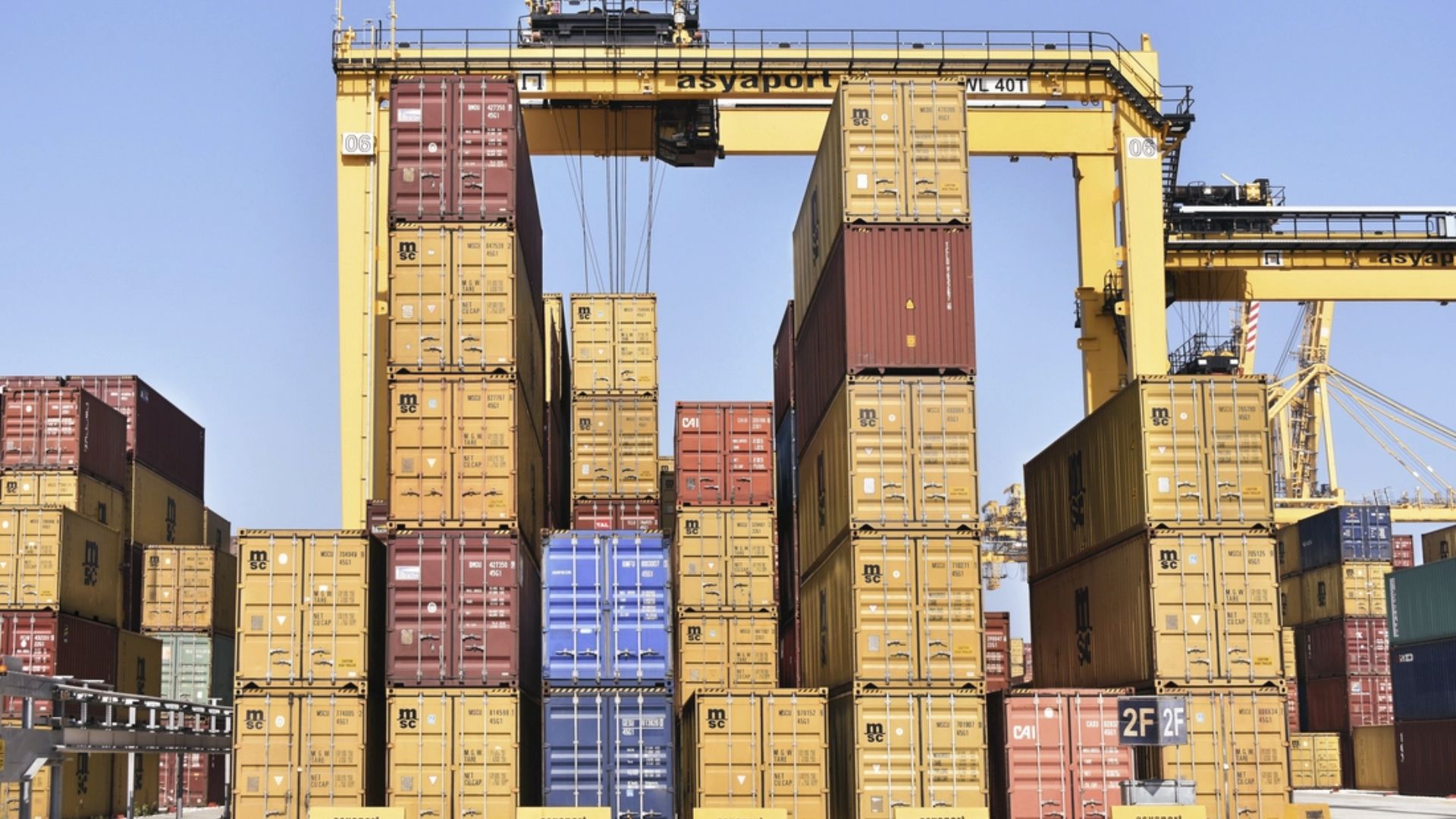
Each weight type has a specific role in shipping, transport planning, and legal compliance.
Tare Weight (Empty Weight)
Tare weight is the weight of the container with nothing inside. It is stamped on the container door near the CSC plate.
This is the baseline number used in all weight calculations and VGM reporting.
Net Weight (Payload Capacity)
Net weight is the weight of the cargo only, not the container itself. It tells you the maximum load a container can safely carry.
Going beyond this limit creates safety risks and legal liability.
Gross Weight (Total Loaded Weight)
Gross weight is the combined weight of the container plus all cargo inside. For both 20 ft and 40 ft containers, the maximum gross weight is 67,200 lbs (30,480 kg).
Staying within this limit is a legal requirement across road, rail, and sea transport.
Standard Shipping Container Weights by Size

Container weight differs by size, and knowing each one helps you plan transport and loading without any surprises.
20 ft Shipping Container Weight
The 20 ft container is a go-to choice for heavy goods like machinery and metals. It weighs about 4,850 lbs (2,200 kg) empty, holds up to 47,900 lbs (21,700 kg) of cargo, and has a maximum gross weight of 52,900 lbs (24,000 kg).
40 ft Shipping Container Weight
The 40 ft container is the most widely used size in global shipping. It weighs around 8,380 lbs (3,800 kg) empty and carries up to 58,820 lbs (26,680 kg) of cargo. Its maximum gross weight reaches 67,200 lbs (30,480 kg).
40 ft High Cube Container Weight
The high cube version adds one extra foot of height, going from 8.5 ft to 9.5 ft tall. It weighs about 8,600 lbs (3,900 kg) empty and holds up to 58,600 lbs (26,580 kg).
The added height makes it a popular option for tall cargo and container home builds.
Factors That Affect Shipping Container Weight
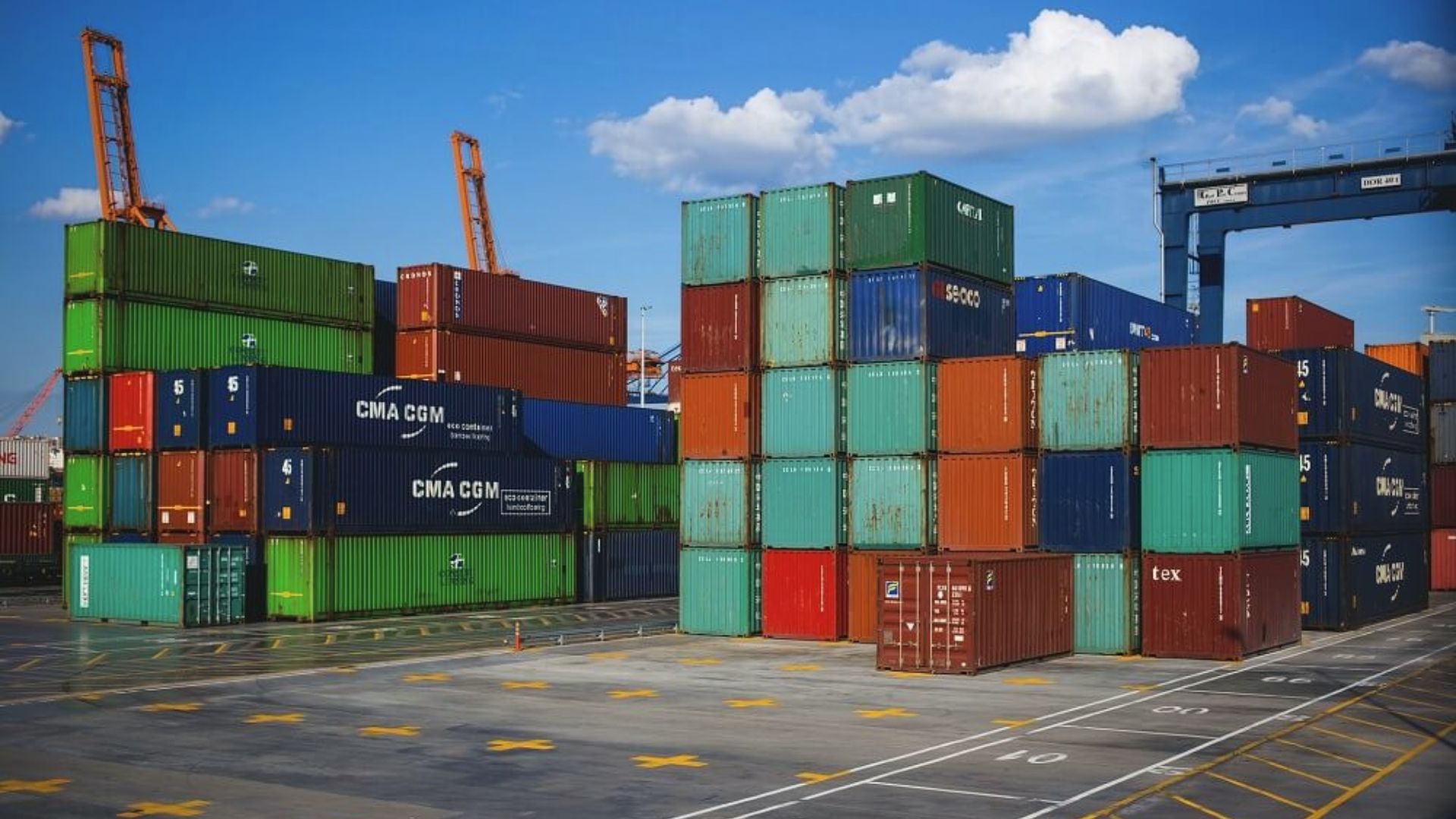
Container weight is not always fixed; several real-world factors can push it above or below the standard figures.
Container Type
Not all containers are built the same. Standard dry containers, high cube containers, reefers, and open-top containers all have different structural builds.
Each type carries a different empty weight, so the container type is always the first thing to check before planning any shipment.
Material and Manufacturing Differences
Most containers are made from Corten steel, but thickness and welding methods vary between manufacturers.
These small differences in build quality and steel grade can slightly change the tare weight from one container to another, even within the same size category.
Structural Design Changes
Modified containers used for offices, homes, or storage often have added insulation, windows, doors, and flooring. Each addition increases the overall weight beyond the original tare.
If you are working with a modified container, always get the updated weight rather than relying on the standard manufacturer figure.
Cargo Distribution and Loading Method
Even when the total gross weight is within legal limits, uneven loading creates stress points on the container floor and chassis.
Poorly distributed cargo can damage the container structure and create risks during transport. Balanced loading is always the right approach, regardless of total weight.
Tips for Handling Shipping Container Weight
Follow these key points to stay safe, compliant, and cost-efficient:
- Always check the tear weight on the container door before loading any cargo.
- Never exceed the maximum gross weight listed on the container data plate.
- Distribute cargo evenly to prevent stress on the floor and chassis.
- Use certified scales when calculating VGM for international shipments.
- Verify the total gross weight before finalising any shipping documentation.
Conclusion
Shipping container weight is not just a number it affects safety, cost, and legal compliance at every step.
Knowing the difference between tare, net, and gross weight puts you in control of your shipment or project from the start.
I have seen firsthand how skipping this step leads to delays and fines that could have been avoided.
Check the container door, use certified scales, and always stay within the gross weight limit. If this guide helped you, drop a comment below or share it with someone who needs it.
Frequently Asked Questions
How much does a shipping container weigh in general?
A standard shipping container weighs between 4,850 lbs and 8,600 lbs when empty. When fully loaded, the gross weight can reach up to 67,200 lbs depending on the size.
How much does a shipping container weigh empty?
A 20 ft container weighs about 4,850 lbs (2,200 kg) empty and a 40 ft container weighs around 8,380 lbs (3,800 kg). This is referred to as the tare weight.
How much does a shipping container weigh in pounds?
A 20 ft container has a tare weight of roughly 4,850 lbs with a payload capacity of up to 47,900 lbs. A 40 ft container starts at about 8,380 lbs empty and carries up to 58,820 lbs of cargo.
How heavy is a 40 ft shipping container?
An empty 40 ft container weighs approximately 8,380 lbs (3,800 kg). When fully loaded, the maximum gross weight can reach up to 67,200 lbs (30,480 kg).
What is the difference between tare and gross weight?
Tare weight is the empty weight of the container itself, while gross weight is the total weight of the container plus all cargo inside. The difference between the two gives you the net payload capacity.