

Shipping a canvas painting can feel stressful. One wrong move and your artwork arrives bent, torn, or ruined.
I've been through this myself the first time I shipped a painting, I used the wrong box and skipped corner protection.
It was a lesson I won't forget. In this guide, I'll walk you through how to pack a canvas painting for shipping step by step.
You'll learn what materials to use, how to wrap correctly, and what mistakes to avoid. With years of experience handling artwork, this guide gives you a clear, reliable process.
Why Safe Shipping of Canvas Paintings Is Important

Protecting your artwork during shipping is not optional, it's necessary. Canvas paintings face real risks during transit.
Tearing, bending, moisture damage, and rough handling can all cause serious harm, even on a short domestic shipment.
I've seen paintings arrive completely ruined simply because they weren't packed properly. That's why getting this right matters so much.
This guide will help you avoid those problems. You'll know exactly how to wrap, cushion, and box your painting so it reaches its destination in perfect condition, every single time.
Crucial Materials Needed for Packing a Canvas Painting

Having the right supplies before you start makes the entire process smoother and safer.
Surface Protection Materials
Acid-free paper or glassine paper should be your first layer. These materials won't react with paint or cause staining over time.
Regular newspaper or plastic wrap directly on the surface can damage the paint, so avoid them.
Plastic wrap can be used as an outer layer only never directly on the canvas surface.
Cushioning and Shock Protection Materials
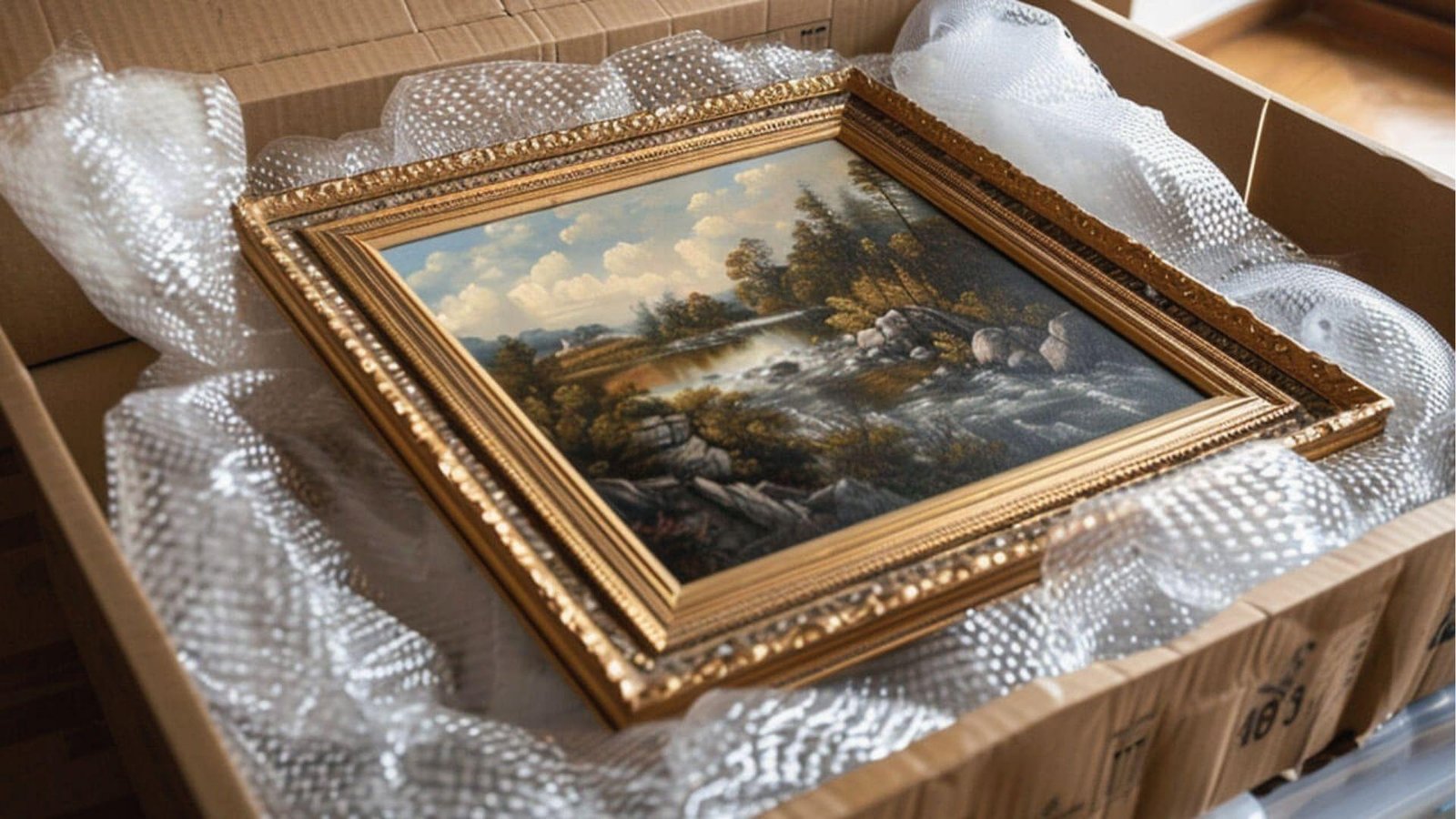
Bubble wrap is your main defense against impact. It absorbs shocks during loading, transport, and unloading.
Foam sheets add an extra layer of rigid cushioning. Combined with cardboard inserts, they help keep the painting flat and stable.
Corner protectors are often forgotten but are very important. The corners and edges of a framed canvas are the most vulnerable points during shipping.
Shipping Box and Sealing Materials
Use a double-walled cardboard box. Single-walled boxes are not strong enough for artwork.
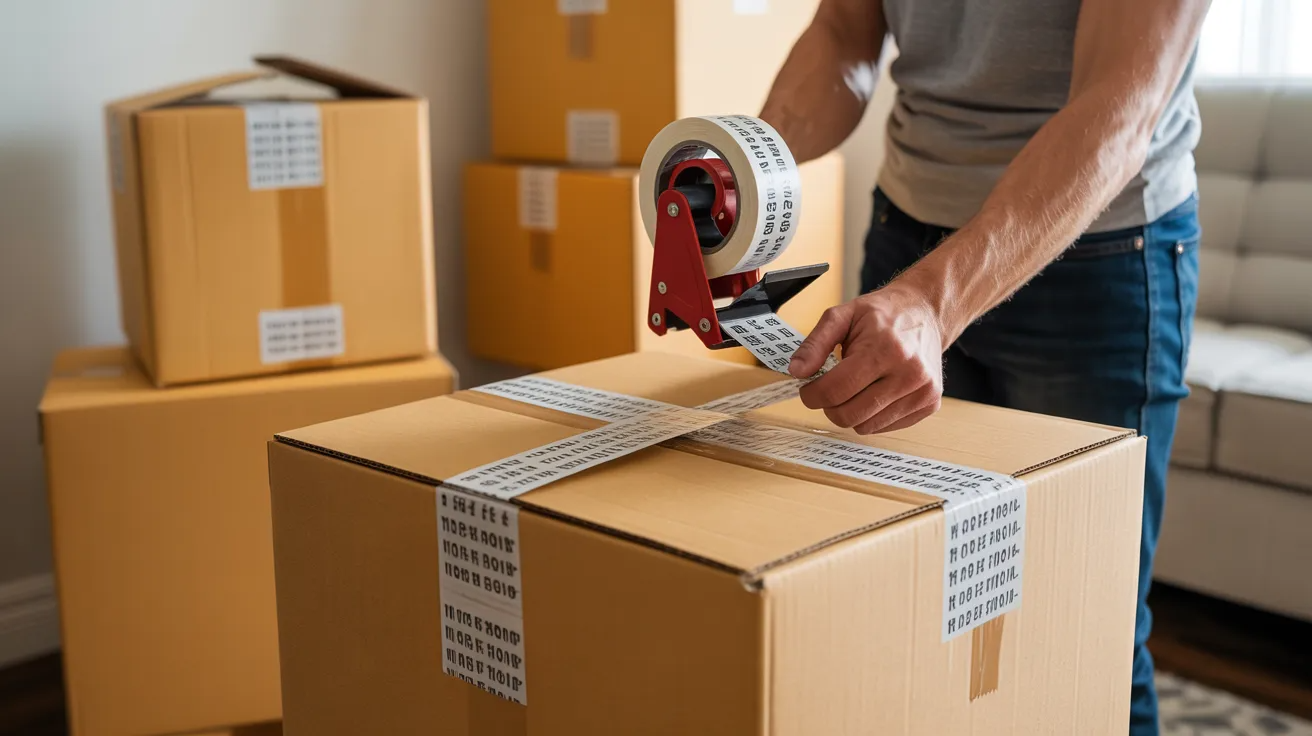
Heavy-duty packing tape keeps everything sealed. Don't use masking tape or regular office tape they won't hold under pressure.
Void fill, such as crumpled paper or foam padding, fills any empty space inside the box so the painting doesn't shift during transit.
Step-by-Step Guide to Pack a Canvas Painting for Shipping Safely
Follow each step carefully to give your painting the best protection possible.
Step 1: Prepare the Canvas Before Packing

Make sure the painting is fully dry before packing. If it's an oil painting, it may need several months to cure completely.
Clean the surface gently if needed. Remove any dust or debris.
Then cover the entire painted surface with acid-free paper or glassine paper. Tape the paper to the back of the canvas, not to the painted side.
Step 2: Protect Edges and Corners

Slide corner protectors onto all four corners. These can be cardboard or foam-based and are available at most packing supply stores.
If the frame has fragile or ornate edges, wrap those areas with extra bubble wrap and secure with tape. This step is easy to skip but very important.
Step 3: Wrap the Painting Securely

Wrap the entire painting in bubble wrap at least two to three layers. Start from the back and wrap toward the front, making sure every edge is covered.
Do not wrap too tightly. Pressing the bubble wrap hard against the canvas can leave impressions in the paint, especially if the painting is textured or recently finished.
Secure the bubble wrap with tape, but tape only to itself not to the canvas or frame.
Step 4: Add Rigid Protection Layers

Place the wrapped painting between two foam boards or thick cardboard pieces. These should be slightly larger than the painting itself.
Tape the boards together around the painting so it's sandwiched securely. This rigid layer prevents the canvas from bending or warping during transport.
Step 5: Choose the Correct Shipping Box Size

The box should be four to six inches larger than the artwork on all sides. This gives you room for two to three inches of padding on every side.
If you can't find the right size, many shipping stores sell custom or adjustable boxes. Getting the box size right is one of the most important steps in this process.
Step 6: Secure and Seal the Package

Place the painting inside the box. Fill all empty space with void fill crumpled paper or foam pieces work well. The painting should not move at all when you shake the box.
Seal all edges of the box with heavy-duty packing tape. Run tape along every seam and flap. Don't leave any weak points.
Best Practices for Shipping Canvas Paintings Without Damage
A few extra steps can make a big difference in how safely your artwork arrives.
Labeling and Handling Instructions
Write "Fragile" and "This Side Up" on at least three sides of the box. Use large, clear letters or printed labels. Most carriers will handle labeled packages with more care.
Choosing the Right Shipping Carrier
Not all carriers handle fragile items the same way. Look for carriers with experience in shipping artwork or fragile goods.
Always use a service that includes tracking and delivery confirmation. This way, you know exactly where your painting is and when it arrives.
Insurance and Documentation Tips
Take clear photos of the painting and the packed box before handing it over for shipping. These photos serve as proof of condition if a damage claim is needed.
Artwork insurance is highly recommended for valuable pieces. Check if your carrier offers shipping insurance, or look into third-party art insurance options.
Extra Tips for Safely Shipping Canvas Artwork
Going the extra mile can protect your painting even further.
- Double-box valuable or large paintings.Place the packed painting inside a second larger box with extra padding between them for added protection.
- Add more cushioning for long-distance shipping. International or cross-country shipments go through more handling points, so extra padding is always worth it.
- Avoid shipping during extreme weather. Heat and cold can damage paint and canvas. Try to ship during mild weather conditions when possible.
- Avoid holiday peak periods. Busy seasons mean rushed handling. Shipping before or after peak times reduces the risk of damage.
- Reinforce all seals before dispatch. Check every taped edge one final time before handing the package over. Make sure nothing is loose.
Conclusion
Packing a canvas painting doesn't have to be stressful. Once you know the steps, it becomes second nature.
I remember feeling nervous the first time I shipped a large painting across the country. But following a clear process, good materials, proper wrapping, and the right box made all the difference. It arrived perfectly.
Now it's your turn. Follow this guide on how to pack a canvas painting for shipping step by step, and your artwork will be in safe hands.
Have questions or tips of your own? Drop them in the comments I'd love to hear from you.
Frequently Asked Questions
Can I use regular plastic wrap directly on the canvas?
No, you should never use plastic wrap directly on the painted surface. It can trap moisture and stick to the paint, causing damage.
How many layers of bubble wrap do I need for a canvas painting?
Use at least two to three layers of bubble wrap. More layers are better for larger or more valuable paintings.
What size box should I use to ship a canvas painting?
Choose a box that is four to six inches larger than your painting on all sides. This allows for two to three inches of padding around the artwork.
Do I need to insure my canvas painting before shipping?
Yes, especially for valuable pieces. Take photos before packing and check with your carrier or a third-party provider for artwork insurance options.
Can I ship a canvas painting that is not fully dry?
No, always make sure the painting is completely dry before packing. Wet or tacky paint can smear, stick to materials, or get permanently damaged during transit.