
I've shipped homemade cookies more times than I can count and yes, I've had a few crumbled disasters arrive at the door.
That taught me a lot. This guide covers how to pack cookies for shipping step by step, so yours arrive fresh and intact.
You'll learn which cookies travel best, what supplies to use, and how to pack them the right way.
I'll also cover common mistakes and freshness tips. Whether you're sending a gift or running a small baking business, this guide has you covered.
Everything You Need to Know Before Shipping Cookies

A few basics before you start packing can save you a lot of broken cookie heartbreak. Not all cookies travel the same way.
Dense, firm ones like shortbread, biscotti, snickerdoodles, gingerbread, and slightly underbaked chocolate chip cookies hold up best.
They don't crumble under pressure. Soft, frosted, or filled cookies need extra care. Most breakage happens due to poor cushioning or shifting inside the box.
Staleness comes from air getting in. Heat and humidity speed things up too.
Avoid mailing meringues, thin wafers, cream-filled sandwich cookies, and frosted cupcake-style cookies; they rarely survive the trip intact.
Supplies Needed to Pack Cookies for Shipping

Having the right materials on hand before you start makes packing faster and safer.
Best Containers for Shipping Cookies
Use a sturdy tin, rigid plastic container, or a food-safe box. Tins are a top choice because they don't bend or crush easily. Make sure the lid closes tightly with no wiggle room.
Cushioning Materials That Prevent Breakage
Use bubble wrap, packing peanuts, crumpled tissue paper, or shredded kraft paper. These fill the gaps inside the box and keep cookies from sliding around. The goal is zero movement.
Plastic Wrap, Wax Paper, and Airtight Packaging
Wrap each cookie individually in plastic wrap or wax paper before placing it in the container. This keeps moisture in and air out. For extra protection, use a zip-lock bag inside the container.
Choosing the Right Shipping Box
Pick a corrugated cardboard box that fits your cookie container snugly. Leave about 2 inches of space on all sides for cushioning. A box that's too big means too much movement.
How to Pack Cookies for Shipping Step by Step
Follow this order exactly and your cookies will have the best chance of arriving in one piece.
Step 1: Let Cookies Cool Completely

Never pack warm cookies. Warmth creates steam inside the container, which leads to soft, sticky, or moldy cookies.
Let them cool fully at room temperature for at least one to two hours before you do anything else.
Step 2: Sort Cookies by Type and Size

Before wrapping, sort your cookies. Group soft ones together and crispy ones separately. Put larger, sturdier cookies aside from smaller, fragile ones.
This makes packing faster and prevents texture and moisture transfer later.
Step 3: Wrap Cookies Individually

Wrap each cookie in plastic wrap or place them in small zip-lock bags. This keeps them fresh and prevents them from sticking together or breaking against each other during transit.
Step 4: Use the Cookie Sandwich Method

For soft cookies, pair two flat sides together before wrapping. This method protects both surfaces and keeps them from crumbling.
It is a simple trick that works really well for round or thick cookies.
Step 5: Arrange Cookies by Size and Texture

Place heavier, sturdier cookies on the bottom of the container. Lighter or more fragile ones go on top.
Keep soft and crispy cookies in separate containers so textures don't mix and moisture doesn't transfer.
Step 6: Fill Empty Spaces With Cushioning

After placing cookies in the container, fill any gaps with crumpled tissue paper or packing peanuts. Shake the container gently.
If anything moves inside, add more cushioning until everything stays in place.
Step 7: Secure the Container Inside the Shipping Box

Place the filled container inside the shipping box. Surround it on all sides with bubble wrap or packing peanuts.
The container should not shift at all when you shake the outer box.
Step 8: Double-Box for Extra Protection

For fragile or long-distance shipments, place your packed shipping box inside a slightly larger box.
Fill the space between both boxes with cushioning material. This extra layer absorbs impact and gives your cookies far better protection.
Step 9: Seal and Label the Package Properly

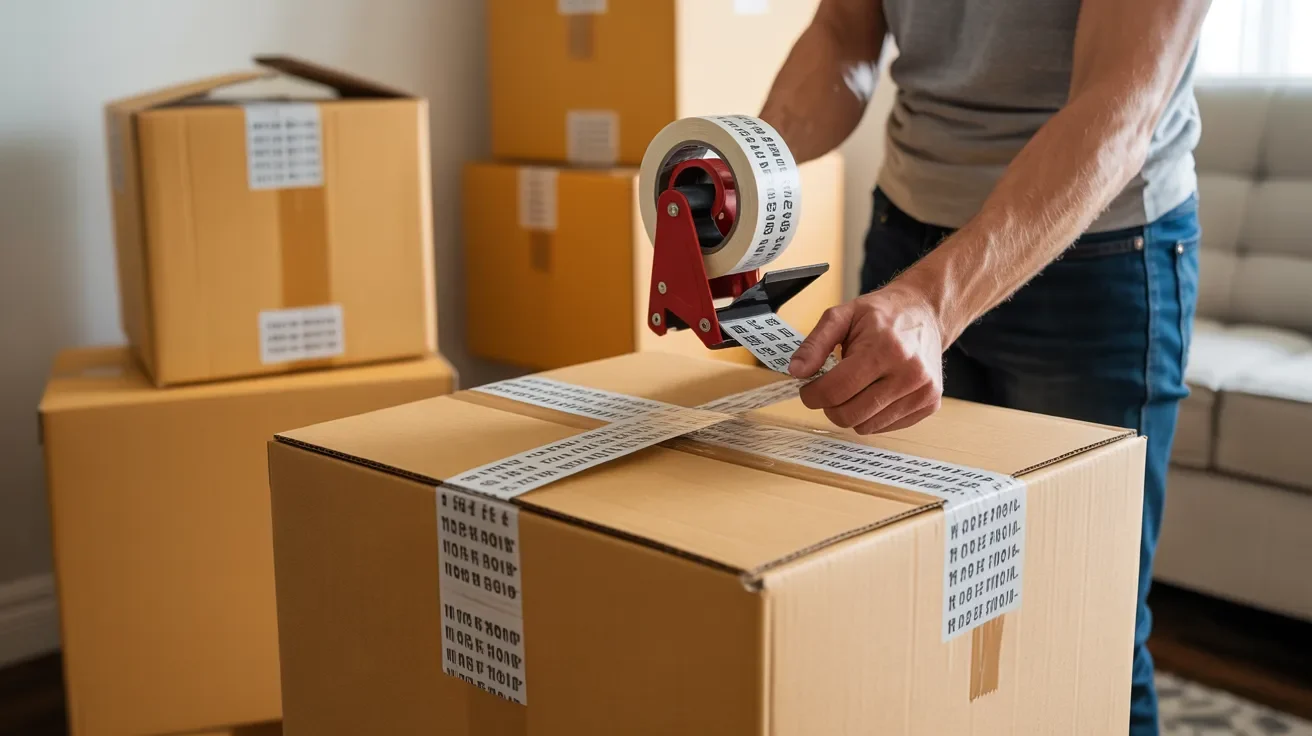
Tape all seams of the box with strong packing tape. Label it clearly with the delivery address and your return address.
Add a "Fragile" sticker and mark it "Perishable" so handlers know to treat it with care.
Common Mistakes to Avoid When Packing Cookies for Shipping
These small errors are the most common reasons cookies arrive broken or stale.
- Packing Warm Cookies:Always let cookies cool fully before packing. Warm cookies sweat inside packaging and turn sticky, soft, or moldy fast.
- Using Weak Packaging Materials:Thin cardboard and flimsy plastic offer little protection. Always use rigid containers and strong corrugated boxes.
- Leaving Empty Space Inside the Box:Empty space allows movement and movement causes breakage. Fill every gap with cushioning material.
- Mixing Soft and Crispy Cookies Together:Soft cookies release moisture and crispy ones absorb it. Pack them separately to protect both textures.
- Choosing Slow Shipping Options:Paying a little more for 2-day delivery is always worth it. Ground shipping over 5 days puts freshness at risk.
Best Ways to Keep Cookies Fresh During Shipping

Freshness doesn't happen by accident; these steps lock in flavor and softness.Packing well is only half the job. Keeping cookies fresh is the other half.
Use Airtight Containers
An airtight container is your best tool. It keeps moisture and air from changing the texture of your cookies. Seal the lid tightly and add tape around the edge if needed.
Freeze Cookies Before Shipping
Freezing cookies before packing adds freshness time. Bake, cool, freeze for a few hours, then wrap and pack. They'll thaw during shipping and still taste fresh on arrival.
Add Bread to Maintain Softness
Put a small piece of white bread inside the container with soft cookies. The bread releases moisture slowly, keeping cookies soft without making them soggy. Replace the bread if shipping takes more than two days.
Avoid Heat and Humidity During Transit
Don't ship cookies on days over 80°F without insulation. Avoid shipping to warm climates during summer without using an insulated liner or ice pack. Heat is the enemy of freshness.
Expert Tips for Shipping Cookies Safely
These tips come from experience and make a real difference in how cookies arrive.
- Double-Box Fragile Shipments. Place your container inside one box, then put that inside a larger one with cushioning between them for extra protection.
- Vacuum Seal for Longer Freshness. A vacuum sealer removes air and keeps cookies fresh for several extra days, perfect for long-distance shipping.
- Label Packages as Fragile and Perishable. Both labels encourage carriers to handle your package with more care during transit.
- Track Your Package. Always use a tracking number so you can catch delays early and keep the recipient informed.
- Insulate Against Heat. Use an insulated liner or small ice pack in summer or when shipping to warm areas to protect freshness.
Conclusion
Shipping homemade cookies is one of my favorite ways to show someone I care.
There's something really special about opening a box and finding fresh cookies packed with love.
Now that you know how to pack cookies for shipping step by step, you're ready to send your best batch yet.
Use the right containers, wrap everything well, and ship fast. Your cookies will arrive just as good as when they left your kitchen.
Have you tried this method? Drop a comment below and share how it went. I'd love to hear!
Frequently Asked Questions
What cookies ship best in the mail?
Firm, dense cookies like shortbread, biscotti, and gingerbread ship best. They hold their shape and don't crumble easily during transit.
How do you keep cookies from breaking during shipping?
Wrap each cookie individually, fill all gaps with cushioning, and use a rigid container. Make sure nothing moves inside the box.
What is the best container for shipping cookies?
A tin with a tight-fitting lid is the best option. It's sturdy, reusable, and keeps cookies protected during handling.
How long do shipped cookies stay fresh?
Most cookies stay fresh for 3-5 days after shipping. Vacuum-sealed or frozen-before-shipping cookies can last up to 7-10 days.
Can homemade cookies be shipped internationally?
Yes, but check customs rules for the destination country. Choose shelf-stable cookies and use vacuum-sealed packaging to maximize freshness.