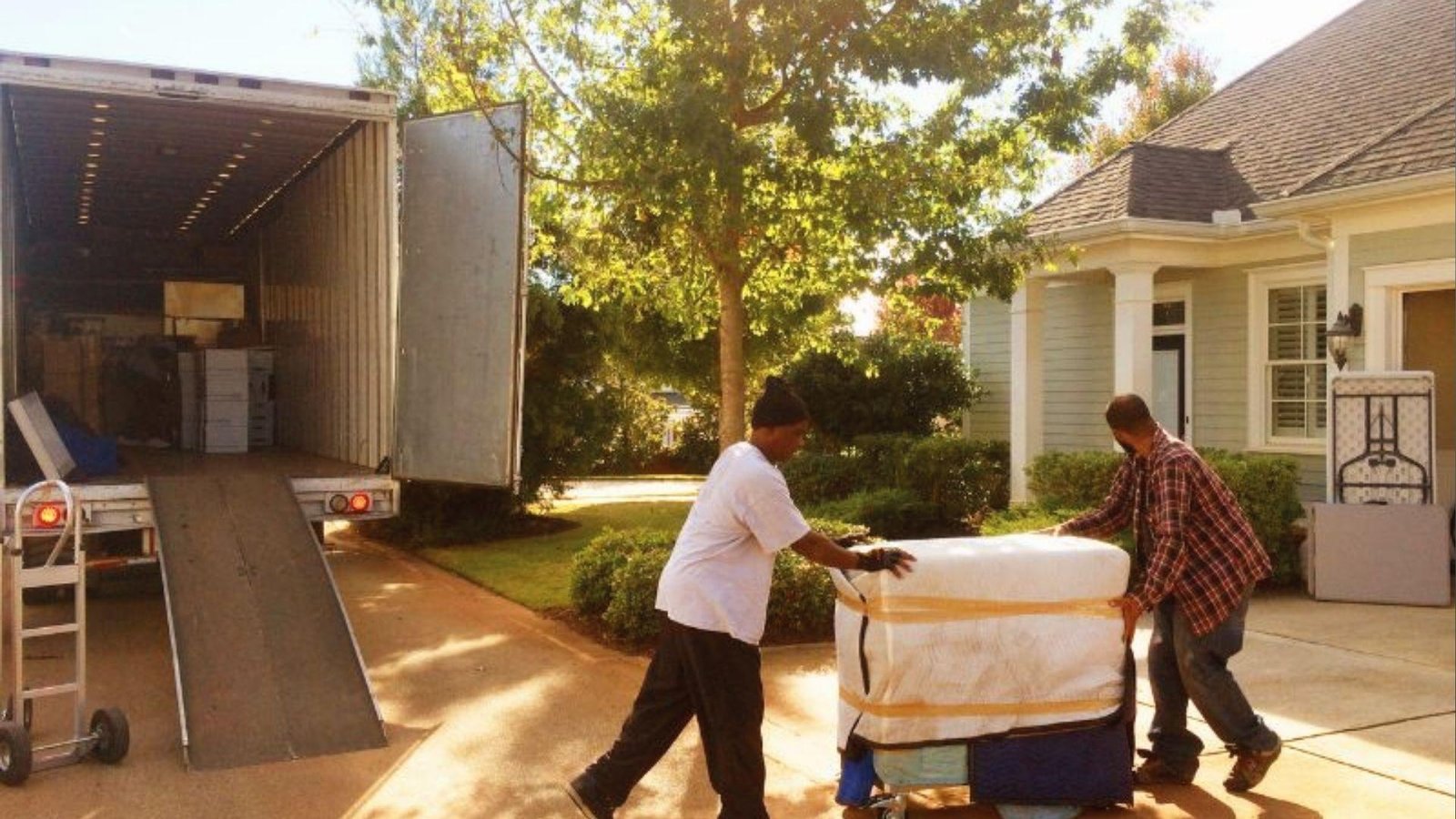


Moving a couch without proper wrapping is a risk you do not want to take. Scratches, tears, and broken legs are more common than you think.
This guide covers exactly how to wrap a couch for moving, step by step. You will find the right materials, the correct order of steps, and tips that actually work.
I have seen firsthand how a little preparation saves a lot of regret. Whether it is a short local move or a long haul, this guide has you covered.
Supplies Needed for How to Wrap a Couch for Moving

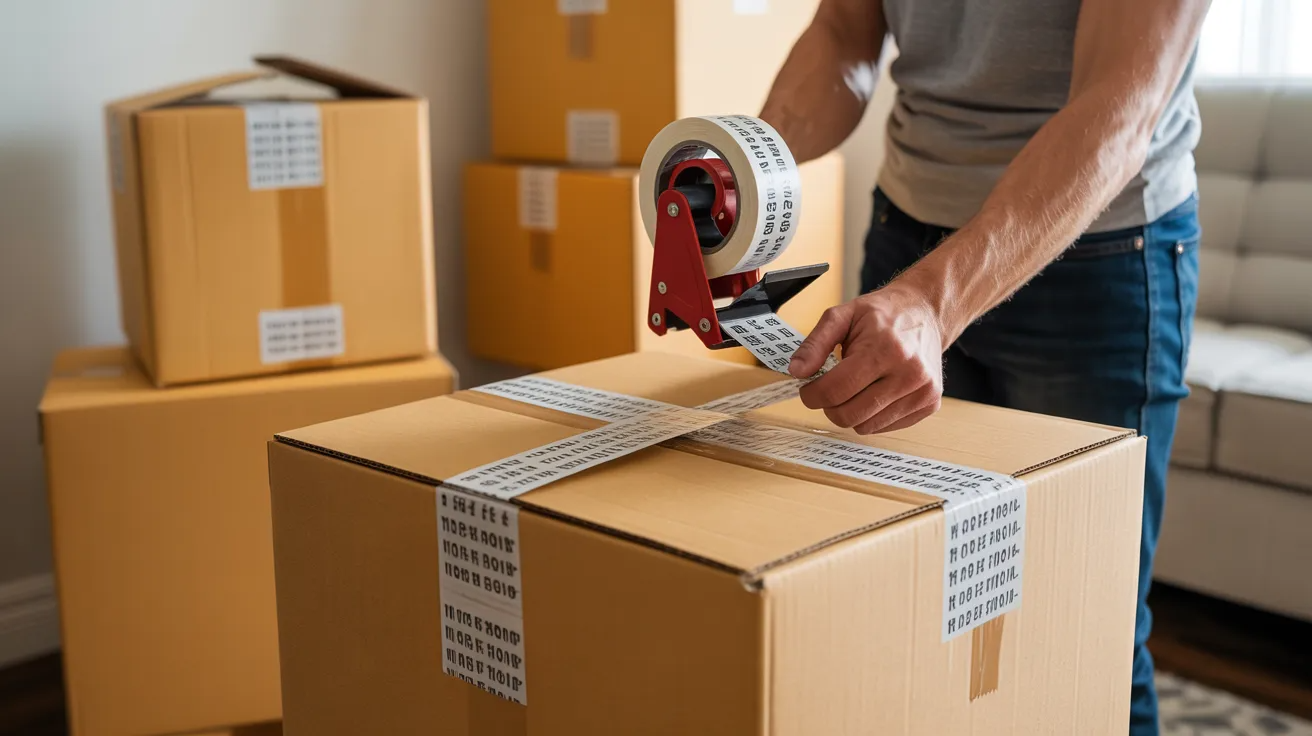
Before you start wrapping, gather everything you need in one place. The basics include moving blankets, plastic stretch wrap, and packing tape.
Moving blankets cushion the couch against bumps and friction. Stretch wrap locks the blankets in position during transit.
Packing tape seals loose ends without touching the couch surface. For disassembly, keep a screwdriver, zip-lock bags, and labels nearby.
Optional items like bubble wrap, corner guards, and furniture covers add extra protection, especially for longer moves or fragile sofas.
Having everything ready before you start saves time and prevents mistakes.
Step-by-Step Guide on How to Wrap a Couch for Moving
Follow these steps in order and your couch will arrive at the new place in the same condition it left.
Step 1: Clean and Inspect the Couch

Wipe down the frame and vacuum the surface before wrapping. Dirt trapped under blankets can scratch the material during transit. Take photos of any existing damage for your records.
Step 2: Disassemble Removable Parts

Remove cushions, legs, and any electrical components before you start. Store all screws and hardware in labeled zip-lock bags right away. This reduces the couch size and makes wrapping much easier.
Step 3: Measure and Plan the Wrapping Process

Measure the couch and all doorways, hallways, and the truck entrance before moving day. Knowing the numbers ahead of time prevents getting stuck mid-move. Plan the exit angle and which side goes out first.
Step 4: Cover the Couch with Moving Blankets

Drape moving blankets over the entire couch from top to bottom. Cover the arms, back, and base with no gaps. Use multiple blankets and overlap them for full coverage.
Step 5: Secure with Plastic Stretch Wrap

Start from the bottom and spiral the stretch wrap upward around the full couch. Apply at least two to three full layers to lock the blankets in place. Give corners and edges a few extra rounds.
Step 6: Reinforce Fragile and Exposed Areas

Add bubble wrap around the legs, corners, and any wooden parts before final wrapping. These spots take the most impact during a move. Corner guards add even more protection if you have them.
Step 7: Seal, Label, and Prepare for Transport

Tape all loose ends of the wrap securely, but never directly on the fabric or leather. Mark which end is up and note any fragile sections on the outside. This helps anyone handling the couch know exactly what to watch for.
How to Wrap Different Types of Sofas for Moving

Every sofa is built differently, so the way you wrap it should match its material and structure.
How to Wrap a Fabric Couch Safely
Always start with a clean, dry surface to avoid mildew under the wrapping. Place moving blankets as the first layer before applying stretch wrap.
Direct stretch wrap on fabric can leave marks or pull at the fibers over time.
How to Protect a Leather Couch During Moving
Never put stretch wrap directly on leather as it can scuff or mark the surface. Use a soft moving blanket or furniture cover as the first layer.
Keep the couch away from sharp edges and avoid placing heavy items on top during transport.
How to Wrap Sectional Sofas and Recliners
Separate each section of a sectional sofa and wrap every piece on its own. For recliners, lock the mechanism in the closed position before wrapping.
Use stretch wrap to hold the recliner shut so it stays in place throughout the move.
How to Handle Antique or Delicate Couches
Use extra layers of moving blankets on fragile or antique pieces with care. Wrap all exposed wood with bubble wrap before the final layer goes on. Avoid stacking anything on top and keep it secured on all sides in the truck.
Common Mistakes to Avoid When Wrapping a Couch
Small errors during wrapping can lead to big damage during the move.
- Never skip moving blankets and go straight to stretch wrap as it offers zero cushioning
- Avoid taping directly on fabric or leather as it leaves residue or pulls the surface
- Always remove legs and cushions before wrapping or they can shift and cause frame damage
- Do not wrap a damp couch as moisture sealed inside plastic leads to mold fast
- Poor lifting and dragging without proper support can stress the frame even through good wrapping
Final Checklist Before Moving Your Wrapped Couch
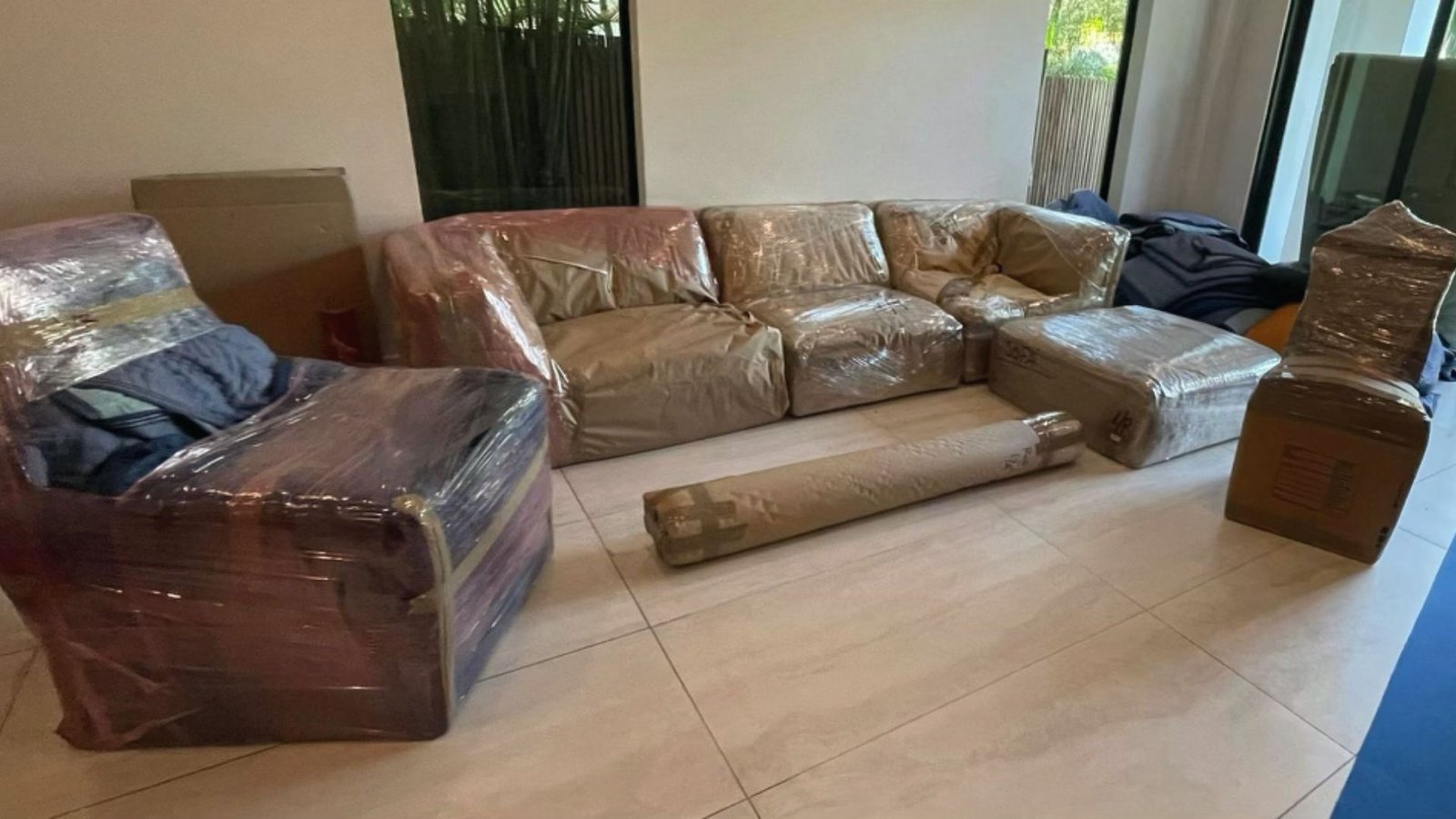
Run through this checklist before loading to make sure nothing gets missed.
Confirm All Layers Are Secure and Tightly Wrapped
Go over the entire couch and press down on any loose sections of wrap. Make sure the plastic film, moving blankets, and tape are all holding firmly in place.
Nothing should be shifting or coming loose before the couch reaches the truck.
Double-Check Fragile Areas and Corner Protection
Give extra attention to the arms, corners, and legs of the couch. These are the spots most likely to take impact during loading and transport.
Make sure padding is thick enough and secured with tape on all vulnerable edges.
Ensure All Loose Parts Are Labeled and Attached Safely
Any removable cushions, legs, or hardware should be wrapped separately and clearly labeled. Keep small parts like screws or bolts in a sealed bag and tape it directly to the couch frame.
Losing small pieces during a move is more common than most people expect.
Verify the Couch Is Ready for Safe Loading Into the Truck
Do a final visual check of the entire couch before it leaves the room. Confirm there are no exposed fabric areas, loose ends of wrap, or unprotected sections.
Once everything looks solid, the couch is ready to load safely into the truck.
Tips on How to Wrap a Couch for Moving Safely
A few smart moves at the right moment can protect your couch through even the toughest moves.
- Add an extra blanket layer for long-distance moves where the couch stays in the truck overnight
- Use ratchet straps to anchor the couch firmly against the truck wall so it cannot shift
- Tilt the couch on its side or end to pass through narrow doors without forcing it
- Wrap stretch wrap in two full passes instead of one for better hold on all sides
- Place soft items like mattresses or bedding bags against the couch sides inside the truck
Conclusion
You now have everything you need to wrap a couch for moving the right way. From gathering supplies to loading the truck, every step plays a role in keeping your couch safe.
I have seen rushed moves end with scratched leather and broken legs, and it is never worth the saved time.
Take the extra thirty minutes, wrap it properly, and you will have zero regrets. Found this helpful? Share it with someone who has a move coming up or drop a comment below.
Frequently Asked Questions
What is the best way to wrap a couch for moving?
Cover the couch fully with moving blankets first, then wrap plastic stretch wrap tightly over them. This combination gives both cushioning and stability throughout the move.
Should couch legs be removed before wrapping?
Yes, always remove the legs before you start wrapping. It reduces the overall size, prevents leg damage, and makes the whole process much easier.
How many layers are needed for safe protection?
One full layer of moving blankets and two to three rounds of stretch wrap work well for standard moves. Add an extra blanket layer for long-distance relocation.
Can I move a couch without wrapping it?
You can, but the couch will be exposed to scratches, dirt, and impact damage from the moment it leaves the door. Wrapping takes little time and prevents costly repairs.
Does weather affect how I should wrap my couch?
Yes, in humid or rainy conditions always make sure the couch is dry before wrapping. Use a breathable cloth layer closest to the surface to prevent moisture buildup and mold.