I once packed an entire apartment worth of stuff only to watch a box bottom fall out in the middle of the hallway.
Everything inside? Broken. That one mistake taught me how much proper taping actually matters.
If you're getting ready to move, this post is for you.
I'll show you how to tape moving boxes the right way, which tape to use, which methods work best for heavy loads, and the common mistakes that cause boxes to fail.
Follow these steps and your boxes will hold up from start to finish.
Why Proper Box Taping Is Important for Moving
Taping your boxes the right way is one of the most important steps in a safe move.
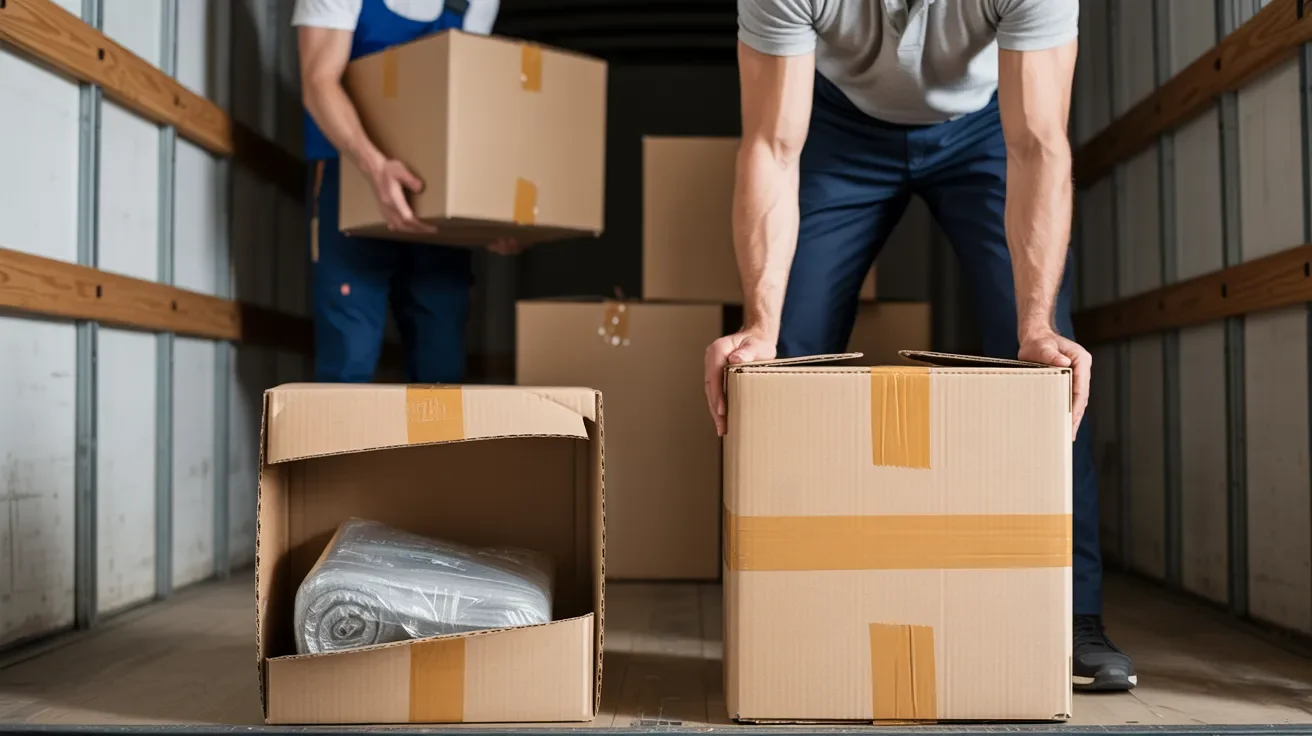
A poorly taped box can fail mid-lift, spill its contents, or collapse under the weight of other boxes stacked on top.
Good taping keeps boxes closed during lifting, loading, and transport. It protects fragile and heavy items from shifting or breaking.
It also makes boxes safer to carry and easier to stack in a moving truck. Skip this step or rush through it, and even a well-packed box can let you down at the worst moment.
Preparing the Box Before Taping
Before you apply a single strip of tape, the box needs to be in good shape and properly set up.
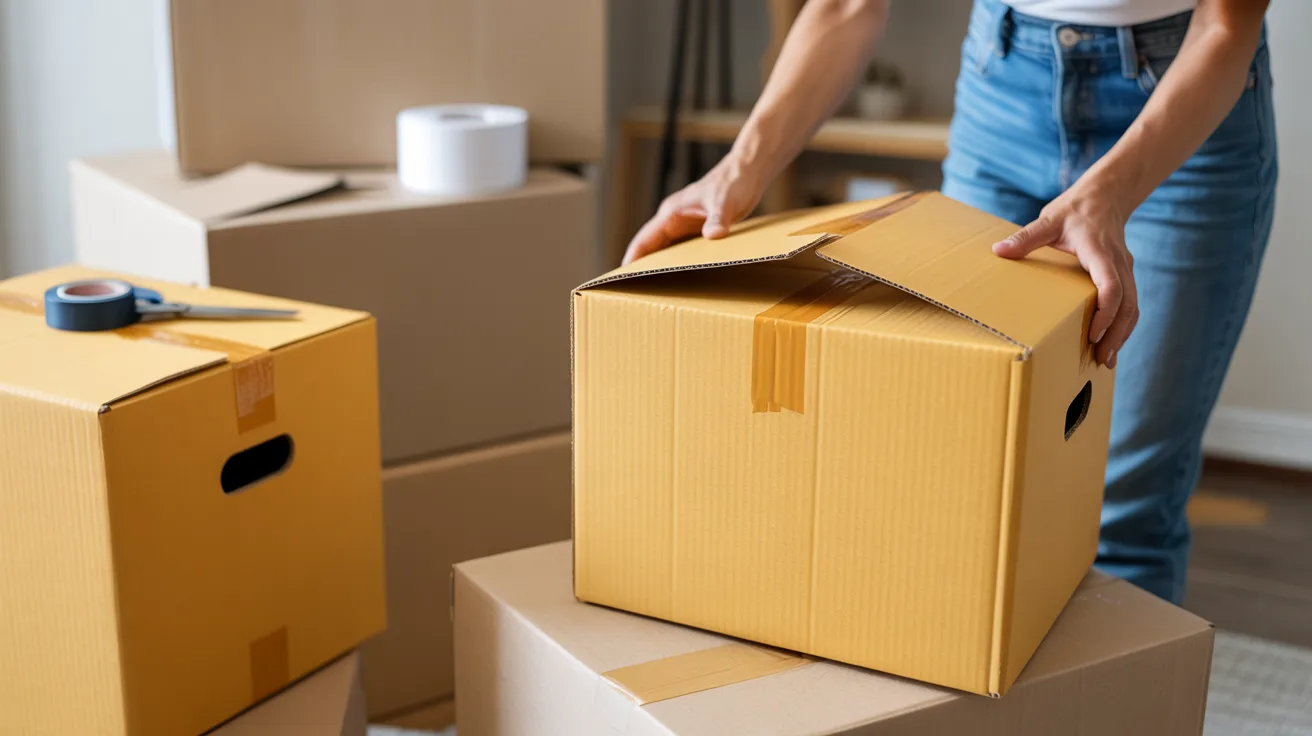
Inspecting the Box for Strength: Check every box before you use it. Look for tears, soft spots, and weak corners.
A damaged box will fail no matter how well you tape it. Replace it if it looks questionable.
Properly Folding the Flaps: Fold the two small flaps inward first. Then bring the larger flaps down on top to create a flat surface.
Never tape over uneven flaps. It weakens the seal and leaves gaps where the box can split.
Choosing the Right Tape for Moving Boxes
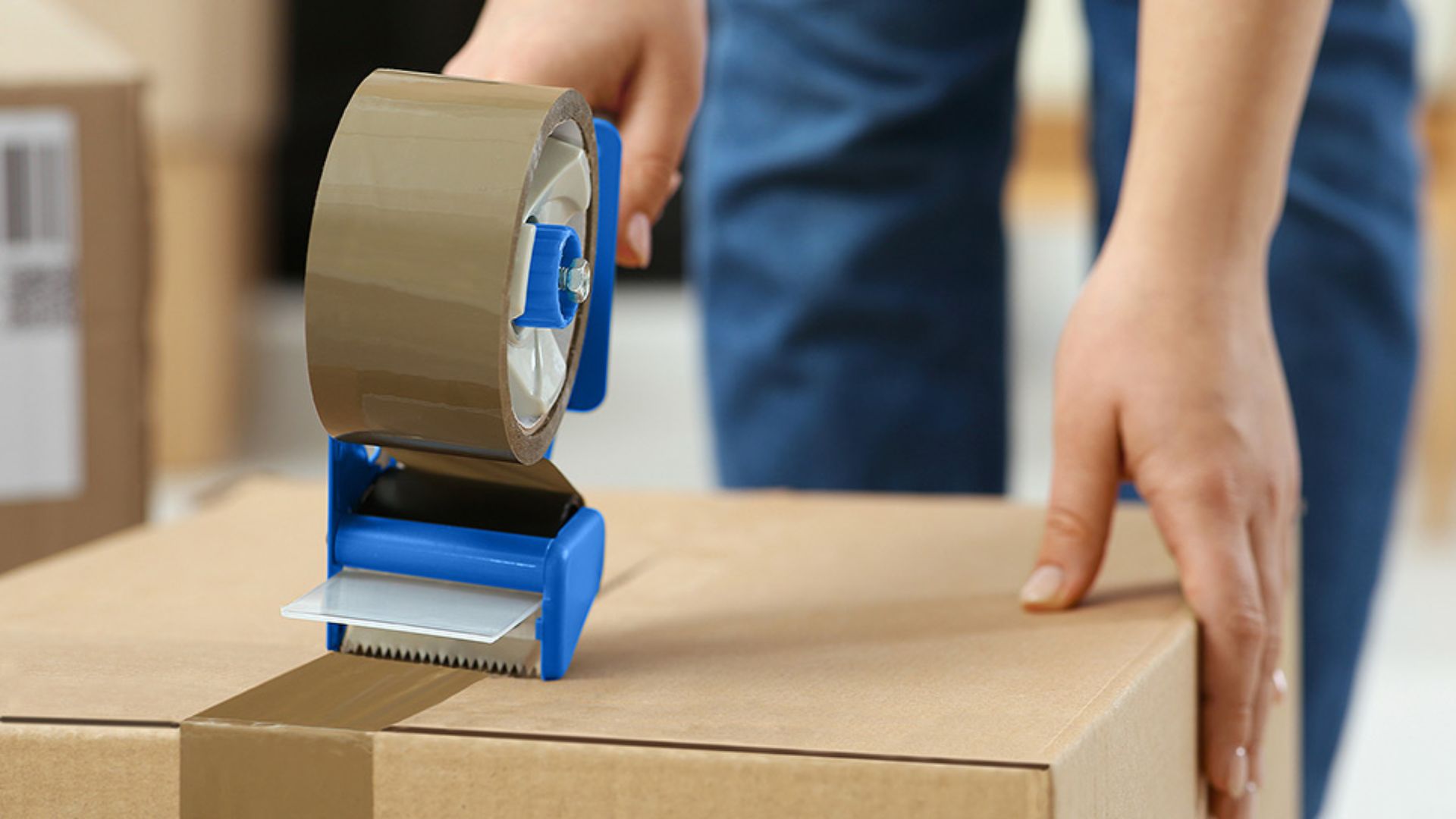
Not all tape is made for moving. Using the wrong type is one of the easiest ways to end up with a failed box.
Best Tape Options for Strong Sealing
Standard packing tape bonds well to cardboard and holds up through lifting and stacking.
Heavy-duty packaging tape is the better choice for heavier boxes filled with books or dishes. It's thicker and less likely to peel under pressure.
Both are affordable and easy to find at any hardware store.
Tapes You Should Avoid
Masking tape is too weak for any real weight. Regular scotch tape is made for paper, not moving boxes.
Duct tape feels strong but loses its grip on cardboard over time, especially in heat. Stick to proper packing tape.
The difference in holding strength is significant, and it's not worth risking a box that won't last through the move.
Step-by-Step Instructions: How to Tape Moving Boxes Securely
Follow these steps in order and your boxes will be solid from bottom to top.
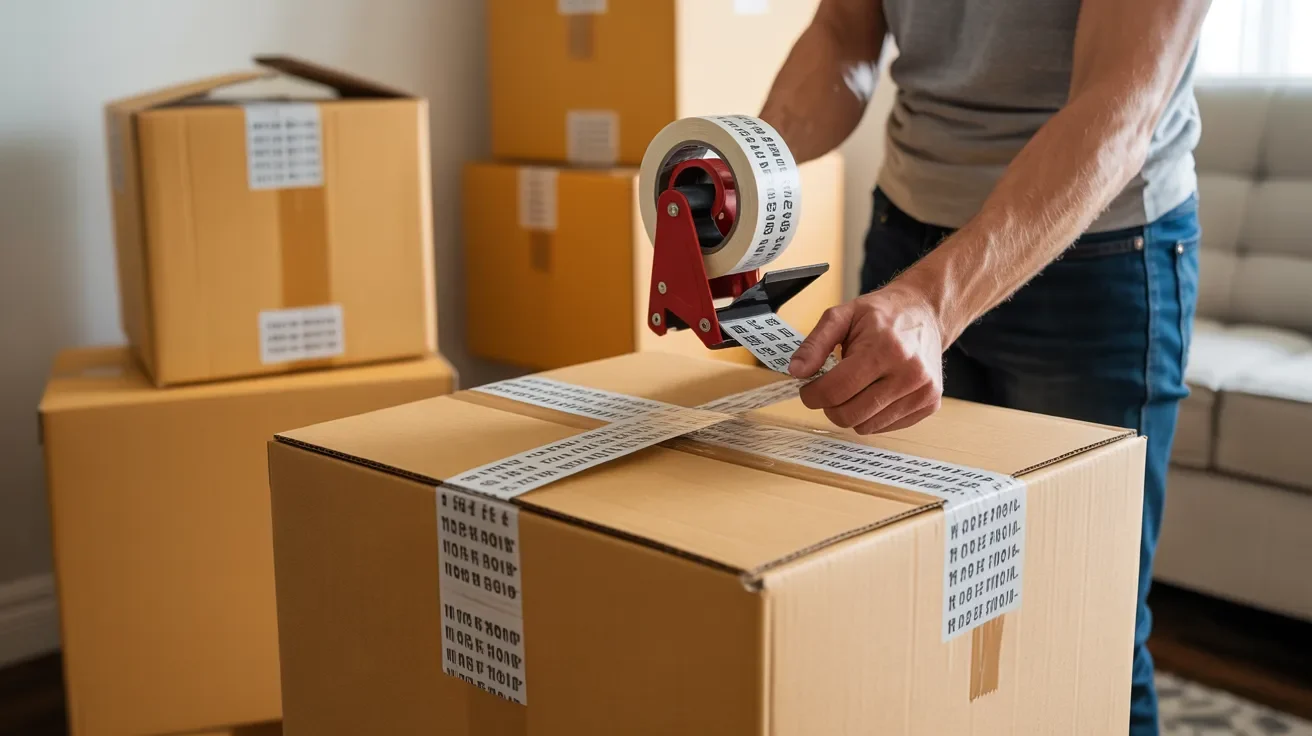
Step 1: Seal the Center Seam
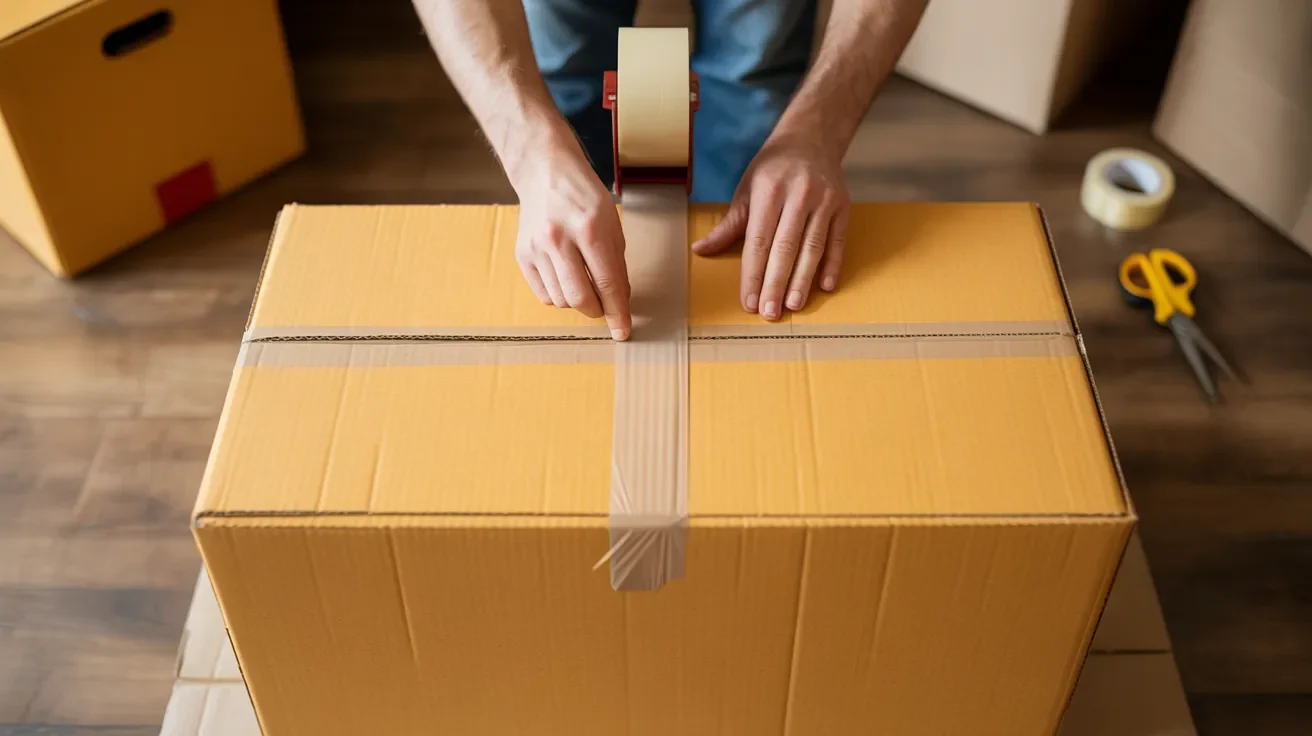
Place the box on a flat surface with the bottom flaps folded down. Pull a long strip of packing tape and run it straight along the middle seam where the two large flaps meet.
Press down firmly as you go so the tape bonds fully to the cardboard. Extend the tape slightly up both sides of the box.
This extra bit of tape anchors the seal and stops the seam from splitting when the box is lifted. This is your first and most basic line of protection.
Step 2: Reinforce the Side Edges
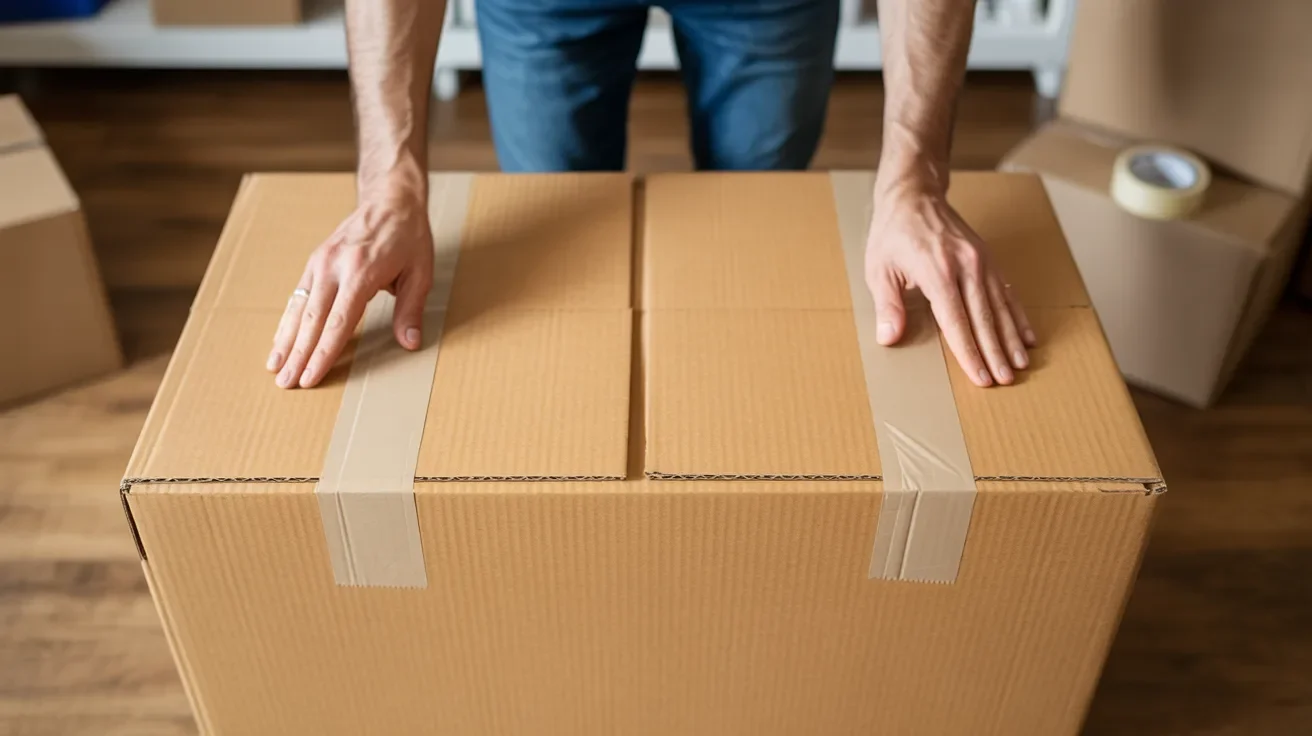
Once the center seam is sealed, add a strip of tape along each side edge where the flaps meet the walls of the box.
These edges are a common weak point. When a box is lifted, the sides take a lot of stress. Taping these edges stops the box from splitting outward during handling.
This step takes less than a minute and adds a noticeable amount of strength to the overall structure of the box.
Step 3: Apply the H-Taping Method
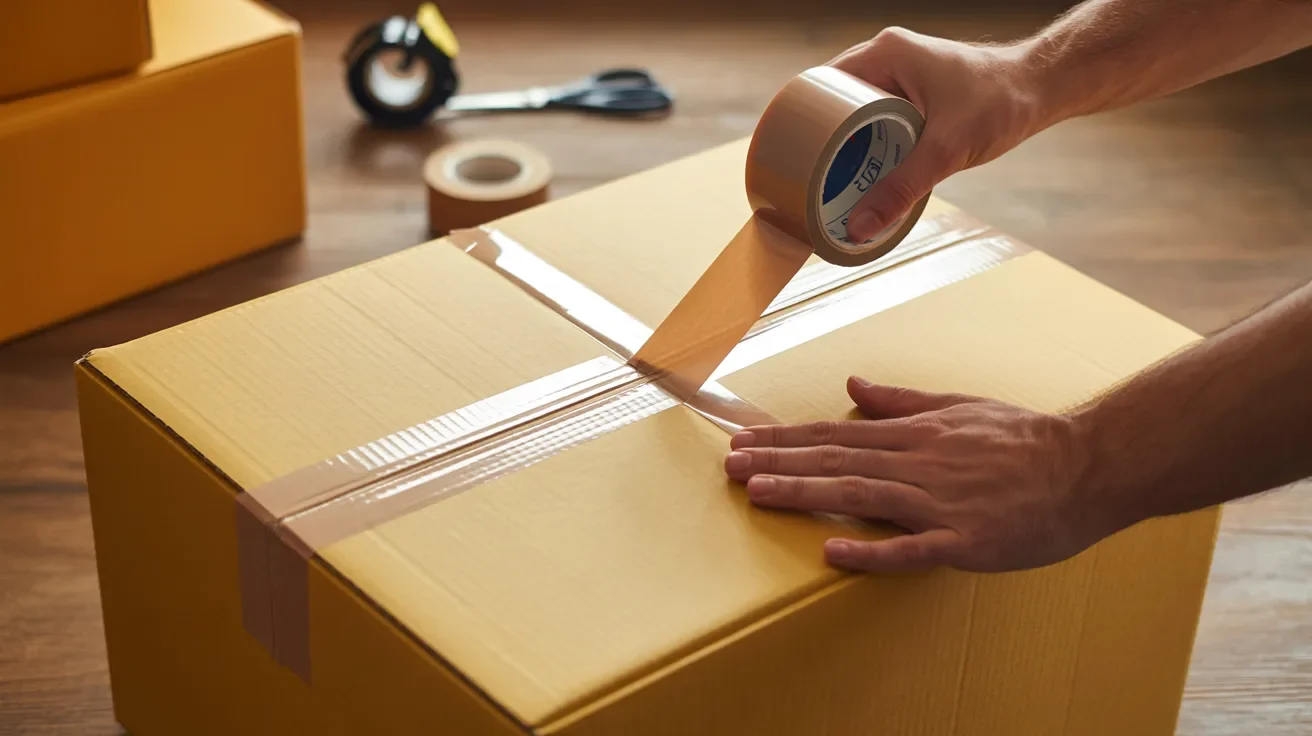
This is the most important step. Start with your center seam tape already in place. Then add one vertical strip of tape down the left side of the box bottom and one down the right side.
These two strips run perpendicular to the center strip and create an "H" shape across the bottom.
This H-tape method locks all the weak points at once and gives the box maximum stability at the base. It's the method professional movers use for heavy loads.
Step 4: Double-Tape for Heavy Items
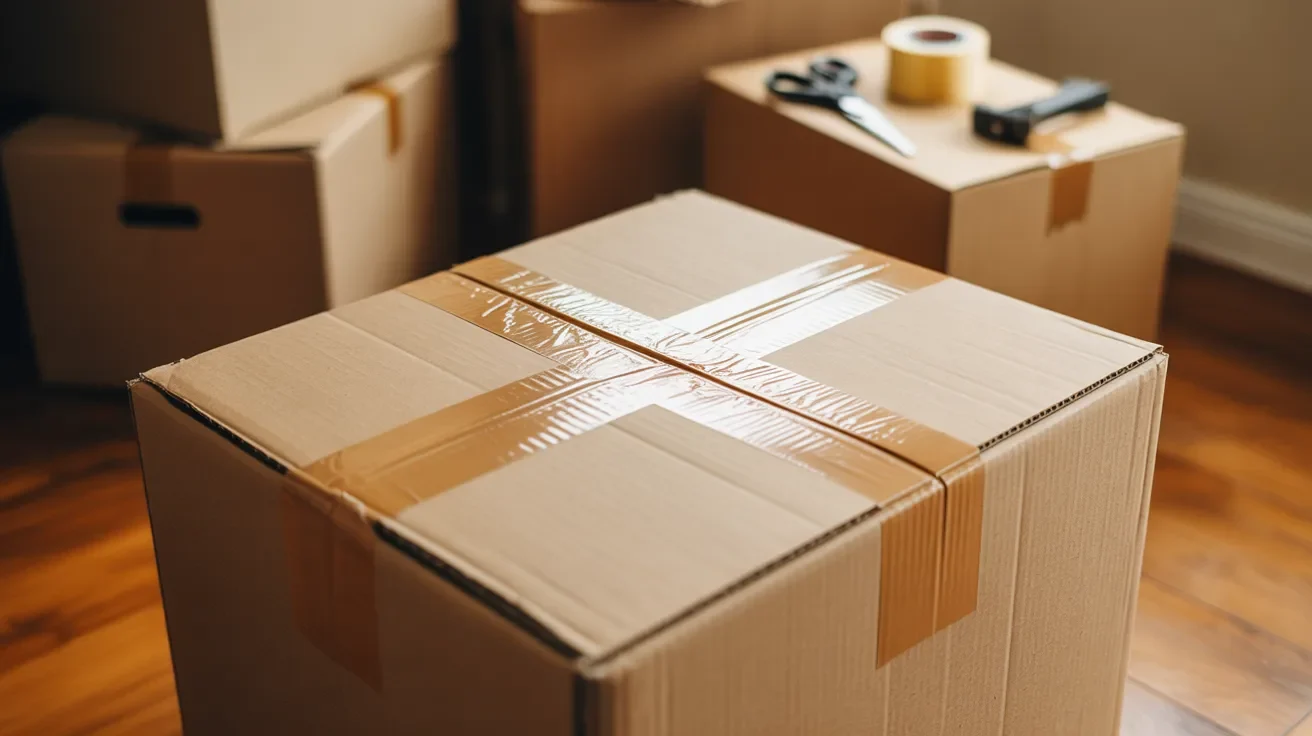
If the box contains books, dishes, tools, or any other dense items, add a second full layer of tape over the center seam.
Run it directly over the first strip. This doubles the strength at the most vulnerable point on the box. Never skip this step for heavy boxes.
A single layer of tape may hold during packing but fail the moment someone lifts the box off the ground. Two layers gives you real confidence that the base won't give out.
How to Tape the Top of the Box Properly
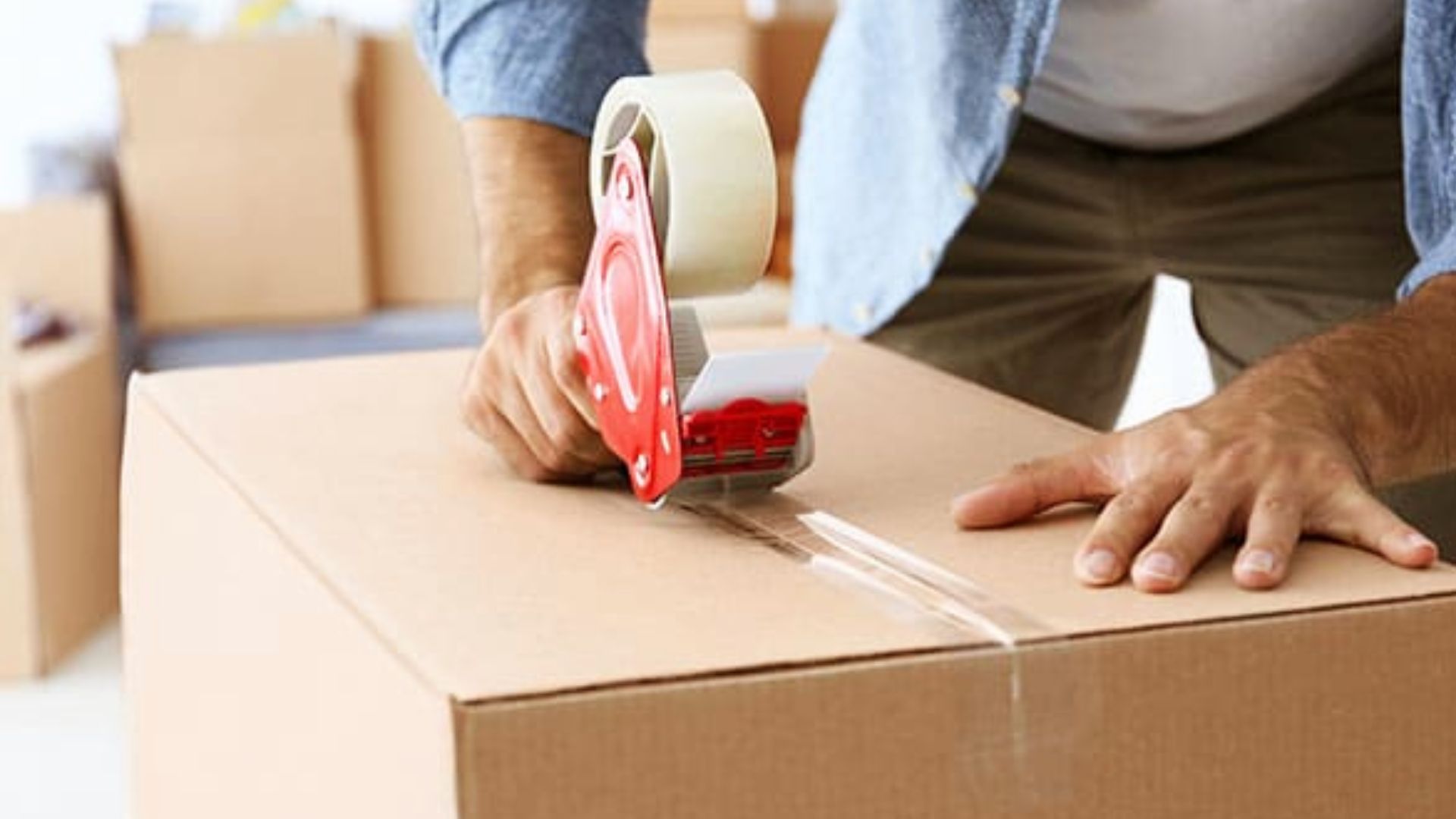
The top of the box needs just as much attention as the bottom.
Once your box is packed and ready to close, fold the flaps the same way you did at the bottom, small ones first, then large ones on top.
Apply the same H-tape method across the top. Press each strip down firmly and make sure the flaps are tight before sealing.
For heavier boxes, add one more strip directly over the center seam.
This keeps the top from bowing open during stacking and makes the box easier to handle from above without anything shifting inside.
Common Mistakes to Avoid
Most box failures come down to a few simple errors. Here's what to watch out for:
- Only taping the center seam without reinforcing the side edges leaves the box open to splitting under weight
- Using low-quality or wrong tape leads to peeling mid-move, especially in warm or humid conditions
- Ignoring box weight limits causes even well-taped boxes to burst at the bottom when overfilled
- Skipping the H-tape method on heavy boxes means the base has no real structural support
- Taping over uneven flaps creates weak spots and air gaps that reduce the tape's holding strength
Check each box before you move it. A quick look can catch a problem before it becomes a mess on moving day.
Conclusion
A failed box at the wrong moment can ruin an entire move. I know because it happened to me.
The good news is that a few simple taping steps make all the difference.
Use the H-tape method, choose the right tape, and double up on anything heavy. Your boxes will hold up from start to finish.
Try it on your next move and leave a comment below telling me how it went. Share this post with someone who is packing up and could use a hand.
Frequently Asked Questions
What is the best tape to use for moving boxes?
Standard packing tape or heavy-duty packaging tape gives the strongest hold on cardboard.
How many layers of tape should I use on a moving box?
One layer works for light boxes, but heavy boxes need at least two layers over the center seam.
What is the H-taping method?
It's a taping pattern that forms an "H" shape across the box bottom to lock all weak points and add maximum strength.
Can I reuse old moving boxes?
You can, but inspect them first and replace any box with tears, soft spots, or weak corners.
How do I tape the top of a moving box?
Use the same H-tape method as the bottom, pressing flaps flat before sealing, and add an extra strip for heavy boxes.