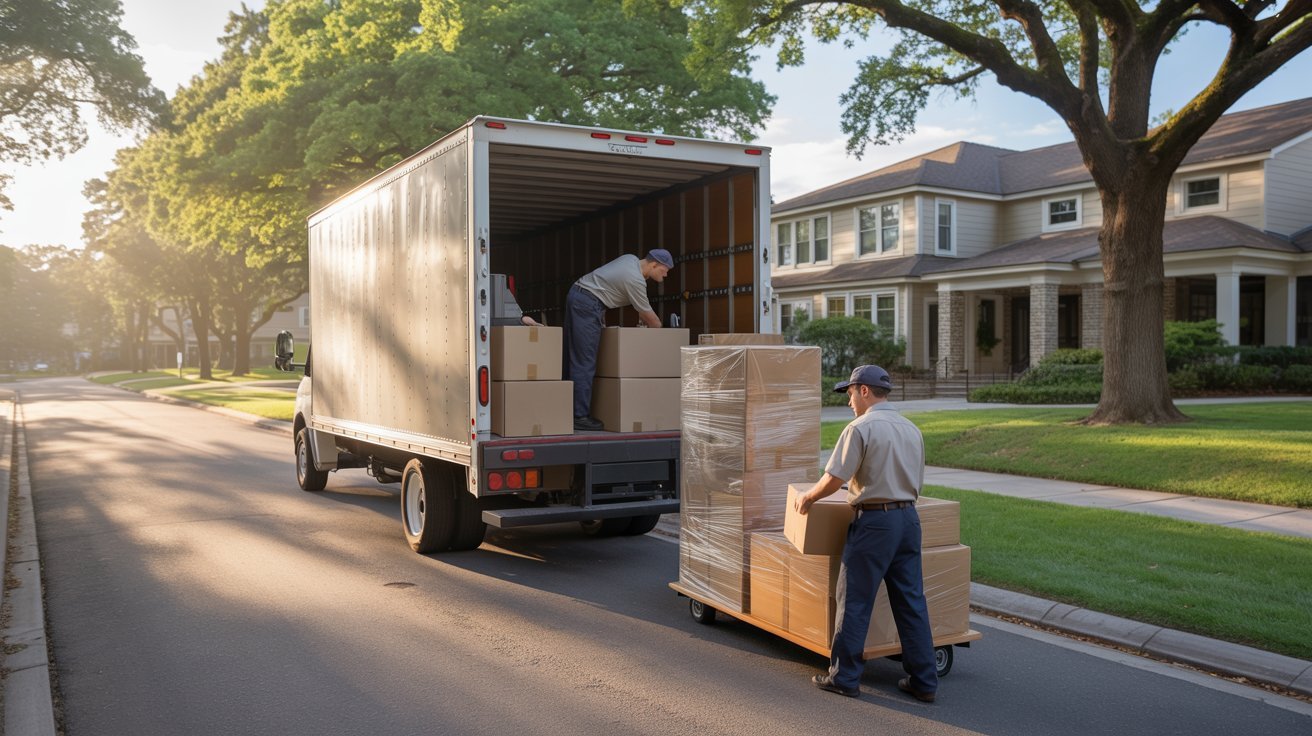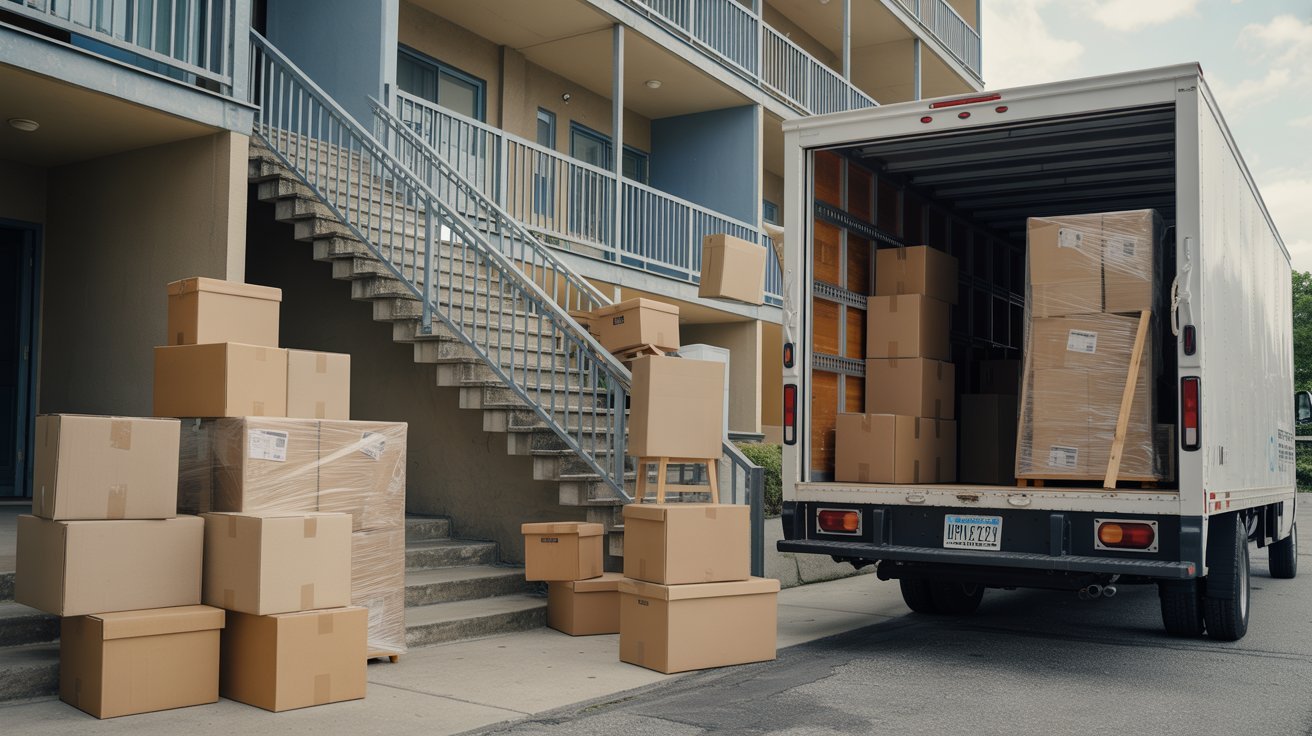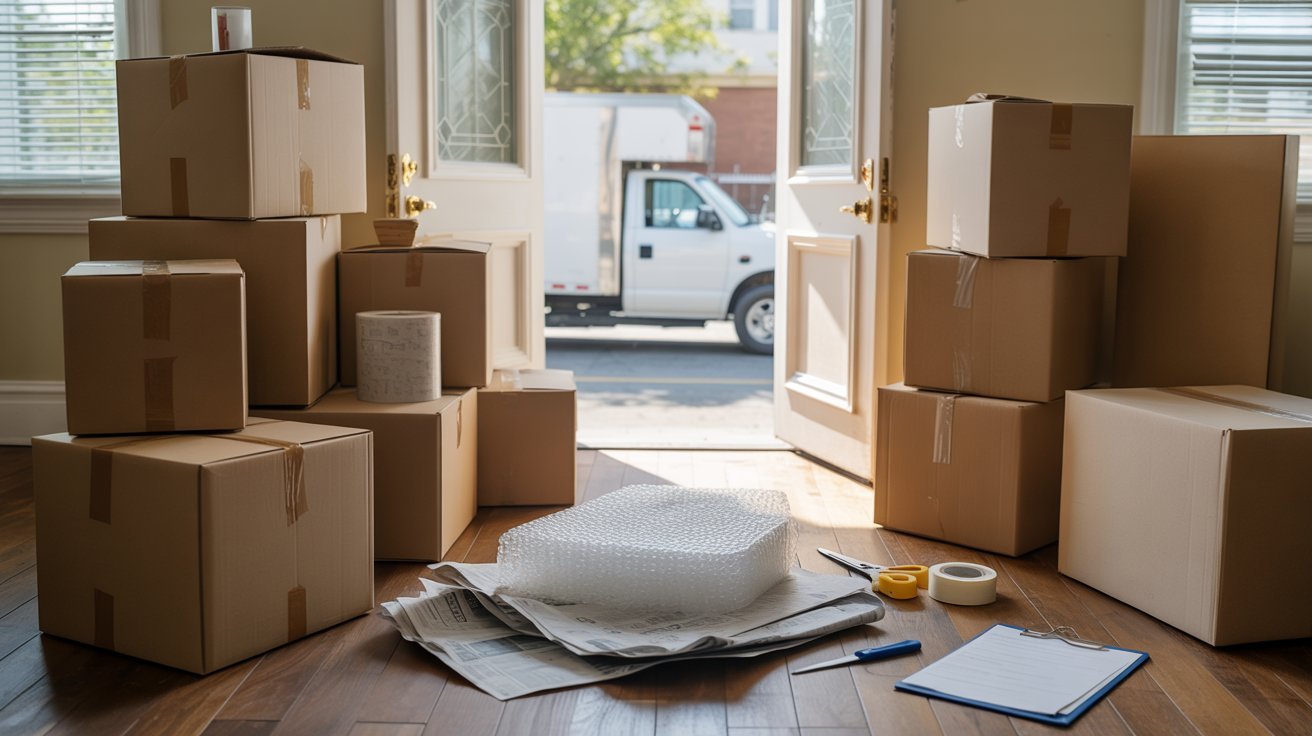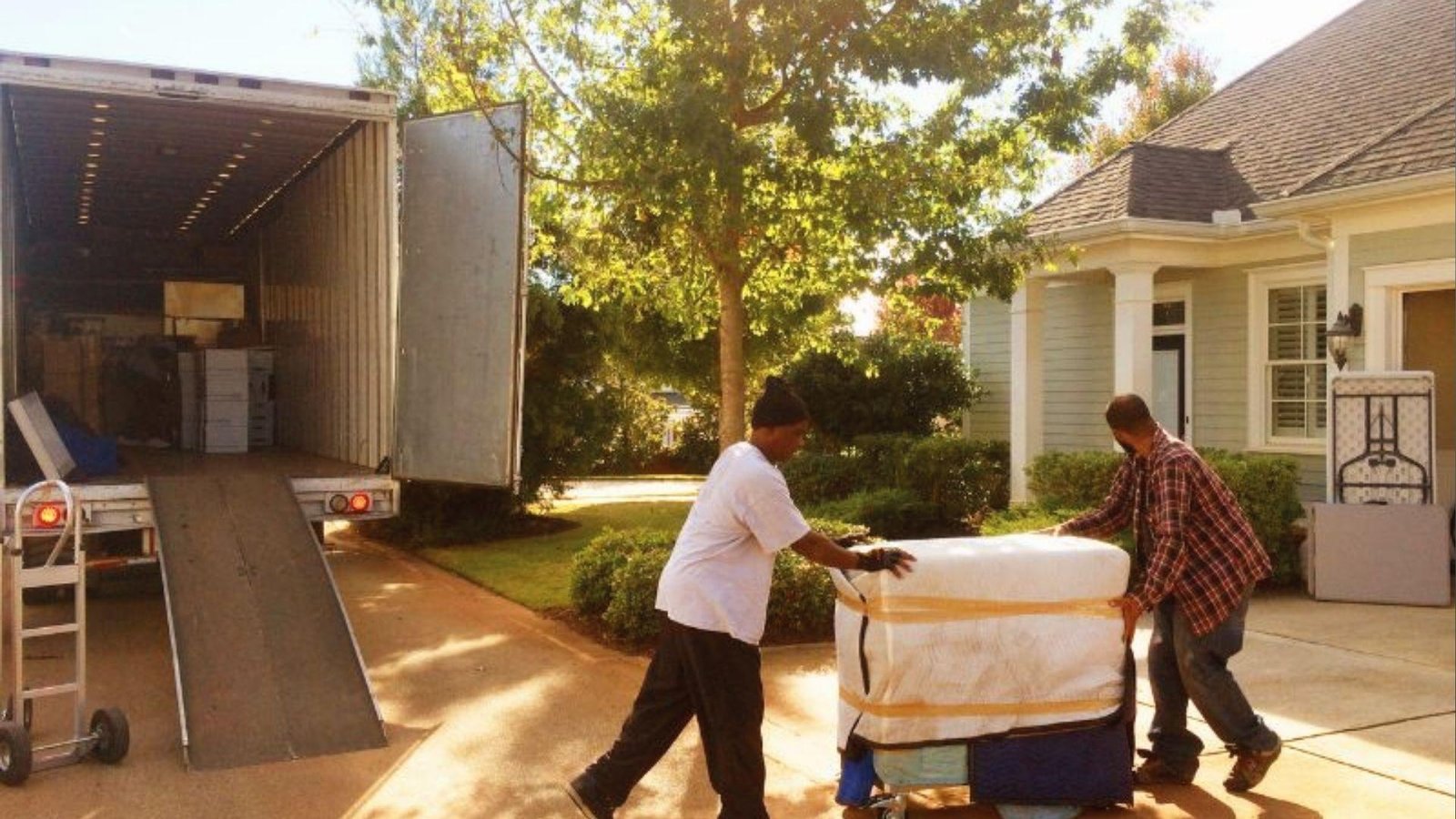

Moving to another state is a big deal, and I know the stress of not knowing where to start is very real. I've been through it myself.
This guide breaks everything down for you, from budgets and checklists to picking the right movers. I'll walk you through each step so nothing catches you off guard.
With years of research and hands-on experience behind this, you can trust what you read here. Let's make your interstate move as smooth and simple as possible.
What to Know Before Moving to Another State

Before you pack a single box, understand what moving to another state will really cost you.
Housing prices vary widely, and moving from California to Texas, for example, can cut rent nearly in half. A higher salary doesn't always mean more take-home pay once cost of living adjustments kick in.
Some states like Florida and Texas have no income tax, while others carry high property taxes. Climate shifts can also affect your daily life more than you'd expect.
If you have kids, check school ratings on GreatSchools.org and look into nearby hospitals. Know your numbers and your neighborhood before you commit.
Step-by-Step Guide for Moving to Another State
A clear, step-by-step plan makes the whole process less overwhelming and keeps you on track from start to finish.
Step 1 – Research Your New State and Neighborhoods

Spend at least 2 to 4 weeks researching. Use Google Maps, YouTube neighborhood tours, and local Facebook groups. If you can, visit in person before signing any lease or buying a home.
Step 2 – Create a Realistic Moving Budget

List every possible cost:movers, packing supplies, travel, deposits, and setup costs. Add a 10 to 15% buffer for surprise expenses. Use a spreadsheet to track every dollar.
Step 3 – Secure Job and Housing in Advance
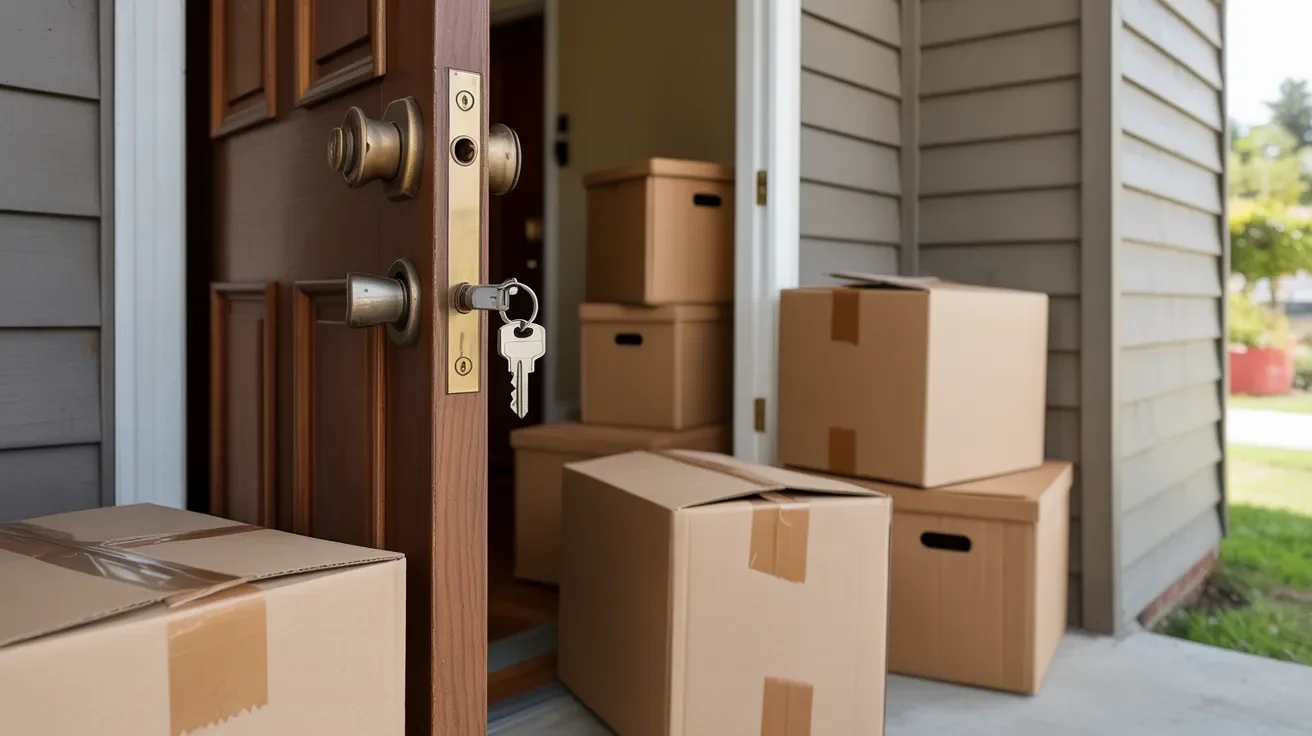
Don't move without a plan. Secure remote work or a job offer first. Sign a lease or close on a home before your move date. Temporary housing like extended-stay hotels is a backup, but plan ahead.
Step 4 – Plan Your Moving Method and Timeline

Decide early: full-service movers, renting a truck, or portable containers. Book at least 6 to 8 weeks in advance for peak seasons (May through September). Set a firm moving date and work backward.
Step 5 – Declutter and Start Packing Early

Sell, donate, or trash what you don't need. Fewer items mean lower moving costs. Start packing non-crucials 4 to 6 weeks out. Label every box by room and priority.
Step 6 – Complete Legal and Address Changes

Update your address with USPS, your bank, and subscription services. Transfer your driver's license within 30 to 60 days of arrival (rules vary by state). Register your vehicle in the new state too.
Step 7 – Prepare for Moving Day and Travel
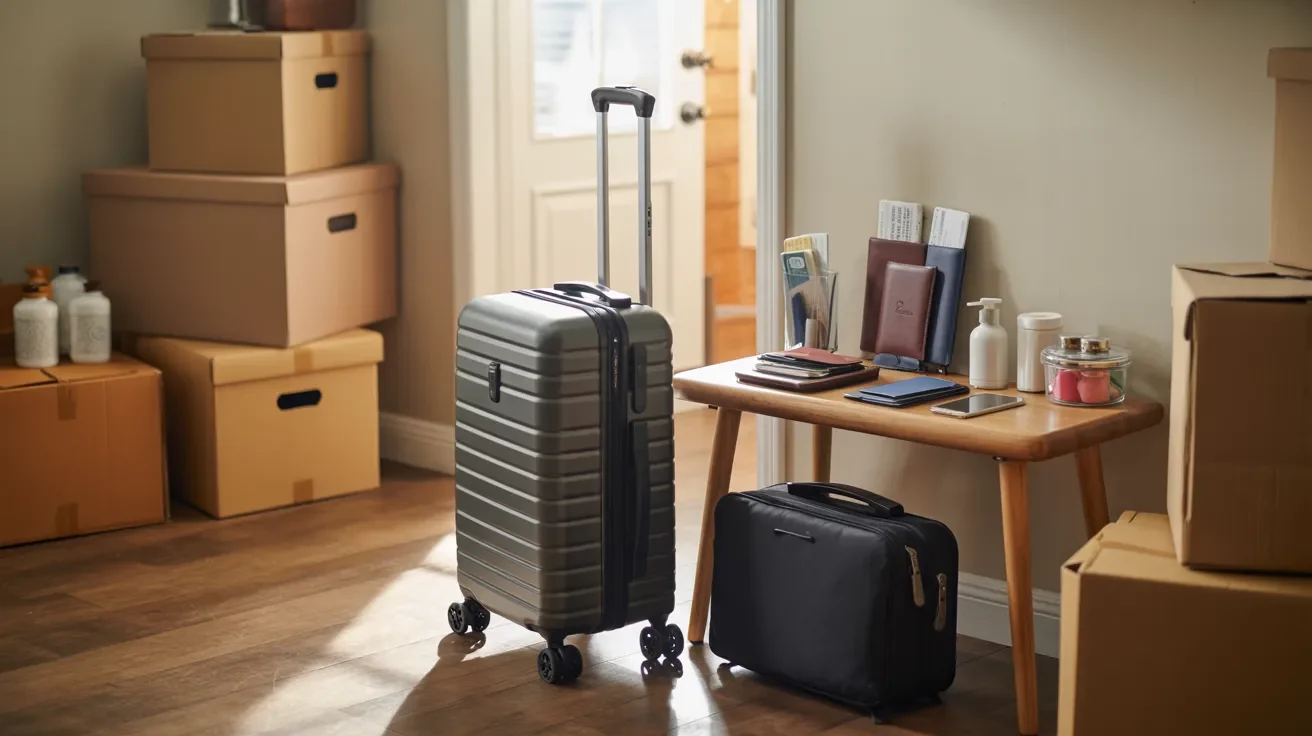
Pack a "first night" bag with toiletries, chargers, a change of clothes, and important documents. Confirm mover arrival times the day before. Plan your travel route and book hotels if it's a long drive.
Step 8 – Set Up Utilities and Settle In

Schedule utility connections before moving day. This means electricity, gas, water, and the internet. Set up your new address at the post office and give yourself 2 to 4 weeks to fully settle in without pressure.
Cost Breakdown of Moving to Another State

Understanding real moving costs helps you budget smartly and avoid being caught off guard by unexpected bills.
Average Moving Costs by Method
Knowing what each moving method costs helps you pick the option that fits your budget best.
| Method | Estimated Cost |
|---|---|
| Full-service movers | $2,000 – $7,500+ |
| Rental truck (DIY) | $500 – $2,000 |
| Portable containers | $1,000 – $4,000 |
| Freight shipping | $700 – $2,500 |
Costs depend on distance, home size, and time of year.
Hidden Expenses to Watch For
These are the costs most people forget to plan for until they show up on the bill.
- Packing materials and boxes
- Storage fees if there's a gap between move-out and move-in
- Travel costs including gas, food, and hotel stays
- Pet transport or boarding fees
- New state vehicle registration and license fees
Ways to Reduce Moving Costs
Move during off-peak months like fall or winter. Get at least 3 moving quotes. Sell heavy furniture and buy new at your destination. Ask movers about military, senior, or AAA discounts.
Complete Moving Checklist for Another State

Use this checklist to stay organized and make sure nothing important slips through the cracks.
Before the Move Checklist
Everything you need to handle weeks before moving day so nothing gets missed at the last minute.
- Research new state and neighborhood
- Set a moving budget
- Get 3 moving quotes and book early
- Sort, declutter, and donate items
- Start packing room by room
- Notify employer, bank, and subscriptions of address change
- Transfer medical, dental, and school records
- Schedule utility disconnection and new connections
Moving Day Checklist
Keep this list handy on moving day to stay calm, focused, and fully prepared.
- Pack a first-night bag
- Confirm mover arrival time
- Do a final walkthrough of your old home
- Take photos of all rooms before leaving
- Keep important documents with you, not in the moving truck
After Moving Checklist
Settle into your new state the right way by ticking off these important post-move tasks.
- Update driver's license and vehicle registration
- Register to vote in new state
- Find new doctors, dentists, and schools
- Set up mail forwarding with USPS
- Introduce yourself to neighbors and explore local spots
Choosing the Right Moving Option

Picking the right moving method saves money and reduces stress when done with clear goals in mind.
Full-Service Movers vs DIY Moving
Full-service movers handle packing, loading, transport, and unloading. It's convenient but costs more.
DIY with a rental truck cuts costs significantly but requires more physical effort and planning. Choose based on your budget, timeline, and how much help you have.
Portable Storage and Hybrid Options
Portable containers like PODS or U-Pack let you load at your pace. The company transports the container. This option works well if you need flexible timing or temporary storage.
Hybrid moves combine professional help for heavy items and self-packing for the rest.
How to Compare and Choose Movers
Always get 3 written quotes. Check reviews on Google, Yelp, and the Better Business Bureau. Verify licensing through the FMCSA (Federal Motor Carrier Safety Administration).
Avoid movers who ask for large upfront deposits or have no physical address.
Smart Tips for a Smooth Interstate Move
Simple, practical tips from real experience that help you stay calm and in control on moving day and beyond.
- Start planning at least 2 months ahead and book movers early to avoid last-minute stress and higher rates.
- Use a moving binder or app to track tasks, receipts, and contacts, and set weekly goals so nothing piles up.
- Color-code boxes by room and keep a master inventory list so unpacking stays simple and stress-free.
- Take photos of electronics setups before disconnecting them, and keep a "do not pack" box for daily crucials until the last day.
- Ship books through USPS media mail since it costs far less than adding them to a moving truck.
- Always read the moving contract carefully, transfer your insurance policies, and do a full walkthrough on moving day before leaving.
Conclusion
Moving to another state feels overwhelming at first. I get it. But with a solid plan and the right checklist, it becomes manageable.
I've helped friends move across the country on tight budgets, and every single one of them figured it out. Start early, stay organized, and take it one step at a time.
You don't have to do it all at once. If this guide helped you, drop a comment below or share it with someone planning their next big move. You've got this.
Frequently Asked Questions
How far in advance should I start planning a move to another state?
Start at least 8 to 12 weeks before your move date. This gives you time to research, book movers, and handle paperwork without rushing.
What is the cheapest way to move to another state?
Renting a moving truck and doing it yourself is typically the most affordable option. Shipping items via freight or portable containers can also save money depending on your load size.
Do I need to change my driver's license when I move to a new state?
Yes. Most states require you to get a new driver's license within 30 to 60 days of establishing residency. Check your new state's DMV website for exact rules.
How do I transfer my medical records to a new state?
Contact your current doctors and request copies of your records. Most offices offer digital transfers. Ask your new providers what format they need before your first visit.
Is it better to sell furniture or bring it when moving to another state?
If the furniture is heavy, bulky, or old, selling it and buying new items at your destination often saves money. Factor in moving weight costs before deciding what to keep.