
Many people are surprised when a shipping container move quoted at $500 ends up costing closer to $2,000, and the difference usually comes down to real-world factors like access, equipment, and route complexity.
This guide explains shipping container transport cost in 2026 so you know what to expect before booking.
You’ll learn how pricing actually works, what a shipping container transport cost calculator can and cannot tell you, and the key factors that influence your final price.
It also includes real cost ranges, practical tips to reduce expenses, and how to estimate your move more accurately.
Shipping Container Transport Cost Overview (2026 Rates Explained)

Here’s a clear look at shipping container transport cost in 2026 most moves range from $300 to $5,000+, depending on distance, location, and equipment needed.
Local transport under 50 miles usually costs $300 to $900, while domestic moves are often priced at $2 to $7 per mile with minimum charges.
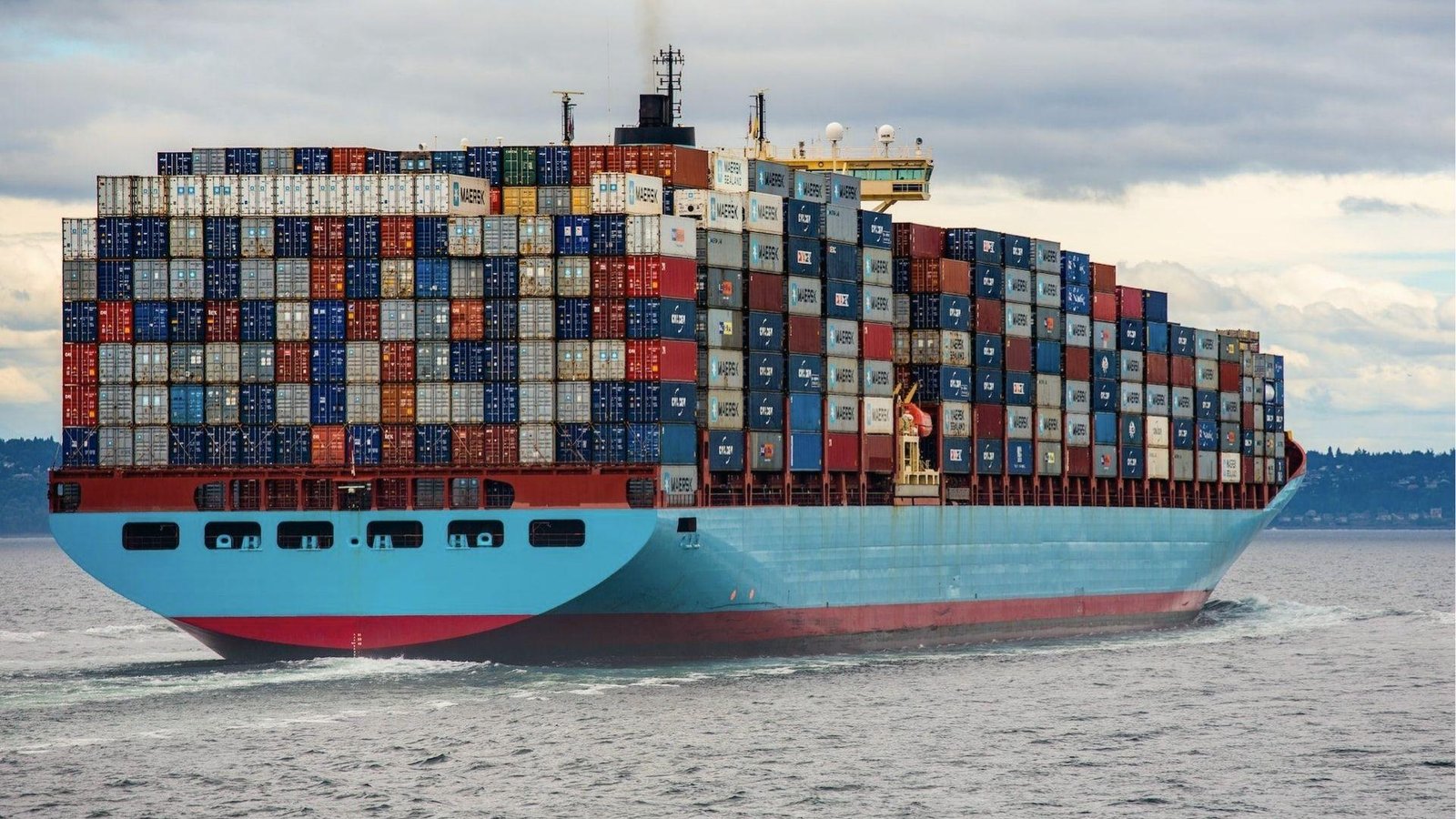
International shipping can range from $1,000 to $8,000+ due to freight, customs, and port fees.
Costs are not fixed because factors like access, container size, weight, fuel prices, and season all impact the final quote significantly.
How Shipping Container Transport Cost Is Actually Calculated (Step-by-Step)
A real breakdown of the five steps providers use to build your transport quote.
Step 1: Site Evaluation and Access Check

The provider checks if a truck can safely reach your pickup and drop-off points. This affects what equipment they'll need.
Step 2: Choosing the Right Transport Equipment

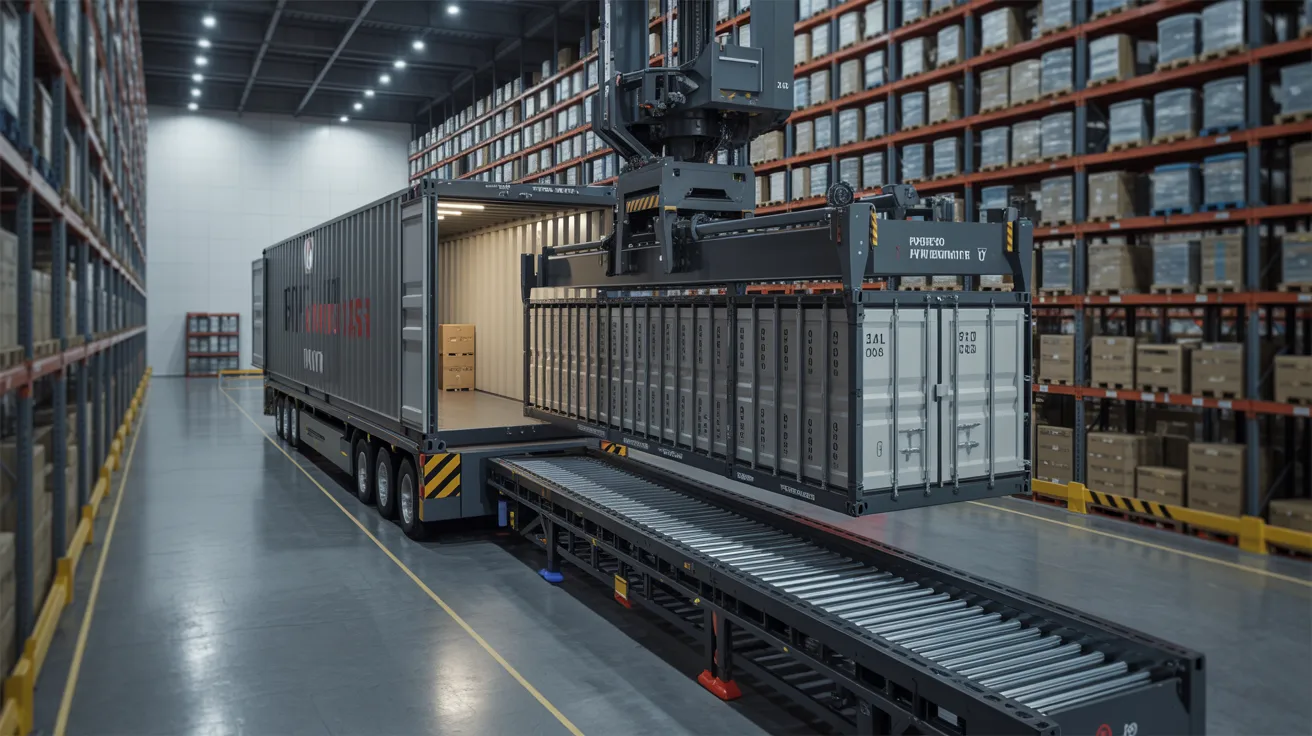
Based on access and container weight, they select a flatbed, side loader, or crane. Equipment choice directly affects the base price.
Step 3: Mileage and Route Pricing

They calculate total miles and check for any road restrictions or toll routes. Rate per mile is applied here.
Step 4: Adding Labor, Fuel, and Permits

Labor for loading and securing, fuel cost for the trip, and any required permits are added to the base rate.
Step 5: Final Quote Preparation

All costs are combined. Some providers add a margin for unexpected delays or conditions. This is your final number.
Real Shipping Container Transport Cost Breakdown

Actual cost ranges across local, domestic, and international container transport for 2026.
Local Container Transport Cost (Empty vs Loaded)
An empty 20-foot container moved locally costs $300 to $600. A loaded container of the same size can cost $500 to $1,000 or more, depending on weight and site access.
Loaded containers need heavier equipment. That adds cost.
Domestic Shipping Container Transport Cost
Cross-state moves average $1,500 to $3,500 for a 20-foot container. A 40-foot container can run $2,500 to $5,000 or higher.
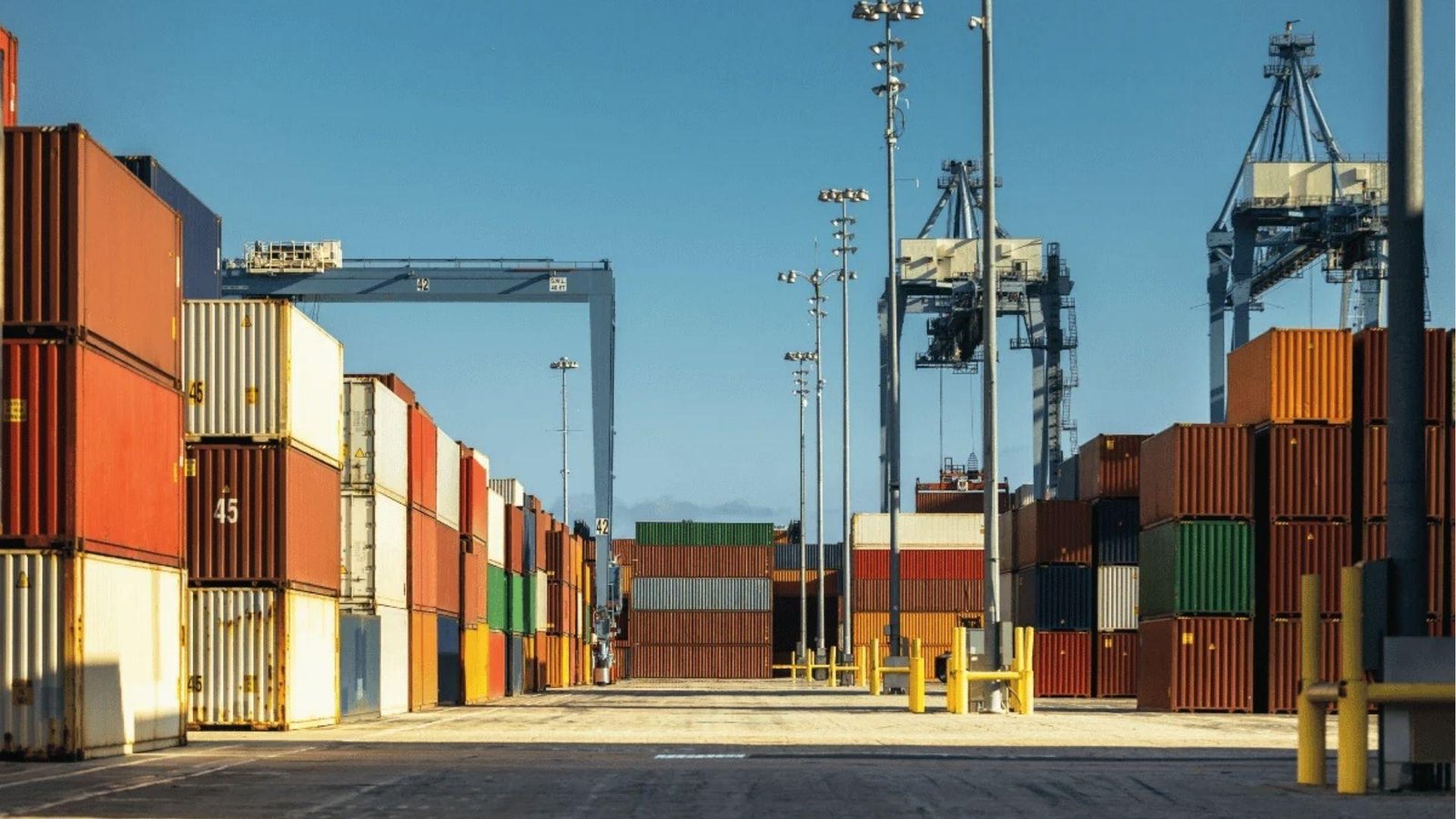
Rail transport is sometimes cheaper than road for very long distances but adds handling time.
Cross-Country Container Transport Cost
Moving a container from coast to coast? Budget $3,000 to $6,000 minimum. That's truck transport only. Add rail or special permits, and costs can climb further.
International Shipping Container Transport Cost Factors
International moves depend on the shipping lane, port fees, customs duty, and inland delivery at the destination. A 20-foot container from the US to Europe typically costs $1,500 to $4,000 in ocean freight alone before any other charges.
Key Factors That Affect Shipping Container Transport Cost

Six core factors drive your final price. Understanding them helps you plan and negotiate better.
Distance and Route Complexity
Longer distance means higher cost. But a complex route, narrow roads, bridge restrictions, detours adds time and can require special permits.
Site Accessibility and Ground Conditions
Soft soil, tight access, or no turning space forces providers to use cranes or specialized vehicles. That raises the price fast.
Equipment Required (Side Loader, Crane, Flatbed, etc.)
A standard flatbed with a tilt-bed is the cheapest option. A side loader or crane adds $200 to $800 or more to the job.
Fuel Prices and Market Surcharges
Fuel surcharges shift with diesel prices. When prices spike, transport costs go up, sometimes mid-booking. Always ask if surcharges are included in your quote.
Seasonal Demand and Peak Pricing
Summer and end-of-month dates are peak times. Prices rise when demand is high. Booking mid-week in the off-season can save you 10% to 20%.
Permits, Insurance, and Hidden Fees
Wide loads, oversize containers, or highway-restricted routes need permits. These can add $100 to $500 per move. Always ask for a fully itemized quote.
Why Shipping Container Transport Cost Calculators Are Not Always Accurate
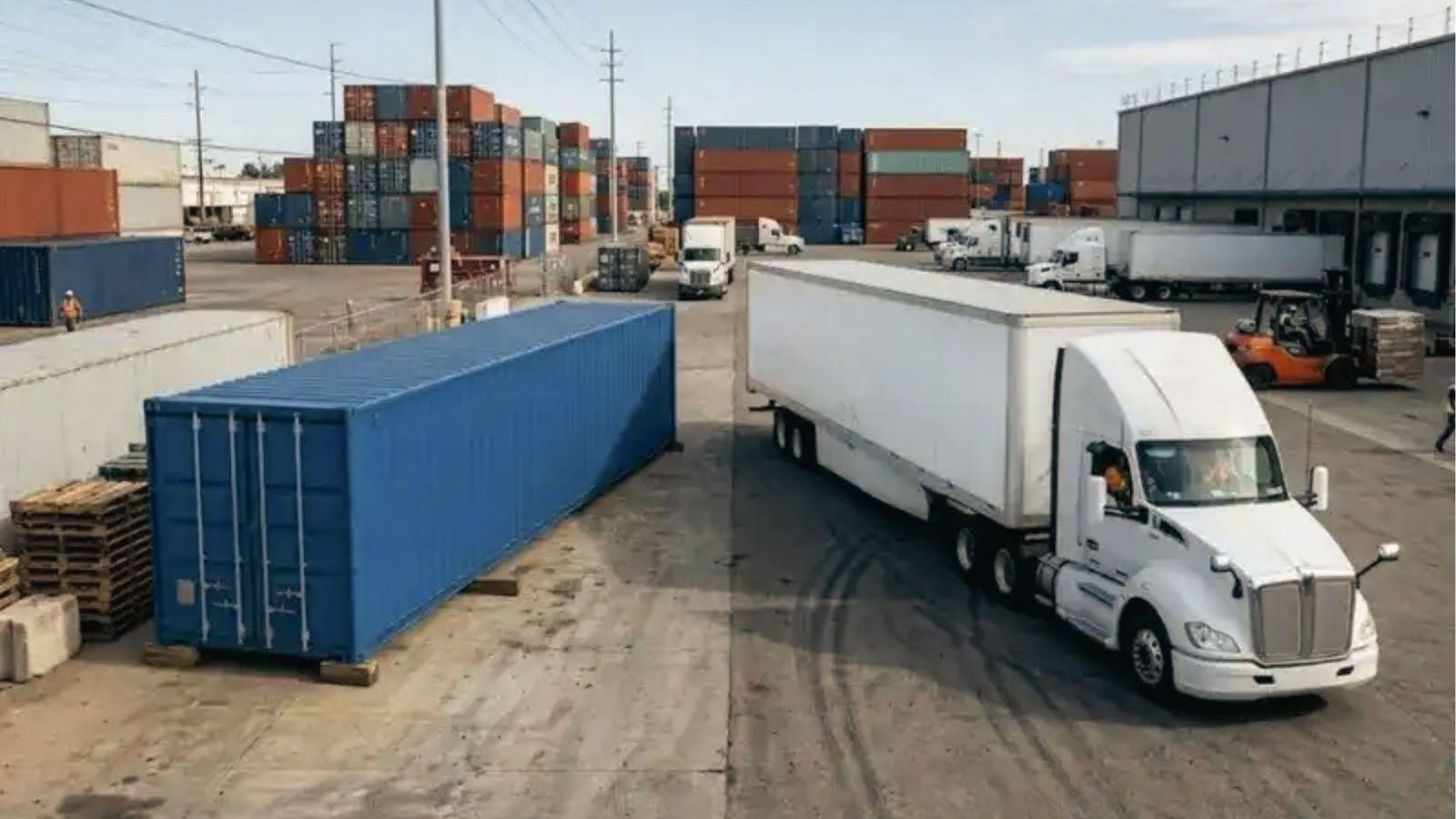
Online tools are useful starting points but here's why they often miss the real price.
Missing Real Site Conditions
Calculators can't see your driveway, your road, or your ground. Real-world conditions change everything.
No Real-Time Surcharge Updates
Fuel prices, toll changes, and demand surcharges shift daily. Most calculators use fixed averages that may be months out of date.
No Equipment-Based Pricing Inclusion
If your move needs a crane, a calculator won't tell you. That's a major cost gap.
Why Expert Quotes Are More Reliable
A transport expert who visits your site or asks the right questions will give you a number that actually matches what you'll pay. That's worth the extra step.
How to Reduce Shipping Container Transport Cost

Smart planning before you book can cut your container transport bill by hundreds of dollars.
Choose Easy-Access Pickup and Delivery Locations
Open, flat, and accessible sites keep equipment costs low. If you have a choice, pick the easier location.
Avoid Crane-Required Moves When Possible
Cranes are expensive. If you can prepare the site to allow a side loader or flatbed, you'll save money.
Book During Off-Peak Seasons
Fall and winter months (outside of December) are often cheaper. Mid-week bookings also tend to be more affordable.
Optimize Container Size and Load Efficiency
Don't pay to move a 40-foot container when a 20-foot will do. Packing efficiently also reduces the number of trips.
Compare Multiple Transport Providers
Get at least three quotes. Prices can vary by 20% to 40% for the same move. Don't settle for the first number you see.
Tips to Reduce Shipping Container Transport Cost
Smart planning and small adjustments can significantly lower your shipping container transport cost.
- Choose locations with easy truck access to avoid extra equipment charges
- Use side loaders or flatbeds instead of cranes whenever possible
- Book during off-peak seasons to get lower transport rates
- Compare at least 2–3 quotes before finalizing a provider
- Optimize container size and avoid unnecessary oversized moves
Conclusion
Shipping container transport costs can feel confusing. But once you understand what drives the price, you can plan with confidence.
Calculators are a helpful starting point. A real quote from a trusted provider is what you actually need before you commit.
My advice? Prepare your site, book off-peak, and always compare at least three quotes. That alone can save you hundreds.
Have questions about your move? Drop them in the comments. I'd love to help. And if this guide helped you, share it with someone planning a container move.
Frequently Asked Questions
What is the average shipping container transport cost?
Local moves typically cost $300 to $1,000. Domestic moves range from $1,500 to $5,000. International moves vary widely based on the route and services needed.
How accurate is a shipping container transport cost calculator?
Calculators give a rough estimate usually within 30% to 50% of the real cost. They're useful for planning but not for final budgeting.
What is the cheapest way to move a shipping container?
Book during off-peak months, choose a flat and accessible site, and use a standard flatbed truck. Getting multiple quotes also helps you find the best rate.
Do I need a crane for container transport?
Not always. A side loader or tilt-bed truck works for most moves. You'll only need a crane if access is very tight or the ground can't support standard equipment.
Are fuel surcharges included in transport quotes?
Not always. Some providers add them separately. Always ask for a fully itemized quote before confirming your booking.